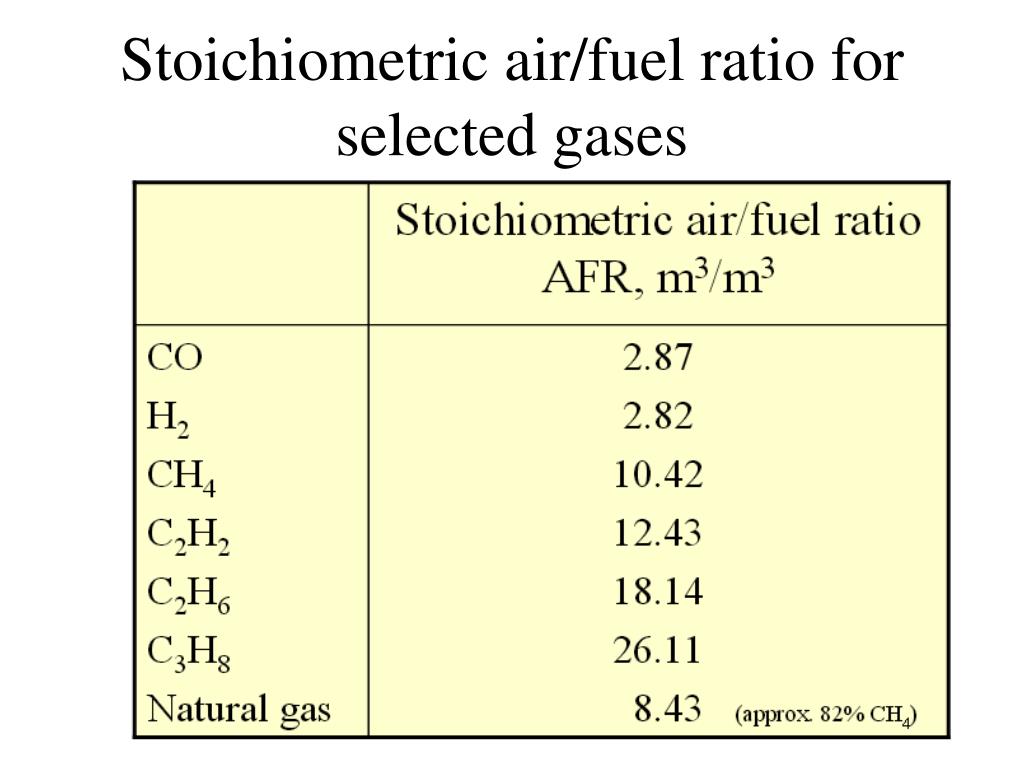
Steam To Fuel Ratio For Natural Gas

Understanding Steam to Fuel Ratio in Natural Gas HVAC Systems
When considering a new heating system, particularly one powered by natural gas, the term "steam to fuel ratio" might not be the first thing that comes to mind. However, understanding this ratio, and its implications, can be crucial for optimizing your system's efficiency, longevity, and safety. While the term is less directly applicable to modern forced-air natural gas furnaces common in residential settings, the underlying principle of combustion efficiency is paramount. In older systems or those involving steam generation, the concept is very important. Let's delve into what this ratio means and how it affects your HVAC choices.
What is Steam to Fuel Ratio?
The steam to fuel ratio (S/F) essentially describes the amount of steam produced per unit of fuel consumed in a heating system. In direct heating systems like modern forced-air furnaces, steam isn't the primary product. Instead, the focus is on efficiently converting natural gas into heat. However, understanding the principles behind the S/F ratio provides insights into combustion quality and overall efficiency.
In systems where steam *is* the product – think older steam radiators or industrial processes – the ideal S/F ratio indicates optimal combustion. Too little steam for the amount of fuel means incomplete combustion, wasted energy, and potentially dangerous emissions like carbon monoxide. Too much steam (hypothetically, although practically difficult to achieve) would indicate an overly rich fuel mixture, also leading to inefficiencies and potential safety hazards.
How It Relates to Modern Natural Gas Furnaces
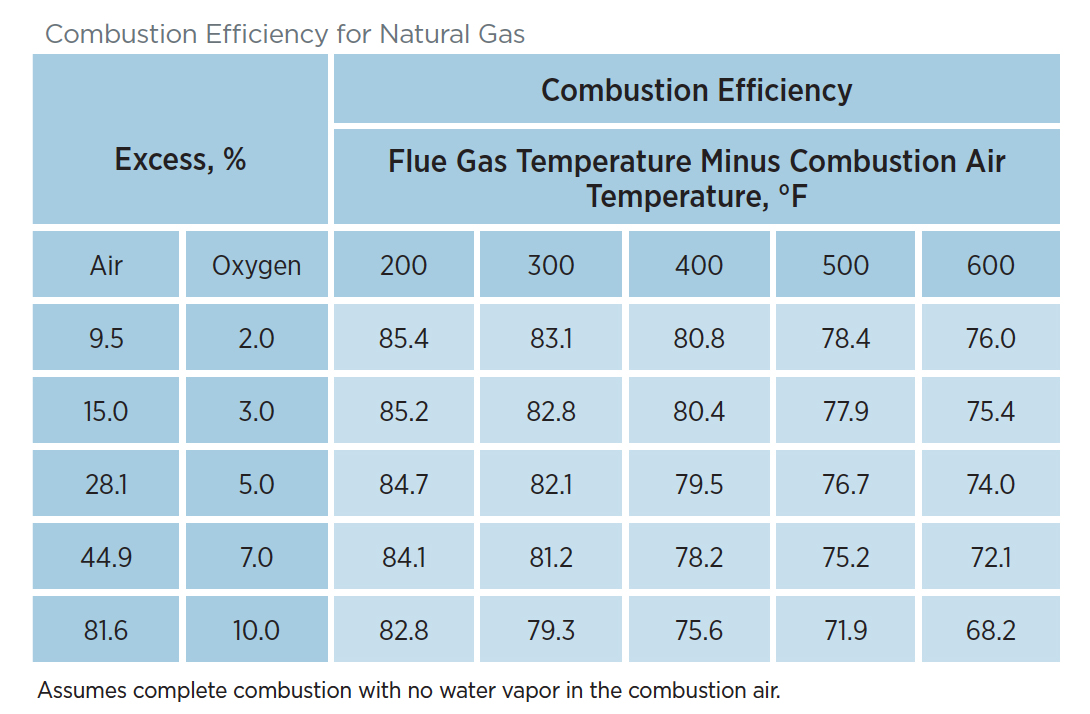
Modern natural gas furnaces, while not directly generating steam, rely on precise combustion of natural gas to heat air. Key performance indicators like AFUE (Annual Fuel Utilization Efficiency), reflect how effectively the furnace converts fuel into usable heat. A high AFUE rating signifies a system that maximizes heat output while minimizing fuel consumption and waste. This is the modern equivalent of optimizing the steam to fuel ratio in older systems.
Factors affecting the combustion efficiency in a modern furnace include:
- Air-Fuel Mixture: Similar to the steam to fuel ratio concept, the correct air-fuel mixture is crucial for complete combustion. Too little air results in incomplete combustion and carbon monoxide production, while too much air can cool the flame and reduce efficiency.
- Burner Design: The design of the burner plays a significant role in ensuring proper mixing of air and fuel. Modern burners are engineered for optimal combustion.
- Venting System: Proper venting ensures the safe removal of combustion byproducts.
- Heat Exchanger Design: Efficient heat exchangers maximize the transfer of heat from the combustion process to the air that circulates through your home.
Key Considerations When Choosing a Natural Gas Furnace
When selecting a new natural gas furnace, several factors should be considered to ensure optimal performance, efficiency, and longevity:
AFUE Rating
The AFUE rating is the primary indicator of a furnace's efficiency. It represents the percentage of fuel that is converted into usable heat. Furnaces with higher AFUE ratings consume less fuel to produce the same amount of heat, resulting in lower energy bills. Look for furnaces with AFUE ratings of 90% or higher for significant energy savings. Consider ENERGY STAR certified models for even greater efficiency.
Single-Stage, Two-Stage, and Modulating Furnaces
Furnaces are available in three main types:
- Single-Stage Furnaces: Operate at a single, fixed speed. They are the least expensive option but can be less efficient and provide less consistent heating.
- Two-Stage Furnaces: Have two operating speeds (high and low). They offer improved efficiency and comfort compared to single-stage furnaces.
- Modulating Furnaces: Adjust their heating output in small increments to match the precise heating demand. They provide the highest levels of efficiency and comfort but are also the most expensive.
Burner Technology
Modern furnaces utilize advanced burner technology to optimize combustion efficiency. Look for features like sealed combustion chambers and electronic ignition systems for improved performance and safety.
Venting System
The venting system plays a crucial role in safely removing combustion byproducts from your home. High-efficiency furnaces typically require specialized venting systems made of PVC or CPVC pipes.
Warranty
A comprehensive warranty provides peace of mind and protects your investment. Look for furnaces with extended warranties on critical components like the heat exchanger and burner.
Popular Natural Gas Furnace Brands and Models
Several reputable brands offer high-quality natural gas furnaces. Here are a few popular options:
- Carrier: Known for their innovation and reliability, Carrier offers a wide range of furnaces with advanced features and high AFUE ratings. Models like the Carrier Infinity series are highly regarded.
- Trane: Trane furnaces are known for their durability and performance. The Trane XV series offers modulating options with exceptional efficiency.
- Lennox: Lennox offers a comprehensive line of furnaces, including models with innovative features like variable-speed blowers and modulating gas valves.
- Rheem: Rheem furnaces provide a good balance of performance and value. Their Prestige series offers high-efficiency options with advanced features.
- Goodman: Goodman furnaces are a budget-friendly option that still offers decent performance and reliability. They are a good choice for homeowners looking for an affordable heating solution.
Example Model Comparison:
| Brand/Model | Type | AFUE | Features | Approximate Price |
|---|---|---|---|---|
| Carrier Infinity 98 | Modulating | Up to 98.5% | Variable-speed blower, sealed combustion, Wi-Fi connectivity | $$$$ |
| Trane XV95 | Two-Stage | Up to 97% | Variable-speed blower, ComfortLink II communicating technology | $$$ |
| Goodman GMVM97 | Modulating | Up to 98% | Variable-speed blower, ComfortBridge technology | $$ |
Note: Prices are approximate and can vary depending on location and installation costs.
Maintenance and Care
Regular maintenance is essential for ensuring the optimal performance and longevity of your natural gas furnace. Key maintenance tasks include:
- Annual Inspection and Cleaning: Schedule an annual inspection and cleaning by a qualified HVAC technician. This will help identify and address any potential problems before they become major issues.
- Filter Replacement: Replace the air filter regularly (typically every 1-3 months) to maintain proper airflow and prevent dust and debris from accumulating in the system.
- Burner Cleaning: Clean the burner regularly to ensure proper combustion.
- Vent Inspection: Inspect the venting system regularly to ensure it is free of obstructions.
Warranty Considerations
Pay close attention to the warranty offered by the manufacturer. Understand what components are covered, the length of the warranty period, and any specific requirements for maintaining the warranty's validity (e.g., annual professional servicing).
Cost Considerations
The cost of a new natural gas furnace can vary depending on several factors, including the AFUE rating, features, and brand. Installation costs can also vary depending on the complexity of the installation and the location. Obtain quotes from multiple contractors to ensure you are getting a fair price.
Long-Term Savings: While high-efficiency furnaces may have a higher initial cost, they can save you money in the long run through reduced energy bills. Consider the long-term cost of ownership when making your decision.
Professional Installation is Key
Even the highest-quality furnace will not perform optimally if it is not installed correctly. Proper installation is crucial for ensuring safety, efficiency, and longevity. Always hire a qualified and licensed HVAC contractor to install your new furnace. A professional installation includes proper sizing, venting, and connection to your existing ductwork. A poorly installed furnace can be dangerous and can void the warranty.
Beyond Furnaces: Natural Gas Water Heaters
While we've focused primarily on furnaces, the principles of efficient natural gas combustion also apply to water heaters. Tankless water heaters, in particular, offer high efficiency by heating water only when needed, eliminating the standby heat losses associated with traditional tank water heaters. When choosing a natural gas water heater, consider its Energy Factor (EF) rating, which is similar to AFUE for furnaces. A higher EF rating indicates greater efficiency.
Conclusion: Making an Informed Choice
Understanding the principles behind the steam to fuel ratio, and its modern equivalent in AFUE ratings, is crucial for making an informed decision when choosing a new natural gas heating system. By considering factors like AFUE rating, furnace type, burner technology, and warranty, you can select a system that provides optimal performance, efficiency, and comfort for years to come. Always prioritize professional installation and regular maintenance to ensure your investment is protected.


:max_bytes(150000):strip_icc()/steam-oil-ratio.asp-Final-0597df64305b4d9794f846b987b7f4de.png)