Stucco Weep Screed Retrofit
Stucco Weep Screed Retrofit: Stop Energy Loss and Protect Your Walls
Stucco homes, known for their durability and classic aesthetic, can sometimes be surprisingly drafty and energy inefficient. One often-overlooked culprit? The weep screed. While designed to protect your home from moisture, an improperly installed or deteriorated weep screed can become a major source of air leaks, driving up your energy bills and potentially causing hidden structural damage. A stucco weep screed retrofit can be a game-changer for energy efficiency and the long-term health of your home.
What is a Weep Screed and Why Does it Matter?
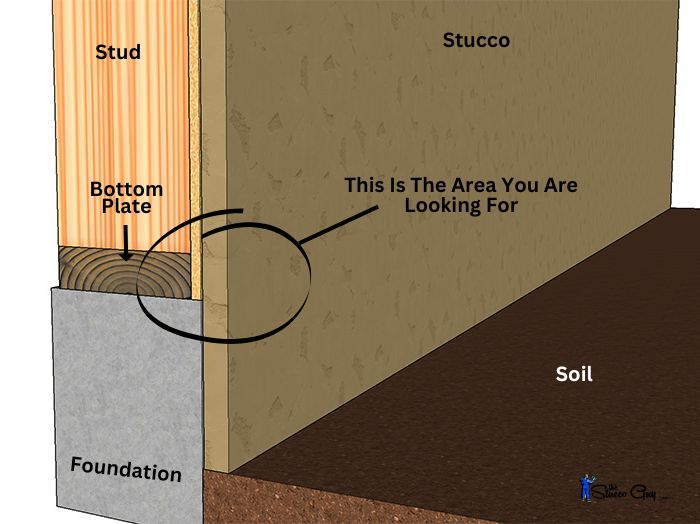
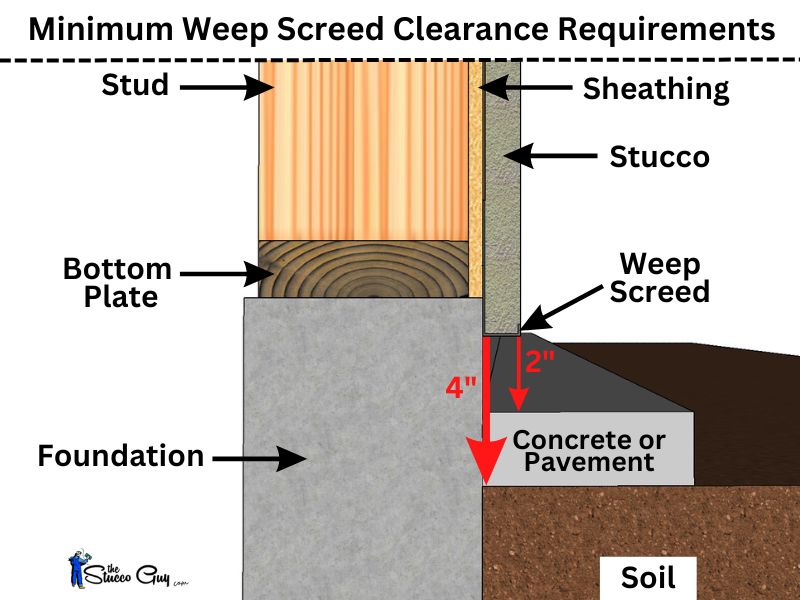
A weep screed is a horizontal metal flashing installed at the base of a stucco wall, where the stucco meets the foundation. Its primary function is to allow moisture that gets behind the stucco to escape, preventing water damage and mold growth. Think of it as a release valve for your walls. Critically, it's also intended to create a clean, defined edge to the stucco finish.
However, problems arise when:
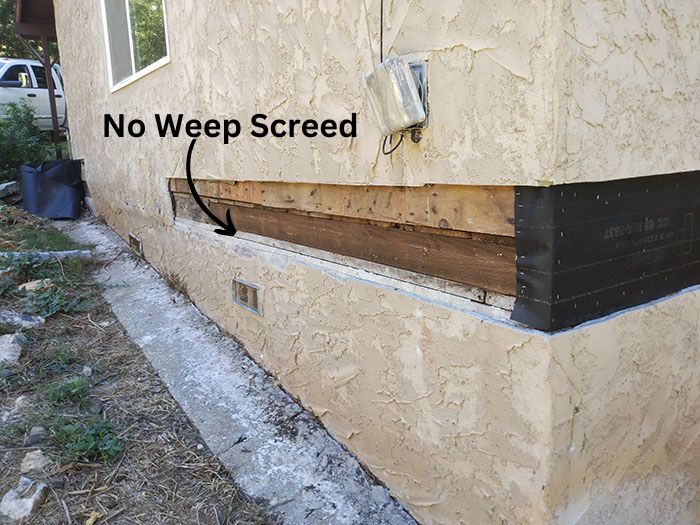
- The weep screed is missing entirely (common in older homes).
- It's damaged or corroded.
- It's installed incorrectly, leaving large gaps.
- It’s improperly sealed between the stucco and foundation.
These issues create pathways for air infiltration, allowing cold air to seep in during winter and hot air to invade during summer. This forces your HVAC system to work harder, consuming more energy and increasing your utility bills. According to the U.S. Department of Energy, air leaks can account for 25-40% of energy loss in a typical home. And a poorly maintained stucco system contributes significantly to this percentage.
The Energy-Saving Benefits of a Weep Screed Retrofit
A well-executed weep screed retrofit offers several compelling energy-saving advantages:
- Reduced Air Leaks: The primary benefit is sealing gaps and cracks, preventing unwanted air infiltration and exfiltration. This directly translates to lower heating and cooling costs.
- Improved HVAC Efficiency: By reducing the load on your HVAC system, a retrofit allows it to operate more efficiently. This can extend the lifespan of your equipment and reduce the need for costly repairs.
- Consistent Indoor Temperature: Eliminating drafts creates a more comfortable and consistent indoor temperature, minimizing temperature fluctuations and improving overall comfort.
- Lower Humidity Levels: Proper sealing helps maintain optimal indoor humidity levels, reducing the risk of mold growth and creating a healthier living environment.
Identifying the Need for a Retrofit
How do you know if your stucco weep screed needs attention? Look for these telltale signs:
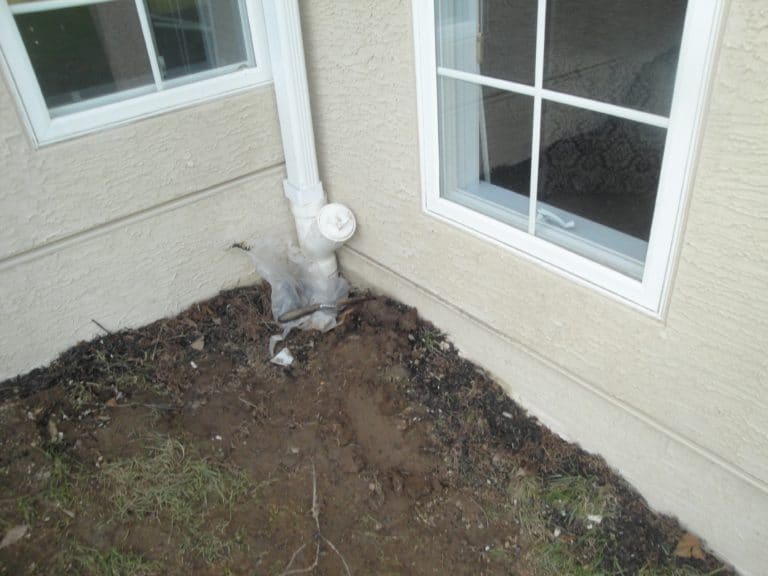
- Visible Gaps or Cracks: Inspect the area where the stucco meets the foundation. Any visible gaps, cracks, or crumbling stucco are red flags.
- Drafts Near the Base of Walls: Feel for drafts near the base of your exterior walls, especially during cold or windy weather.
- High Energy Bills: A sudden or unexplained increase in your energy bills could indicate air leaks. Compare your current bills to previous years and consider weather patterns.
- Water Stains or Mold Growth: Check for water stains or mold growth on the interior walls near the floor. This could indicate moisture intrusion due to a faulty weep screed.
- Corroded or Missing Weep Screed: If the weep screed is visibly rusted, damaged, or missing in sections, it needs immediate replacement.
The Retrofit Process: A Step-by-Step Guide
A weep screed retrofit typically involves the following steps:
- Inspection and Assessment: A qualified contractor will thoroughly inspect your stucco and weep screed to identify the extent of the problem and recommend the appropriate solution.
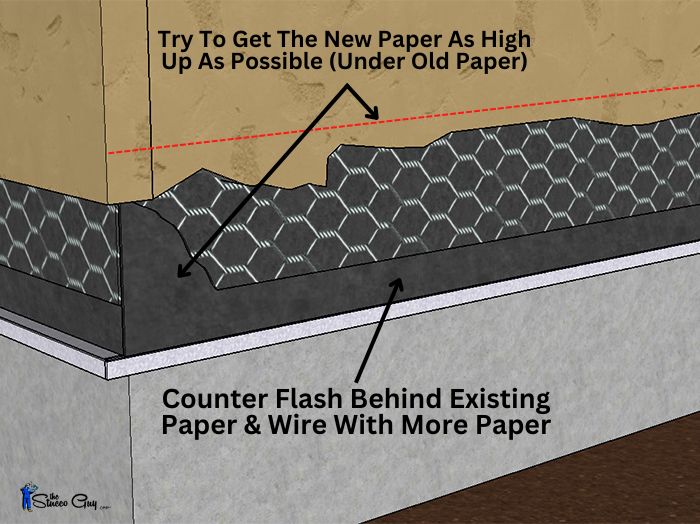
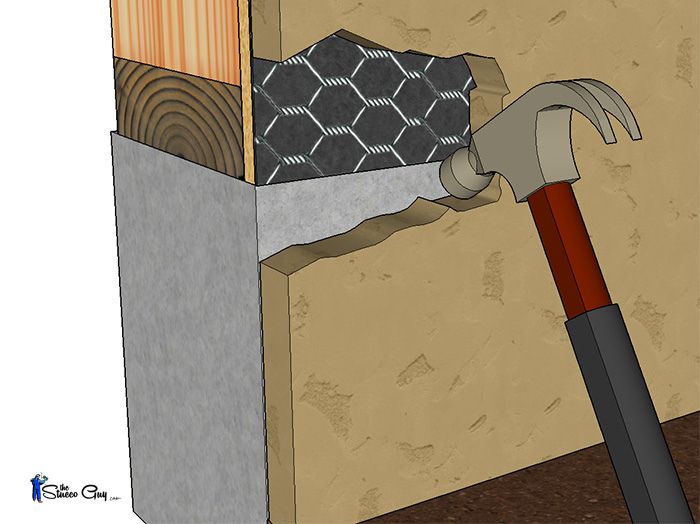
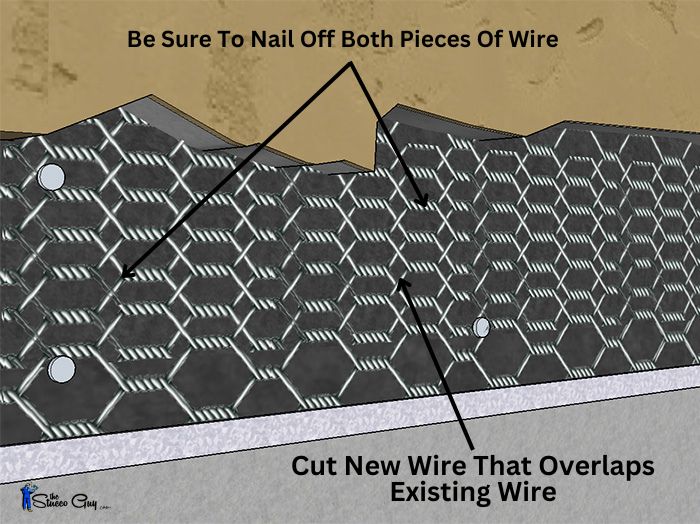
- Preparation: The area around the existing weep screed is cleaned and prepped. Loose or damaged stucco may need to be removed.
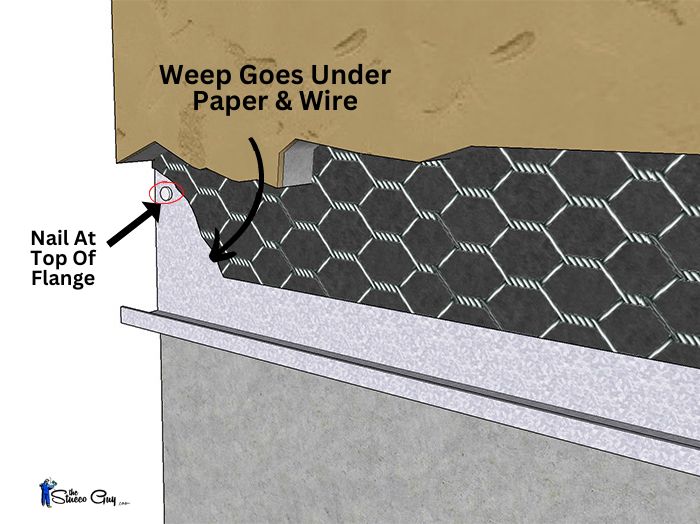
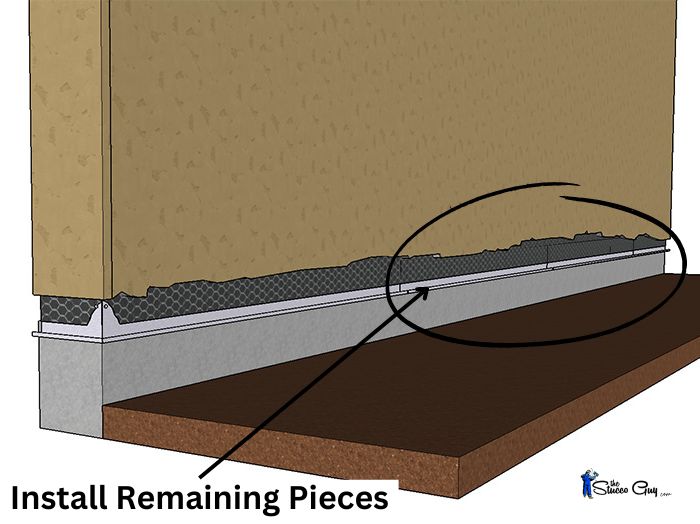
- Weep Screed Installation (or Repair): A new weep screed is carefully installed, ensuring proper alignment and flashing. If the existing screed is in relatively good condition, repairs and sealing may be sufficient. The type of weep screed – metal (galvanized or stainless steel) or PVC – will be selected based on your climate and budget. Stainless steel offers the best corrosion resistance.
- Sealing: The weep screed is sealed to the foundation and stucco using a high-quality, weather-resistant sealant. This prevents air and water infiltration.
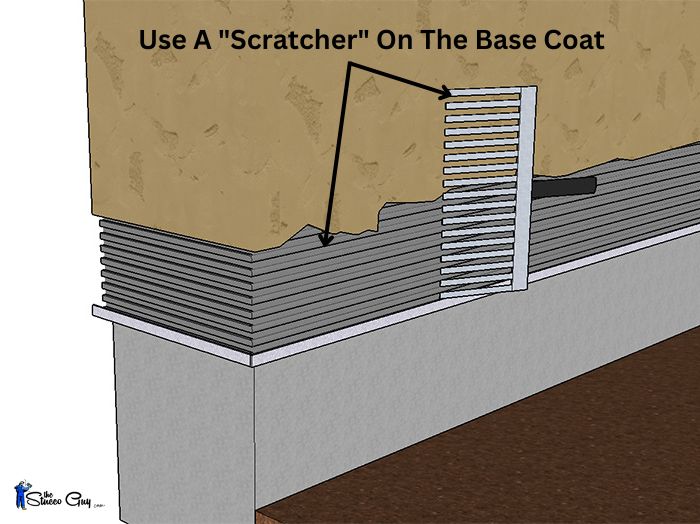
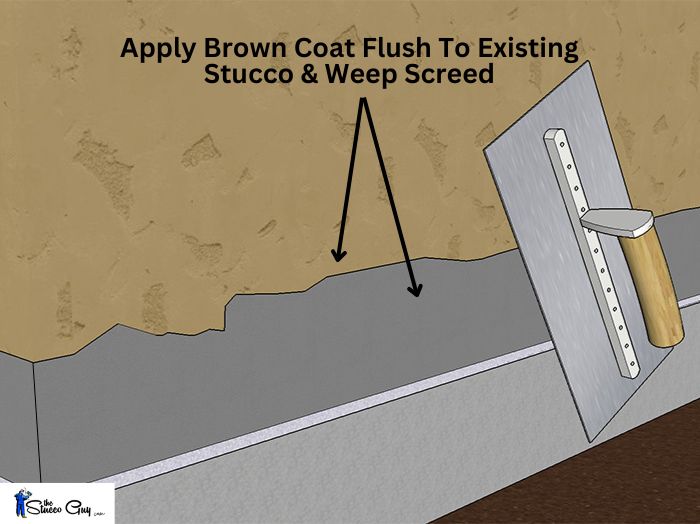
- Stucco Repair: Any damaged or missing stucco is repaired to create a seamless and weather-tight finish.
- Finishing: The repaired area is textured and painted to match the existing stucco.
DIY vs. Professional Installation
While some homeowners may be tempted to tackle a weep screed retrofit as a DIY project, it's generally recommended to hire a qualified contractor. Proper installation requires specialized tools, knowledge of stucco systems, and expertise in sealing techniques. A poorly executed retrofit can actually worsen the problem and lead to costly repairs down the road.
When selecting a contractor, be sure to:
- Check their licensing and insurance.
- Ask for references and review their past work.
- Obtain multiple bids and compare pricing.
- Ensure they have experience with stucco repair and weep screed installation.
Smart HVAC Integration and Energy Monitoring
A weep screed retrofit is an excellent opportunity to integrate smart home technology and further optimize your energy efficiency. Consider these options:
- Smart Thermostats: Programmable smart thermostats learn your habits and adjust the temperature automatically, saving energy when you're away or asleep. Many models offer remote control via smartphone and integration with other smart home devices. Look for Energy Star certified models for guaranteed energy savings.
- Smart Sensors: Install smart sensors in different rooms to monitor temperature and humidity levels. This data can be used to fine-tune your HVAC settings and identify areas where air leaks may still be present.
- Energy Monitoring Systems: Whole-house energy monitoring systems provide real-time data on your energy consumption, allowing you to identify energy hogs and track the effectiveness of your energy-saving measures.
By combining a weep screed retrofit with smart HVAC integration, you can create a truly energy-efficient and comfortable home.
Cost and ROI
The cost of a weep screed retrofit varies depending on the size of your home, the extent of the damage, and the contractor you choose. Expect to pay anywhere from $10 to $25 per linear foot for professional installation. While this may seem like a significant investment, the long-term energy savings and protection against water damage can provide a substantial return on investment (ROI).
To calculate your potential ROI, consider the following:
- Estimate your annual energy savings based on reduced air leaks (consult with an energy auditor for a more accurate assessment).
- Factor in the reduced risk of water damage and mold growth, which can lead to costly repairs.
- Account for any potential increase in your home's value due to improved energy efficiency.
In many cases, a weep screed retrofit can pay for itself within a few years through energy savings alone. Plus, the added comfort and peace of mind are invaluable.
Available Rebates and Incentives
Be sure to check for available rebates and incentives from your local utility company, state government, or federal programs. Many programs offer financial assistance for energy-efficient home improvements, including weep screed retrofits. Websites like Energy Star and the Database of State Incentives for Renewables & Efficiency (DSIRE) are excellent resources for finding available rebates and incentives in your area.
Long-Term Maintenance
Once your weep screed retrofit is complete, it's important to maintain it properly to ensure its long-term effectiveness. Regularly inspect the area for any signs of damage or deterioration, and promptly address any issues. Re-seal the weep screed every few years to maintain a weather-tight seal. By taking these simple steps, you can protect your investment and continue to enjoy the energy-saving benefits of your retrofit for years to come.
Conclusion
A stucco weep screed retrofit is a worthwhile investment for homeowners looking to improve energy efficiency, protect their homes from water damage, and create a more comfortable living environment. By addressing this often-overlooked area of your home, you can significantly reduce your energy bills, extend the lifespan of your HVAC system, and enjoy the benefits of a healthier and more sustainable home. Don't wait until the problem worsens – take action today and start saving energy and money.