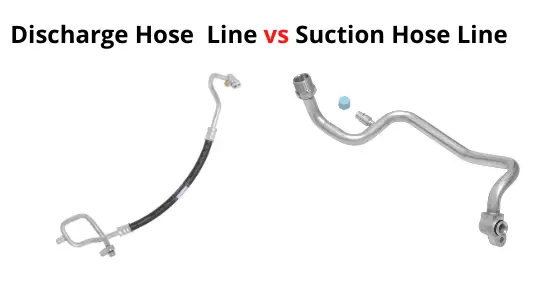
Suction Line Vs Liquid Line
A sweltering summer afternoon. You crank up the AC, expecting a blast of cool air, only to be met with…lukewarm disappointment. Your home's air conditioner seems to be running, but it's not cooling effectively. This is a frustratingly common problem for homeowners, and while several factors can contribute, one key area to investigate involves understanding the difference between your AC unit's suction line and liquid line.
Understanding Suction and Liquid Lines
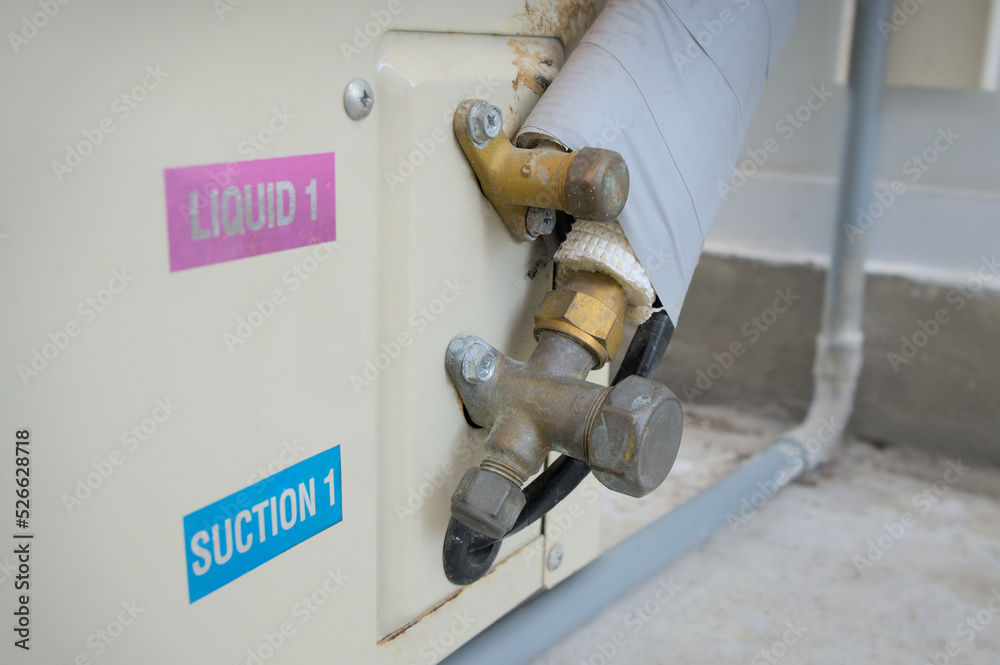
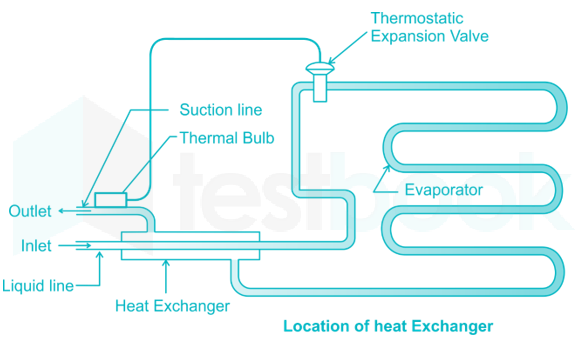
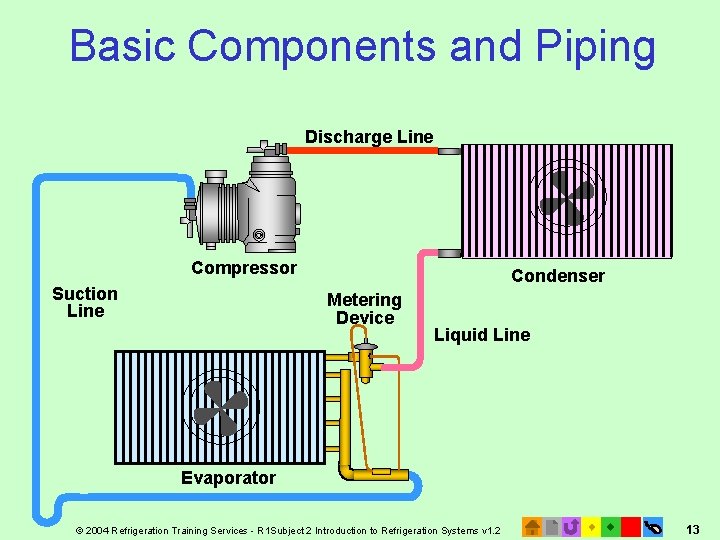
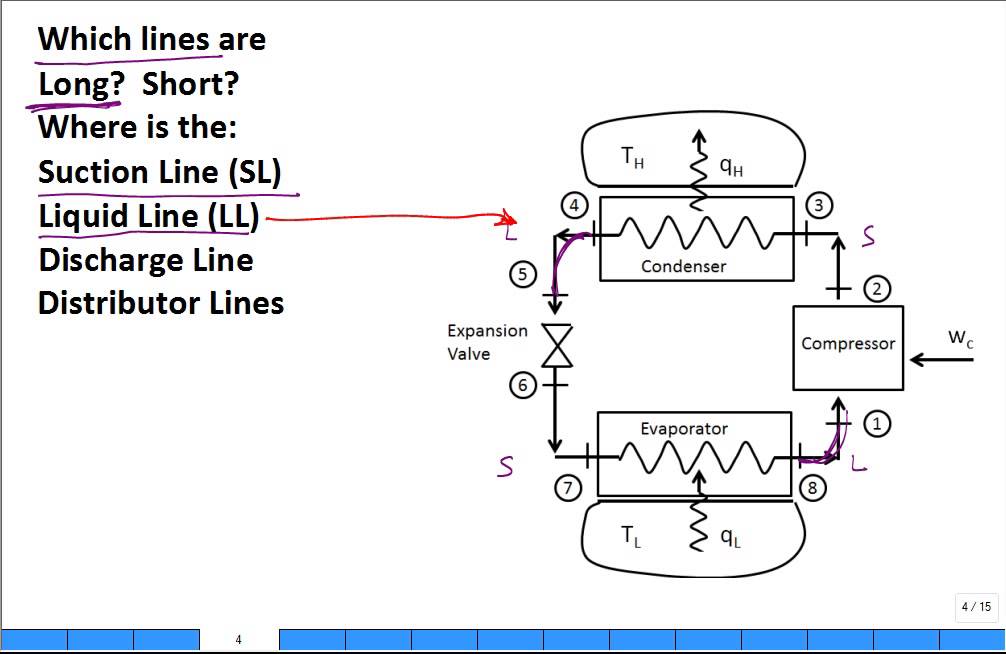
Your AC system circulates refrigerant, a special fluid that absorbs and releases heat, to cool your home. This refrigerant travels through two primary copper pipes connecting your outdoor condenser unit to your indoor evaporator coil (usually located within your furnace or air handler). These are the suction and liquid lines.
Think of it like this: the refrigerant is a messenger carrying heat *away* from your home.
- The liquid line is like the messenger *heading out* with a package of heat to deliver to the outside condenser. It carries high-pressure, warm liquid refrigerant.
- The suction line is the messenger *returning* to pick up more heat. It carries low-pressure, cool vapor refrigerant.
Problems with either line can disrupt the cooling process. Let's learn how to identify and diagnose issues with these crucial components.
Step 1: Safety First!
Before you begin, always turn off the power to your AC unit at the breaker box. This is crucial for your safety. We're dealing with electrical components and potentially pressurized refrigerant, so caution is paramount. If you're uncomfortable working around electrical components, call a qualified HVAC technician. Don't take risks!
Step 2: Visual Inspection of Both Lines
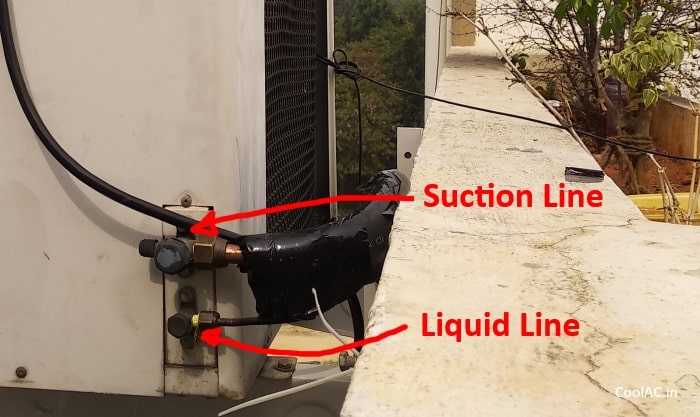
Now that the power is off, let's get a good look at the suction and liquid lines connecting your outdoor unit to the house. Walk around the outside unit and find the copper lines going into the house.
Identifying the Lines
The liquid line is typically smaller in diameter (usually 1/4" or 3/8") and often warmer to the touch (careful, it can get quite hot in direct sunlight). It runs from the outdoor unit to the indoor evaporator coil. The suction line is larger in diameter (usually 5/8" or 3/4") and should be cool to the touch when the AC is running properly. It carries the refrigerant from the indoor unit back to the outdoor unit. Sometimes the suction line is covered in insulation.
Checking for Obvious Damage
Carefully inspect both lines for the following:
- Dents or kinks: These can restrict refrigerant flow. Even a minor kink can significantly reduce performance.
- Corrosion or rust: This could indicate a leak is imminent or already present.
- Leaks: Look for oily residue or bubbles (if you carefully apply soapy water to suspected areas – do not use excessive amounts of water near electrical components). If you see signs of a leak, do not attempt to fix it yourself! Refrigerant is a hazardous substance, and repairing leaks requires specialized equipment and training. Call a professional immediately.
- Missing or damaged insulation: On the suction line, insulation helps prevent the line from absorbing external heat. Damaged or missing insulation reduces efficiency.
If you spot any of these issues, take photos for documentation and note their location. This will be helpful if you need to call a technician.
Step 3: Evaluating Line Temperature (with Power On!)
Important: After the visual inspection, carefully turn the power back on to the AC unit at the breaker box. Observe the system *while it is running*, but maintain a safe distance from moving parts.
Suction Line Temperature
The suction line should feel cool to the touch. If it feels warm or hot, it indicates that the refrigerant isn't properly absorbing heat from inside your home. There could be several reasons for this:
- Low refrigerant charge: This is the most common cause. A leak somewhere in the system is likely the culprit.
- Restricted airflow across the evaporator coil: A dirty air filter or a blocked coil can prevent the refrigerant from absorbing heat effectively.
- Faulty compressor: If the compressor isn't working correctly, it won't be able to circulate the refrigerant properly.
Liquid Line Temperature
The liquid line should feel warm, but not excessively hot. If it feels ice cold or has frost on it, it could indicate a problem, such as:
- Overcharge of refrigerant: Too much refrigerant can cause the liquid line to overcool.
- Restriction in the liquid line: A blockage can cause the refrigerant to back up and overcool.
- Expansion valve issues: The expansion valve regulates refrigerant flow. If it malfunctions, it can lead to incorrect temperatures.
Note: The exact temperature of each line depends on several factors, including outdoor temperature, humidity, and the specific AC unit. These temperature guidelines are approximate.
Step 4: Simple DIY Troubleshooting Steps
Before calling a professional, try these simple troubleshooting steps:
1. Check and Replace the Air Filter
A dirty air filter is the most common cause of reduced AC performance. A clogged filter restricts airflow to the evaporator coil, preventing proper heat exchange. Replace your air filter regularly (usually every 1-3 months, or more often if you have pets or allergies). A clean filter improves efficiency and extends the life of your AC system.
2. Clean the Outdoor Condenser Unit
Over time, the outdoor condenser unit can become clogged with dirt, leaves, and debris. This restricts airflow and reduces its ability to release heat. Carefully clean the unit by:
- Turning off the power to the unit at the breaker box.
- Removing any visible debris from the fins of the unit.
- Gently hosing down the fins from the inside out with a garden hose. Avoid using a high-pressure nozzle, as this can damage the delicate fins.
Allow the unit to dry completely before turning the power back on.
3. Ensure Vents are Open and Unobstructed
Make sure all supply and return air vents inside your home are open and unobstructed by furniture, rugs, or other items. Closed or blocked vents restrict airflow and can reduce cooling efficiency.
4. Check for Leaks Around the Indoor Unit
Inspect around the indoor evaporator coil (usually located within your furnace or air handler) for signs of water leaks. This could indicate a clogged condensate drain line. A clogged drain line can cause water to back up and reduce cooling performance. If you find a leak, try clearing the drain line using a wet/dry vacuum or a stiff wire. Important: Turn off the unit before attempting this repair.
When to Call a Professional
While some AC problems can be resolved with simple DIY troubleshooting, certain issues require the expertise of a qualified HVAC technician. Call a professional in the following situations:
- Suspected refrigerant leak: As mentioned earlier, refrigerant is a hazardous substance, and repairing leaks requires specialized equipment and training. Attempting to fix a leak yourself is dangerous and illegal.
- Faulty compressor: The compressor is the heart of your AC system. If it's not working correctly, the entire system will be affected. Compressor repairs are complex and require specialized tools and knowledge.
- Electrical problems: If you suspect any electrical issues with your AC unit, such as a burning smell or unusual noises, do not attempt to fix it yourself. Contact a qualified electrician or HVAC technician immediately.
- If the suction line is warm after completing the steps above: This indicates a more serious problem such as an internal leak or faulty expansion valve.
- You are uncomfortable working with electrical components or refrigerant. It's always better to err on the side of caution and call a professional if you're unsure about anything.
- Frozen Evaporator Coil: If you observe ice forming on the indoor evaporator coil, this is a serious issue that requires professional diagnosis and repair. Continuing to run the unit with a frozen coil can cause further damage.
In summary, if you’ve checked the easy fixes – a clean air filter and unobstructed airflow - and the suction line is still warm or the liquid line is excessively cold or frosting over, it's time to call in the pros. Attempting more complex repairs without the proper training and equipment can be dangerous and potentially damage your AC system further.
Preventative Maintenance
The best way to avoid AC problems is to schedule regular preventative maintenance with a qualified HVAC technician. A technician can inspect your system, clean the coils, check refrigerant levels, and identify potential problems before they become major issues. Regular maintenance will keep your AC system running efficiently and extend its lifespan.
By understanding the role of the suction and liquid lines and taking a proactive approach to maintenance and troubleshooting, you can keep your AC system running smoothly and enjoy a cool and comfortable home all summer long.