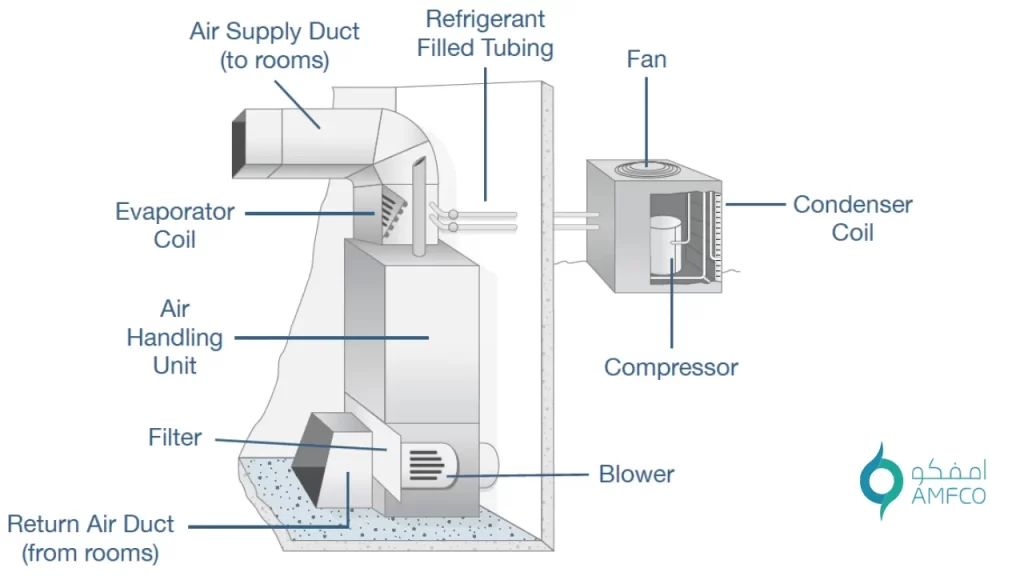
Supply Air Duct And Return Air Duct

Understanding the ductwork in your home's heating, ventilation, and air conditioning (HVAC) system is crucial for ensuring efficient and comfortable living. The two main components are the supply air ducts and the return air ducts. They work together to circulate conditioned air throughout your house. This guide will explore each of these systems, explaining their purpose, how they function, and common issues to watch out for.
Supply Air Ducts: Delivering Comfort
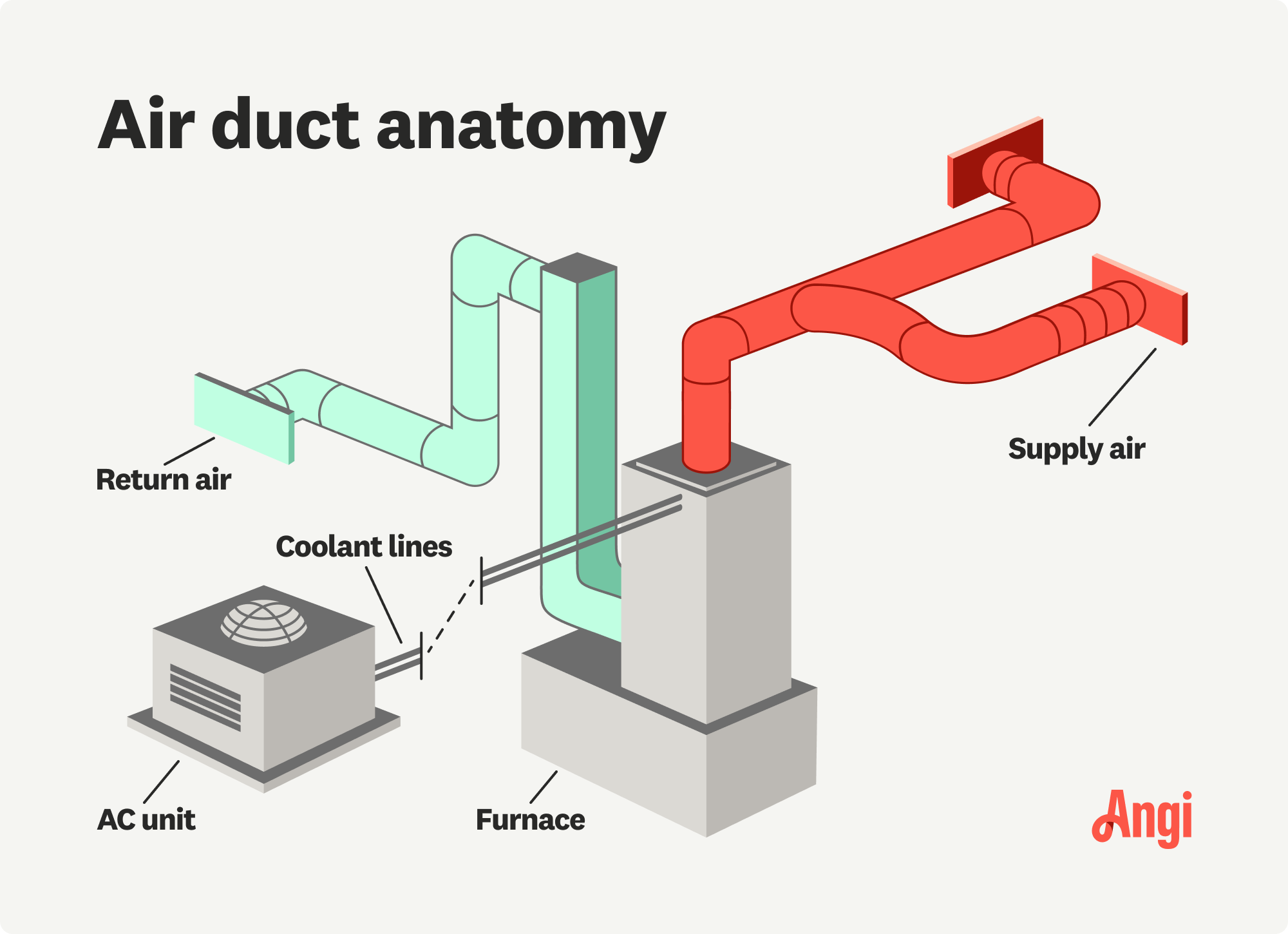
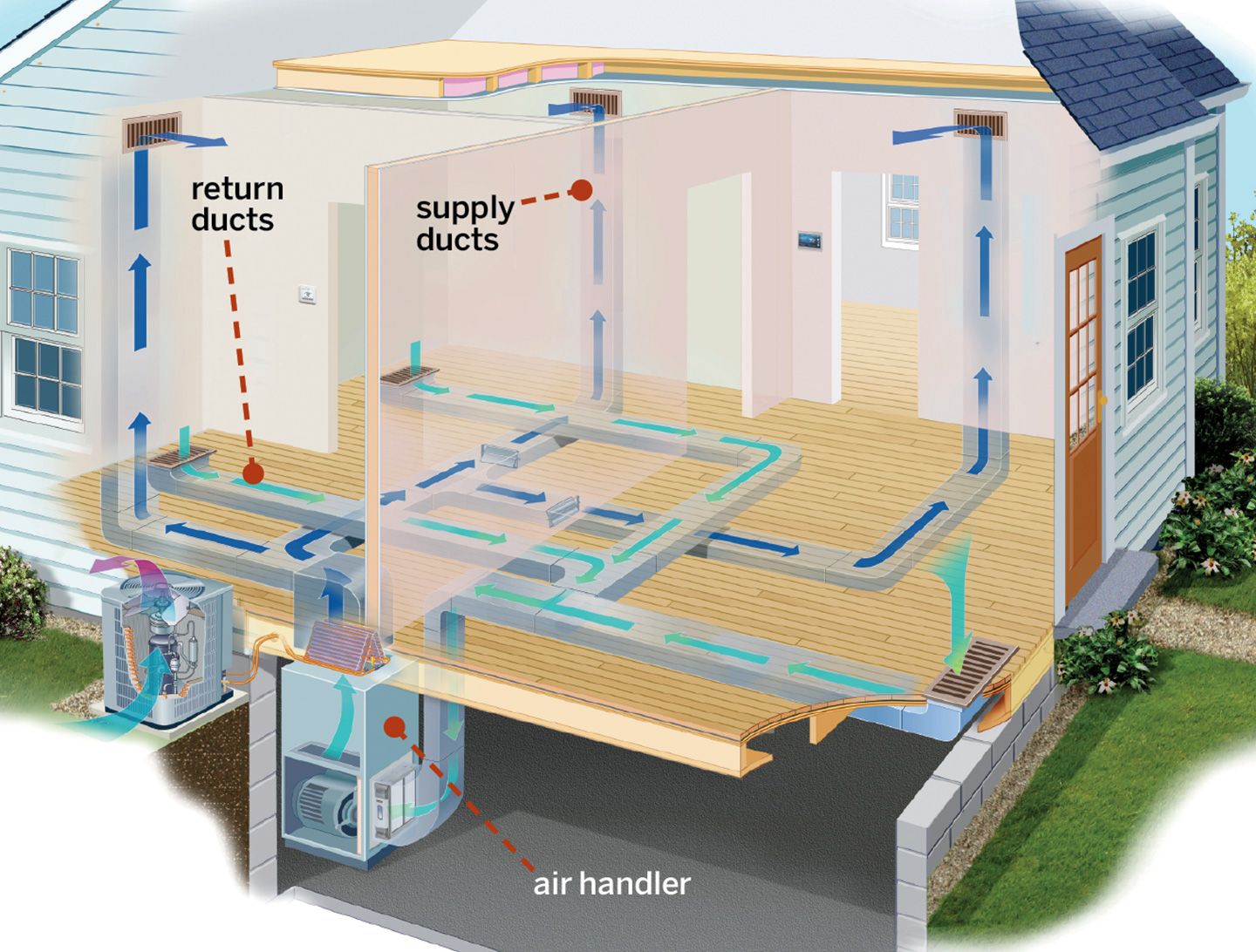
Supply air ducts are responsible for distributing the cooled (in summer) or heated (in winter) air from your HVAC unit into each room of your home. Think of them as the highways that transport conditioned air to its destination.
Key Features of Supply Air Ducts:
- Location: Typically, supply air ducts are connected directly to the output of your furnace or air handler. They branch out, often running through attics, basements, or walls, to reach individual supply vents or registers in each room.
- Material: Supply ducts can be made from various materials, including sheet metal (usually galvanized steel or aluminum), fiberglass duct board, or flexible ductwork. Sheet metal offers durability and good airflow, while flexible ducts are easier to install in tight spaces.
- Insulation: Proper insulation is critical for supply ducts, especially those located in unconditioned spaces like attics or crawl spaces. Insulation prevents heat loss (in winter) or heat gain (in summer), maximizing efficiency and reducing energy bills.
- Registers/Vents: These are the visible outlets in each room through which the conditioned air enters. They often have adjustable louvers to direct airflow and control the amount of air entering a specific area.
How Supply Air Ducts Work:
The process is relatively straightforward:
- Your HVAC unit (furnace or air conditioner) heats or cools air.
- A blower fan in the HVAC unit forces this conditioned air into the main supply duct.
- The air travels through the network of supply ducts, reaching individual rooms through the registers or vents.
- You feel the cooled or heated air entering the room, adjusting the temperature.
Common Issues with Supply Air Ducts:
- Leaks: Cracks, gaps, or disconnected sections in the ductwork can lead to significant air leakage. This means conditioned air is escaping into unconditioned spaces, wasting energy and reducing the effectiveness of your HVAC system. Leaks are one of the biggest culprits behind inefficient HVAC performance.
- Poor Insulation: Inadequate or damaged insulation allows heat transfer, diminishing the temperature of the air as it travels through the ducts. This forces your HVAC unit to work harder to maintain the desired temperature.
- Improper Sizing: Ducts that are too small can restrict airflow, putting strain on the blower motor and reducing the amount of conditioned air reaching each room. Oversized ducts can also be problematic, leading to uneven temperature distribution.
- Dust and Debris Accumulation: Over time, dust, allergens, and other debris can accumulate inside the ducts, reducing airflow and potentially affecting indoor air quality.
- Collapsed or Kinked Flexible Ductwork: Flexible ducts, while convenient for installation, are susceptible to collapsing or kinking, which significantly restricts airflow.
Return Air Ducts: Gathering Air for Conditioning
Return air ducts are the unsung heroes of your HVAC system. Their job is to draw air from the rooms in your house and return it to the HVAC unit for reconditioning. Think of them as the recycling system of your air. They collect the air that has already circulated through your home and send it back to be heated or cooled again.
Key Features of Return Air Ducts:
- Location: Return air ducts typically have fewer branches than supply ducts. They connect to return air grilles or registers, often located near the floor or ceiling, in central locations within your home. A central return is common, but larger homes may have multiple return vents.
- Material: Similar to supply ducts, return ducts can be made from sheet metal, fiberglass duct board, or flexible ductwork. The choice of material depends on factors like cost, accessibility, and installation requirements.
- Insulation: While insulation is less critical for return ducts than for supply ducts (since the temperature difference between the air inside the duct and the surrounding environment is usually smaller), insulating return ducts in unconditioned spaces can still improve efficiency.
- Grilles/Registers: These are the openings through which air is drawn back into the ductwork. They often have a filter to remove dust and debris before the air enters the HVAC unit.
How Return Air Ducts Work:
- Air from your home, which has already been heated or cooled, is drawn into the return air grilles.
- The air travels through the return air ducts back to the HVAC unit.
- The air passes through an air filter, removing dust, pollen, and other particles.
- The HVAC unit then reheats or recools the air, and the cycle repeats.
Common Issues with Return Air Ducts:
- Blocked or Obstructed Grilles: Furniture, rugs, or other objects blocking the return air grilles can restrict airflow, making your HVAC system work harder and reducing its efficiency.
- Dirty Air Filters: A clogged air filter restricts airflow and reduces the efficiency of your HVAC system. It can also lead to overheating or freezing of the evaporator coil in your air conditioner. Regularly replacing your air filter is one of the simplest and most effective ways to maintain your HVAC system.
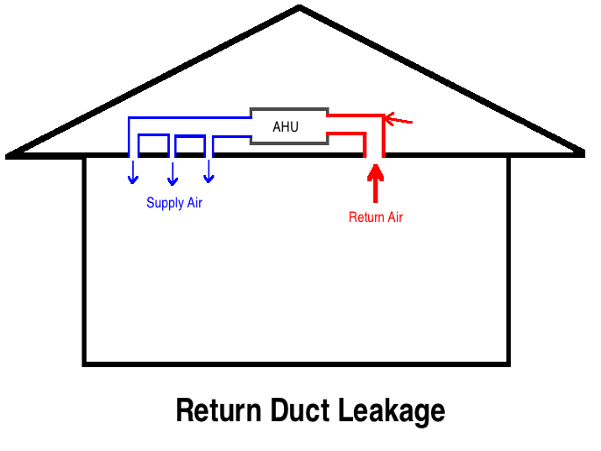
- Leaks: Leaks in return ducts can draw in unconditioned air from attics, basements, or crawl spaces, reducing the efficiency of your HVAC system and potentially introducing pollutants into your home.
- Improper Sizing: Similar to supply ducts, improperly sized return ducts can restrict airflow and reduce efficiency.
- Negative Pressure: If the return air system is inadequate, your home can develop negative pressure. This means that more air is being drawn out of the house than is being supplied, which can lead to drafts, difficulty closing doors, and increased infiltration of outdoor air.
The Importance of Balanced Airflow
For optimal comfort and efficiency, it's essential to have balanced airflow between the supply and return air systems. This means that the amount of air being supplied to each room should roughly equal the amount of air being returned. Imbalances can lead to:
- Uneven Temperatures: Some rooms may be too hot or too cold, while others are just right.
- Drafts: Negative pressure can create drafts as air is pulled in through cracks and openings.
- Increased Energy Bills: An inefficient HVAC system consumes more energy to maintain the desired temperature.
- HVAC System Strain: Imbalanced airflow can put strain on the blower motor and other components, potentially shortening the lifespan of your HVAC system.
Maintaining Your Ductwork: Tips for Homeowners
Here are some practical tips for maintaining your supply and return air duct systems:
- Regularly Replace Air Filters: Change your air filter every 1-3 months, or more frequently if you have pets or allergies.
- Keep Vents and Grilles Clear: Ensure that furniture, rugs, and other objects are not blocking supply and return air vents.
- Inspect Ductwork for Leaks: Visually inspect your ductwork for any visible cracks, gaps, or disconnected sections. You can use duct tape or mastic sealant to seal small leaks. For larger leaks, it's best to consult a professional.
- Consider Professional Duct Cleaning: If you suspect that your ducts are heavily contaminated with dust, allergens, or mold, consider hiring a professional duct cleaning service.
- Insulate Ductwork: If your ducts are located in unconditioned spaces, ensure that they are properly insulated.
- Schedule Regular HVAC Maintenance: Have your HVAC system inspected and maintained by a qualified technician at least once a year. The technician can identify and address any potential ductwork issues.
When to Call a Professional
While some ductwork maintenance tasks can be handled by homeowners, certain issues require the expertise of a qualified HVAC technician. Consider calling a professional if:
- You suspect significant air leaks in your ductwork.
- You have uneven temperatures throughout your home despite adjusting the thermostat.
- Your energy bills are unusually high.
- You suspect mold growth in your ductwork.
- You are experiencing persistent allergy or respiratory problems.
- You need to resize or redesign your ductwork.
By understanding the function of supply and return air ducts and following these maintenance tips, you can ensure that your HVAC system operates efficiently, provides comfortable temperatures, and helps you save money on energy bills. Remember that a well-maintained ductwork system is a critical component of a healthy and comfortable home.