Swing Check Valve Vs Spring Check Valve

Swing Check Valve vs. Spring Check Valve: Your Questions Answered
Check valves are essential components in many plumbing and industrial systems, preventing backflow and ensuring unidirectional flow. Two common types are swing check valves and spring check valves. This FAQ answers your most pressing questions about these valves, helping you understand their differences and choose the right one for your needs.
What is a check valve and why do I need one?
Simply put, a check valve is a one-way valve. It allows fluid (liquid or gas) to flow in only one direction and automatically prevents it from flowing backward. Think of it as a gatekeeper for your pipes. You need a check valve to:
- Prevent backflow: This is the primary purpose. Backflow can contaminate your water supply, damage equipment, or disrupt processes.
- Protect pumps: Backflow can damage pumps by causing them to run in reverse.
- Maintain pressure: In some systems, check valves help maintain a consistent pressure.
- Prevent siphoning: Useful in situations where siphoning needs to be avoided.
Frequently Asked Questions
1. What are the key differences between a swing check valve and a spring check valve?
The main difference lies in their operating mechanism:
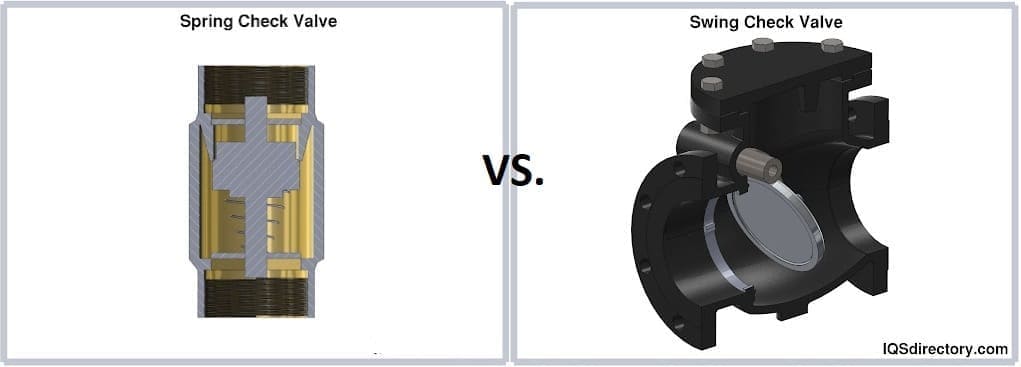
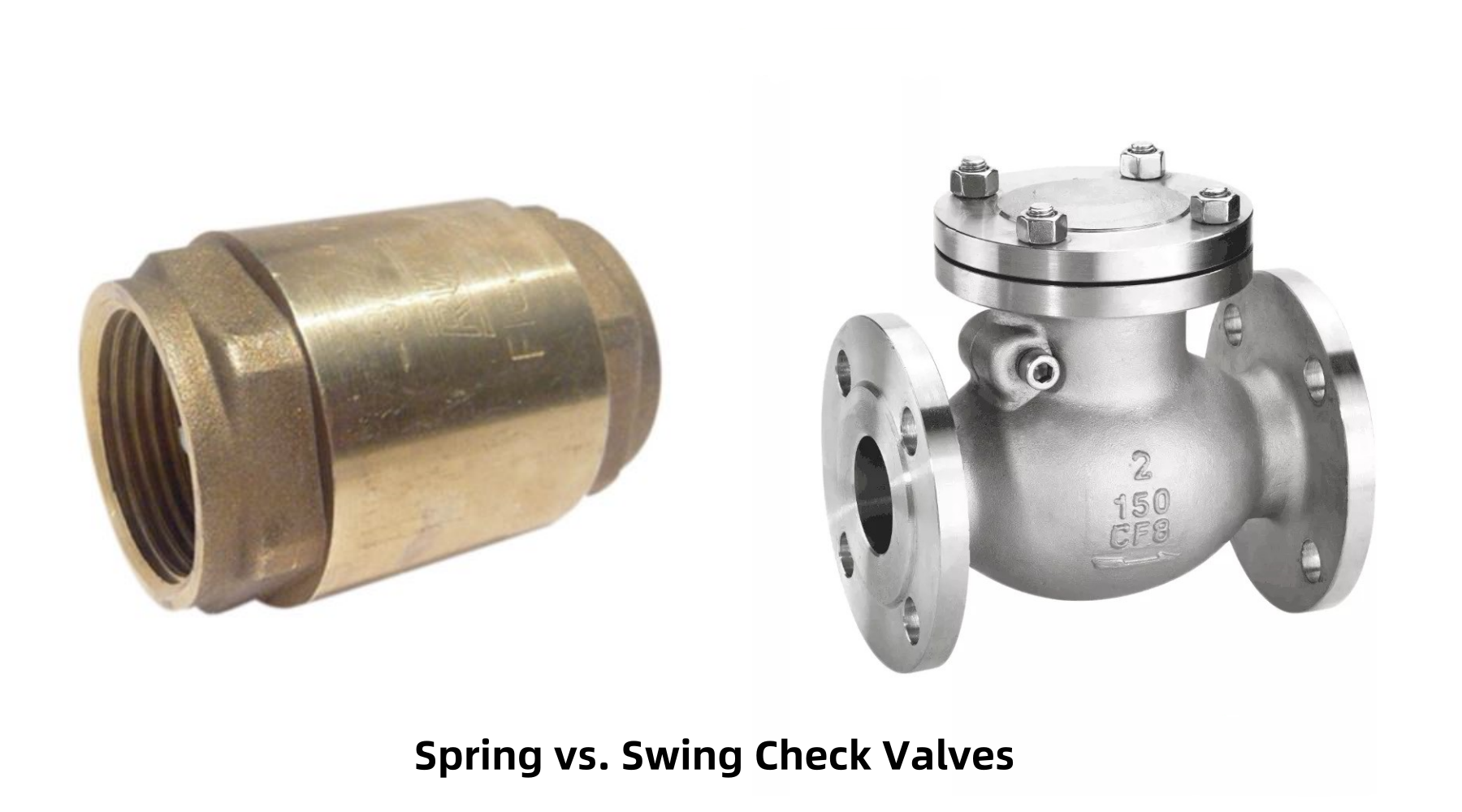
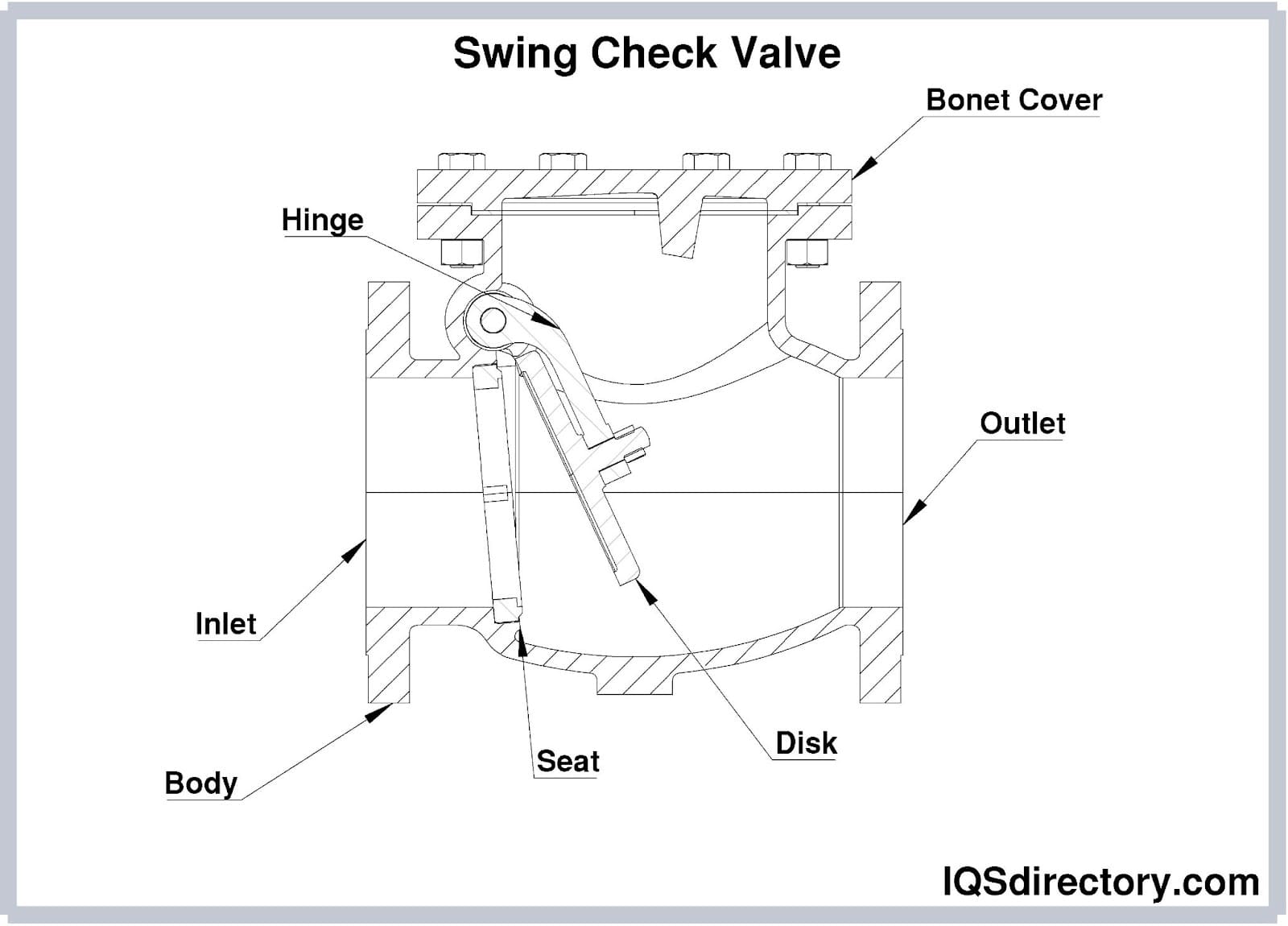
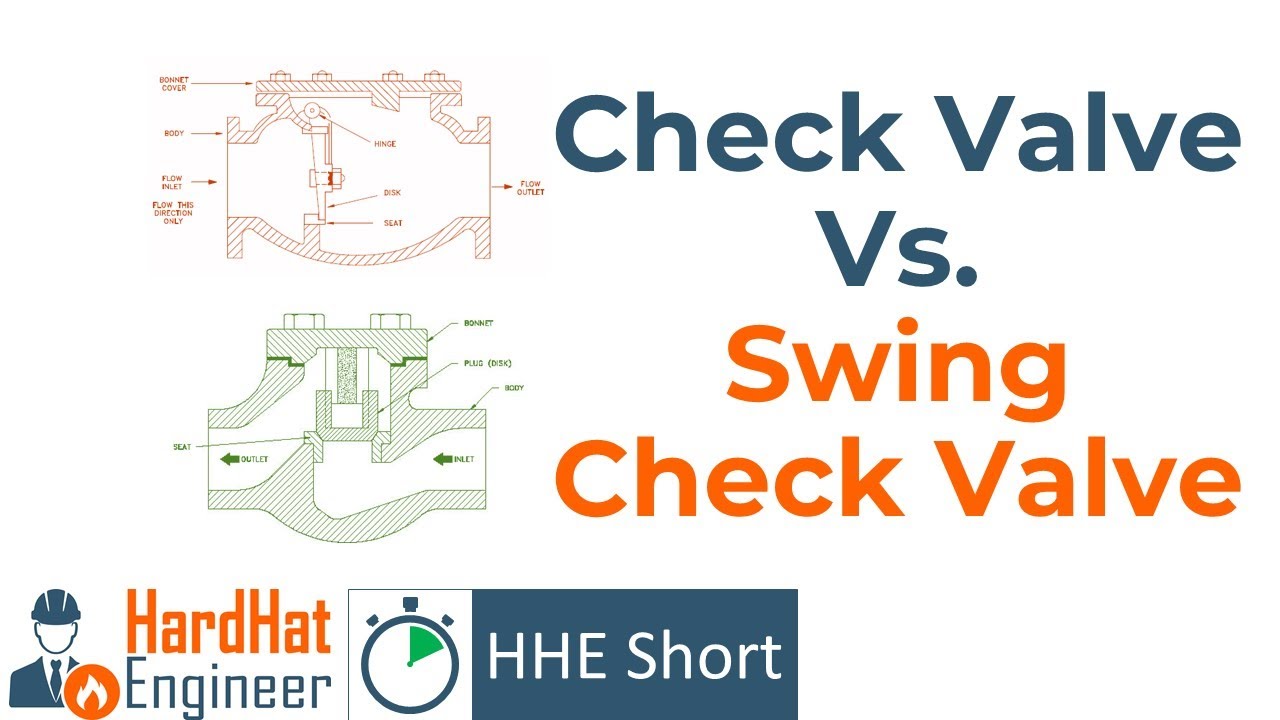
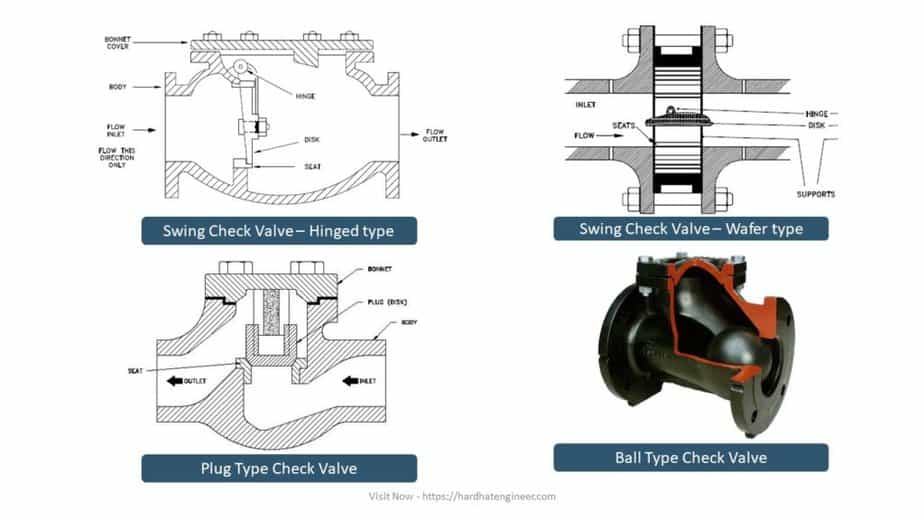
- Swing Check Valve: Uses a hinged disc (the "swing") that pivots open when fluid flows in the forward direction. When the flow stops or reverses, the disc swings back down, sealing the valve. Gravity often assists in closing the valve.
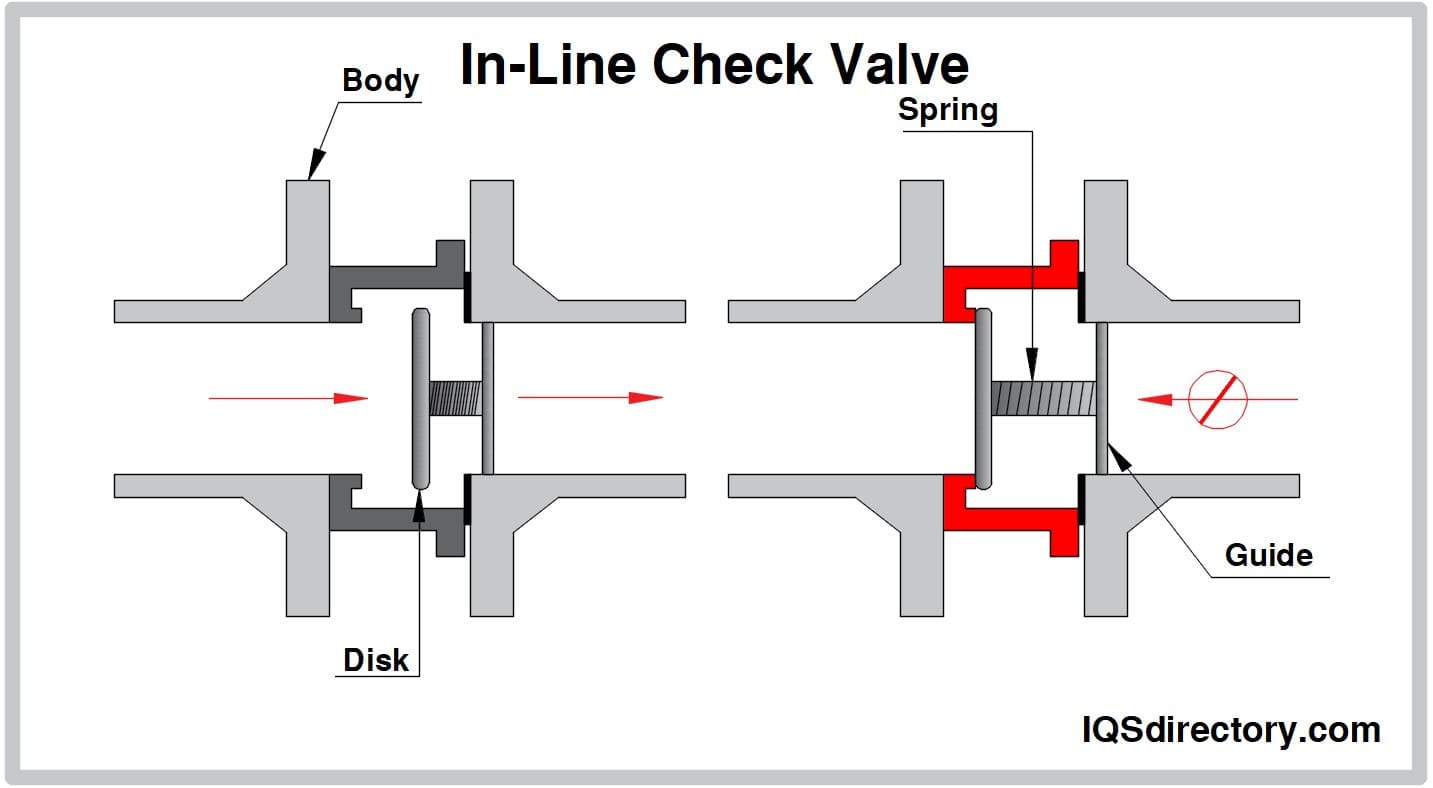
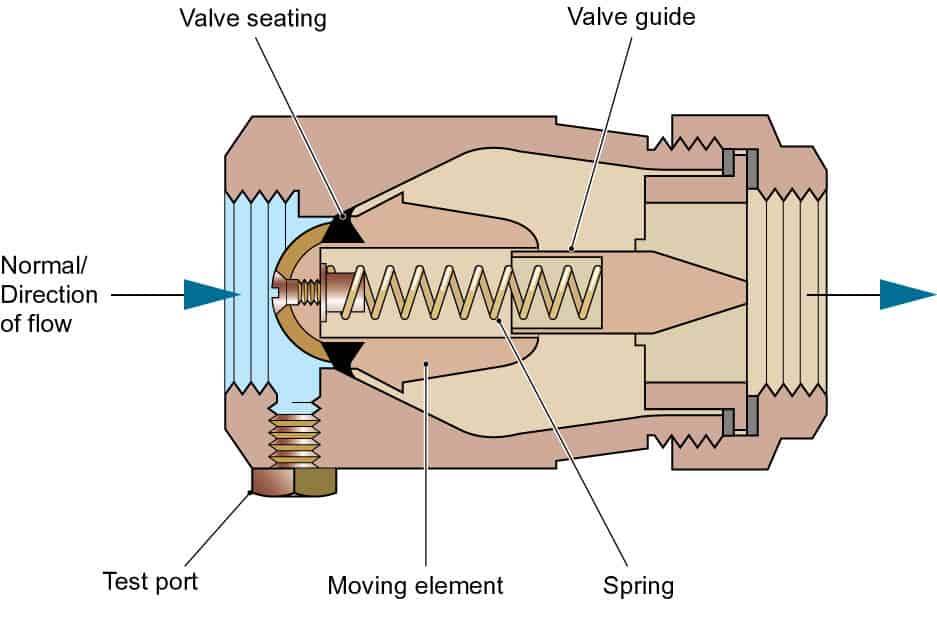
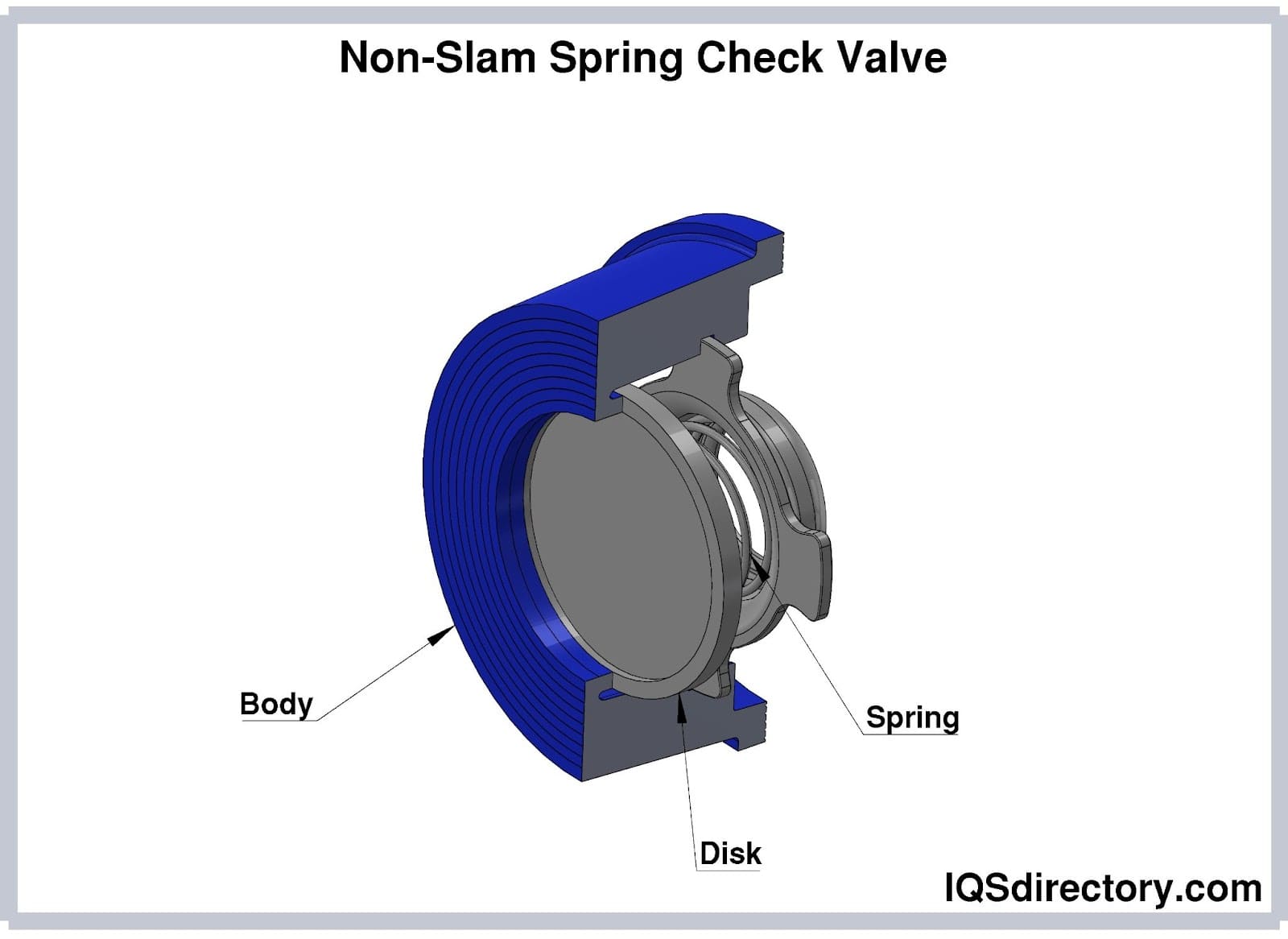
- Spring Check Valve: Employs a spring-loaded disc that is pushed open by the forward flow. When the flow stops or reverses, the spring forces the disc back onto the seat, sealing the valve.
Here's a table summarizing the key distinctions:
| Feature | Swing Check Valve | Spring Check Valve |
|---|---|---|
| Operating Mechanism | Hinged disc that swings open | Spring-loaded disc that pushes open |
| Closing Action | Gravity-assisted (can be slower) | Spring-assisted (faster) |
| Sensitivity to Backpressure | Less sensitive; requires minimal backpressure to close | More sensitive; spring provides a positive closing force |
| Orientation | Usually requires horizontal installation for optimal performance. Vertical installation possible with specific designs | Can be installed in any orientation (vertical, horizontal, angled) |
| Suitable Applications | Low-pressure, high-flow applications where quick closure isn't critical | High-pressure, low-flow applications where quick closure is essential |
| Potential for Water Hammer | Higher potential due to slower closing | Lower potential due to faster closing |
2. Which type of check valve is better for preventing water hammer?
Spring check valves are generally better at preventing water hammer. Water hammer is a pressure surge that occurs when a fluid in motion suddenly stops or changes direction. This often happens when a valve slams shut.
Because spring check valves use a spring to close quickly and positively, they reduce the risk of the fluid column suddenly stopping and creating a pressure surge. Swing check valves, on the other hand, rely on gravity (often augmented by back pressure) to close, which can be slower and lead to the disc slamming shut, causing water hammer. However, specialized swing check valves with features like dampened closing mechanisms exist to mitigate water hammer.
3. Can I install a swing check valve vertically? What about a spring check valve?
It depends. Swing check valves are typically designed for horizontal installation. This is because gravity is often crucial for the disc to swing closed. However, there are swing check valve designs specifically made for vertical installation, usually incorporating a spring assist to ensure proper closure against gravity.
Spring check valves are much more versatile in terms of installation orientation. They can be installed vertically, horizontally, or at an angle because the spring provides a positive closing force regardless of gravity. This makes them a better choice when installation space is limited or the piping runs vertically.
Always refer to the manufacturer's specifications for the specific valve you are using to ensure proper installation and operation.
4. Which type of check valve is more suitable for high-pressure systems? What about low-pressure systems?
Spring check valves are generally preferred for high-pressure systems. The spring provides a strong and reliable closing force, ensuring a tight seal even under high pressure. They are less prone to chattering or fluttering in high-pressure environments.
Swing check valves are often a good choice for low-pressure systems where a minimal pressure drop is desired. Because they rely on gravity and minimal back pressure to close, they offer less resistance to flow than spring check valves. They are also generally less expensive than spring check valves, making them a cost-effective option for low-pressure applications.
5. What are the common applications of swing check valves and spring check valves in residential or commercial settings?
Here are some common applications:
- Swing Check Valves:
- Sump pumps: Preventing backflow into the sump pit.
- Sewage ejector pumps: Preventing backflow into the sewage pit.
- Irrigation systems: Maintaining water flow direction.
- Water mains: Where a low-pressure drop is required.
- Spring Check Valves:
- Well pumps: Preventing backflow into the well.
- Boiler feed lines: Maintaining water flow to the boiler.
- Chemical injection systems: Preventing backflow of chemicals.
- High-rise buildings: Preventing backflow in water distribution systems.
- Any application where quick closure and positive sealing are critical.
6. Which type of check valve is easier to maintain or repair?
Swing check valves are often considered easier to maintain and repair due to their simpler design. They have fewer moving parts compared to spring check valves. Accessing the disc for cleaning or replacement is generally straightforward. However, the large size and weight of some swing check valves can make them challenging to handle.
Spring check valves can be more challenging to maintain. The spring can weaken or break over time, requiring replacement. The smaller size of some spring check valves can also make them difficult to disassemble and reassemble. However, their compact design can be advantageous in tight spaces.
Ease of maintenance can also depend on the specific design and quality of the valve. Valves with easily accessible components and readily available replacement parts will always be easier to maintain, regardless of the type.
7. How do I choose the right check valve for my specific application?
Choosing the right check valve involves considering several factors:
- Fluid type: The valve material must be compatible with the fluid being handled.
- Flow rate: Select a valve with a suitable flow coefficient (Cv) to minimize pressure drop.
- Pressure: Ensure the valve's pressure rating meets or exceeds the system's operating pressure.
- Temperature: Choose a valve material that can withstand the system's operating temperature.
- Installation orientation: Consider whether a horizontal or vertical installation is required.
- Closing speed: Determine whether a quick-closing valve is needed to prevent water hammer.
- Maintenance requirements: Consider the ease of maintenance and availability of replacement parts.
- Cost: Balance performance requirements with budget constraints.
Consult with a qualified plumbing professional or valve supplier to get expert advice on selecting the right check valve for your specific application. Provide them with details about your system's operating conditions, fluid type, and flow requirements. They can help you choose a valve that meets your needs and ensures reliable performance. Always remember to check local codes and regulations before installation.