Taco Air To Water Heat Pump

Frequently Asked Questions: Taco Air to Water Heat Pumps
Thinking about switching to an air-to-water heat pump? Taco's systems are a popular choice, and this FAQ will answer some common questions you might have before making the leap.
Q: What *exactly* is a Taco Air to Water Heat Pump, and how does it work?
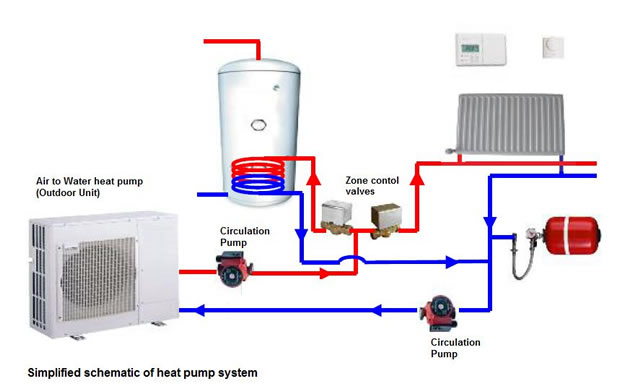
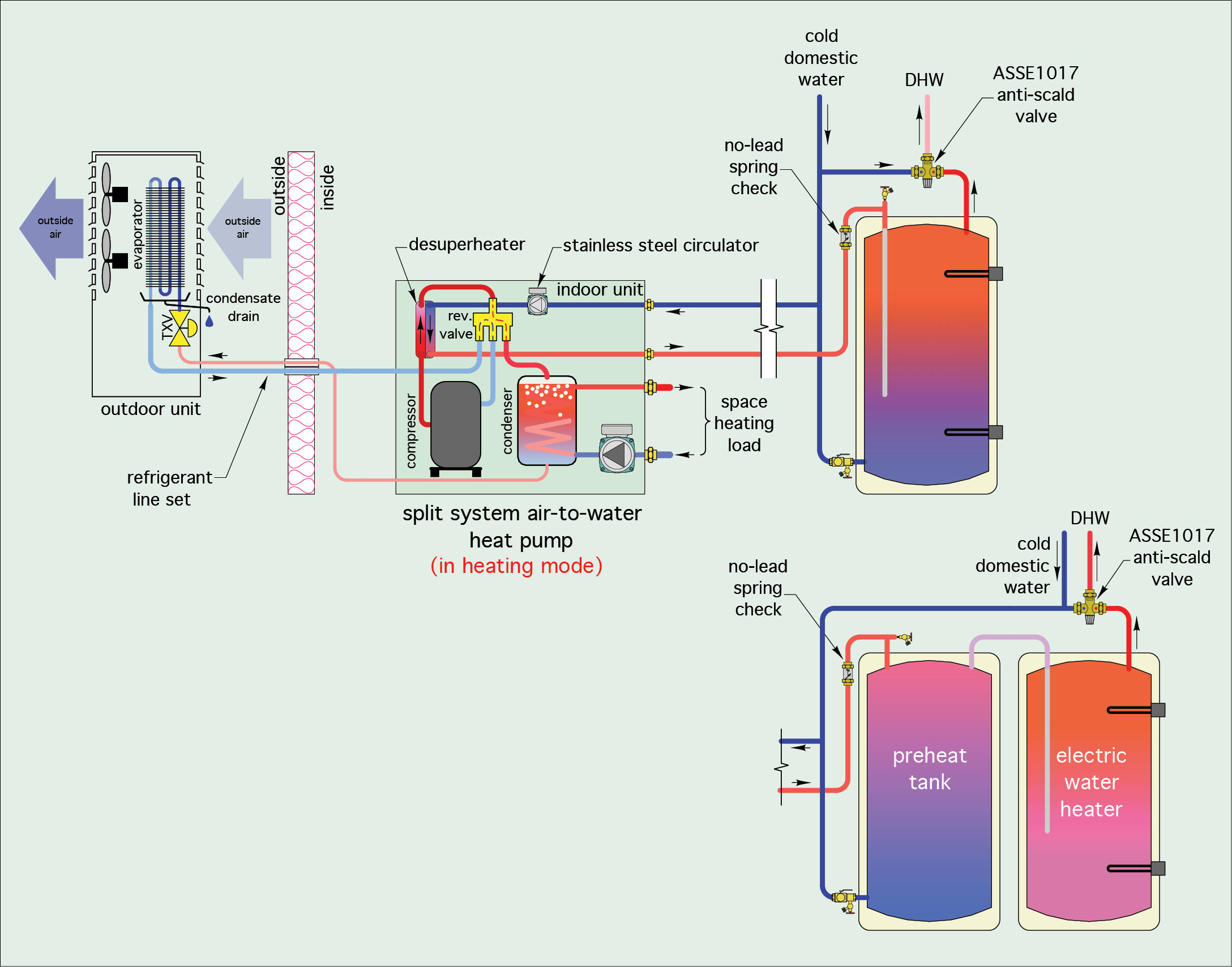
A Taco air-to-water heat pump is a system that transfers heat between the outside air and water used for heating and cooling your home or building. Think of it as a refrigerator in reverse. Instead of pulling heat out of a space, it pulls heat from the outside air (even in cold weather!) and uses it to warm water. This warm water can then be circulated through radiators, baseboard heaters, or radiant floor systems to provide heating. In the summer, the process is reversed, pulling heat from the water and releasing it outside for cooling.
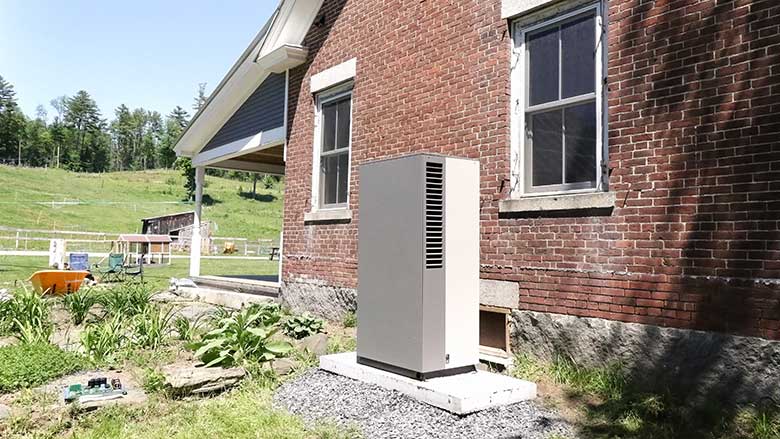
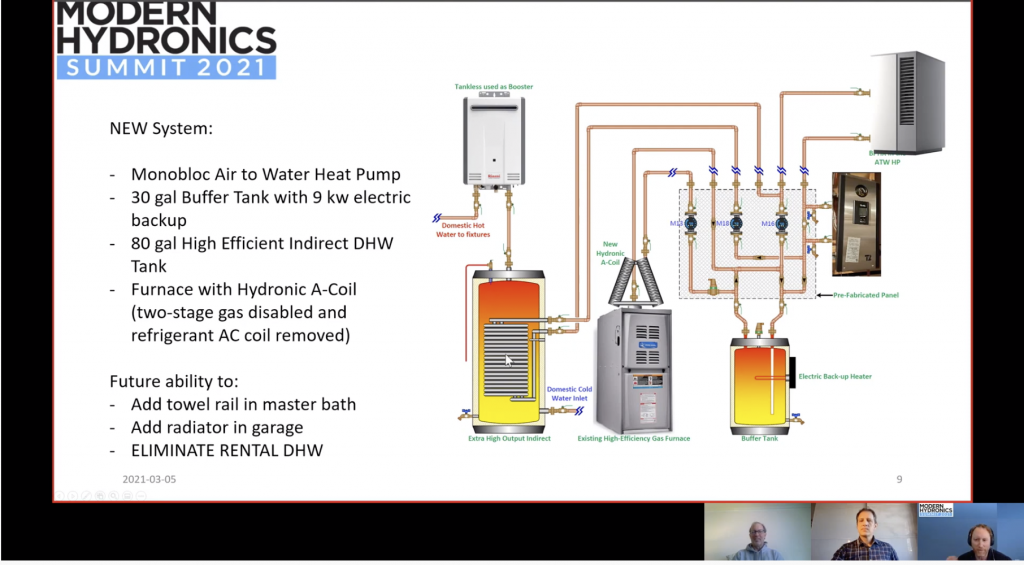
The system typically includes an outdoor unit (the heat pump itself) and an indoor unit (often a hydro-air handler or a connection to your existing hydronic heating system). It's a very energy-efficient alternative to traditional heating and cooling systems like furnaces and air conditioners, and it is known for its quiet operation.
Q: What are the key benefits of choosing a Taco Air to Water Heat Pump system?
There are several compelling reasons to consider a Taco air-to-water heat pump:
- Energy Efficiency: Heat pumps are far more energy-efficient than traditional furnaces and air conditioners. They move heat rather than generate it, requiring less energy to operate. This translates to significant savings on your energy bills.
- Cost Savings: While the initial investment can be higher, the long-term operating costs are typically much lower due to the reduced energy consumption. Many regions also offer rebates and incentives for installing heat pumps, further reducing the upfront cost.
- Year-Round Comfort: A single system provides both heating and cooling, eliminating the need for separate furnace and air conditioner units.
- Environmental Friendliness: By using electricity instead of fossil fuels for heating, heat pumps reduce your carbon footprint.
- Quiet Operation: Taco air-to-water heat pumps are known for their quiet operation compared to traditional furnaces and air conditioners.
- Precise Zone Control: Compatible with zone control systems, allowing customized temperature settings in different areas of your home.
- Increased Home Value: Installing an energy-efficient heating and cooling system can increase the value of your home.
Q: Is a Taco Air to Water Heat Pump suitable for my climate? How well do they perform in cold weather?
Modern air-to-water heat pumps, including Taco's, are designed to perform effectively even in cold climates. While older models struggled in very low temperatures, advancements in technology have significantly improved their cold-weather performance.
Taco heat pumps utilize features like variable speed compressors and advanced defrost cycles to maintain heating capacity even when the outside temperature drops below freezing. However, it's crucial to choose a model that is appropriately sized for your climate and heating needs. A qualified HVAC professional can assess your specific requirements and recommend the right system.
For extremely cold climates (consistently below 0°F), a supplemental heat source may be necessary to maintain comfortable temperatures during peak demand. This could be an electric resistance heater or, in some cases, an existing furnace.
Key factors to consider:
- Climate Zone: Determine your climate zone and choose a heat pump with a suitable heating capacity for that zone.
- HSPF (Heating Seasonal Performance Factor): Look for a heat pump with a high HSPF rating, which indicates its heating efficiency.
- Minimum Operating Temperature: Check the minimum operating temperature of the heat pump to ensure it can perform effectively in your coldest weather conditions.
- Professional Installation: Proper installation is crucial for optimal performance, especially in cold climates.
Q: How much does a Taco Air to Water Heat Pump system cost to install, and what are the ongoing operating costs?
The cost of installing a Taco air-to-water heat pump system can vary significantly depending on several factors:
- Size of the System: The size of the heat pump needed to heat and cool your home or building is the primary cost driver. Larger systems are more expensive.
- Complexity of the Installation: Existing ductwork (if any), the layout of your home, and the complexity of connecting to your existing hydronic system can all impact the installation cost.
- Model and Features: Higher-end models with advanced features like variable speed compressors and smart controls will typically cost more.
- Location: Labor costs can vary depending on your geographic location.
- Existing Infrastructure: If you need to upgrade your electrical panel to accommodate the heat pump, that will add to the overall cost.
As a general estimate, you can expect to pay anywhere from $8,000 to $20,000+ for a complete Taco air-to-water heat pump system installation. It's essential to get quotes from several qualified HVAC contractors to get an accurate estimate for your specific situation.
Operating costs will be lower than traditional heating and cooling systems due to the higher energy efficiency of heat pumps. Factors affecting operating costs include:
- Electricity Rates: Your local electricity rates will directly impact your operating costs.
- Usage Patterns: How frequently and intensely you use the heating and cooling system will affect your energy consumption.
- Insulation: Proper insulation in your home will reduce the amount of heating and cooling required, lowering your operating costs.
- Maintenance: Regular maintenance will ensure that your heat pump operates efficiently.
To get a better idea of potential savings, use online energy calculators to estimate the energy consumption of a heat pump compared to your current system, considering your local electricity rates.
Q: What is the typical lifespan of a Taco Air to Water Heat Pump, and what maintenance is required?
With proper maintenance, a Taco air-to-water heat pump can last for 15 to 20 years or even longer. Regular maintenance is crucial to ensure its longevity and optimal performance.
Here are some essential maintenance tasks:
- Regular Filter Changes: Change the air filters in the indoor unit every 1-3 months, depending on usage and air quality. Clogged filters reduce airflow and can strain the system.
- Coil Cleaning: Clean the outdoor unit's coils at least once a year. Dirt and debris can accumulate on the coils, reducing their ability to transfer heat. A garden hose can be used to gently rinse the coils.
- Professional Inspection: Schedule a professional inspection and tune-up every year or two. A qualified HVAC technician can inspect the system for leaks, check refrigerant levels, lubricate moving parts, and identify any potential problems.
- Check Refrigerant Levels: Low refrigerant levels can significantly reduce the efficiency of the heat pump. A technician can check and recharge the refrigerant as needed.
- Inspect Ductwork (if applicable): If your system uses ductwork, inspect it for leaks and damage. Seal any leaks to prevent energy loss.
- Clear Debris Around Outdoor Unit: Ensure that the area around the outdoor unit is clear of vegetation, snow, and other debris that could obstruct airflow.
- Monitor Performance: Pay attention to the system's performance. If you notice any unusual noises, reduced heating or cooling capacity, or increased energy bills, contact a qualified HVAC technician.
Following these maintenance tips will help ensure that your Taco air-to-water heat pump operates efficiently and reliably for many years to come. Refer to your owner's manual for specific maintenance recommendations for your model.
Q: How do I choose the right size Taco Air to Water Heat Pump for my home or building?
Choosing the right size heat pump is crucial for optimal performance and efficiency. An undersized system will struggle to heat or cool your space effectively, while an oversized system can lead to short cycling (frequent on-off cycles), which can reduce efficiency and shorten the lifespan of the equipment.
Never rely on guesswork! The best way to determine the correct size is to have a qualified HVAC professional perform a Manual J load calculation. This calculation takes into account various factors, including:
- Square Footage: The size of the area to be heated and cooled.
- Climate: The climate zone and average temperatures in your area.
- Insulation Levels: The insulation levels in your walls, ceilings, and floors.
- Window Size and Type: The size and type of windows in your home.
- Orientation: The orientation of your home and the amount of sunlight it receives.
- Air Leakage: The amount of air leakage in your home.
- Number of Occupants: The number of people who typically occupy the space.
- Lighting and Appliance Load: The heat generated by lighting and appliances.
By considering all of these factors, a Manual J load calculation can accurately determine the heating and cooling load for your home. This will allow the HVAC professional to recommend a Taco air-to-water heat pump that is properly sized for your needs. Do not skip this step!
Q: Are there any common problems associated with Taco Air to Water Heat Pumps, and how are they addressed?
While Taco air-to-water heat pumps are generally reliable, like any mechanical system, they can experience occasional problems. Here are some common issues and how they are typically addressed:
- Refrigerant Leaks: Refrigerant leaks can reduce the efficiency of the heat pump and eventually lead to complete failure. Solution: A qualified HVAC technician can locate and repair the leak and recharge the refrigerant.
- Frozen Coils: In cold weather, the outdoor coils can freeze up, especially if the defrost cycle is not functioning properly. Solution: Ensure that the defrost cycle is working correctly. If the coils are repeatedly freezing, there may be an underlying problem, such as a refrigerant leak or a faulty defrost sensor.
- Compressor Failure: The compressor is the heart of the heat pump, and failure can be a major issue. Solution: Compressor failures are often due to overheating, electrical problems, or refrigerant issues. Replacement of the compressor is usually necessary.
- Fan Motor Problems: The fan motors in the indoor and outdoor units can fail due to wear and tear or electrical problems. Solution: Replace the faulty fan motor.
- Clogged Filters: Clogged air filters can restrict airflow and reduce efficiency. Solution: Change the air filters regularly.
- Electrical Issues: Electrical problems, such as faulty wiring or tripped circuit breakers, can cause the heat pump to malfunction. Solution: Have a qualified electrician inspect the electrical system and make any necessary repairs.
- Defrost Issues: A malfunctioning defrost cycle can lead to ice buildup on the outdoor coils, reducing efficiency. Solution: Check the defrost sensor, defrost timer, and defrost heater. Replace any faulty components.
Regular maintenance can help prevent many of these problems. If you experience any issues with your Taco air-to-water heat pump, contact a qualified HVAC technician for diagnosis and repair. Document any error codes or unusual behavior to help the technician troubleshoot the problem more effectively.