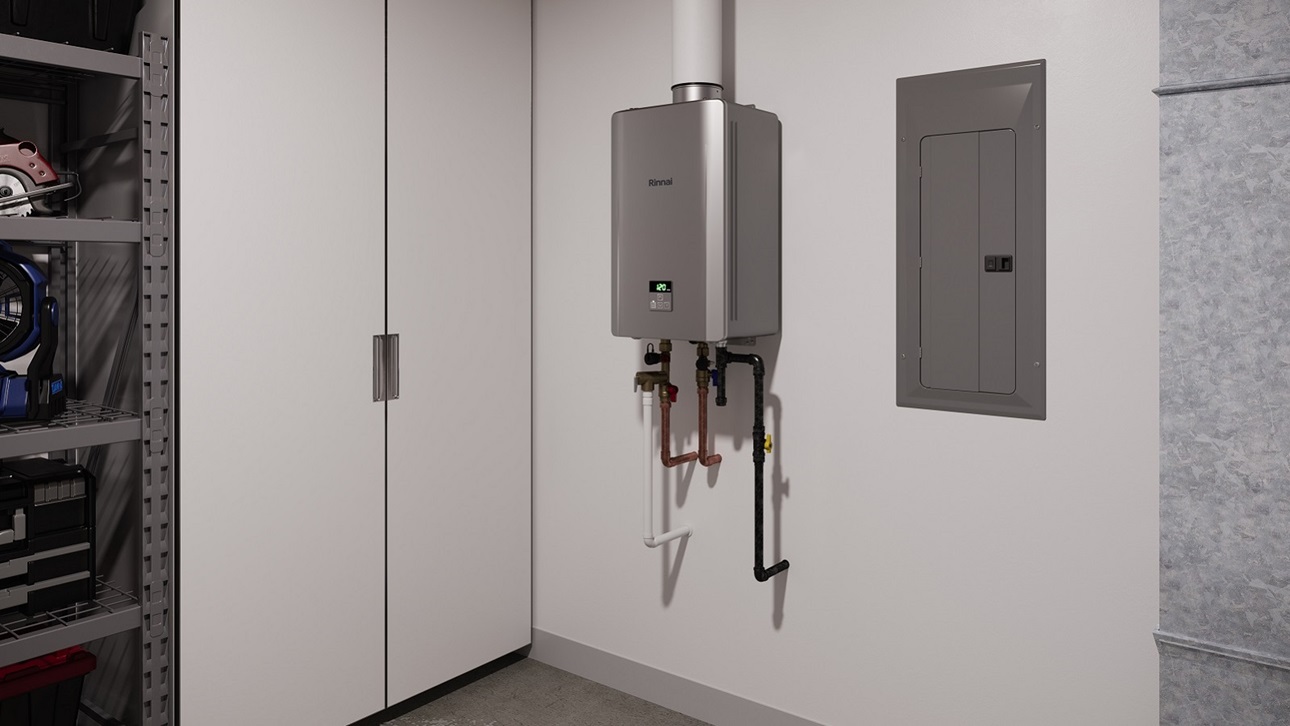
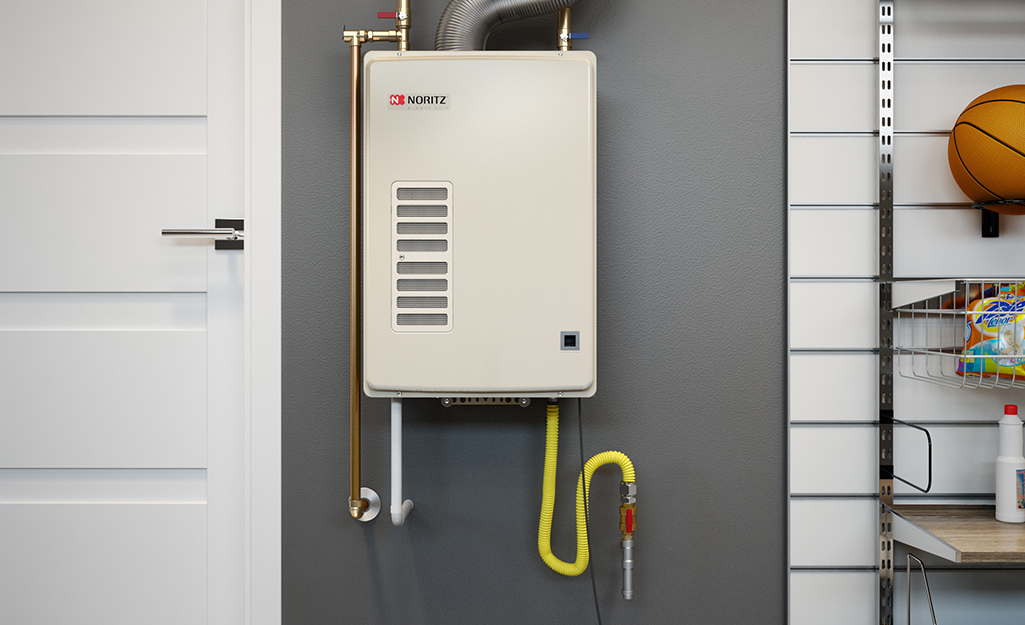
Tankless Natural Gas Hot Water Heater
Waking up to a cold shower is a frustrating experience, and when it happens unexpectedly with a tankless natural gas hot water heater, it can feel particularly bewildering. Before you panic and call a plumber, there are a few simple troubleshooting steps you can take to potentially identify and resolve the issue yourself. This guide will walk you through a systematic process, emphasizing safety and helping you determine when professional help is needed.
Understanding the Problem: Common Tankless Heater Issues
Tankless water heaters, while generally reliable, can experience various problems. Some common culprits include:
- No Hot Water at All: This could indicate a complete shutdown of the unit.
- Intermittent Hot Water: Hot water comes and goes, or only lasts for a short period.
- Lukewarm Water: The water isn't getting as hot as it should be.
- Error Codes: The unit's display shows an error code.
- Unusual Noises: Banging, popping, or other strange sounds emanating from the unit.
Safety First! Important Precautions
Before you begin any troubleshooting, prioritize your safety:
- Turn Off the Gas Supply: Locate the gas shut-off valve near the water heater and turn it to the "off" position. This is a crucial safety measure.
- Turn Off the Power: If the unit requires electricity (for the control panel or fan), turn off the circuit breaker that controls the water heater.
- Never Work on Gas Lines Yourself: If you suspect a gas leak, immediately evacuate the area and call your gas company or a qualified HVAC technician. Gas leaks are extremely dangerous.
Step-by-Step Troubleshooting Guide
1. Check the Power Supply
Even gas-powered tankless heaters often require electricity for their control systems. Make sure the unit is receiving power.
- Verify the Circuit Breaker: Check the circuit breaker in your electrical panel. If it's tripped (in the "off" or middle position), reset it by switching it fully to the "off" position and then back to the "on" position.
- Inspect the Power Cord: If the unit has a power cord, check for any damage or loose connections.
- Test the Outlet: Use a multimeter or a known-good appliance (like a lamp) to test the outlet the water heater is plugged into. If the outlet isn't working, there may be an electrical issue that requires professional attention.
2. Examine the Gas Supply
If the unit has power, the next step is to ensure it's receiving gas.
- Check the Gas Shut-Off Valve: Make sure the gas shut-off valve near the water heater is in the "on" position. The handle should be parallel to the gas pipe.
- Check Other Gas Appliances: Verify that other gas appliances in your home (e.g., stove, furnace) are working. If none of them are working, there may be a problem with your main gas supply. Contact your gas company immediately.
- Look for Obstructions: Inspect the gas line leading to the water heater for any visible obstructions or kinks.
3. Review the Water Heater Settings
Incorrect settings can often be the cause of hot water problems.
- Temperature Setting: Ensure the temperature setting on the water heater is set to your desired temperature. A setting that's too low will result in lukewarm water.
- Flow Rate Activation: Tankless heaters require a certain flow rate to activate. If the flow rate is too low, the heater won't turn on. Try turning the hot water faucet on fully. If the heater still doesn't activate, you may have a flow rate issue.
- Check for Error Codes: Consult your water heater's manual to identify the meaning of any error codes displayed on the unit. The manual will often provide troubleshooting steps for specific error codes.
4. Inspect the Water Filter
Many tankless water heaters have a water filter to prevent sediment and debris from entering the unit. A clogged filter can restrict water flow and cause problems.
- Locate the Filter: The filter is typically located on the cold water inlet pipe to the water heater. Consult your owner’s manual if you're unsure of its location.
- Turn Off the Water Supply: Before removing the filter, turn off the cold water supply to the water heater.
- Remove and Clean the Filter: Carefully remove the filter and inspect it for debris. Clean the filter thoroughly with water and a brush. If the filter is heavily clogged or damaged, replace it with a new one.
- Reinstall the Filter: Reinstall the cleaned or replaced filter, ensuring it's properly seated and sealed. Turn the water supply back on and check for leaks.
5. Check for Mineral Buildup (Scale)
Hard water can cause mineral buildup (scale) inside the water heater, which can reduce its efficiency and lifespan. If you live in an area with hard water, descaling your tankless water heater regularly is essential.
- Descaling Procedure: Descaling typically involves circulating a descaling solution (vinegar or a commercially available descaling product) through the water heater. This process can be complex and requires specific equipment. Refer to your owner's manual for specific instructions and precautions. If you're not comfortable performing this task yourself, it's best to hire a qualified technician.
6. Inspect the Venting System
Proper venting is crucial for safe and efficient operation of a tankless natural gas water heater. A blocked or damaged vent can cause the unit to malfunction and, in severe cases, lead to carbon monoxide poisoning.
- Visual Inspection: Examine the vent pipes for any visible obstructions, such as bird nests, leaves, or debris.
- Check for Disconnections: Ensure that all vent pipe connections are secure and properly sealed.
- Listen for Unusual Sounds: If you hear whistling or other unusual sounds coming from the vent, it could indicate a blockage or leak.
- Carbon Monoxide Detector: Ensure you have a working carbon monoxide detector installed near the water heater. This is a critical safety measure.
- If you suspect a problem with the venting system, immediately contact a qualified HVAC technician. Carbon monoxide poisoning is a serious hazard.
When to Call a Professional
While some troubleshooting steps can be performed by homeowners, certain repairs require the expertise of a qualified professional. It's important to know when to call for help:
- Gas Leaks: If you suspect a gas leak, evacuate the area immediately and call your gas company or a qualified HVAC technician.
- Electrical Problems: If you're not comfortable working with electricity, or if you suspect a serious electrical problem, call a qualified electrician.
- Complex Repairs: Repairs involving internal components of the water heater, such as the gas valve, heat exchanger, or circuit board, should be left to a professional.
- Venting Issues: If you suspect a problem with the venting system, contact a qualified HVAC technician.
- Descaling: If you are uncomfortable performing the descaling process, contact a qualified technician.
- Warranty Concerns: If your water heater is still under warranty, attempting to repair it yourself may void the warranty. Contact the manufacturer or a qualified service technician for warranty repairs.
Basic Part Replacements (Proceed with Caution)
Some simple part replacements can be performed by homeowners with basic mechanical skills. However, proceed with caution and always follow the manufacturer's instructions.
- Water Filter: Replacing a clogged water filter is a relatively simple task, as described above.
- Temperature Sensor: If you suspect a faulty temperature sensor, you may be able to replace it yourself. However, ensure you purchase the correct replacement sensor for your model of water heater and follow the manufacturer's instructions carefully.
- Flow Sensor: A faulty flow sensor can prevent the water heater from activating. Replacing the flow sensor may be possible, but it's important to ensure you purchase the correct replacement part and follow the manufacturer's instructions carefully.
Important Note: Before replacing any parts, turn off the gas and power supply to the water heater. Take pictures of the existing wiring and connections before disconnecting anything, to ensure you can reconnect everything correctly. If you're not comfortable performing any of these tasks, it's best to call a qualified technician.
Preventive Maintenance Tips
Regular preventive maintenance can help extend the life of your tankless water heater and prevent problems from occurring in the first place.
- Descale Regularly: Descale your water heater at least once a year, or more frequently if you live in an area with hard water.
- Clean or Replace the Water Filter: Clean or replace the water filter every 6 months.
- Inspect the Venting System: Inspect the venting system annually for any obstructions or damage.
- Schedule Professional Maintenance: Consider scheduling professional maintenance for your water heater every 2-3 years. A qualified technician can inspect the unit, clean it, and identify any potential problems before they become major issues.
Empowerment and Confidence
By following these troubleshooting steps, you can potentially identify and resolve common issues with your tankless natural gas hot water heater. Remember to prioritize safety and call a professional when necessary. With a little knowledge and effort, you can keep your water heater running smoothly and enjoy hot showers for years to come. Understanding your appliance and taking proactive steps will help you feel more confident and in control.