Tankless Water Heater Condensing Vs Non

Tankless Water Heater Showdown: Condensing vs. Non-Condensing – Which is Right for You?
Tankless water heaters, also known as on-demand water heaters, have gained significant popularity as homeowners seek energy-efficient and space-saving alternatives to traditional tank-style heaters. But choosing the right tankless system involves understanding the key differences between condensing and non-condensing models. This guide breaks down the pros, cons, features, pricing, and maintenance considerations to help you make an informed decision.
Understanding the Technology
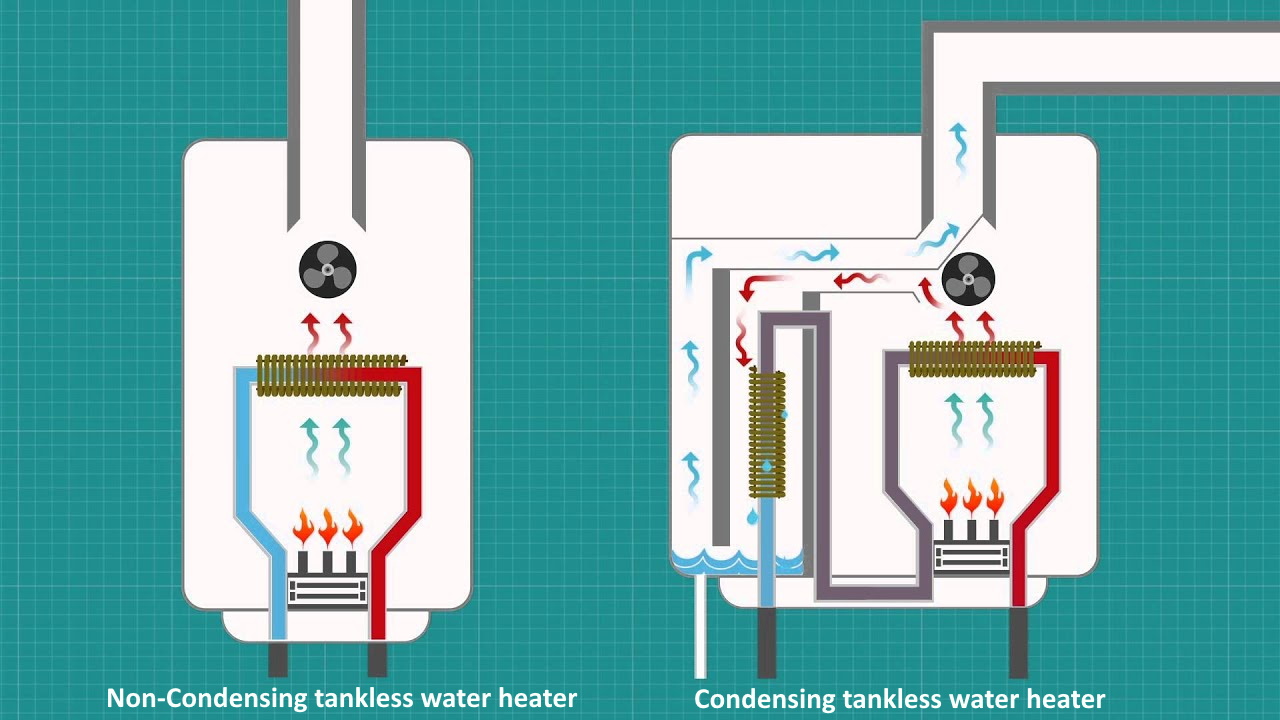
Both condensing and non-condensing tankless water heaters heat water directly without the need for a storage tank. When a hot water tap is turned on, cold water flows through a high-powered burner, instantly heating the water to the desired temperature. The fundamental difference lies in how they handle exhaust gases.
- Non-Condensing Tankless Water Heaters: These models vent exhaust gases directly out of the home at a relatively high temperature. They are simpler in design and typically less expensive to purchase.
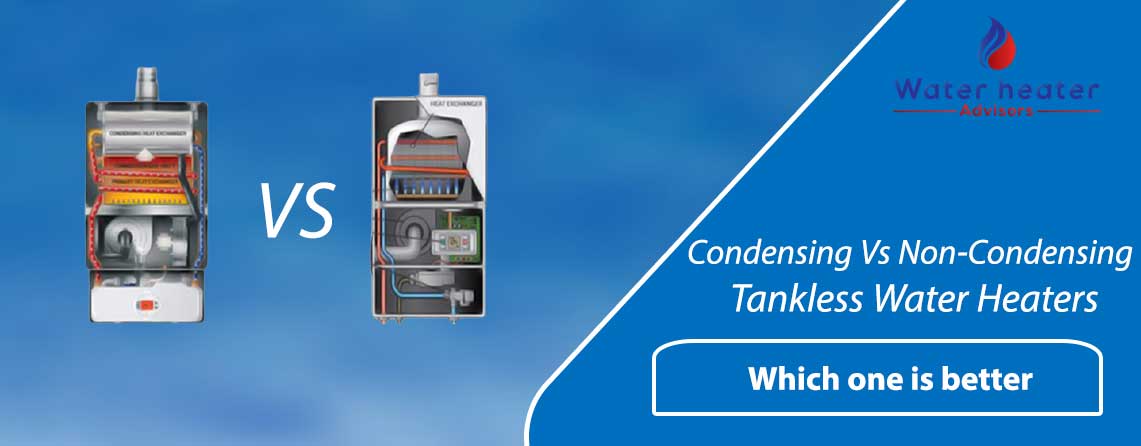
- Condensing Tankless Water Heaters: These models utilize a secondary heat exchanger to capture additional heat from the exhaust gases before they are vented. This process cools the exhaust, causing water vapor to condense. This recovered heat is then used to preheat the incoming cold water, resulting in higher energy efficiency.
Condensing Tankless Water Heaters: The Efficiency Champion
Pros:
- Higher Energy Efficiency: The defining advantage. Condensing models boast higher Energy Factor (EF) ratings, often exceeding 0.90, compared to non-condensing models that typically range from 0.60 to 0.80. This translates to significant long-term savings on energy bills.
- Lower Exhaust Temperatures: Cooler exhaust allows for venting with PVC pipe, which is less expensive and easier to install than the stainless steel venting required for non-condensing models.
- Environmentally Friendly: By extracting more heat from the combustion process, condensing units release fewer greenhouse gases into the atmosphere.
- Potential Rebates: Due to their higher efficiency, condensing models are often eligible for rebates from utility companies and government programs.
Cons:
- Higher Upfront Cost: Condensing tankless water heaters generally have a higher purchase price than their non-condensing counterparts.
- More Complex Installation: Installation can be more complex due to the need for a condensate drain to remove the water produced during the condensing process.
- Potentially Higher Maintenance: The secondary heat exchanger may require more frequent cleaning and maintenance to ensure optimal performance.
Key Features:
- Secondary Heat Exchanger: The core component responsible for capturing waste heat.
- Condensate Drain: Essential for removing the acidic condensate produced during the condensing process.
- Advanced Controls: Often equipped with sophisticated electronic controls for precise temperature settings and diagnostic information.
Non-Condensing Tankless Water Heaters: The Budget-Friendly Option
Pros:
- Lower Upfront Cost: A more affordable initial investment, making them attractive for budget-conscious homeowners.
- Simpler Installation: Generally easier and less expensive to install, especially in retrofit situations where existing venting can be utilized.
- Fewer Moving Parts: Simpler design may translate to fewer potential maintenance issues over the long term.
Cons:
- Lower Energy Efficiency: Lower EF ratings result in higher energy bills compared to condensing models.
- Higher Exhaust Temperatures: Requires more expensive stainless steel venting due to the higher temperature of the exhaust gases.
- Less Environmentally Friendly: Produces more greenhouse gas emissions due to lower combustion efficiency.
- Fewer Rebates: Less likely to qualify for rebates or incentives.
Key Features:
- Direct Venting: Exhaust gases are vented directly outside the home.
- Robust Burner: Designed for efficient and reliable heating of water.
- Electronic Ignition: Provides reliable and efficient ignition of the burner.
Comparing Popular Brands and Models
Several reputable manufacturers offer both condensing and non-condensing tankless water heaters. Here's a brief overview of some popular brands and models:
- Rinnai: A leading manufacturer known for its reliable and innovative tankless water heaters. The Rinnai RUR Series (condensing) and Rinnai V Series (non-condensing) are popular choices.
- Noritz: Offers a wide range of tankless models, including the Noritz NRC Series (condensing) and Noritz EZ Series (non-condensing), designed for easy replacement of traditional tank heaters.
- Navien: Known for its high-efficiency condensing tankless water heaters. The Navien NPE Series is a popular choice, offering advanced features and exceptional performance.
- Takagi: A reliable brand with a range of both condensing and non-condensing models. The Takagi T-H3 Series (condensing) and Takagi T-K4 Series (non-condensing) are well-regarded options.
When comparing models, pay close attention to the following:
- Flow Rate (GPM): Ensure the unit can provide sufficient hot water for your household's needs. Consider peak demand scenarios, such as multiple showers running simultaneously.
- Energy Factor (EF): A higher EF rating indicates greater energy efficiency.
- BTU Input: Higher BTU input indicates greater heating capacity.
- Warranty: Compare warranty terms and conditions offered by different manufacturers.
Pricing and Installation Costs
The cost of a tankless water heater varies depending on the model, brand, and installation complexity. Generally, condensing models are more expensive upfront.
- Non-Condensing: Units typically range from $800 to $1500, with installation costs ranging from $500 to $1000.
- Condensing: Units typically range from $1200 to $2500, with installation costs ranging from $700 to $1500.
Installation costs can vary depending on factors such as:
- Existing Plumbing: Modifications to existing plumbing can increase installation costs.
- Venting Requirements: Condensing models can use less expensive PVC venting, while non-condensing models require stainless steel venting.
- Electrical Requirements: Some models require dedicated electrical circuits.
- Condensate Drain: Condensing models require a condensate drain, which may require additional plumbing work.
Important Note: Always hire a qualified and licensed plumber to install your tankless water heater to ensure proper and safe operation.
Warranty and Maintenance
Tankless water heaters typically come with a limited warranty that covers parts and labor. Warranty periods can vary depending on the manufacturer and model. Be sure to read the warranty terms and conditions carefully.
Regular maintenance is essential for ensuring the longevity and efficiency of your tankless water heater. Recommended maintenance tasks include:
- Flushing: Periodic flushing to remove mineral buildup. This is especially important in areas with hard water.
- Cleaning the Burner: Cleaning the burner to remove debris and ensure proper combustion.
- Inspecting Venting: Inspecting the venting system for obstructions or leaks.
- Checking Connections: Regularly checking all plumbing and electrical connections.
Consider scheduling annual maintenance with a qualified technician to ensure optimal performance and prevent potential problems.
Making the Right Choice
Choosing between a condensing and non-condensing tankless water heater depends on your specific needs and priorities. Consider the following factors:
- Budget: If upfront cost is a major concern, a non-condensing model may be a more suitable option.
- Energy Efficiency: If you prioritize long-term energy savings and environmental responsibility, a condensing model is the clear choice.
- Installation Complexity: Consider the complexity of installation and the potential costs associated with venting and condensate drainage.
- Hot Water Demand: Ensure the chosen model can meet your household's hot water demand.
- Local Climate: In colder climates, the higher efficiency of a condensing model may provide greater energy savings.
By carefully evaluating these factors and comparing different models, you can select the tankless water heater that best meets your needs and budget. Remember to consult with a qualified HVAC professional or plumber for personalized recommendations and expert installation.
Disclaimer: Pricing and specifications mentioned in this article are for general informational purposes only and are subject to change. Always verify current pricing and specifications with your local dealers or manufacturers.