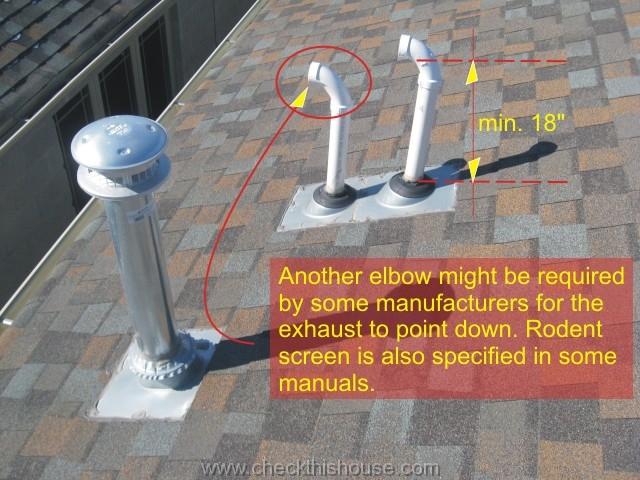
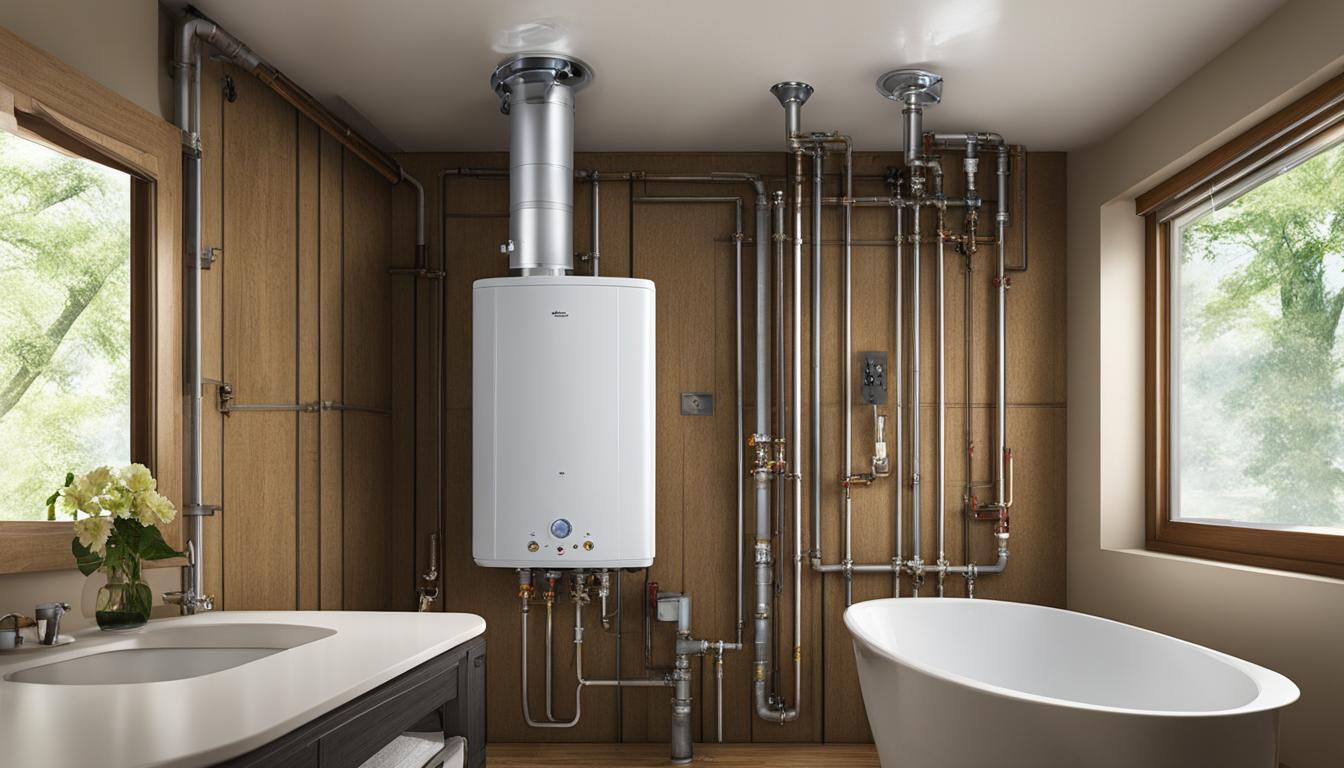
Tankless Water Heater Venting Through Roof
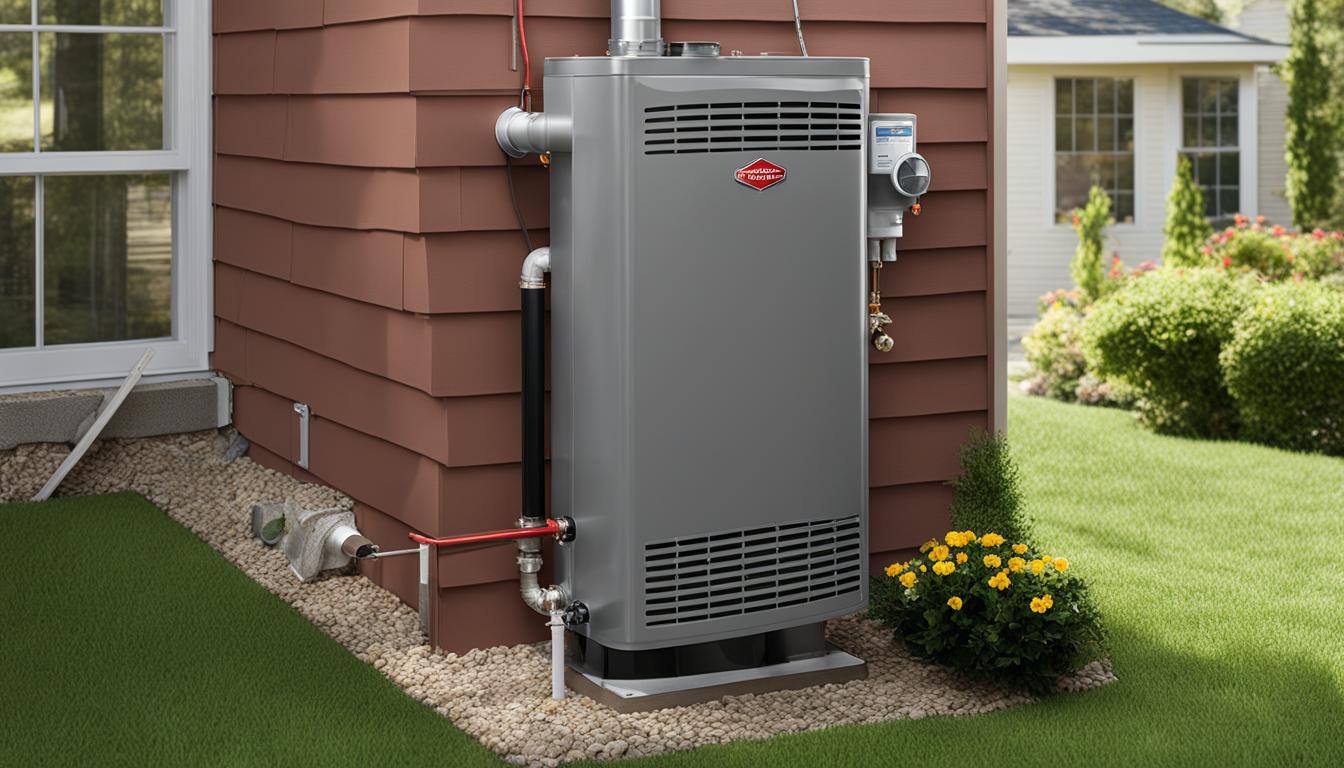
Frequently Asked Questions About Tankless Water Heater Venting Through the Roof
Tankless water heaters offer numerous benefits, including on-demand hot water and energy savings. However, proper venting is crucial for safe and efficient operation. Many homeowners and facility managers choose to vent their tankless water heaters through the roof. Here are some common questions about this venting method.
Question 1: Is it always necessary to vent a tankless water heater through the roof?
No, not always. The necessity of venting through the roof depends on several factors, including the type of tankless water heater (condensing vs. non-condensing), local building codes, and the available venting options in your building.
- Non-condensing tankless water heaters: Typically require venting through the roof or a sidewall using specialized venting materials like stainless steel. These models produce high exhaust temperatures that necessitate heat-resistant venting.
- Condensing tankless water heaters: Can sometimes be vented through a sidewall using PVC or CPVC piping, especially for shorter vent runs. However, roof venting is still a viable and often preferred option.
Always consult your local building codes and the tankless water heater's installation manual to determine the correct venting method for your specific situation.
Question 2: What are the advantages of venting a tankless water heater through the roof?
Venting through the roof offers several potential advantages:
- Natural Draft: Roof venting utilizes natural convection, allowing exhaust gases to rise and dissipate effectively. This can be particularly beneficial for non-condensing units.
- Reduced Risk of Obstruction: Compared to sidewall venting, roof venting is less likely to be obstructed by landscaping, snow drifts, or other external factors.
- Aesthetic Considerations: In some cases, roof venting can be more aesthetically pleasing than sidewall venting, as it minimizes the visible impact on the building's exterior.
- Code Compliance: In certain areas, roof venting might be the only approved method, especially for high-BTU models or when sidewall venting is impractical due to property lines or other restrictions.
- Less Noise Transfer: Venting through the roof can sometimes reduce noise transfer to adjacent properties compared to sidewall venting, as the exhaust fumes are directed upwards.
While roof venting has its advantages, it's essential to consider the specific requirements of your unit and building to determine if it's the best option.
Question 3: What type of venting materials are required for roof venting a tankless water heater?
The required venting materials depend on whether you have a condensing or non-condensing tankless water heater.
- Non-Condensing Tankless Water Heaters: These require high-temperature venting materials, typically stainless steel (AL29-4C stainless steel is a common choice). This is because the exhaust gases are very hot and can corrode or melt less durable materials.
- Condensing Tankless Water Heaters: These units produce cooler exhaust gases, and depending on local codes and manufacturer specifications, they may be vented using PVC or CPVC pipe. However, stainless steel is still a viable option and may be preferred for its durability.
Important Considerations:
- UL Listing: Always use venting materials that are UL-listed and approved for use with tankless water heaters.
- Diameter: The vent pipe diameter must match the specifications outlined in the tankless water heater's installation manual. Using the wrong diameter can affect performance and safety.
- Sealing: Proper sealing of all vent pipe connections is essential to prevent exhaust leaks. Use approved sealants and follow the manufacturer's instructions carefully.
- Roof Flashing: A properly installed roof flashing is critical to prevent water leaks around the vent pipe penetration. Choose a flashing material that is compatible with the roofing material and the vent pipe.
Failure to use the correct venting materials can result in dangerous carbon monoxide leaks, equipment damage, and voided warranties.
Question 4: What are the common problems associated with roof venting a tankless water heater?
While roof venting is a common practice, several potential problems can arise if it's not done correctly:
- Leaks: Improperly sealed vent pipe connections or a faulty roof flashing can lead to water leaks into the attic or other areas of the building.
- Backdrafting: This occurs when exhaust gases are drawn back into the building instead of being vented outside. This can be caused by a blocked vent, negative air pressure in the building, or improper vent termination.
- Condensation Buildup: In colder climates, condensation can form inside the vent pipe, especially with condensing tankless water heaters. If this condensation is not properly drained, it can corrode the vent pipe or even freeze and block the vent.
- Icing: In extremely cold weather, ice can accumulate on the vent termination, potentially blocking the vent and causing backdrafting.
- Animal Intrusion: Birds or other animals may attempt to nest in the vent termination, obstructing the flow of exhaust gases.
- Corrosion: Using the wrong venting materials or improper sealing can lead to corrosion of the vent pipe, especially in areas with high humidity or corrosive air pollutants.
- Improper Slope: Vent pipes must be properly sloped to allow condensation to drain back into the unit or a designated drain line. Insufficient slope can lead to condensation buildup and potential problems.
Regular inspections and maintenance are essential to identify and address these problems before they become serious. Consider having a qualified HVAC technician inspect your venting system annually.
Question 5: How do I ensure proper roof vent installation for my tankless water heater?
Ensuring proper roof vent installation is paramount for safety and efficiency. Here are key steps:
- Hire a Qualified Professional: The best way to ensure proper installation is to hire a licensed and experienced HVAC technician who is familiar with tankless water heater venting requirements.
- Consult the Installation Manual: Carefully read and follow the manufacturer's installation manual. This document provides specific instructions on venting requirements, pipe diameters, slope, and termination clearances.
- Obtain Necessary Permits: Check with your local building department to determine if any permits are required for the installation.
- Use Approved Materials: Use only UL-listed venting materials that are specifically approved for use with tankless water heaters, as discussed above.
- Proper Sealing: Ensure all vent pipe connections are properly sealed using approved sealants.
- Adequate Support: Support the vent pipe adequately to prevent sagging or movement. Use pipe straps or other support devices as needed.
- Correct Slope: Ensure the vent pipe has the proper slope to allow condensation to drain back into the unit or a designated drain line. The installation manual will specify the required slope.
- Proper Termination: Terminate the vent pipe according to the manufacturer's instructions and local building codes. Ensure the termination is located in a safe and accessible location, away from windows, doors, and other air intakes.
- Inspect the Installation: After the installation is complete, thoroughly inspect the venting system to ensure there are no leaks, obstructions, or other problems.
- Carbon Monoxide Detectors: Install carbon monoxide detectors in your home or building to provide early warning of any potential carbon monoxide leaks.
By following these steps and working with a qualified professional, you can ensure that your tankless water heater is vented safely and efficiently through the roof.
Question 6: How often should I inspect my tankless water heater roof vent?
Regular inspections are crucial for maintaining the safety and efficiency of your tankless water heater's roof vent. Aim for the following:
- Annual Professional Inspection: Schedule a professional inspection by a qualified HVAC technician at least once a year. They can identify potential problems that may not be visible to the untrained eye.
- Visual Inspections Every Few Months: Conduct your own visual inspections every few months, paying attention to the following:
- Leaks: Check for any signs of water leaks around the vent pipe penetration on the roof or in the attic.
- Corrosion: Look for any signs of corrosion on the vent pipe or its connections.
- Obstructions: Check the vent termination for any obstructions, such as bird nests or ice buildup.
- Damage: Inspect the vent pipe for any signs of damage, such as cracks or dents.
- Proper Slope: Verify that the vent pipe still maintains the correct slope for proper drainage.
- After Severe Weather: Inspect the vent system after any severe weather events, such as heavy snowstorms or high winds.
If you notice any problems during your inspections, contact a qualified HVAC technician immediately to have them repaired.
Question 7: What is the approximate cost of roof venting for a tankless water heater?
The cost of roof venting a tankless water heater can vary significantly depending on several factors:
- Type of Tankless Water Heater: Condensing units requiring PVC/CPVC venting are generally less expensive than non-condensing units requiring stainless steel venting.
- Length of Vent Run: Longer vent runs require more materials and labor, increasing the overall cost.
- Complexity of Installation: Difficult installations that involve navigating obstacles or working in tight spaces will be more expensive.
- Roofing Material: The type of roofing material (e.g., asphalt shingles, tile, metal) can affect the cost of the roof flashing installation.
- Labor Costs: Labor costs vary depending on the location and the experience of the HVAC technician.
- Permit Fees: Permit fees can add to the overall cost.
- Existing Vent System (if applicable): If you are replacing an existing tankless water heater and can reuse some of the existing venting system, the cost may be lower.
General Cost Estimates:
- Materials: Expect to pay between $200 and $800 for venting materials, depending on the type of venting required.
- Labor: Labor costs can range from $300 to $1000 or more, depending on the complexity of the installation.
- Total Cost: The total cost of roof venting a tankless water heater can range from $500 to $1800 or more.
Recommendation: Get quotes from several qualified HVAC technicians to compare prices and ensure you are getting a fair deal. Be sure to ask for a detailed breakdown of the costs, including materials, labor, and permit fees. Also, check online for tankless water heater roof venting kits, which can save you some money by providing all the necessary materials in one package. Never compromise on safety to save money. Proper venting is essential for the safe and efficient operation of your tankless water heater.