Temperature And Pressure Relief Valve Water Heater
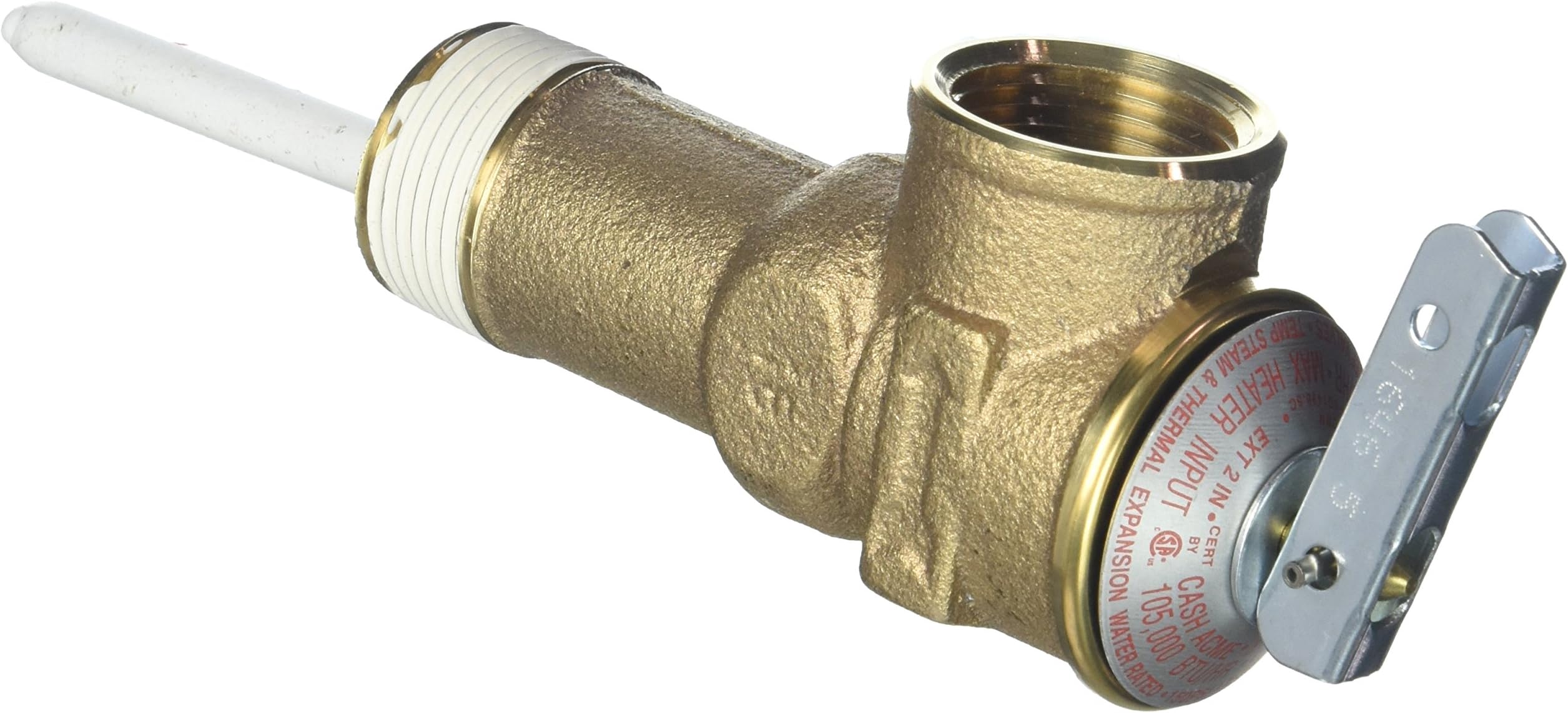
A common household appliance failure that can cause worry and even damage is a malfunctioning Temperature and Pressure Relief (TPR) valve on your water heater. This valve is a crucial safety device designed to release excess pressure or dangerously high temperatures to prevent a potential explosion. If your TPR valve is leaking, constantly dripping, or otherwise malfunctioning, it's important to address the issue promptly. This guide will walk you through a logical troubleshooting process to help you identify the problem and potentially fix it yourself, while also highlighting when it's time to call in a professional.
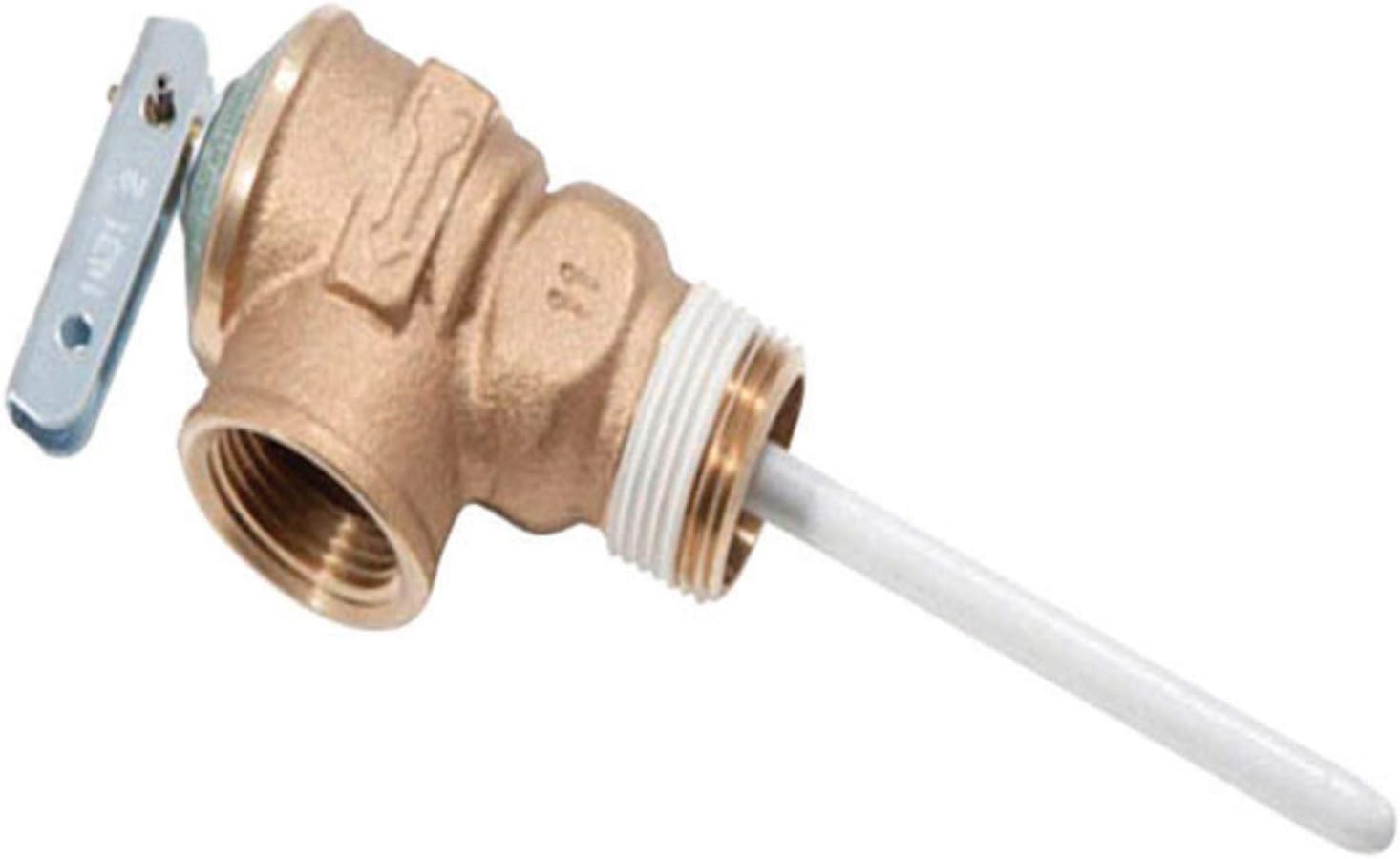
Understanding the TPR Valve
Before diving into troubleshooting, it's important to understand what the TPR valve does and where it's located.
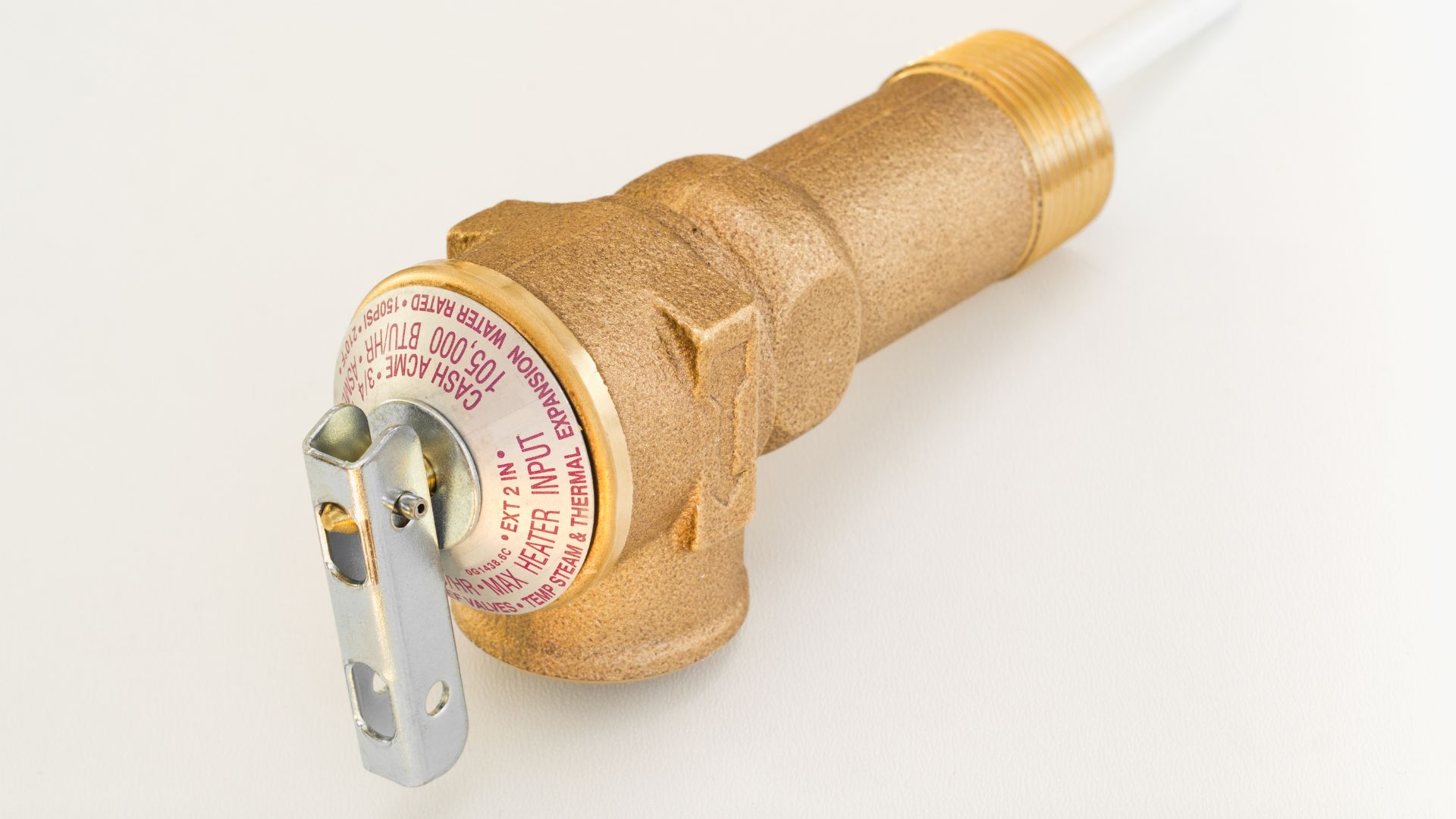
- What it does: The TPR valve is a safety mechanism designed to automatically release water if the pressure or temperature inside your water heater exceeds safe limits. It prevents catastrophic failure of the tank.
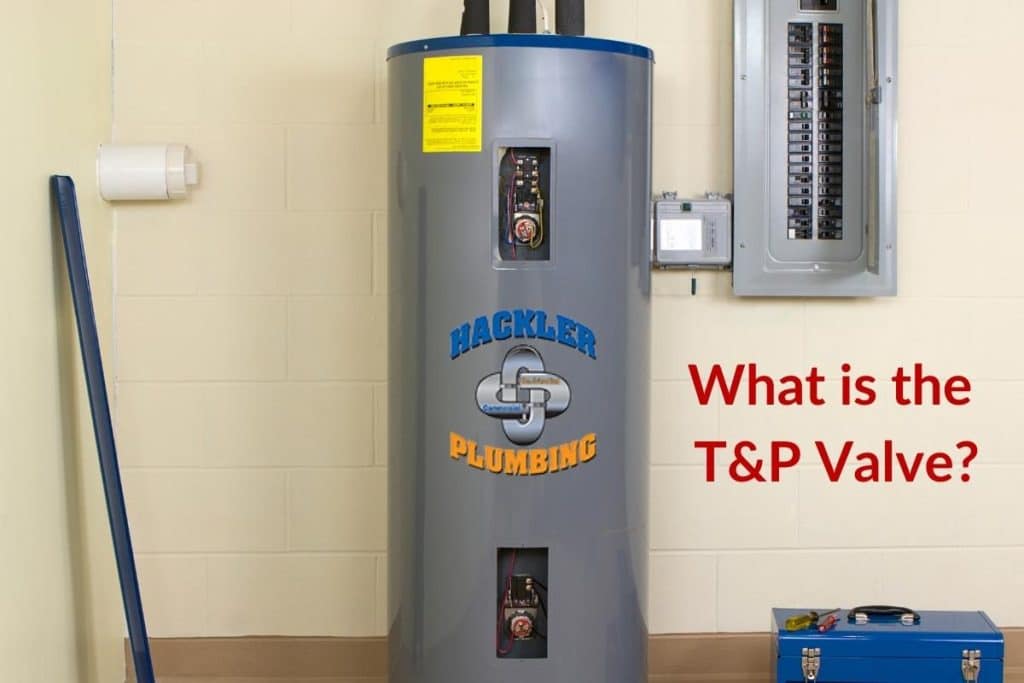
- Where it's located: It's typically found near the top of the water heater, often on the side. It will have a discharge pipe that extends downwards, usually to within a few inches of the floor.
Safety First!
Before you begin any troubleshooting steps, ensure your safety.
- Turn off the power or gas supply to the water heater. For electric heaters, locate the circuit breaker in your electrical panel and switch it off. For gas heaters, turn the gas valve to the "off" position.
- Allow the water to cool down slightly. Hot water can scald you, so wait at least an hour after turning off the heater before handling any components.
- Wear appropriate safety gear. This includes safety glasses and gloves.
Step-by-Step Troubleshooting Guide
1. Initial Inspection: Is it Really the TPR Valve?
Sometimes what appears to be a TPR valve leak is actually something else. Carefully inspect the area around the water heater.
- Check other connections: Look for leaks around the inlet and outlet pipes, the drain valve, and any other fittings connected to the water heater. A loose connection can sometimes drip onto the TPR valve discharge pipe, making it appear like the valve is leaking.
- Feel for drips higher up: Run your hand along the tank and surrounding pipes to check for moisture originating from above the TPR valve.
If you find leaks elsewhere, tighten connections with a wrench. If the leak persists, you may need to replace the fitting or pipe section. For complex plumbing repairs, it's always best to consult a professional plumber.
2. Check the Pressure
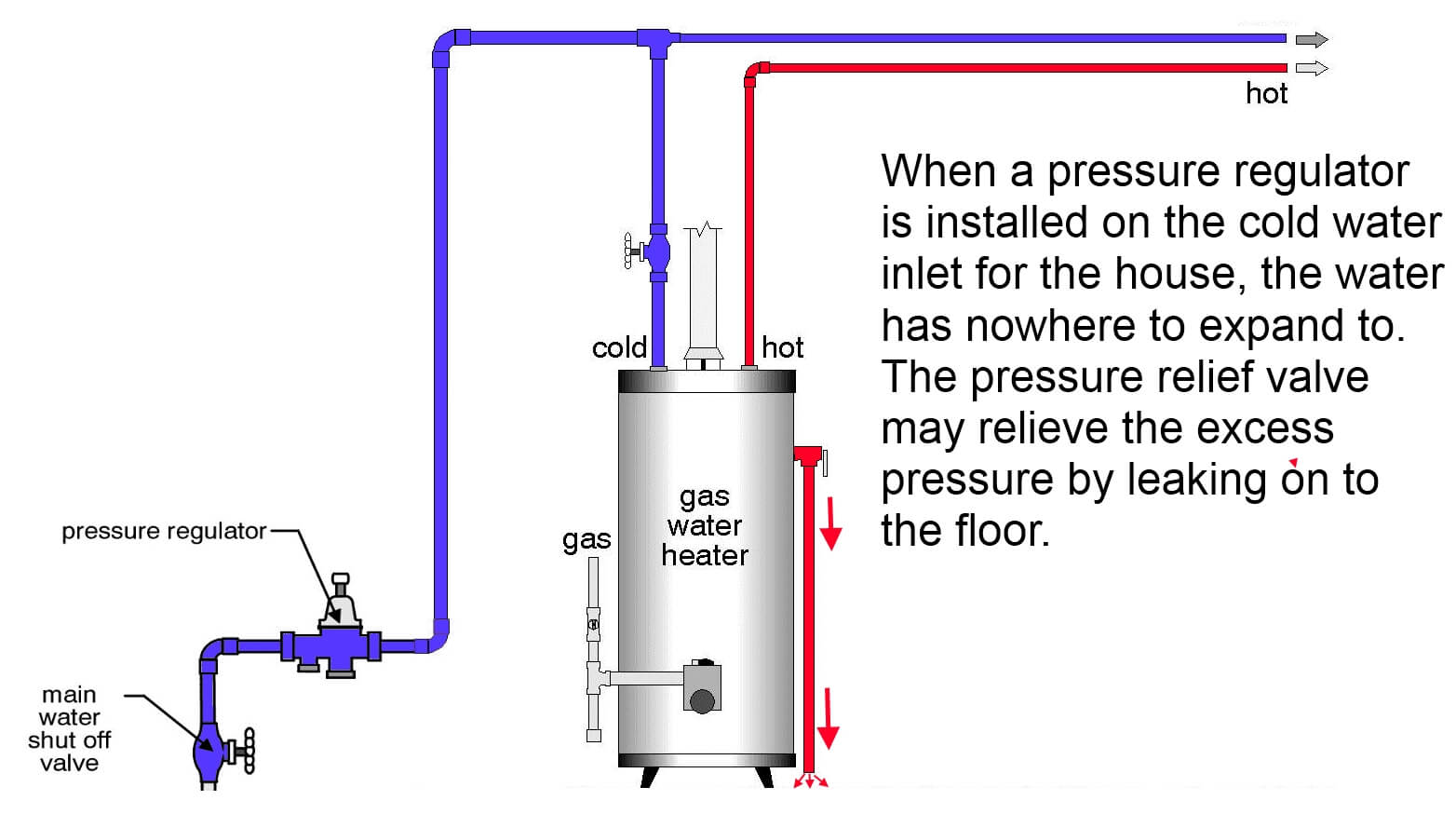
High water pressure in your home's plumbing system can cause the TPR valve to release water. You can check your water pressure using a pressure gauge.
- Purchase a pressure gauge: These are readily available at hardware stores and attach to an outside faucet or laundry machine connection.
- Attach the gauge: Follow the instructions provided with the gauge.
- Read the pressure: The ideal water pressure is between 40 and 60 PSI (pounds per square inch). If your pressure is consistently above 80 PSI, it's too high.
If your water pressure is too high:
- Install a pressure regulator: This device reduces the water pressure entering your home. This is typically a job for a licensed plumber.
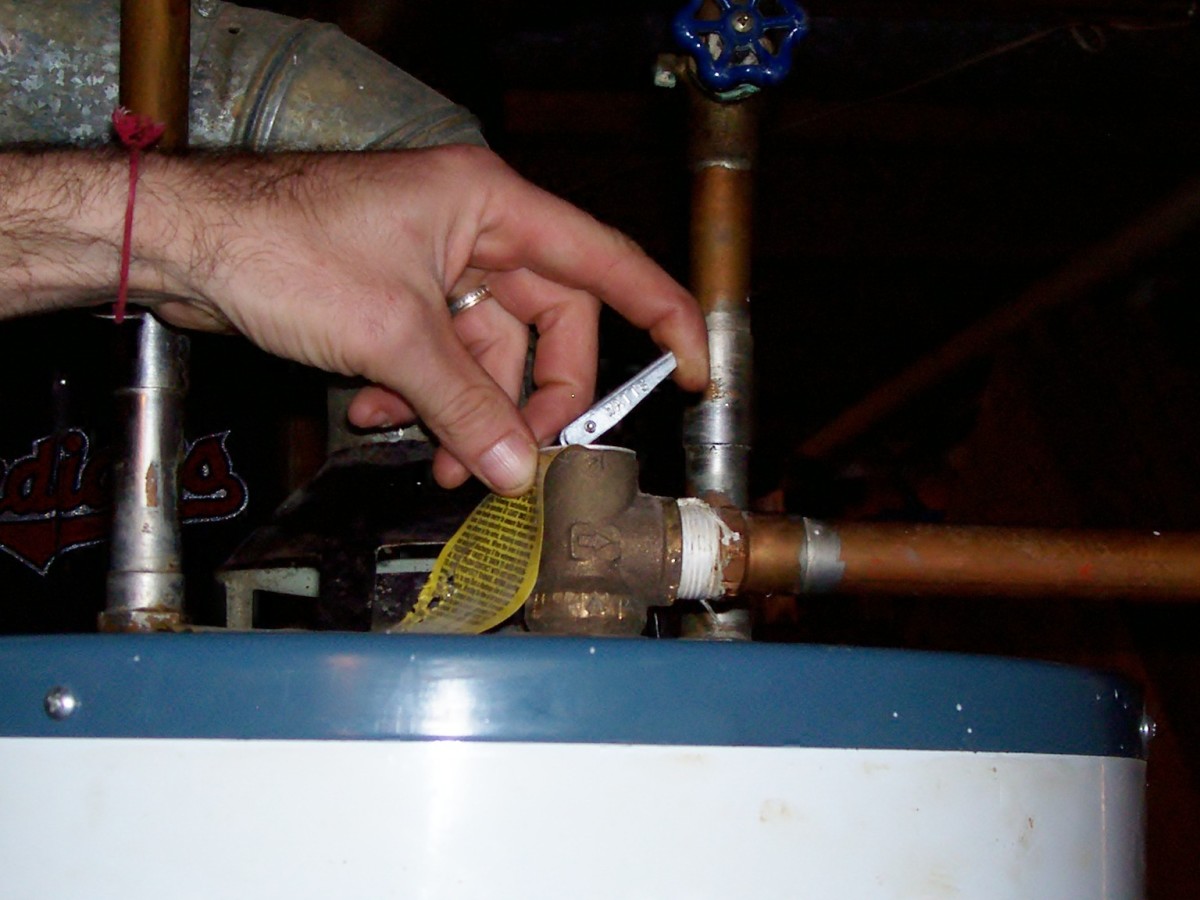
3. Exercise the TPR Valve (Test Lever)
Sometimes, a TPR valve can leak due to sediment or debris buildup preventing it from sealing properly. Exercising the valve can flush out this debris.
Important: Be prepared for a burst of hot water when you do this. Have a bucket ready to catch the water to avoid making a mess.
- Place a bucket beneath the discharge pipe.
- Carefully lift the test lever: Lift the lever all the way and hold it open for a few seconds. This will release a surge of water.
- Release the lever: Allow the lever to snap back into its closed position.
- Observe the valve: Check if the leaking has stopped. It's normal for a few drops of water to drip after exercising the valve, but the leaking should cease shortly after.
If the valve continues to leak after exercising it: The valve is likely faulty and needs to be replaced.
4. Check the Thermostat Settings (Electric Heaters)
If you have an electric water heater, a malfunctioning thermostat can cause the water to overheat, leading to the TPR valve releasing water. Check the thermostat settings.
- Turn off the power to the water heater at the circuit breaker.
- Remove the access panel: Locate the access panel(s) on the side of the water heater. They are usually held in place by screws.
- Remove the insulation: Carefully pull back the insulation to expose the thermostat(s).
- Check the temperature setting: The recommended temperature setting is 120°F (49°C). If the setting is significantly higher, adjust it to the recommended temperature.
- Inspect the thermostat: Look for any signs of damage, such as burns, cracks, or corrosion.
- Reassemble the heater: Replace the insulation, access panel, and turn the power back on at the circuit breaker.
If the thermostat appears damaged or the problem persists: The thermostat may need to be replaced. This is an electrical repair, and if you are not comfortable working with electricity, it's best to call a qualified electrician.
5. Check the Gas Control Valve (Gas Heaters)
For gas water heaters, a malfunctioning gas control valve can also cause overheating. This is a more complex component and should only be inspected visually by a homeowner.
- Turn off the gas supply to the water heater.
- Locate the gas control valve: This is usually near the bottom of the water heater.
- Visually inspect the valve: Look for any signs of damage, such as cracks, leaks, or corrosion. Do not attempt to disassemble or repair the gas control valve.
If you suspect the gas control valve is faulty: Do not attempt to repair it yourself. Contact a qualified gas appliance technician immediately. Gas repairs can be dangerous and require specialized knowledge and tools.
6. Flushing the Water Heater
Sediment buildup in the bottom of the water heater can reduce its efficiency and contribute to overheating. Flushing the tank can remove this sediment.
- Turn off the power or gas supply to the water heater.
- Allow the water to cool down.
- Attach a garden hose to the drain valve: The drain valve is usually located near the bottom of the water heater. Run the other end of the hose to a drain or outside.
- Open the drain valve: Allow the water to drain completely. Be prepared for the initial water to be rusty and contain sediment.
- Flush the tank: Once the water is drained, open the cold water supply valve for a few minutes to flush out any remaining sediment.
- Close the drain valve: Once the water runs clear, close the drain valve and disconnect the hose.
- Refill the tank: Open the cold water supply valve and allow the tank to fill completely.
- Turn the power or gas supply back on.
7. Replacing the TPR Valve (DIY with Caution)
If you've tried the above steps and the TPR valve continues to leak, it likely needs to be replaced. This is a relatively straightforward DIY repair for mechanically inclined homeowners, but requires careful attention to detail.
Important: Ensure you purchase a replacement TPR valve that is identical to the original in terms of pressure and temperature ratings. This information is stamped on the valve itself. Using the wrong valve can be dangerous.
- Turn off the power or gas supply to the water heater.
- Allow the water to cool down.
- Drain the water heater: Drain enough water from the tank so that the water level is below the TPR valve. This will prevent water from gushing out when you remove the old valve.
- Remove the old TPR valve: Use a pipe wrench to loosen and remove the old valve. Be prepared for some residual water to spill out.
- Clean the threads: Clean the threads on the water heater tank with a wire brush.
- Apply pipe thread sealant: Apply Teflon tape or pipe dope to the threads of the new TPR valve.
- Install the new TPR valve: Carefully screw the new valve into the tank, tightening it securely with a pipe wrench. Do not overtighten, as this can damage the threads.
- Refill the tank: Open the cold water supply valve and allow the tank to fill completely.
- Turn the power or gas supply back on.
- Check for leaks: Carefully inspect the new TPR valve for any leaks. If you find any leaks, tighten the valve slightly.
When to Call a Professional
While this guide provides steps for basic troubleshooting and DIY repairs, there are situations where it's best to call a qualified professional plumber, electrician, or gas appliance technician.
- You are uncomfortable working with plumbing, electricity, or gas.
- You suspect a gas leak. Gas leaks are extremely dangerous and should be addressed immediately by a qualified technician.
- You are unable to identify the source of the leak.
- The problem persists after attempting the troubleshooting steps outlined above.
- You need to replace the gas control valve.
- You need to install a pressure regulator.
- You notice signs of corrosion or damage to the water heater tank itself.
By following these troubleshooting steps, you can often identify and resolve common issues with your water heater's TPR valve. Remember to prioritize safety and don't hesitate to call a professional when needed. A properly functioning TPR valve is essential for the safe operation of your water heater.