Temperature Difference Between Supply And Return Air

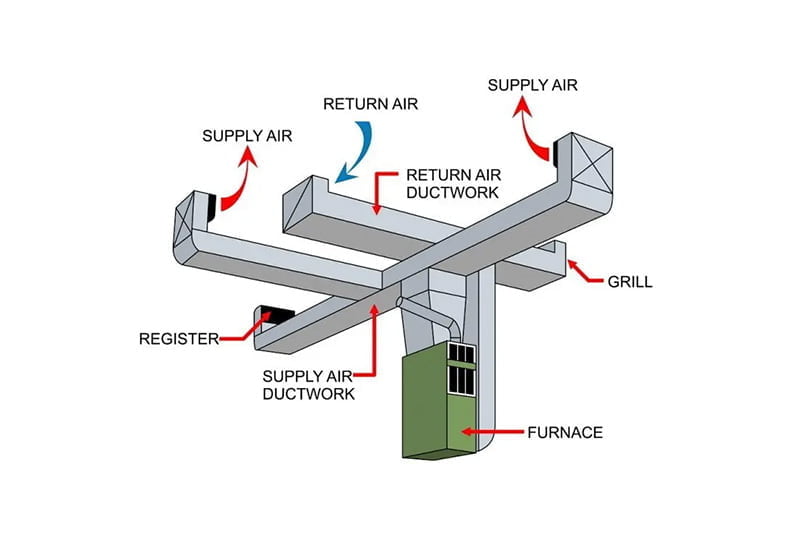
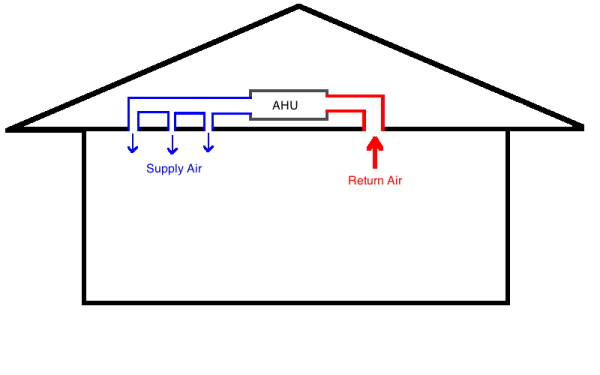
Understanding the temperature difference between supply and return air is fundamental to comprehending how HVAC systems function and diagnose potential issues. This temperature split, often abbreviated as ΔT (Delta T), provides a critical indicator of system performance, efficiency, and overall health. This article will delve into the ideal temperature difference, factors that influence it, troubleshooting techniques, and how this knowledge can advance your career in the HVAC industry.
The Ideal Temperature Difference: What to Expect
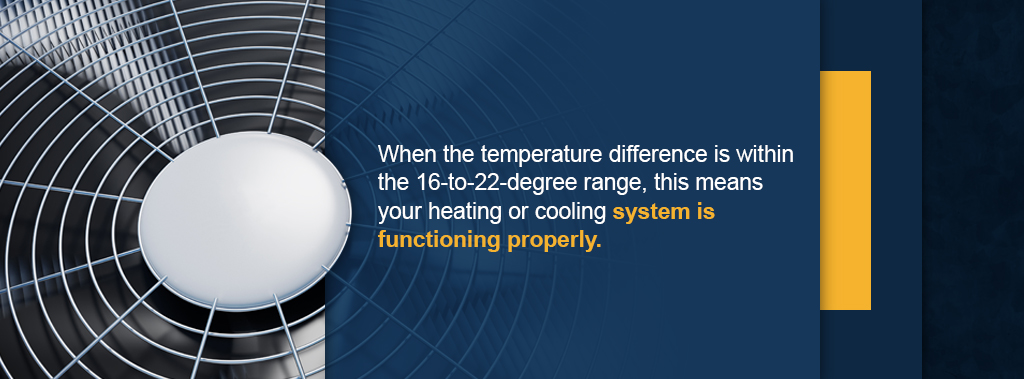
In a properly functioning HVAC system, the *ideal temperature difference* between the supply and return air typically falls within a specific range. For cooling systems, this range is generally 15 to 20 degrees Fahrenheit (8-11 degrees Celsius). For heating systems, particularly furnaces, the range can be wider, often between 30 to 60 degrees Fahrenheit (17-33 degrees Celsius), depending on the type of furnace and fuel used. Heat pumps can have varying temperature splits depending on the mode of operation (heating or cooling) and the outdoor temperature.
It's crucial to understand that these ranges are guidelines. Several factors can influence the actual temperature difference observed in a real-world setting. Straying significantly outside these ranges can signal potential problems requiring investigation.
Factors Influencing Temperature Difference
Numerous variables can affect the temperature difference between supply and return air. Recognizing these factors is essential for accurate diagnosis and effective troubleshooting.
Airflow
Proper airflow is paramount. Insufficient airflow across the evaporator coil (in cooling mode) or heat exchanger (in heating mode) will reduce the temperature difference. Common causes of restricted airflow include:
- Dirty air filters
- Blocked vents or registers
- Collapsed or undersized ductwork
- Faulty blower motor
- Dirty evaporator or condenser coils
Restricted airflow in cooling mode can lead to the evaporator coil freezing, further reducing the temperature difference and potentially damaging the compressor. In heating mode, reduced airflow can cause overheating and potentially damage the furnace.
Refrigerant Charge (Cooling Systems)
In cooling systems, the refrigerant charge plays a critical role in heat transfer. An improper refrigerant charge, whether overcharged or undercharged, will negatively impact the temperature difference.
- Undercharged System: An undercharged system results in a lower suction pressure and a warmer evaporator coil. This leads to a reduced temperature difference and diminished cooling capacity.
- Overcharged System: An overcharged system can lead to higher head pressures and potential compressor damage. While the temperature difference might initially appear within range, the system will be less efficient and prone to problems.
Proper refrigerant charge verification requires specialized tools and knowledge, including understanding superheat and subcooling measurements. Technicians must be certified to handle refrigerants, typically holding an ***EPA Section 608 certification***.
External Conditions
Ambient temperature and humidity levels significantly impact HVAC system performance. On extremely hot and humid days, a cooling system may struggle to achieve the ideal temperature difference, even if it is functioning correctly. Similarly, during periods of extreme cold, a heat pump's heating capacity will decrease, affecting the temperature split.
System Load
The load on the HVAC system, which refers to the amount of heating or cooling required to maintain the desired indoor temperature, also influences the temperature difference. A higher load will generally result in a smaller temperature difference, as the system is working harder to meet the demand.
Ductwork Insulation
Poorly insulated or leaking ductwork can significantly impact the temperature difference. Heat gain in cooling mode and heat loss in heating mode will reduce the temperature difference between the supply and return air. Properly sealed and insulated ductwork is crucial for system efficiency.
Troubleshooting Temperature Difference Issues
When the temperature difference falls outside the acceptable range, a systematic troubleshooting approach is necessary. Here's a step-by-step process:
- Verify Airflow: Start by checking the air filter, vents, and ductwork for obstructions. Ensure the blower motor is functioning correctly.
- Measure Refrigerant Charge (Cooling Systems): Use gauges to measure suction and head pressures. Calculate superheat and subcooling to determine if the refrigerant charge is within the manufacturer's specifications. This requires proper training and certification.
- Inspect Coils: Check the evaporator and condenser coils for dirt and debris. Clean them if necessary.
- Assess Ductwork: Inspect the ductwork for leaks and proper insulation. Seal any leaks and improve insulation as needed.
- Consider External Factors: Take into account the ambient temperature and humidity levels. If the system is operating under extreme conditions, the temperature difference may be affected.
Example: A residential customer complains their AC isn't cooling properly. A technician measures a temperature difference of only 10°F. After inspecting the air filter and finding it clean, they check the refrigerant charge and discover it's significantly undercharged. After locating and repairing a leak and recharging the system to the correct level, the temperature difference returns to 18°F, and the cooling problem is resolved.
Career Opportunities in HVAC
A strong understanding of HVAC principles, including temperature difference analysis, is crucial for a successful career in the industry. The demand for qualified HVAC technicians is projected to grow significantly in the coming years. The U.S. Bureau of Labor Statistics projects a 6% growth from 2022 to 2032, about as fast as the average for all occupations. Approximately 41,500 openings for HVAC mechanics and installers are projected each year, on average, over the decade. This growth is driven by factors such as population growth, increased construction activity, and the increasing complexity of HVAC systems.
Job Titles and Salary Ranges
Here's a glimpse of common HVAC job titles and their associated salary ranges (U.S. averages, may vary by location and experience):
- HVAC Technician/Installer: $48,730 per year (Median annual wage in May 2022, according to the BLS)
- HVAC Service Technician: $55,000 - $75,000+ per year
- HVAC Design Engineer: $70,000 - $100,000+ per year
- HVAC Sales Engineer: $60,000 - $90,000+ per year (plus commission)
Certifications and Training
Several certifications can enhance your career prospects in the HVAC industry:
- ***NATE (North American Technician Excellence)***: NATE certification is widely recognized and demonstrates a technician's knowledge and skills.
- EPA Section 608 Certification: Required for technicians who handle refrigerants.
- HVAC Excellence: Another reputable certification program for HVAC professionals.
- State and Local Licensing: Many states and municipalities require HVAC technicians to be licensed.
Formal training programs, such as apprenticeships and technical school programs, provide a solid foundation in HVAC principles and practices. Many employers offer on-the-job training as well. Completing an apprenticeship can be a great pathway to journeyman status. One notable career path is starting as an apprentice, earning certifications like *NATE*, specializing in commercial refrigeration, and eventually becoming a lead technician overseeing large-scale HVAC installations.
Industry Trends
The HVAC industry is constantly evolving, driven by technological advancements and increasing energy efficiency requirements. Some key trends to be aware of include:
- Smart HVAC Systems: Smart thermostats and connected HVAC systems are becoming increasingly popular, allowing for remote monitoring and control.
- Energy Efficiency: Government regulations and consumer demand are driving the development of more energy-efficient HVAC equipment.
- Variable Refrigerant Flow (VRF) Systems: VRF systems offer precise temperature control and energy savings, particularly in commercial applications.
- Geothermal Heat Pumps: Geothermal heat pumps utilize the earth's natural heat to provide efficient heating and cooling.
Staying up-to-date with these trends is essential for HVAC professionals to remain competitive and provide cutting-edge solutions to their clients. Attending industry conferences, reading trade publications, and pursuing continuing education courses are excellent ways to stay informed. Mastering diagnostic skills, like quickly assessing the temperature differential, will always be a valuable skill, no matter how sophisticated the HVAC technology becomes.