Temperature To Set Heat In The Winter
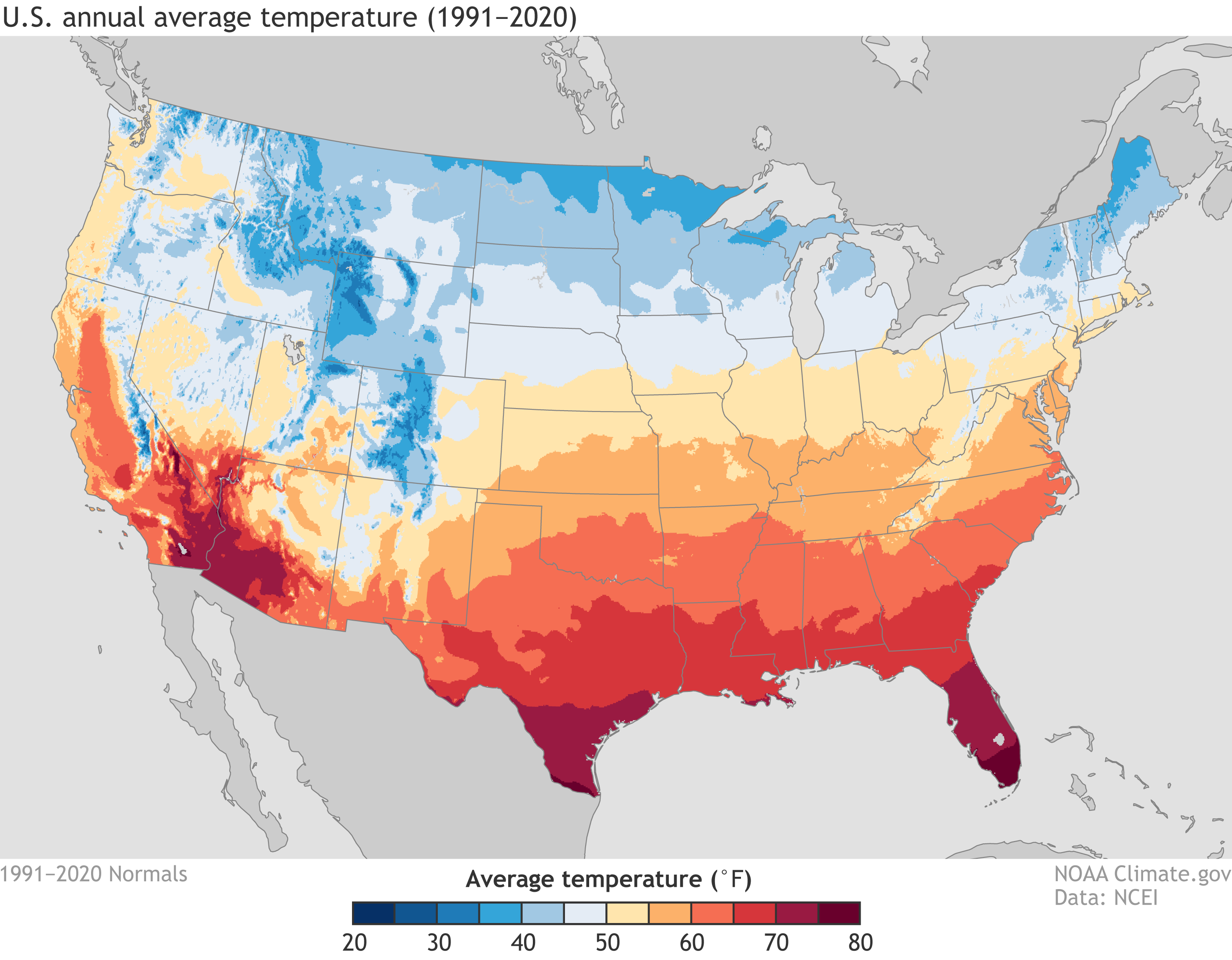
As winter's chill settles in, one of the most common questions in the HVAC industry revolves around the optimal temperature to set your heat. It's a deceptively simple question with a complex answer, influenced by factors ranging from energy efficiency to personal comfort and even the specific climate zone you inhabit. This article provides a comprehensive overview for students, experienced technicians, employers, and anyone interested in HVAC best practices. We'll delve into recommended temperatures, energy-saving strategies, career paths, and the certifications that elevate professionals in this vital field.
The Goldilocks Zone: Finding the "Just Right" Temperature
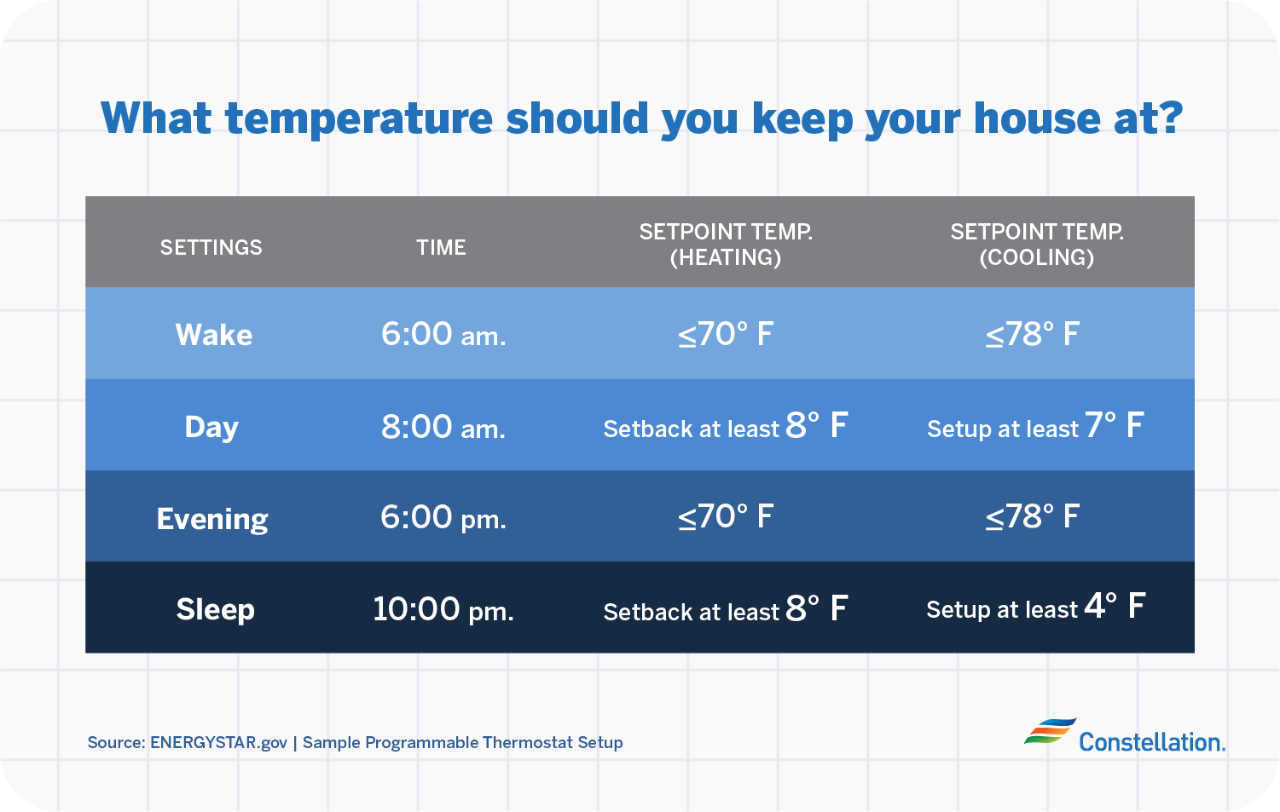
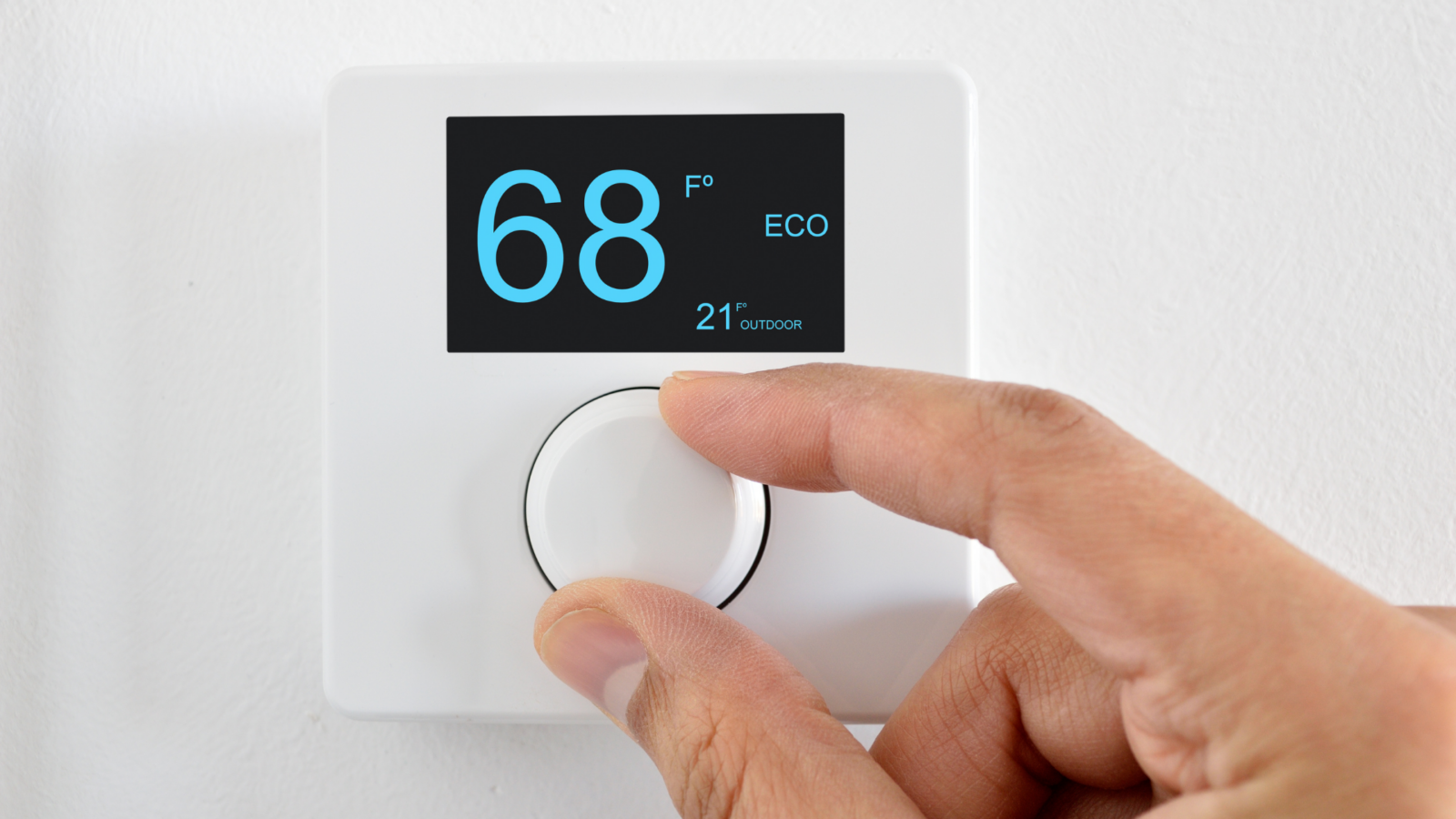
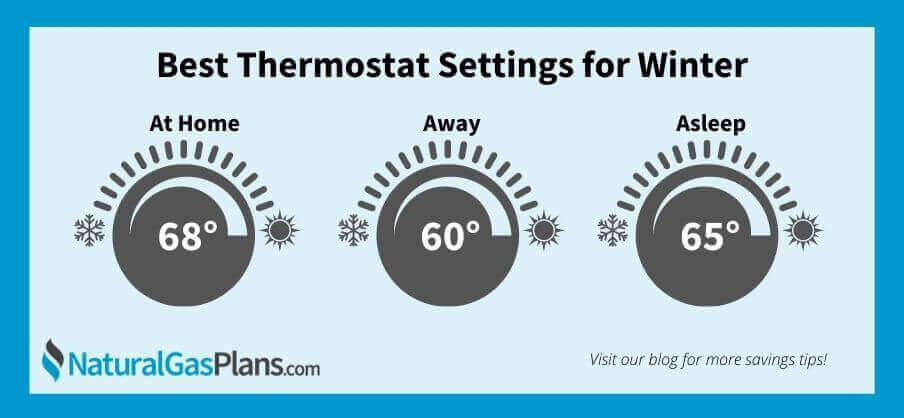
According to the U.S. Department of Energy, setting your thermostat to 68°F (20°C) while you're awake and lowering it while you're asleep or away is the ideal strategy for balancing comfort and energy savings. For every degree you lower the thermostat for eight hours or more, you can save around 1% on your heating bill. This seemingly small adjustment can translate into significant savings over the course of a winter, especially when combined with other energy-efficient measures.
However, the "ideal" temperature is subjective. Individuals with health concerns, such as elderly residents or those with certain medical conditions, may require warmer temperatures. Homeowners with infants should also maintain a slightly higher temperature for safety and comfort. Ultimately, the optimal setting is a balance between comfort, health, and energy efficiency.
Beyond the Thermostat: Optimizing Heating System Performance
Setting the thermostat is just one piece of the puzzle. A properly functioning and well-maintained HVAC system is crucial for efficient heating. This is where skilled HVAC technicians play a vital role. Regular maintenance, including filter changes, ductwork inspections, and burner cleaning, can significantly improve efficiency and prevent costly breakdowns. Leaky ductwork, for example, can result in up to 30% energy loss.
Technicians who excel in diagnostics and preventative maintenance are highly sought after by employers.
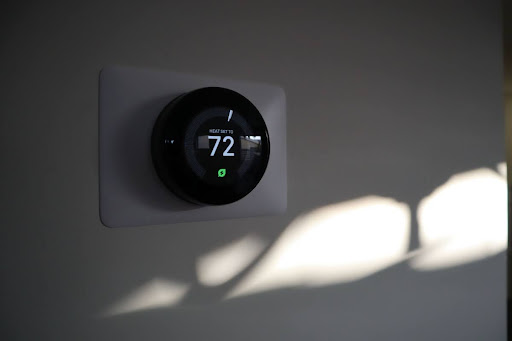
Smart thermostats are also gaining popularity. These devices learn your heating and cooling patterns and automatically adjust the temperature to optimize energy savings without sacrificing comfort. Many smart thermostats can also be controlled remotely via a smartphone app, allowing homeowners to adjust the temperature even when they're away from home.
HVAC Career Paths: From Apprentice to Master Technician
The HVAC industry offers a diverse range of career paths, from entry-level apprenticeships to specialized roles in design, installation, and maintenance. The Bureau of Labor Statistics projects a growth rate of 6% for HVAC mechanics and installers from 2022 to 2032, about as fast as the average for all occupations. This demand is fueled by factors such as population growth, increasing construction activity, and the need to replace aging HVAC systems with more energy-efficient models. The median annual wage for HVAC mechanics and installers was $59,620 in May 2023.
Apprenticeships: Building a Solid Foundation
An apprenticeship is an excellent way to enter the HVAC field. Apprenticeships typically involve a combination of on-the-job training and classroom instruction. During an apprenticeship, you'll learn the fundamentals of HVAC systems, including installation, maintenance, and repair. Apprenticeships often last 3-5 years and provide a structured pathway to becoming a journeyman technician.
Certifications: Demonstrating Expertise and Increasing Earning Potential
Earning industry-recognized certifications can significantly enhance your career prospects and earning potential. Some of the most valuable certifications include:
- NATE (North American Technician Excellence): NATE certification demonstrates your knowledge and skills in specific areas of HVAC, such as installation, service, or efficiency. Employers often prefer to hire NATE-certified technicians, as it signifies a commitment to excellence.
- EPA 608 Certification: This certification is mandatory for technicians who handle refrigerants. It ensures that technicians understand the proper procedures for handling and disposing of refrigerants to protect the environment.
- HVAC Excellence: HVAC Excellence offers a variety of certifications for technicians at different skill levels. These certifications are recognized by employers nationwide.
The path to becoming a master technician often involves years of experience, ongoing training, and a commitment to staying up-to-date with the latest technologies. Master technicians typically possess advanced skills in diagnostics, troubleshooting, and system design.
The Employer's Perspective: Hiring and Retaining Skilled HVAC Professionals
For employers in the HVAC industry, attracting and retaining skilled workers is a constant challenge. The demand for qualified technicians often outstrips the supply, making it crucial to offer competitive wages and benefits packages. In addition to salary, benefits packages may include health insurance, retirement plans, paid time off, and opportunities for professional development.
Employers should also invest in training and development programs to help their employees stay up-to-date with the latest technologies and best practices. This can include providing access to online courses, sponsoring certification exams, and offering opportunities to attend industry conferences.
Companies that prioritize employee training and development are more likely to attract and retain top talent.
Creating a positive and supportive work environment is also essential for employee retention. This includes fostering a culture of teamwork, providing opportunities for advancement, and recognizing employee achievements.
Staying Ahead of the Curve: Emerging Technologies and Industry Trends
The HVAC industry is constantly evolving, with new technologies and trends emerging all the time. To stay ahead of the curve, HVAC professionals need to be aware of these developments and willing to adapt to change. Some of the key trends shaping the future of the industry include:
- Smart HVAC Systems: Smart thermostats, sensors, and controls are becoming increasingly common, allowing for more precise and efficient temperature management.
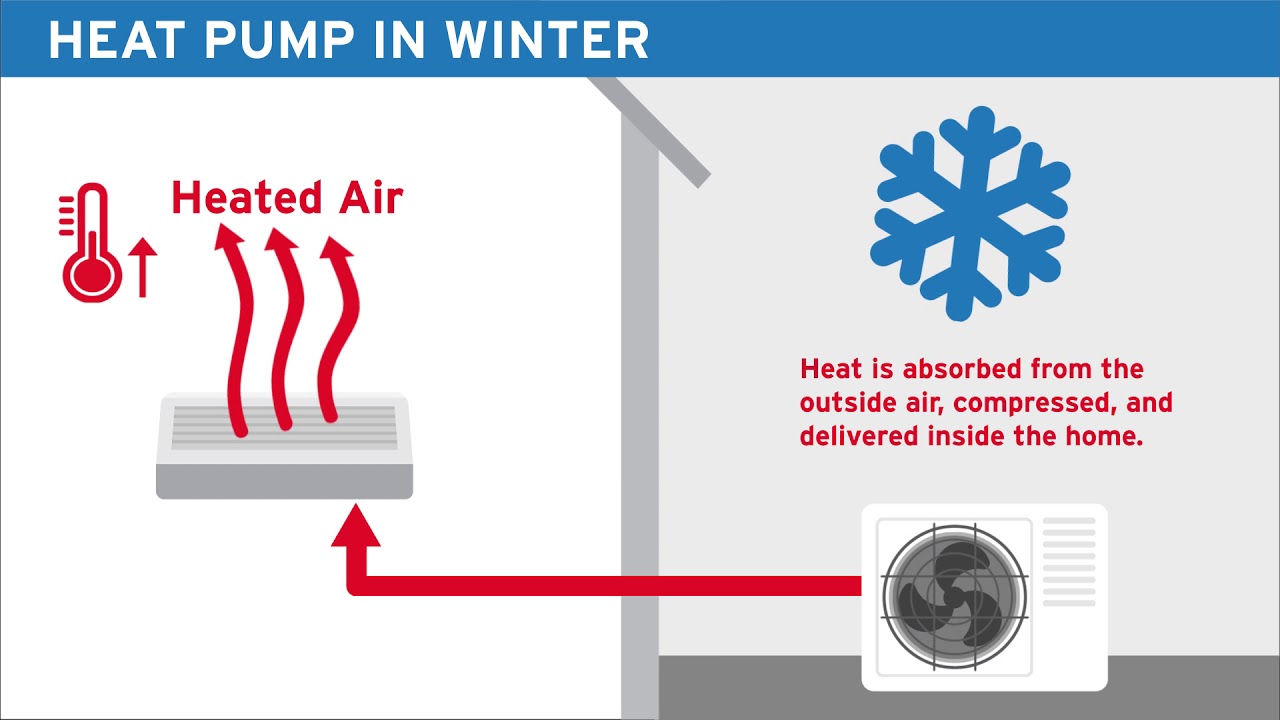
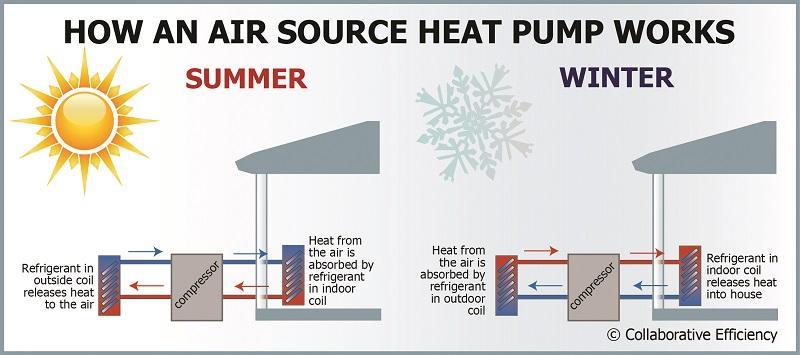
- Energy-Efficient Technologies: Technologies such as heat pumps, variable refrigerant flow (VRF) systems, and geothermal heating are gaining popularity due to their energy-saving potential.
- Sustainable Practices: There is a growing emphasis on sustainable practices in the HVAC industry, including the use of environmentally friendly refrigerants and the implementation of energy-efficient designs.
By embracing these technologies and trends, HVAC professionals can position themselves for success in the years to come.
Conclusion: A Career That Keeps You Warm (and Cool)
The HVAC industry offers a rewarding and challenging career path for individuals who are passionate about technology, problem-solving, and customer service. Whether you're a student just starting out, an experienced technician looking to advance your career, or an employer seeking to build a skilled workforce, the opportunities are plentiful. By staying informed, embracing new technologies, and prioritizing professional development, you can thrive in this dynamic and essential field. Remember, understanding the intricacies of temperature control is just the beginning – a successful HVAC career requires a commitment to lifelong learning and a dedication to providing comfort and efficiency to homes and businesses across the country.