Tesla Model 3 Air Conditioning Not Cold
Tesla Model 3 Air Conditioning Not Cold: A Troubleshooting Guide for HVAC Professionals
The rise of electric vehicles (EVs) like the Tesla Model 3 has brought new challenges and opportunities to the HVAC industry. While the fundamental principles of air conditioning remain the same, the specific components and diagnostic procedures differ significantly from internal combustion engine (ICE) vehicles. This article provides a comprehensive overview of troubleshooting a Model 3’s AC system when it's not blowing cold air, specifically targeted toward HVAC technicians, students, and employers looking to expand their expertise in this rapidly growing sector.
Understanding the Tesla Model 3 HVAC System
Unlike traditional cars, the Model 3 utilizes an all-electric HVAC system. This means no engine-driven compressor. Instead, it relies on:
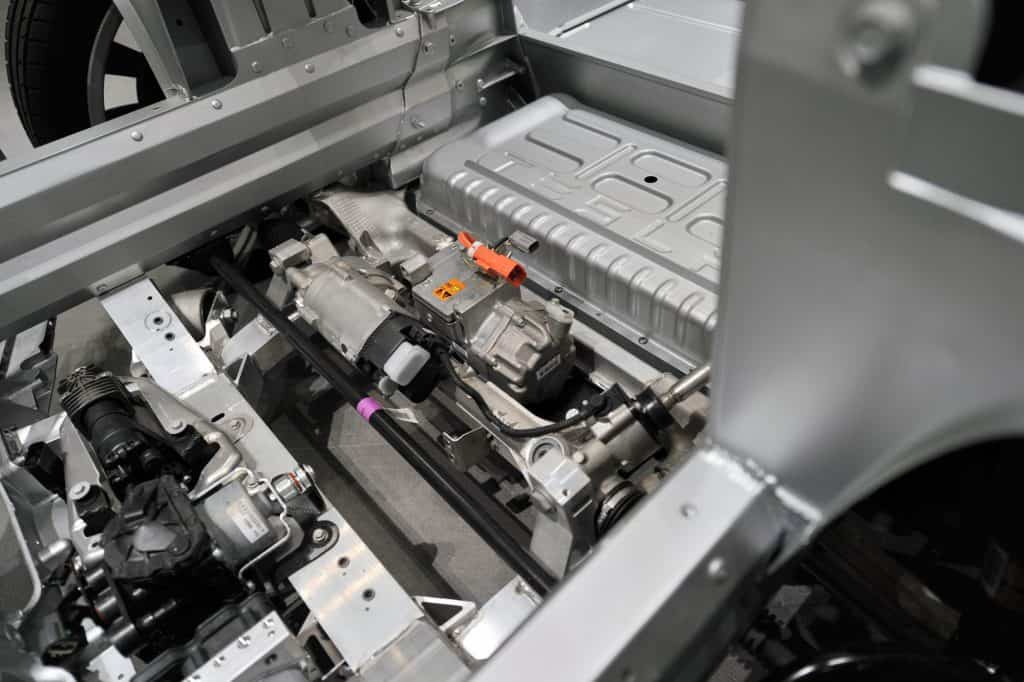
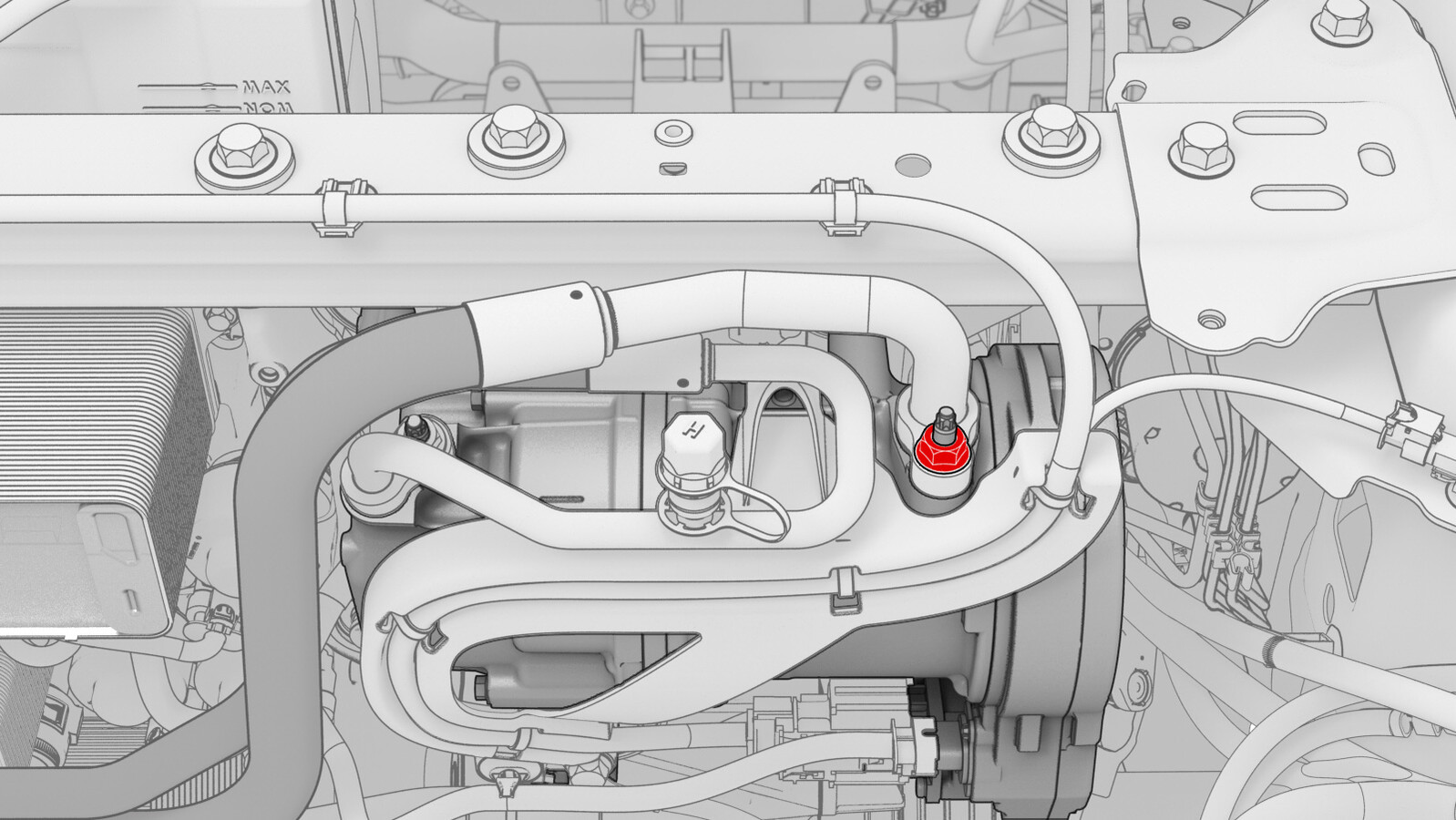
- Electric Compressor: This is the heart of the system, driven by a high-voltage electric motor. Its performance is crucial for cooling efficiency.
- Refrigerant: Typically R-134a or the newer R-1234yf, depending on the model year and regional regulations.
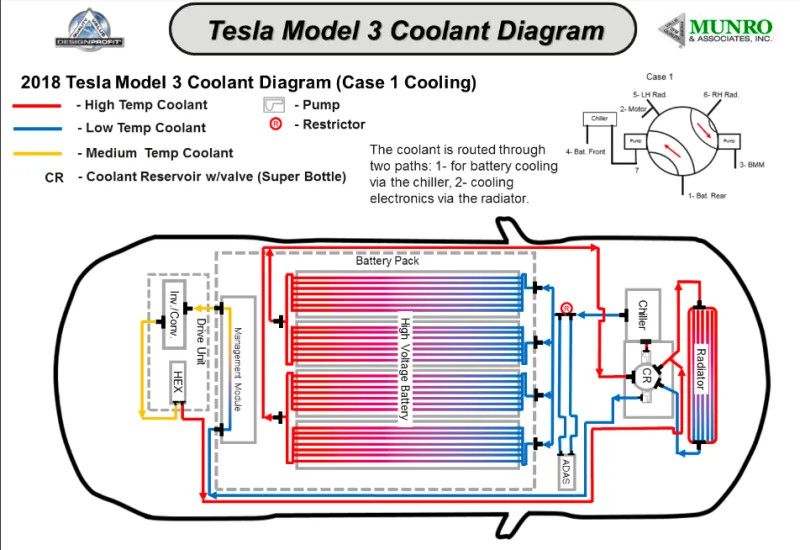
- Thermal Management System: A sophisticated network that controls the temperature of the battery, powertrain, and cabin. The AC system is integral to this network.
- HVAC Control Module: This electronic brain manages the entire system, receiving inputs from sensors and controlling actuators.
Common Causes of AC Problems in the Model 3
When a Model 3's AC isn't cooling properly, several factors could be at play:
- Refrigerant Leaks: Just like in any AC system, leaks can cause low refrigerant levels, reducing cooling capacity. Common leak points include connections, the condenser, and the evaporator.
- Compressor Failure: Electric compressors are complex and can fail due to various reasons, including overheating, electrical issues, or mechanical wear.
- HVAC Control Module Issues: A faulty control module can mismanage the compressor, fans, or other components, leading to poor cooling.
- Sensor Problems: Temperature sensors, pressure sensors, and other sensors provide critical data to the control module. Faulty sensors can provide inaccurate readings, leading to incorrect operation.
- Thermal Management System Problems: If the thermal management system is prioritizing battery cooling over cabin cooling, it can reduce AC performance.
- Software Glitches: As with any modern vehicle, software glitches can sometimes cause AC issues.
- Blocked Cabin Air Filter: This can restrict airflow and reduce cooling efficiency. While simple, it's often overlooked.
Troubleshooting Steps: A Systematic Approach
Diagnosing AC problems in a Model 3 requires a systematic approach and specialized tools:
- Preliminary Checks: Start by checking the cabin air filter for blockage. Ensure the AC is turned on and set to the lowest temperature. Listen for the compressor engaging.
- Refrigerant Pressure Check: Use a manifold gauge set to check the high and low-side refrigerant pressures. Compare these readings to the vehicle's specifications. Low refrigerant pressure indicates a leak or undercharge.
- Visual Inspection: Inspect the AC system components for signs of leaks, damage, or corrosion. Pay close attention to connections and the compressor.
- Diagnostic Scan: Use a Tesla-compatible diagnostic tool to scan for fault codes. These codes can provide valuable clues about the source of the problem. Tools like the Autel MaxiSYS or the LAUNCH X431 are often used.
- Compressor Testing: Use a multimeter to check the compressor's electrical connections and resistance. Verify that the compressor is receiving power and ground signals.
- Sensor Testing: Use a multimeter or scan tool to check the readings of temperature sensors, pressure sensors, and other relevant sensors. Compare these readings to the vehicle's specifications.
- Actuator Testing: Use a scan tool to activate and deactivate various actuators, such as the compressor clutch and fans. Verify that these components are functioning correctly.
- Leak Detection: If a refrigerant leak is suspected, use a leak detector to pinpoint the source. Electronic leak detectors and UV dye are common methods.
Specialized Tools and Equipment
Working on electric vehicle AC systems requires specialized tools and equipment:
- Tesla-Compatible Diagnostic Tool: Essential for reading fault codes, accessing system data, and performing actuator tests.
- High-Voltage Safety Equipment: Including insulated gloves, a voltage tester, and safety cones. Always prioritize safety when working with high-voltage systems.
- Refrigerant Recovery Machine: For safely recovering and recycling refrigerant.
- Leak Detector: For pinpointing refrigerant leaks.
- Multimeter: For testing electrical components.
- Manifold Gauge Set: For measuring refrigerant pressures.
- Vacuum Pump: For evacuating the AC system.
The Growing Demand for EV-Trained HVAC Technicians
The electric vehicle market is booming, and the demand for technicians with expertise in EV HVAC systems is growing rapidly. According to the Bureau of Labor Statistics, the job outlook for HVAC technicians is projected to grow 6 percent from 2022 to 2032, about as fast as the average for all occupations. However, technicians with specialized skills in EV technology are expected to be in even higher demand. This presents a significant career opportunity for HVAC professionals.
Salary Ranges: The median annual wage for HVAC mechanics and installers was $51,900 in May 2022. However, technicians with specialized skills and certifications can command higher salaries. Experienced EV HVAC technicians can earn upwards of $70,000 - $90,000 per year, depending on location and experience.
Certifications and Training
Several certifications and training programs can enhance your skills and credibility in the EV HVAC field:
- EPA Section 608 Certification: Required for handling refrigerants. This certification is essential for any HVAC technician.
- NATE (North American Technician Excellence): Offers certifications in various HVAC specialties, demonstrating your competency to employers and customers.
- EV-Specific Training Programs: Several manufacturers and training institutions offer specialized courses on EV HVAC systems. Look for programs that cover safety procedures, diagnostic techniques, and repair procedures. Examples include training offered by Weber State University's Automotive Technology Department and various community colleges.
- ASE (Automotive Service Excellence) Certifications: While not specifically HVAC, the ASE A7 certification (Heating and Air Conditioning) is relevant and can demonstrate a broad understanding of automotive HVAC systems.
Career Paths for EV HVAC Technicians
The skills learned in EV HVAC troubleshooting and repair can open up a variety of career paths:
- EV Service Technician: Working at a dealership or independent repair shop specializing in electric vehicles.
- Mobile EV HVAC Technician: Providing on-site service and repair for EV owners.
- HVAC System Designer: Designing and developing HVAC systems for electric vehicles.
- HVAC Instructor: Teaching HVAC principles and EV technology to future technicians.
- Service Manager: Overseeing the operations of an EV service department.
Real-World Example: John, a seasoned HVAC technician with 15 years of experience, decided to pursue EV-specific training. After completing a specialized course and obtaining the EPA 608 certification, he landed a job at a Tesla service center. Within two years, he was promoted to lead technician and now earns a significantly higher salary than before.
Employers: Investing in EV HVAC Training
For employers in the HVAC industry, investing in EV HVAC training for their technicians is crucial for staying competitive and meeting the growing demand for EV service. This investment can lead to:
- Increased Revenue: By offering EV HVAC services, you can tap into a new and growing market.
- Improved Customer Satisfaction: By providing expert service for EVs, you can build a loyal customer base.
- Enhanced Reputation: By demonstrating your commitment to EV technology, you can enhance your reputation as a leader in the HVAC industry.
- Attracting and Retaining Talent: Technicians are more likely to join and stay with companies that invest in their training and development.
Consider partnering with local community colleges or training institutions to provide EV HVAC training for your employees. Offer incentives for technicians to obtain certifications such as the EPA 608 and NATE certifications.
Conclusion
The increasing popularity of electric vehicles like the Tesla Model 3 presents a significant opportunity for HVAC professionals. By acquiring the necessary skills, certifications, and equipment, technicians can position themselves for success in this rapidly growing field. For employers, investing in EV HVAC training is essential for staying competitive and meeting the evolving needs of their customers. Embrace the change, and you’ll find a rewarding career path within the electric vehicle revolution. Remember to always prioritize safety when working with high-voltage systems and stay up-to-date with the latest industry standards and best practices. The future of HVAC is electric, and it's time to get on board.