The Basic Air Cycle Cooling System Consists Of

Understanding the Basic Air Conditioning Cycle: How Your Home Stays Cool
When summer heat beats down, a reliable air conditioning system is essential for comfort and even safety. But have you ever wondered how these cooling marvels actually work? Understanding the basic air conditioning cycle empowers you to make informed decisions when choosing, maintaining, or troubleshooting your home's cooling system. This guide breaks down the fundamental components and processes involved, helping you navigate the world of HVAC with confidence.
The Four Key Components of the Air Conditioning Cycle
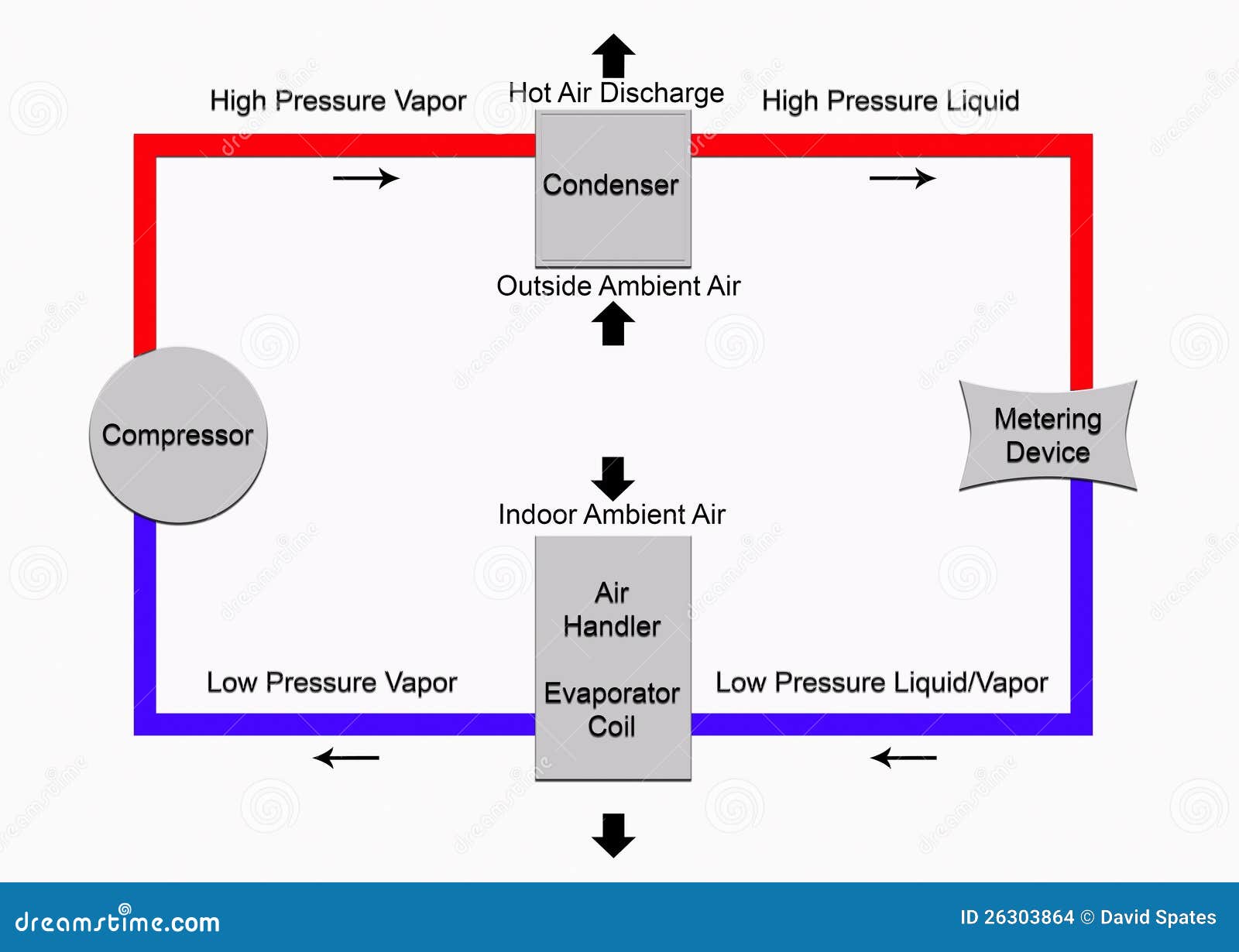
The air conditioning cycle, at its core, is a closed-loop system that transfers heat from inside your home to the outside. This process relies on four main components, working in harmony:
- The Evaporator: Located inside your home, usually within the indoor air handler, the evaporator is where the refrigerant absorbs heat from the air.
- The Compressor: The heart of the system, typically housed in the outdoor unit, the compressor pressurizes the refrigerant, raising its temperature and preparing it for the next stage.
- The Condenser: Also located in the outdoor unit, the condenser releases the heat absorbed from inside your home into the outside air.
- The Expansion Valve (or Metering Device): This component controls the flow of refrigerant into the evaporator, reducing its pressure and temperature, thus enabling it to absorb heat.
The Air Conditioning Cycle: A Step-by-Step Breakdown
Let's delve into the journey of the refrigerant as it cycles through these components:
- Evaporation: Low-pressure, low-temperature liquid refrigerant enters the evaporator coil. As air from your home is blown across the coil, the refrigerant absorbs heat, causing it to evaporate and turn into a low-pressure, low-temperature gas. This process cools the air, which is then circulated back into your home through the ductwork.
- Compression: The low-pressure, low-temperature refrigerant gas then flows to the compressor. The compressor increases the pressure and temperature of the refrigerant gas. This high-pressure, high-temperature gas is now ready to release its heat.
- Condensation: The high-pressure, high-temperature refrigerant gas enters the condenser coil. Here, the refrigerant releases heat to the outside air, causing it to condense back into a high-pressure, high-temperature liquid. A fan helps dissipate the heat by blowing air across the condenser coil.
- Expansion: The high-pressure, high-temperature liquid refrigerant then flows to the expansion valve (or metering device). This valve restricts the flow of refrigerant, causing a significant drop in pressure and temperature. The refrigerant is now a low-pressure, low-temperature liquid, ready to begin the cycle again in the evaporator.
Refrigerant: The Lifeblood of Your Air Conditioner
The refrigerant is the working fluid that carries heat throughout the system. Older systems often used R-22 refrigerant, but this has been phased out due to its environmental impact. Modern systems typically use R-410A, which is more environmentally friendly but still requires careful handling by qualified technicians. The shift towards even newer refrigerants with lower Global Warming Potential (GWP), such as R-32 and R-454B, is ongoing. Always check with your HVAC professional to ensure proper refrigerant handling and disposal.
Key Performance Metrics: SEER, EER, and AFUE
When evaluating air conditioning systems, understanding key performance metrics is crucial for making an energy-efficient choice:
- SEER (Seasonal Energy Efficiency Ratio): This rating measures the cooling efficiency of an air conditioner over an entire cooling season. The higher the SEER rating, the more efficient the unit. Current minimum SEER standards vary by region. Look for systems with a SEER rating of 15 or higher for good efficiency. Some high-efficiency systems can achieve SEER ratings of 20 or more.
- EER (Energy Efficiency Ratio): EER measures the cooling efficiency of an air conditioner at a specific set of conditions (temperature and humidity). While SEER provides a broader view of seasonal performance, EER can be useful for comparing units under specific operating conditions.
- AFUE (Annual Fuel Utilization Efficiency): While AFUE primarily applies to furnaces (heating systems), it's worth noting as HVAC systems often combine heating and cooling. AFUE measures the efficiency of a furnace in converting fuel into heat. A higher AFUE rating indicates a more efficient furnace.
Popular Brands and Models: A Comparative Look
The HVAC market offers a wide array of brands and models, each with its own strengths and weaknesses. Here's a brief overview of some popular options:
- Carrier: Known for their reliability and advanced technology. Carrier offers a range of systems with high SEER ratings and features like variable-speed compressors for enhanced comfort and energy savings.
- Trane: Another reputable brand with a focus on durability and performance. Trane units are often praised for their robust construction and quiet operation.
- Lennox: Lennox systems are known for their innovative features and energy efficiency. They offer models with some of the highest SEER ratings on the market.
- Goodman: Goodman provides more budget-friendly options without sacrificing essential performance. They offer a good balance of affordability and reliability.
- Rheem: Rheem is a well-established brand offering a wide range of HVAC products. Known for their innovation and commitment to energy efficiency.
It's important to compare specific models within each brand based on your individual needs and budget. Consider factors like the size of your home, climate, and desired energy efficiency.
Warranty and Maintenance: Protecting Your Investment
A comprehensive warranty provides peace of mind and protects you from unexpected repair costs. Most manufacturers offer warranties on their components, but the length and coverage can vary. Be sure to carefully review the warranty terms before making a purchase. Regular maintenance is also crucial for extending the life of your HVAC system and maintaining its efficiency. Schedule annual or bi-annual checkups with a qualified HVAC technician to inspect and clean the system, replace filters, and address any potential issues.
Troubleshooting Common Air Conditioning Problems
Even with proper maintenance, air conditioning systems can sometimes encounter problems. Here are some common issues and potential causes:
- Unit Not Cooling: Could be due to a refrigerant leak, dirty air filter, frozen evaporator coil, or a faulty compressor.
- Weak Airflow: Often caused by a clogged air filter, blocked ducts, or a malfunctioning blower motor.
- Strange Noises: May indicate a problem with the compressor, fan motor, or other mechanical components.
- Water Leaks: Could be a clogged condensate drain line.
While some minor issues, like replacing a dirty air filter, can be addressed by homeowners, it's best to consult a qualified HVAC technician for more complex problems. Attempting to repair the system yourself without proper training can be dangerous and may void the warranty.
The Cost of Air Conditioning: Factors to Consider
The cost of an air conditioning system can vary widely depending on the brand, model, size, and features. Expect to pay more for high-efficiency systems with advanced technology. Installation costs can also vary depending on the complexity of the project and the location of your home. In addition to the initial purchase and installation costs, consider the ongoing operating costs, including energy consumption and maintenance expenses. A higher SEER rating can translate into significant energy savings over the lifespan of the system.
Making the Right Choice: Tips for Selecting an Air Conditioning System
Choosing the right air conditioning system for your home is a significant investment. Here are some key factors to consider:
- Size: Proper sizing is crucial for optimal performance and efficiency. An undersized unit will struggle to cool your home, while an oversized unit can cycle on and off frequently, leading to increased wear and tear. A qualified HVAC technician can perform a load calculation to determine the appropriate size for your home.
- Efficiency: Look for systems with a high SEER rating to minimize energy consumption and reduce your utility bills.
- Features: Consider features like variable-speed compressors, smart thermostats, and zoning systems for enhanced comfort and control.
- Budget: Establish a budget and stick to it. Compare prices from different dealers and consider financing options if needed.
- Professional Installation: Choose a qualified and experienced HVAC contractor to ensure proper installation and optimal performance.
Remember, a well-chosen and properly installed air conditioning system can provide years of comfort and energy savings.
By understanding the basic air conditioning cycle and the factors involved in selecting a new system, you can make an informed decision that meets your needs and budget. Don't hesitate to consult with multiple HVAC professionals to get quotes and advice before making a final decision. Investing in a quality air conditioning system is an investment in your comfort, health, and the value of your home.