The Best Window Air Conditioning Units
Window air conditioning units offer a readily available and relatively inexpensive solution for cooling individual rooms or small spaces. While not as efficient or comprehensive as central air systems, they provide a valuable option for homeowners, renters, and property managers seeking targeted cooling. This article explores the various types of window AC units, their features, and key considerations for selecting the best model for your needs.
Understanding Window AC Basics
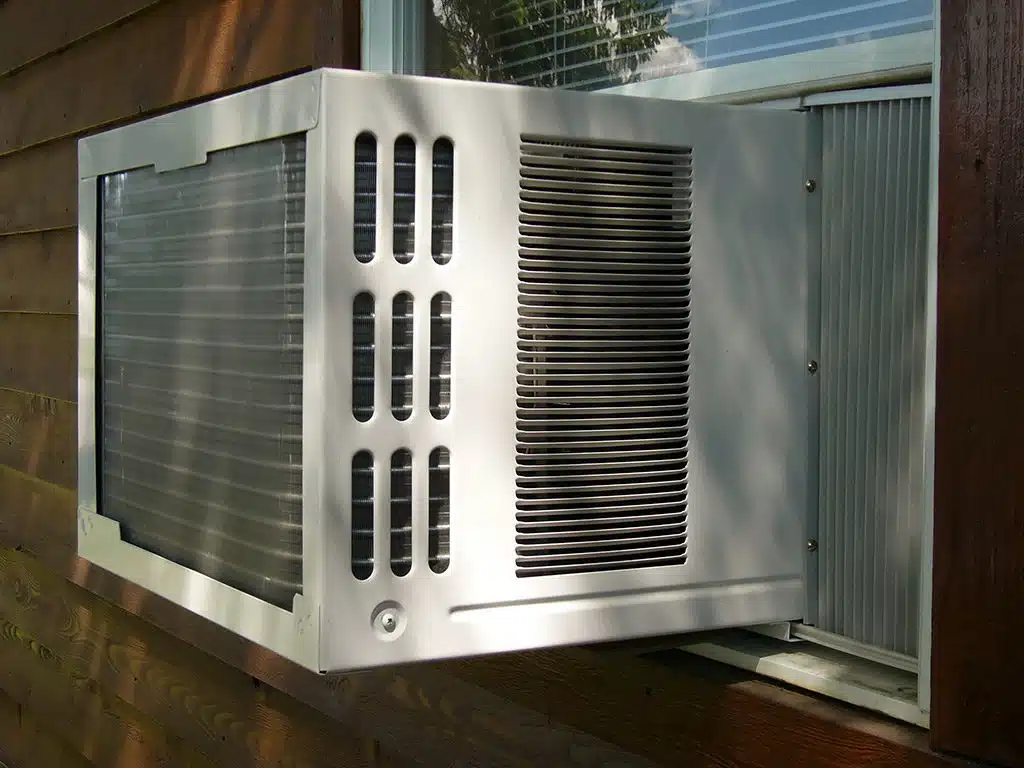
Window AC units operate on the same principle as larger air conditioning systems, using a refrigerant cycle to extract heat from the indoor air and release it outside. A compressor circulates the refrigerant through an evaporator coil, where it absorbs heat and cools the air. The heated refrigerant then travels to a condenser coil, where the heat is dissipated to the outside air. A fan blows cool air into the room and exhausts hot air outside.
Key Components:
- Compressor: The heart of the system, responsible for circulating refrigerant.
- Evaporator Coil: Absorbs heat from the indoor air.
- Condenser Coil: Releases heat to the outside air.
- Refrigerant: The substance that absorbs and releases heat. Common refrigerants include R-32 and R-410A (though newer, more environmentally friendly options are becoming more prevalent).
- Fan: Circulates air over the coils and into the room.
- Filter: Removes dust and other particles from the air.
- Thermostat: Controls the cooling operation based on the set temperature.
Types of Window AC Units
While the basic operating principle remains the same, window AC units come in various sizes and configurations:
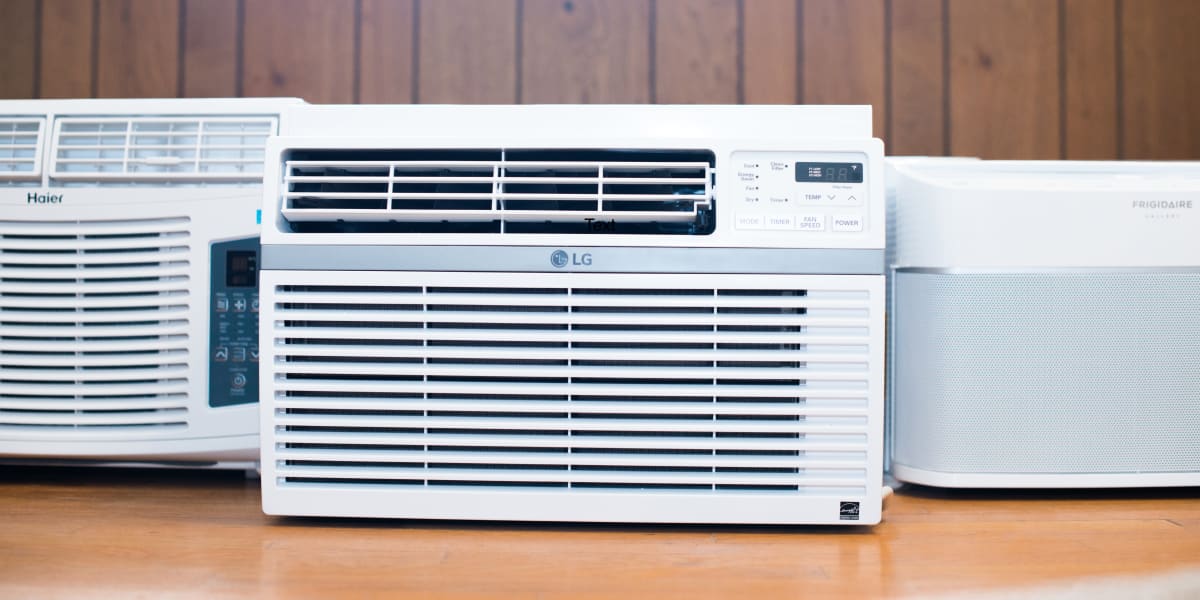
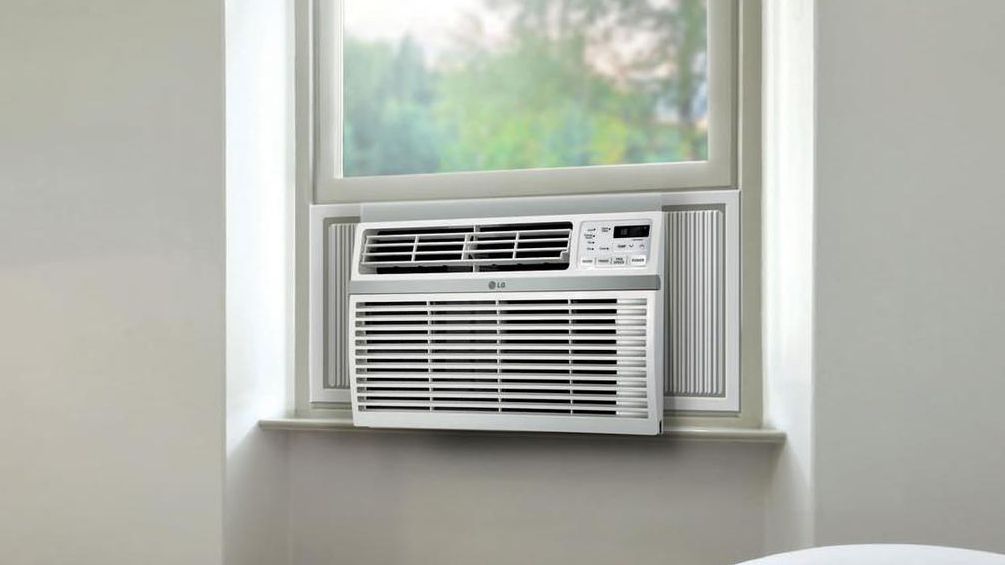
Standard Window Units
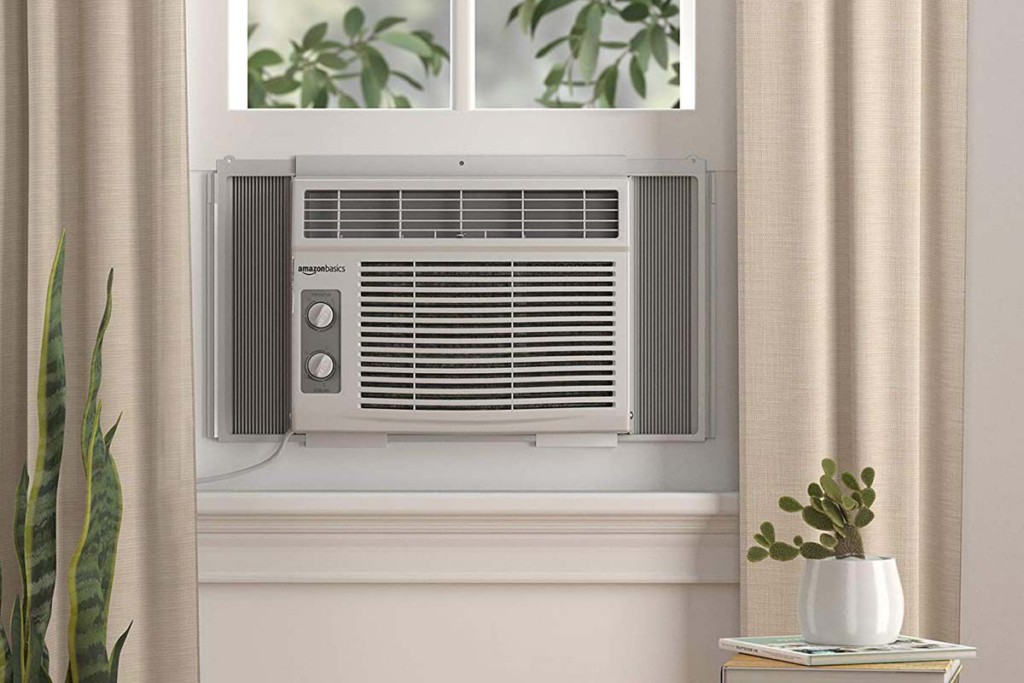
These are the most common type, designed to fit into standard double-hung windows. They typically feature adjustable side panels to seal the gaps around the unit. Sizes range from small units suitable for bedrooms to larger models capable of cooling living rooms. The cooling capacity, measured in British Thermal Units (BTUs), determines the size of the room the unit can effectively cool. A general rule of thumb is 20 BTU per square foot of living space, but factors like sunlight exposure, ceiling height, and insulation can affect the required BTU.
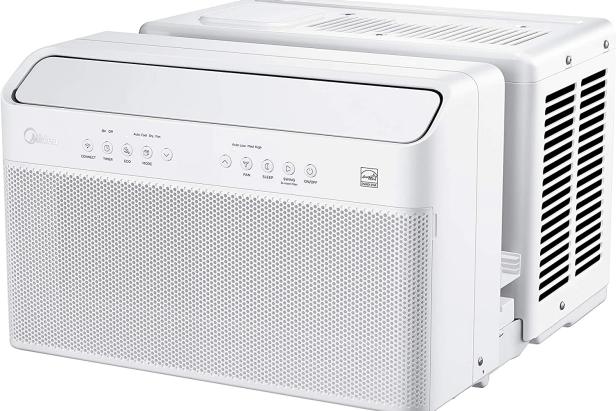
Smart Window AC Units
These models incorporate smart features like Wi-Fi connectivity, smartphone control, and voice assistant compatibility. They allow for remote operation, scheduling, and energy monitoring. Some smart units also integrate with smart home systems for automated temperature control. Often, these units can report energy usage, helping homeowners better understand their energy consumption patterns and adjust settings accordingly.
Through-the-Wall AC Units
These units are designed to be installed in a dedicated wall opening rather than a window. They often offer a more permanent and aesthetically pleasing solution, and tend to be quieter than window units as the compressor is often better isolated. Through-the-wall units typically require professional installation. Some models are designed to fit the same sleeve as older units, making replacement easier.
Portable Air Conditioners
While technically not window units, portable air conditioners are often considered as an alternative. They feature wheels for easy movement and vent through a window using an exhaust hose. Portable ACs offer flexibility, but they are generally less energy-efficient and noisier than window units. The exhaust hose can also let warm air leak back into the room, reducing cooling efficiency. Dual-hose models are more efficient as they draw air from outside to cool the condenser, rather than using room air.
Factors to Consider When Choosing a Window AC Unit
Selecting the right window AC unit involves considering several factors:
Cooling Capacity (BTU)
Determine the appropriate BTU rating based on the room size and other factors like sunlight exposure and insulation. An undersized unit will struggle to cool the room effectively, while an oversized unit may cycle on and off frequently, leading to uneven cooling and higher energy consumption. Online BTU calculators can help estimate the required cooling capacity.
Energy Efficiency (EER and SEER)
Look for units with high Energy Efficiency Ratio (EER) and Seasonal Energy Efficiency Ratio (SEER) ratings. EER measures the cooling output in BTU per watt of electricity consumed, while SEER considers the unit's efficiency over an entire cooling season. Higher EER and SEER ratings indicate better energy efficiency and lower operating costs. Consider units with the Energy Star label, which signifies that they meet strict energy efficiency standards. While SEER is usually associated with central AC systems, it's becoming more common to see this rating on higher-end window units as well.
Noise Level
Window AC units can be noisy, especially older models. Check the decibel (dB) rating before purchasing. Lower dB ratings indicate quieter operation. Some manufacturers offer models with features like noise reduction technology. Inverter-driven units tend to be quieter than those that rely on start-stop operation.
Features
Consider features like adjustable fan speeds, sleep mode, timers, and remote control. Smart features like Wi-Fi connectivity and voice control can add convenience. Some units also offer dehumidification mode, which can help reduce humidity levels in the room. Look for models with easily removable and washable filters to maintain air quality. Some units include a "follow me" feature, where the remote acts as a thermostat, ensuring accurate temperature reading at the remote's location.
Installation
Window AC units are generally easy to install, but ensure the window frame is sturdy and in good condition. Follow the manufacturer's instructions carefully. Consider purchasing additional support brackets for larger or heavier units. For through-the-wall units, professional installation is typically recommended. Technicians can ensure proper sealing and structural support.
Cost
The cost of a window AC unit varies depending on its size, features, and energy efficiency. Factor in the initial purchase price, operating costs (electricity), and potential installation costs. Over the long term, a more energy-efficient unit may save money on electricity bills, even if it has a higher initial price.
Maintenance Tips
Proper maintenance can extend the lifespan and improve the performance of your window AC unit:
- Clean the filter regularly: Clean the filter every month, or more frequently if you have pets or allergies. A dirty filter restricts airflow and reduces cooling efficiency.
- Clean the coils: Periodically clean the evaporator and condenser coils to remove dust and debris. Use a soft brush or vacuum cleaner with a brush attachment. You can also use a coil cleaner specifically designed for AC units.
- Check the seals: Ensure the seals around the unit are tight to prevent air leaks. Replace worn or damaged seals.
- Winter storage: Remove the unit from the window and store it in a dry place during the off-season. Cover the unit to protect it from dust and debris.
- Professional servicing: Consider having a professional HVAC technician inspect and service your unit every few years.
Cost Comparison and Lifespan
Window AC units generally range in price from $150 to $600, depending on size, features, and brand. Portable air conditioners can be similarly priced, while through-the-wall units often cost more due to the more complex installation. Expect to pay an additional $100-$500 for professional installation of a through-the-wall AC, depending on the complexity of the project.
The lifespan of a window AC unit is typically 5-10 years with proper maintenance. Factors like usage, environmental conditions, and quality of the unit can affect its lifespan. Investing in a higher-quality unit with a longer warranty can provide peace of mind.
Compared to central AC, window units are less expensive to purchase and install but generally less energy-efficient. Central AC systems, while having a higher upfront cost, offer whole-house cooling and typically have higher SEER ratings, leading to lower long-term operating costs.
Conclusion
Window air conditioning units offer a practical and affordable solution for cooling individual rooms. By understanding the different types of units, considering key factors like cooling capacity, energy efficiency, and noise level, and following proper maintenance practices, homeowners, renters, and property managers can select the best model for their needs and enjoy efficient and comfortable cooling. Properly sizing the unit for the space is crucial, as is regular cleaning and maintenance to ensure optimal performance and longevity of the unit. Remember to consider long-term operating costs and features that enhance convenience and energy savings.



:max_bytes(150000):strip_icc()/soleus-ws3-06e-201-6000-btu-saddle-window-air-conditioner-3aaac5575b5f4d1eb6de63ea06a936a8.jpg)