The Difference Between A Bearing And A Bushing

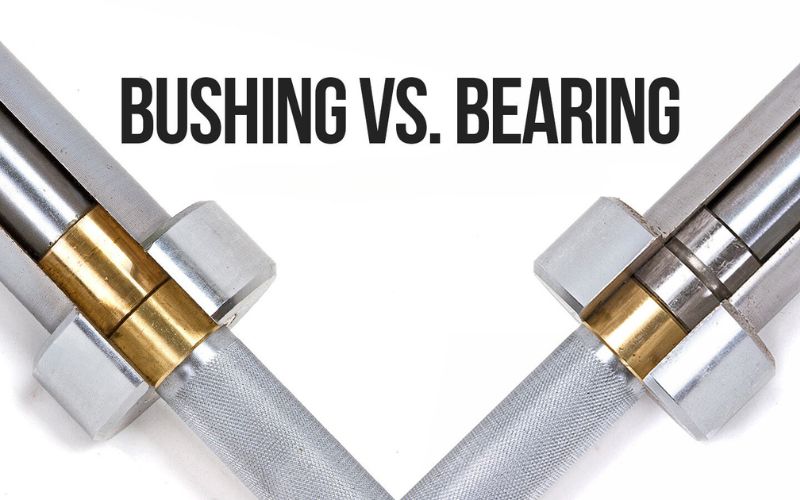
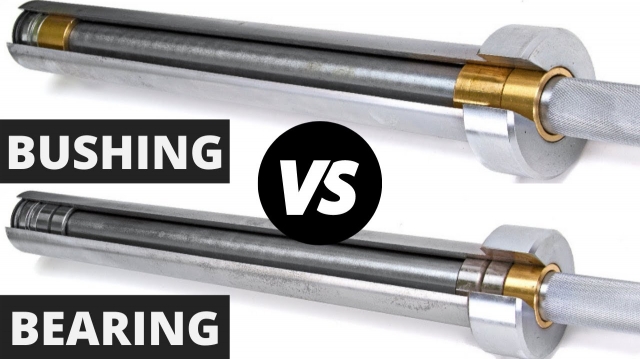
When diving into the mechanics of your HVAC system, you'll inevitably encounter terms like bearings and bushings. While both serve the fundamental purpose of reducing friction between moving parts, their design, application, and performance characteristics differ significantly. Understanding these differences is crucial for making informed decisions about HVAC maintenance, repairs, and replacements.
Bearings: Precision and Performance
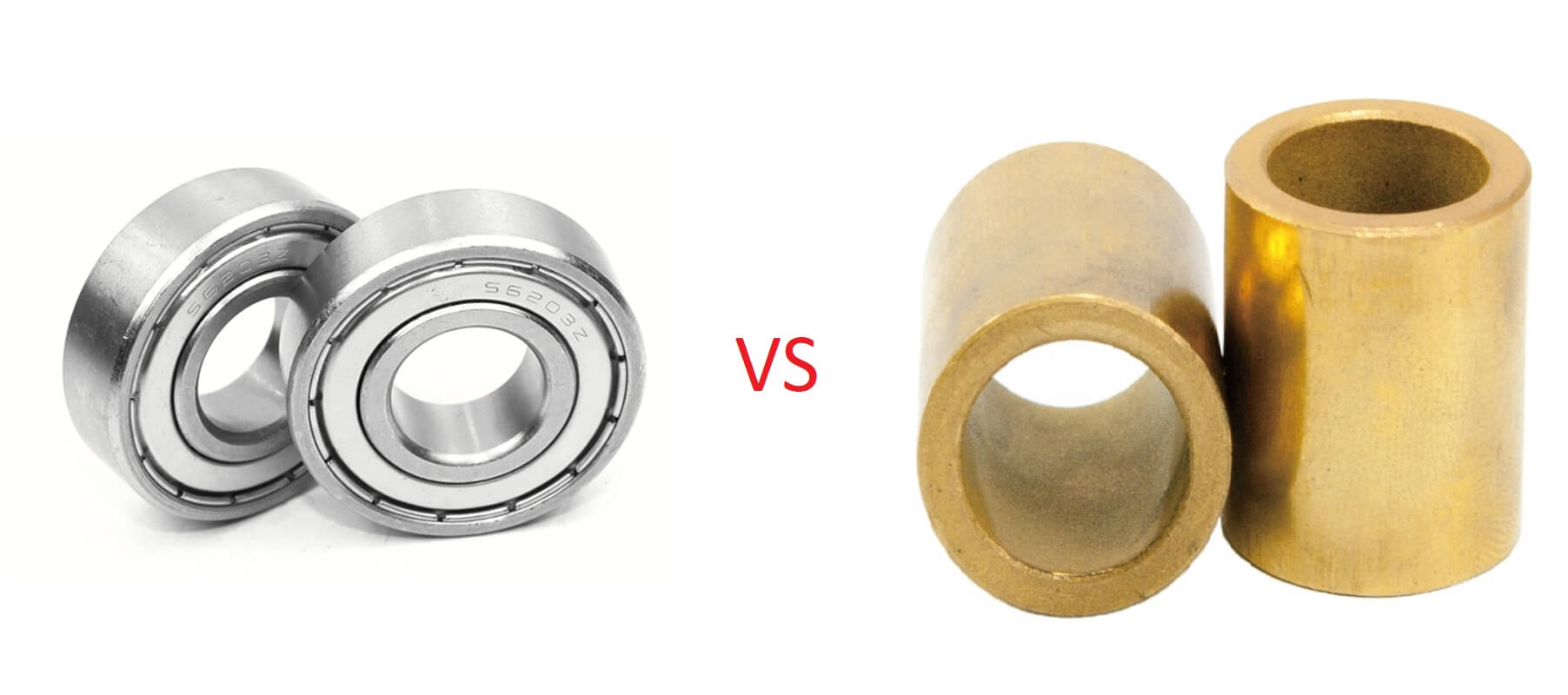
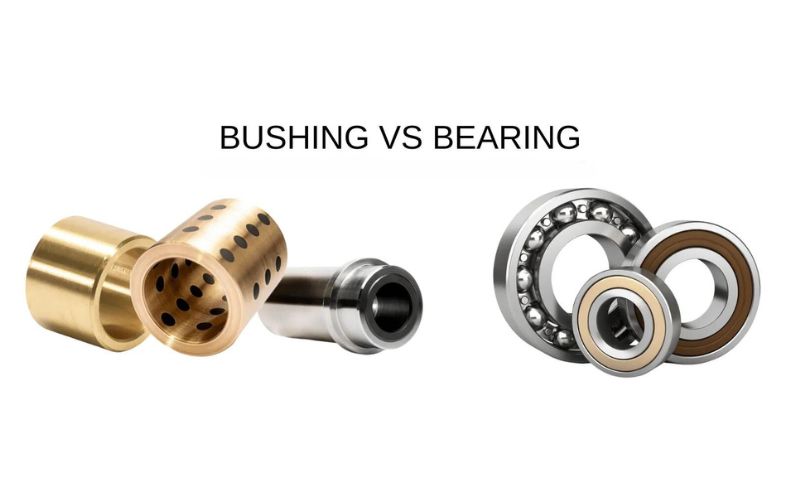
A bearing is a mechanical component designed to reduce rotational friction and support loads. They achieve this by using rolling elements – typically balls or rollers – between two surfaces. This rolling action significantly minimizes friction compared to surfaces sliding directly against each other. Think of a skateboard wheel; its smooth rotation relies heavily on its bearings.
Types of Bearings Used in HVAC Systems
Several types of bearings find their way into HVAC units, each suited for specific applications:
- Ball Bearings: These are the most common type, found in electric motors powering fans, blowers, and compressors. Their strength lies in handling radial loads (forces perpendicular to the shaft) and, to a lesser extent, axial loads (forces parallel to the shaft).
- Roller Bearings: Designed for heavier loads than ball bearings, roller bearings use cylindrical or tapered rollers. They are often found in larger industrial HVAC equipment and some high-capacity compressors.
- Sleeve Bearings (also called Plain Bearings): While technically a type of bushing, some manufacturers refer to them as sleeve bearings. They rely on a thin film of lubricant between the rotating shaft and the bearing surface to reduce friction. These are less common in modern HVAC systems but may be present in older units or in some small fan motors.
Pros of Using Bearings
- Lower Friction: Bearings offer significantly lower friction than bushings, leading to reduced energy consumption and improved efficiency.
- Higher Load Capacity: They can handle heavier loads and higher speeds, making them suitable for demanding applications.
- Longer Lifespan: Properly lubricated and maintained bearings typically last longer than bushings.
- Precision: Bearings offer tighter tolerances and more precise movement.
Cons of Using Bearings
- Higher Cost: Bearings are generally more expensive to manufacture and replace than bushings.
- More Complex Design: Their intricate design requires precise manufacturing and assembly.
- Susceptible to Contamination: Dirt and debris can damage bearings, requiring regular cleaning and lubrication.
- Noise: Although usually quiet, damaged or worn bearings can generate noticeable noise.
Bushings: Simplicity and Reliability
A bushing, also known as a plain bearing or sleeve bearing, is a simple cylindrical component that supports a rotating or sliding shaft. Unlike bearings with rolling elements, bushings rely on a thin film of lubricant – typically oil or grease – between the shaft and the bushing surface to minimize friction. They are often made from materials like bronze, brass, nylon, or Teflon.
Applications of Bushings in HVAC Systems
Bushings are typically found in lower-speed, lower-load applications within HVAC units:
- Small Fan Motors: Bushings are common in smaller fan motors used for ventilation or exhaust.
- Damper Linkages: They provide smooth movement for damper control systems.
- Some Compressor Components: In older or smaller compressors, bushings may be used in certain linkages.
Pros of Using Bushings
- Lower Cost: Bushings are significantly cheaper to manufacture and replace than bearings.
- Simple Design: Their simple design makes them easy to install and maintain.
- Durable: Bushings can withstand shock loads and vibrations better than some types of bearings.
- Self-Lubricating Options: Some bushings are made from self-lubricating materials, reducing maintenance requirements.
Cons of Using Bushings
- Higher Friction: Bushings generally have higher friction than bearings, leading to increased energy consumption and lower efficiency.
- Lower Load Capacity: They are not suitable for high-load or high-speed applications.
- Shorter Lifespan: Bushings tend to wear out faster than bearings, requiring more frequent replacement.
- Less Precise Movement: They offer less precise movement and greater clearance than bearings.
Comparing Bearings and Bushings: Key Differences Summarized
To recap, here's a table highlighting the key differences between bearings and bushings:
| Feature | Bearing | Bushing |
|---|---|---|
| Friction | Low | High |
| Load Capacity | High | Low |
| Lifespan | Long | Short |
| Cost | High | Low |
| Complexity | Complex | Simple |
| Applications | High-speed, high-load | Low-speed, low-load |
Choosing the Right HVAC System: Considering Bearing and Bushing Implications
While the specific type of bearing or bushing used in an HVAC system might not be the primary factor in your purchasing decision, understanding their role can offer valuable insights into the unit's overall quality, efficiency, and longevity.
Here's how bearings and bushings relate to popular HVAC brands and models:
- High-Efficiency Systems (e.g., Trane XV20i, Carrier Infinity 26): These systems typically utilize high-quality bearings in their motors and compressors to maximize efficiency and minimize energy consumption. Look for models with variable-speed compressors and ECM (Electronically Commutated Motor) fans, as these often incorporate advanced bearing technology. Aim for SEER ratings of 20 or higher and AFUE ratings of 95% or higher for furnaces.
- Mid-Range Systems (e.g., Rheem Classic Plus Series, Goodman GSX16): These systems may use a combination of bearings and bushings, depending on the specific component. While still reliable, their energy efficiency and lifespan may be slightly lower than high-end models. Look for SEER ratings between 14 and 18 and AFUE ratings between 80% and 90%.
- Entry-Level Systems (e.g., Payne PA13NA, Amana ASX13): These systems often rely more heavily on bushings in certain components to keep costs down. While perfectly functional, they may require more frequent maintenance and have a shorter lifespan. Expect SEER ratings around 13-14 and AFUE ratings around 80%.
Example: A Carrier Infinity 26 air conditioner boasts a high SEER rating, thanks in part to its efficient compressor motor that likely utilizes high-quality ball bearings. This contributes to lower energy bills and a longer lifespan compared to a unit with a less sophisticated motor and bushing design.
Warranties and Maintenance: Protecting Your Investment
Regardless of whether your HVAC system uses bearings or bushings, regular maintenance is crucial for maximizing its lifespan and performance. Here's what you need to know:
- Lubrication: Proper lubrication is essential for both bearings and bushings. Follow the manufacturer's recommendations for lubricant type and frequency of application. Some bearings may be sealed and require no lubrication.
- Cleaning: Keep your HVAC unit clean to prevent dirt and debris from damaging bearings and bushings. Regularly clean or replace air filters to prevent contaminants from entering the system.
- Professional Inspection: Schedule annual inspections with a qualified HVAC technician. They can identify potential problems early on and ensure that bearings and bushings are properly lubricated and functioning correctly.
Warranties are also a critical consideration. Most HVAC manufacturers offer warranties on their products, typically covering parts and labor for a specified period. Be sure to carefully review the warranty terms and conditions to understand what is covered and what is not. Extended warranties can provide added peace of mind, especially for high-end systems.
Cost Considerations
The cost of replacing bearings or bushings in an HVAC system varies depending on the type of component, the location of the failure, and the labor costs in your area. Replacing a simple bushing in a fan motor may cost only a few dollars in parts and a couple of hours of labor. However, replacing a bearing in a compressor can be a much more expensive proposition, potentially costing several hundred dollars or more. In some cases, it may be more cost-effective to replace the entire compressor rather than just the bearing.
Pro Tip: Get multiple quotes from reputable HVAC contractors before committing to any repairs. Ask for a detailed breakdown of the costs, including parts, labor, and any other associated fees.
Conclusion
Understanding the difference between bearings and bushings, their applications in HVAC systems, and their impact on performance and longevity is essential for making informed decisions about purchasing, maintaining, and repairing your heating and cooling equipment. While bearings generally offer superior performance and efficiency, bushings provide a cost-effective solution for certain applications. By considering these factors, along with SEER, AFUE, and HSPF ratings, warranties, and maintenance requirements, you can choose the HVAC system that best meets your needs and budget.