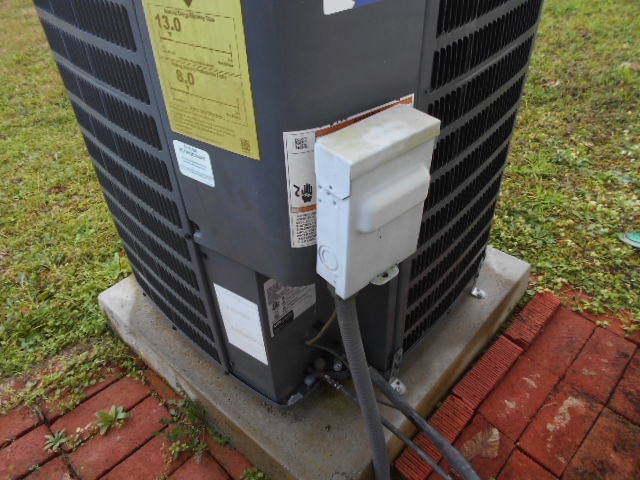
The Electrical Disconnect Box For A Rooftop Unit Is

The humble disconnect switch box – often seen mounted near or even directly on a rooftop unit (RTU) – is arguably the most critical safety component an HVAC technician interacts with on a regular basis. More than just a simple on/off switch, it's a crucial element in safeguarding technicians from potentially lethal electrical hazards during maintenance, repair, or installation procedures. Understanding its function, code requirements, and proper usage is paramount for anyone working with HVAC equipment, from apprentices just starting out to seasoned professionals.
Why the Disconnect Matters: Safety First
The primary purpose of the electrical disconnect box is to provide a readily accessible means of completely cutting off electrical power to the RTU. This isolation allows technicians to work safely on the equipment without the risk of electrocution. Without a properly functioning disconnect, even seemingly minor tasks can become incredibly dangerous. Imagine replacing a blower motor capacitor on a live circuit – the consequences could be fatal.
Consider this scenario: A technician is called to a commercial building to troubleshoot a faulty RTU. The unit isn't running, but the technician doesn't know why. Without verifying that the disconnect switch is in the OFF position, the technician opens the unit's control panel. Suddenly, a short circuit occurs, energizing the metal casing. The technician, inadvertently grounded, receives a severe electric shock. A properly used and maintained disconnect switch could have prevented this.
According to the Bureau of Labor Statistics (BLS), electrical-related injuries in the construction and HVAC industries are consistently among the leading causes of workplace fatalities and serious injuries.
This highlights the undeniable importance of adhering to safety protocols and understanding the purpose of every safety device, with the disconnect switch being a key component.
Code Compliance and Installation
The National Electrical Code (NEC) and local building codes meticulously govern the installation and placement of disconnect switches for HVAC equipment. These codes are not arbitrary; they are based on decades of experience and analysis of electrical safety incidents. Key requirements typically include:
- Line of Sight: The disconnect must be within sight of the RTU or be capable of being locked in the open (off) position. This prevents accidental re-energization of the unit while someone is working on it. The "line of sight" rule ensures the disconnect is easily accessible and visually verifiable as being in the off position.
- Accessibility: The disconnect must be readily accessible without requiring the removal of obstacles or the use of tools (except for opening the enclosure itself).
- Ampacity Rating: The disconnect switch must be rated to handle the full load current of the RTU. Using an undersized disconnect can lead to overheating and failure, potentially causing a fire hazard.
- Weather Resistance: Disconnects located outdoors must be rated for outdoor use (NEMA 3R or higher) to protect against rain, snow, and other environmental factors.
- Proper Labeling: The disconnect switch must be clearly labeled to indicate which RTU it controls. This prevents confusion and ensures that the correct unit is de-energized.
Improper installation can have serious consequences. For example, using an indoor-rated disconnect outdoors can lead to corrosion and malfunction, rendering it useless in an emergency. Similarly, failing to properly label the disconnect can lead to confusion, potentially causing a technician to de-energize the wrong unit, disrupting operations and creating a safety hazard.
Types of Disconnect Switches
Several types of disconnect switches are commonly used for RTUs, each with its own advantages and disadvantages:
- Fusible Disconnects: These switches incorporate fuses to provide overcurrent protection in addition to disconnecting the power. They are often used in larger RTUs with higher voltage requirements. Replacing a blown fuse with the correct amperage rating is a common maintenance task.
- Non-Fusible Disconnects: These switches provide only a means of disconnecting power and do not offer overcurrent protection. They are typically used in smaller RTUs.
- Pull-Out Disconnects: These switches feature a removable handle that, when pulled out, breaks the electrical connection. They are commonly used in residential and light commercial applications.
- Circuit Breaker Disconnects: While not technically a "disconnect switch" in the traditional sense, a dedicated circuit breaker within sight of the RTU can serve as a code-compliant disconnect.
Choosing the right type of disconnect depends on the specific requirements of the RTU and local code regulations. Always consult with a qualified electrician or HVAC professional to ensure proper selection and installation.
The Role of Certifications: NATE, EPA 608, and Electrical Safety
For HVAC technicians, obtaining relevant certifications demonstrates competency and professionalism, enhancing career prospects and earning potential. While specific certifications directly related to disconnect switch maintenance might be limited, several certifications cover related skills and knowledge.
- NATE (North American Technician Excellence): NATE certification validates a technician's knowledge and skills in various HVAC disciplines, including electrical systems and safety practices. Holding a NATE certification can significantly improve a technician's credibility and marketability.
- EPA 608 Certification: While primarily focused on refrigerant handling, EPA 608 certification emphasizes the importance of safety in HVAC work, indirectly reinforcing the need to understand and adhere to electrical safety protocols.
- Electrical Safety Certifications (OSHA 10/30): Obtaining OSHA 10 or 30-hour certifications provides valuable training on electrical safety hazards and best practices, equipping technicians with the knowledge to identify and mitigate risks associated with electrical work.
- Journeyman/Master Electrician License: For technicians who frequently perform electrical work on HVAC systems, obtaining a Journeyman or Master Electrician license can open up new career opportunities and demonstrate a high level of expertise.
According to recent salary surveys, NATE-certified technicians often command higher salaries than their non-certified counterparts, reflecting the value employers place on demonstrated competence. Average salaries for HVAC technicians range from $45,000 to $75,000 per year, with higher earners typically possessing advanced certifications and specialized skills.
Career Paths and Job Outlook
The HVAC industry offers a diverse range of career paths, from entry-level installer positions to specialized roles such as service technicians, system designers, and project managers. Understanding electrical systems, including disconnect switch functionality, is a fundamental requirement for success in virtually any HVAC career.
Here are some potential career paths:
- HVAC Installer: Entry-level position involving the installation of HVAC equipment, including RTUs. Requires basic knowledge of electrical wiring and safety practices.
- HVAC Service Technician: Troubleshoots and repairs HVAC systems, including electrical components. Requires a strong understanding of electrical circuits and control systems.
- HVAC Controls Technician: Specializes in the installation, programming, and maintenance of HVAC control systems. Requires advanced knowledge of electrical and electronic systems.
- HVAC System Designer: Designs HVAC systems for residential and commercial buildings. Requires a thorough understanding of electrical codes and safety standards.
The Bureau of Labor Statistics projects a growth rate of 6% for HVAC mechanics and installers over the next decade, indicating a strong demand for qualified professionals. This growth is driven by factors such as increasing construction activity, the need to replace aging HVAC systems, and growing demand for energy-efficient solutions.
Real-World Career Examples
Example 1: Maria starts as an HVAC installer's helper after completing a vocational program. She quickly learns the importance of safety procedures, including proper disconnect switch usage. She pursues NATE certification in air conditioning and becomes a lead installer within three years.
Example 2: David, a seasoned HVAC technician, recognizes the growing demand for smart HVAC systems. He obtains additional training in electrical controls and earns a certification as a building automation systems (BAS) specialist. He now commands a premium salary installing and maintaining complex control systems in commercial buildings.
Example 3: Sarah, initially a service technician, identifies a need for more reliable and energy-efficient HVAC systems in her community. She pursues a degree in mechanical engineering and becomes an HVAC system designer, focusing on sustainable building practices.
Best Practices and Maintenance
Proper maintenance of disconnect switches is essential to ensure their reliable operation and the safety of technicians. Regular inspections should include:
- Visual Inspection: Check for signs of damage, corrosion, or overheating.
- Functional Testing: Verify that the switch operates smoothly and completely disconnects power.
- Tightening Connections: Ensure that all electrical connections are tight and secure.
- Cleaning: Remove any dirt, debris, or moisture from the switch enclosure.
If any issues are identified during inspection, the disconnect switch should be repaired or replaced immediately. Never attempt to bypass or disable a disconnect switch, as this can create a serious safety hazard.
Remember, the electrical disconnect box for a rooftop unit is more than just a switch; it's a critical safety device that protects technicians from electrical hazards. Understanding its function, code requirements, and proper usage is essential for anyone working with HVAC equipment. By prioritizing safety and investing in relevant certifications, HVAC professionals can build successful and rewarding careers in this growing industry.
Continuing education and staying updated on the latest electrical codes and safety standards is crucial for all HVAC professionals. Organizations like the Electrical Training ALLIANCE and local community colleges offer valuable training programs to enhance skills and knowledge.