The Expected Temperature Drop Through A Direct Expansion Evaporator Coil
Understanding Temperature Drop in Your AC: A Guide to Efficiency and Savings
If you're looking to slash your energy bills and make your home or business more comfortable, understanding how your air conditioner works is key. A crucial component of any air conditioning system is the direct expansion (DX) evaporator coil. This is where the magic of cooling happens, and understanding the expected temperature drop across it can unlock significant energy savings.
What's the DX Evaporator Coil and Why Should You Care?
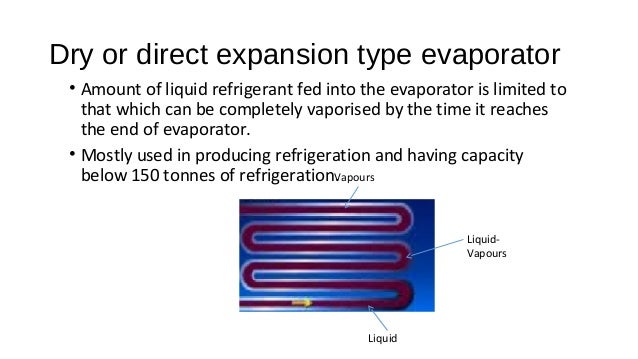
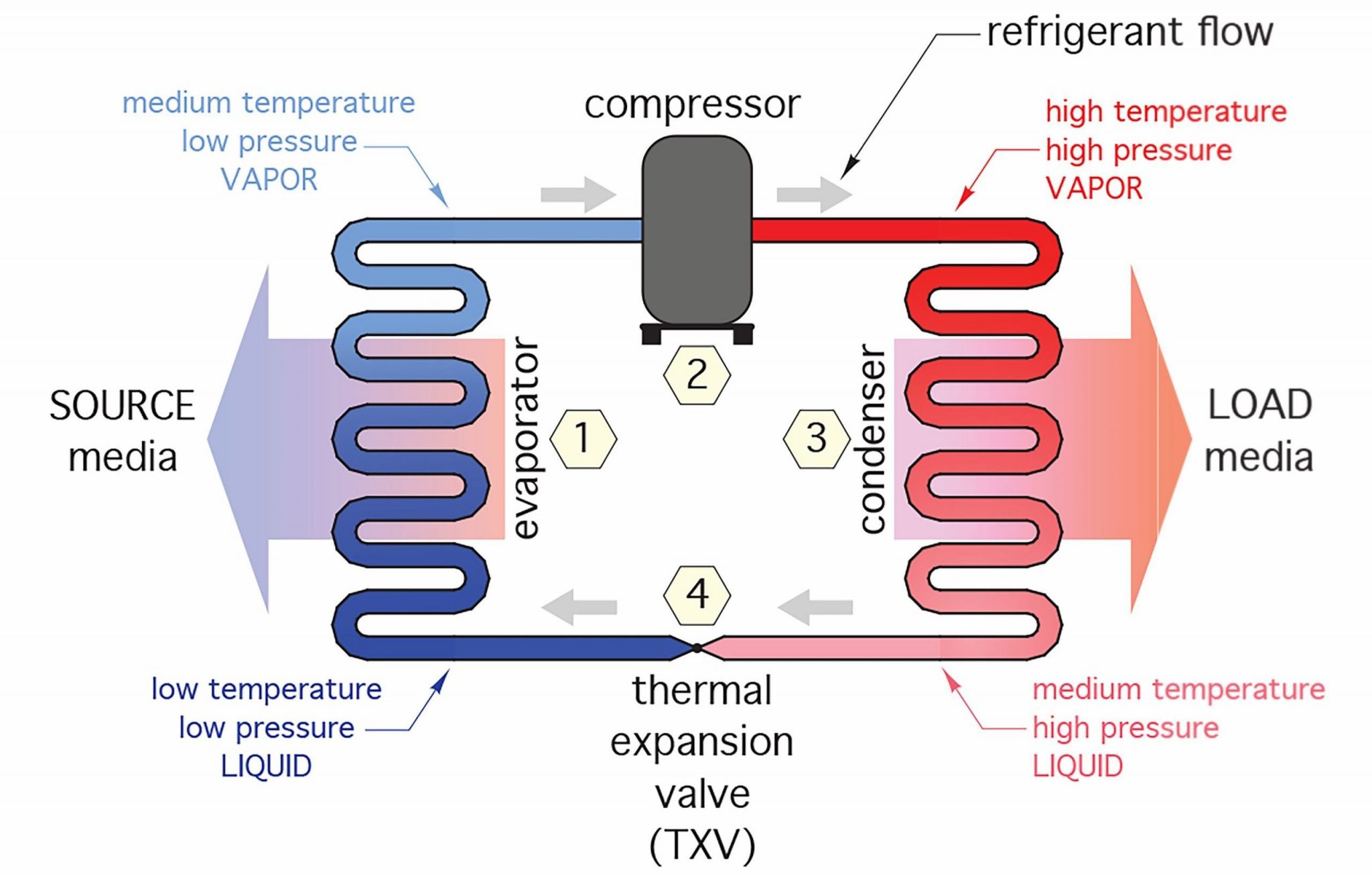
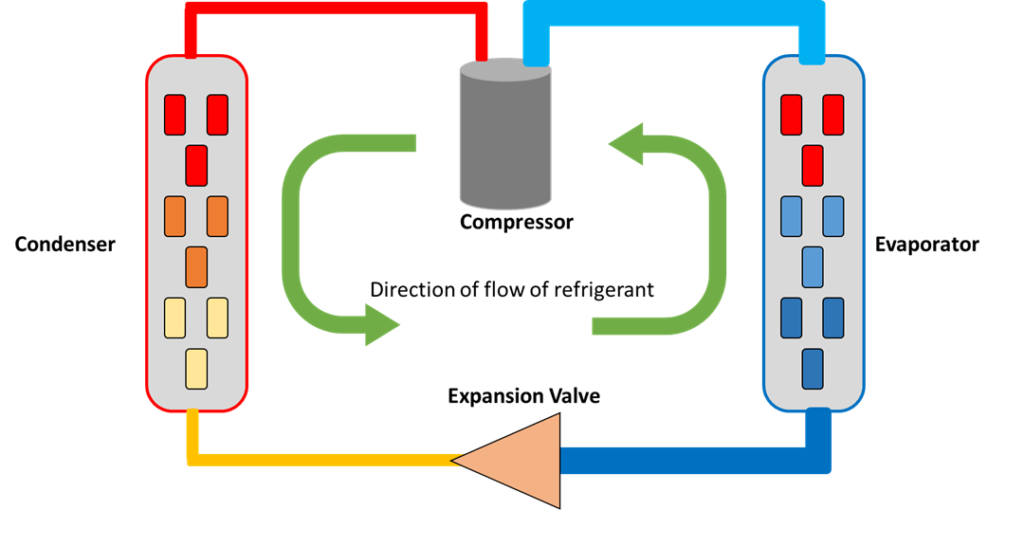
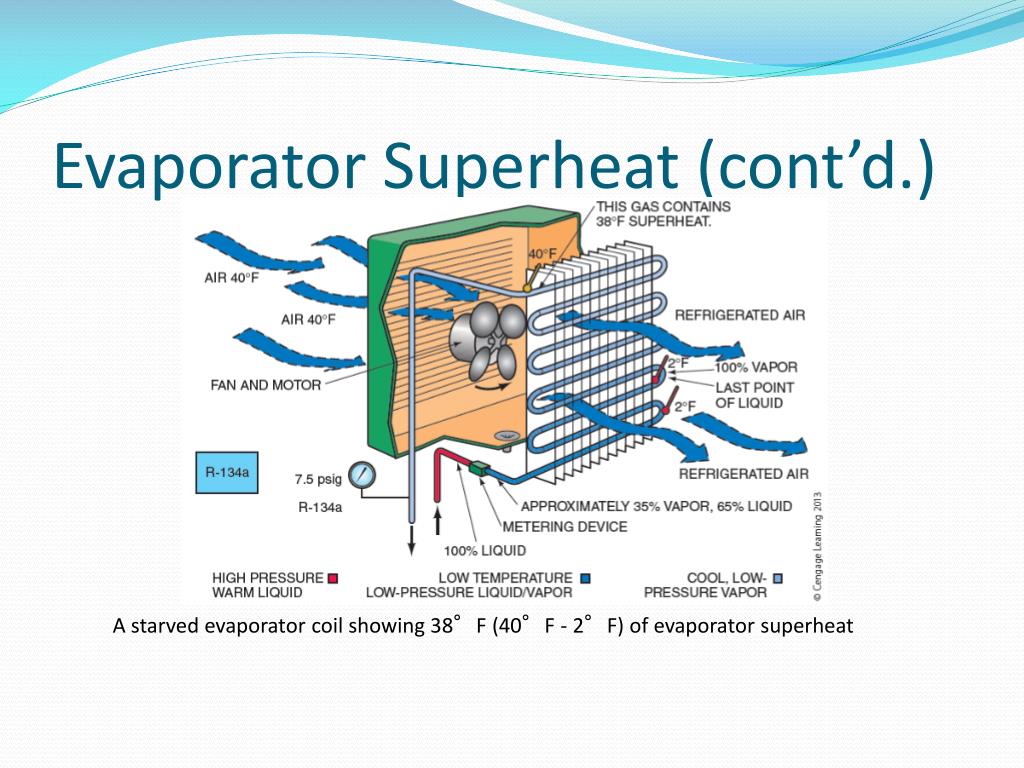
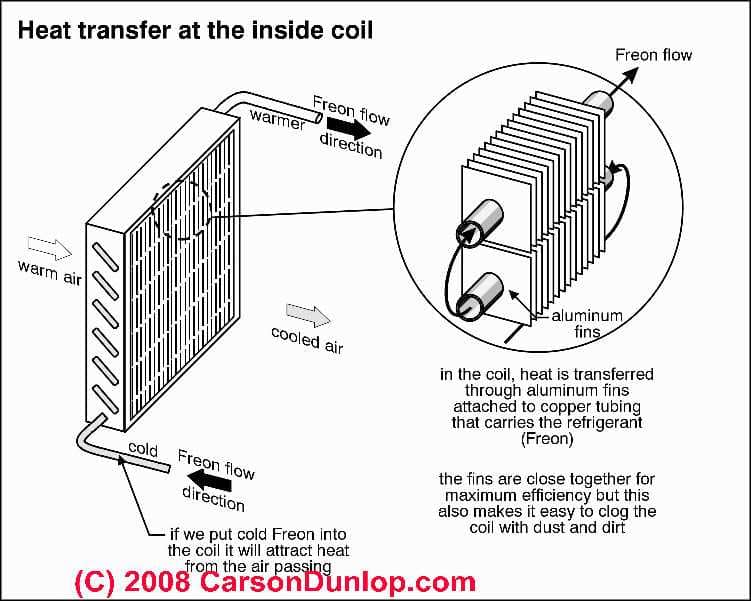
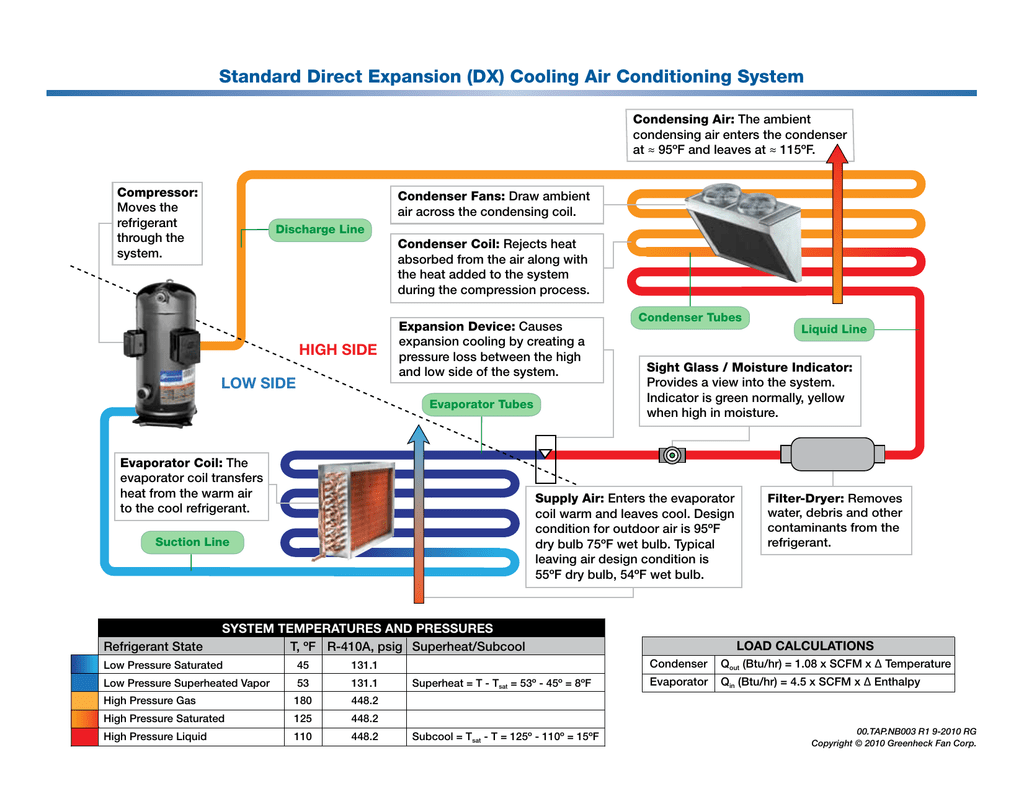
The DX evaporator coil is responsible for absorbing heat from the air inside your home or business. Refrigerant, in a low-pressure, liquid state, flows through the coil. As warm air from your living space is blown across the coil's fins, the refrigerant absorbs the heat and evaporates, turning into a gas. This process cools the air, which is then circulated back into the room. The now-gaseous refrigerant travels to the compressor, where the cycle begins again.
The temperature difference between the air entering the evaporator coil (return air) and the air leaving the coil (supply air) is a direct indicator of your system's efficiency. A properly functioning system should achieve a specific temperature drop; a deviation from this range suggests potential problems that could be costing you money.
The Ideal Temperature Drop: Aiming for the Sweet Spot
So, what's the ideal temperature drop? While it can vary depending on factors like humidity and specific system design, a general rule of thumb is a temperature difference of 15 to 20 degrees Fahrenheit (8 to 11 degrees Celsius). This means that if the air entering the coil is 75°F, the air leaving it should be between 55°F and 60°F.
This range isn't arbitrary. It represents the optimal balance between cooling capacity and energy consumption. A temperature drop significantly lower than 15°F suggests that the system isn't efficiently removing heat, potentially indicating issues like low refrigerant levels, a dirty coil, or a failing compressor. Conversely, a temperature drop significantly higher than 20°F can lead to other problems, such as coil freeze-up, which can damage the system and hinder its performance.
Factors Affecting Temperature Drop
Several factors can influence the temperature drop across the evaporator coil:
- Refrigerant Charge: This is arguably the most critical factor. Low refrigerant levels will severely limit the coil's ability to absorb heat, resulting in a reduced temperature drop. Overcharging the system can also negatively impact performance.
- Airflow: Adequate airflow across the coil is essential for efficient heat transfer. Dirty air filters, blocked vents, or a malfunctioning blower motor can restrict airflow, leading to a lower temperature drop and potential coil freeze-up.
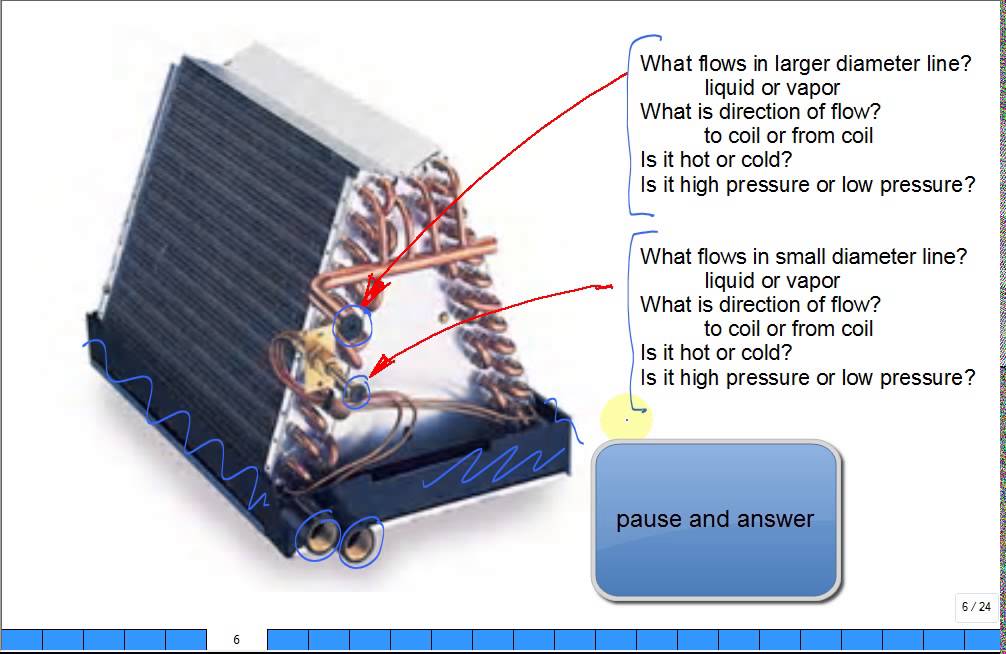
- Coil Condition: A dirty or blocked evaporator coil hinders heat transfer. Dust, dirt, and debris act as insulation, preventing the refrigerant from effectively absorbing heat. Regular coil cleaning is crucial for maintaining optimal performance.
- Humidity: High humidity levels can affect the temperature drop. As the air cools, moisture condenses on the coil. In extremely humid conditions, the system may prioritize removing moisture over lowering the air temperature, resulting in a slightly lower temperature drop.
- System Design and Age: The design of your HVAC system and its age can also play a role. Older systems may have reduced capacity due to wear and tear, while poorly designed systems may never achieve the ideal temperature drop.
Measuring Temperature Drop: A DIY Approach (with Caution)
You can measure the temperature drop yourself using a simple thermometer. Here's how:
- Turn on your AC and let it run for at least 15 minutes to stabilize.
- Use a thermometer to measure the temperature of the air entering the return air grille (the grille where air is drawn into the system).
- Measure the temperature of the air exiting a supply air vent (the vent where cool air is blown into the room), ideally one close to the air handler.
- Subtract the supply air temperature from the return air temperature. The result is your temperature drop.
Important Note: While this DIY approach can provide a general indication of your system's performance, it's not a substitute for professional diagnosis. HVAC systems are complex, and accurate measurements require specialized equipment and expertise. If you suspect a problem, always consult a qualified HVAC technician.
Troubleshooting Temperature Drop Issues: When to Call a Pro
If your measured temperature drop is outside the 15-20°F range, it's time to investigate. Here are some common issues and when to call a professional:
- Low Temperature Drop (below 15°F):
- Possible Causes: Low refrigerant, dirty air filter, blocked vents, dirty evaporator coil, failing compressor.
- DIY Solutions: Replace the air filter, ensure vents are open and unobstructed.
- When to Call a Pro: If the DIY solutions don't improve the temperature drop, or if you suspect a refrigerant leak or compressor issue.
- High Temperature Drop (above 20°F):
- Possible Causes: Restricted airflow, frozen evaporator coil, malfunctioning thermostat.
- DIY Solutions: Check for blocked vents, ensure the thermostat is set correctly.
- When to Call a Pro: If you suspect a frozen coil or if the problem persists after checking airflow and thermostat settings. Running an AC with a frozen coil can damage the system!
Boosting Efficiency and Savings: Beyond Temperature Drop
Understanding temperature drop is just one piece of the energy-efficiency puzzle. Here are other steps you can take to maximize savings:
- Regular Maintenance: Schedule annual maintenance with a qualified HVAC technician. This includes cleaning the coils, checking refrigerant levels, and inspecting all system components.
- Air Filter Replacement: Replace your air filter every 1-3 months, depending on usage and air quality. A clean air filter ensures optimal airflow and prevents dust and debris from accumulating on the evaporator coil.
- Duct Sealing: Leaky ducts can waste a significant amount of energy. Seal any visible leaks with duct tape or mastic sealant. Consider having a professional duct sealing service for a more comprehensive solution.
- Smart Thermostats: Smart thermostats learn your heating and cooling preferences and automatically adjust the temperature to optimize energy savings. Many models also offer remote control and energy usage monitoring.
- Energy-Efficient Equipment: When it's time to replace your AC system, invest in an energy-efficient model with a high SEER (Seasonal Energy Efficiency Ratio) rating. Energy Star certified models meet strict energy-efficiency guidelines.
- Zone Control Systems: A zone control system allows you to control the temperature in different areas of your home independently. This can save energy by only heating or cooling the rooms you're using.
Rebates and Incentives: Making Energy Efficiency Affordable
Many utility companies and government agencies offer rebates and incentives for energy-efficient HVAC upgrades. Check with your local utility company and the Energy Star website to learn about available programs. These rebates can significantly reduce the upfront cost of upgrading to a more efficient system.
For example, the Inflation Reduction Act of 2022 includes tax credits for energy-efficient home improvements, including HVAC upgrades. Consult with a tax professional to determine your eligibility.
The Bottom Line: Monitoring Your System for Long-Term Savings
By understanding the expected temperature drop through your AC's evaporator coil and implementing other energy-saving strategies, you can significantly reduce your energy bills and create a more comfortable and sustainable living environment. Regular maintenance, smart technology, and energy-efficient equipment are all essential components of a comprehensive approach to HVAC efficiency. Stay informed, monitor your system's performance, and don't hesitate to consult with a qualified HVAC professional for expert advice and assistance.
Investing in a well-maintained and efficient HVAC system is an investment in your comfort, your wallet, and the environment. So, take the time to understand how your system works and implement strategies to optimize its performance. The savings will be well worth the effort.