The Four Categories Of Gas Fired Furnaces Are Based On
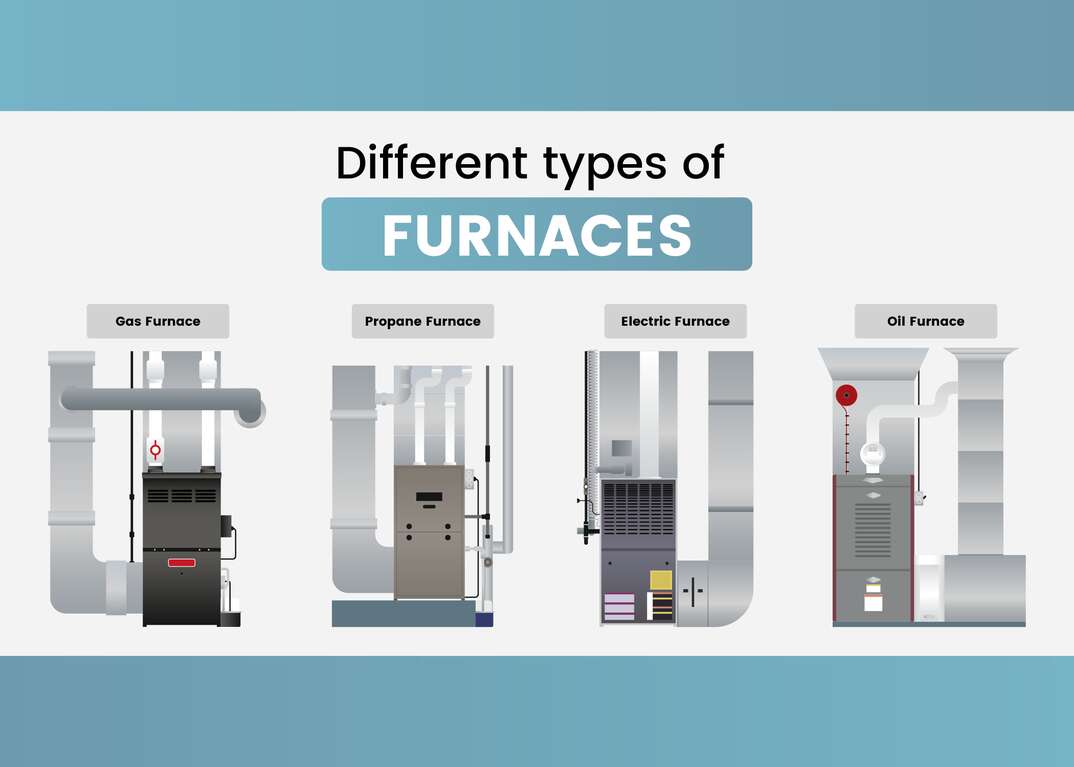
Many homeowners dread the moment when their furnace sputters and fails, especially during the coldest months. A common issue is the furnace failing to ignite, leaving you shivering in the cold. While some problems require a trained HVAC technician, many troubleshooting steps can be safely performed by the homeowner. This guide will help you navigate the process, focusing on understanding the four categories of gas-fired furnaces and using that knowledge to pinpoint potential issues.
Understanding the Four Furnace Categories
Before diving into troubleshooting, it’s crucial to understand the basics. Gas furnaces are categorized based on their combustion efficiency and venting method. Knowing your furnace type can help narrow down the possible causes of ignition failure.
1. Conventional (Low-Efficiency) Furnaces
These are the oldest and least efficient type. They typically have an Annual Fuel Utilization Efficiency (AFUE) of 80% or less. This means that 80% of the fuel they burn is converted to heat, while the remaining 20% goes up the chimney.
Key Characteristics:
- AFUE: 80% or less.
- Venting: Use a traditional chimney to exhaust flue gases. These gases are hot and contain water vapor, but not enough to condense significantly within the furnace.
- Appearance: Often larger and heavier than newer models.
- Operation: Generally simpler in design, which can sometimes make them easier to diagnose, but also less efficient.
2. Mid-Efficiency Furnaces
Mid-efficiency furnaces are a step up in efficiency, typically having an AFUE between 80% and 83%. They represent an improvement over conventional models.
Key Characteristics:
- AFUE: 80% - 83%.
- Venting: Still vent through a chimney, but may use a powered vent to assist with exhaust, particularly in situations where natural draft is insufficient.
- Improvements: Often feature improved burners and heat exchangers compared to conventional models, leading to better heat extraction.
3. High-Efficiency Furnaces
High-efficiency furnaces boast an AFUE of 90% or greater. They extract more heat from the combustion process and are significantly more energy-efficient.
Key Characteristics:
- AFUE: 90% or greater.
- Venting: Use sealed combustion and vent exhaust gases through PVC pipes, usually out the side of the house. This is because the flue gases are cool enough to condense within the furnace.
- Condensation: Produce condensate (water) as a byproduct of combustion, which needs to be drained away.
- Secondary Heat Exchanger: Typically have a secondary heat exchanger to extract additional heat from the flue gases.
4. Ultra-High-Efficiency Furnaces
These represent the pinnacle of gas furnace technology, often exceeding 95% AFUE. They are designed for maximum energy savings and environmental responsibility.
Key Characteristics:
- AFUE: Often exceeds 95%.
- Advanced Technology: Employ sophisticated controls, variable-speed blowers, and modulating gas valves for precise temperature control and energy optimization.
- Venting: Similar to high-efficiency furnaces, they use sealed combustion and PVC venting.
- Condensation Management: May have enhanced condensate management systems to prevent issues related to freezing or corrosion.
Troubleshooting a Furnace That Won't Ignite
Now that you understand the furnace categories, let's troubleshoot why your furnace might not be igniting. Follow these steps in order.
Step 1: The Obvious Checks (No Tools Required)
Start with the simplest and most common causes. These checks require no tools and can be performed quickly.
- Check the Thermostat:
- Is it set to "Heat"? Ensure the thermostat is in heating mode and the temperature is set a few degrees higher than the current room temperature.
- Are the batteries good? A thermostat with dead batteries won't signal the furnace to turn on. Replace them, even if the display seems to be working.
- Check the Power Switch:
- Is the furnace power switch on? This switch is usually located on or near the furnace, resembling a light switch. Make sure it's in the "ON" position. It's surprising how often this is the culprit!
- Check the Gas Supply:
- Is the gas valve open? Locate the gas shut-off valve near the furnace. It should be parallel to the gas pipe. If it's perpendicular, it's closed. Open it fully.
- Check other gas appliances: Are other gas appliances in your home working (e.g., stove, water heater)? If not, there might be a problem with the main gas supply to your house, requiring you to contact your gas company.
- Check the Air Filter:
- Is the air filter clean? A clogged air filter restricts airflow, which can cause the furnace to overheat and shut down. Remove the filter and hold it up to a light. If you can't see light through it, it's time for a replacement. A dirty filter is a very common cause of furnace problems.
Step 2: Basic Troubleshooting (Minimal Tools Required)
If the obvious checks didn't solve the problem, try these steps. You may need a screwdriver and a flashlight.
- Check the Blower Motor Compartment:
- Safety First! Turn off the power to the furnace at the breaker box before opening any panels.
- Inspect for obstructions: Remove the blower motor compartment door (usually held in place by screws or clips). Look for any debris, like leaves or dust bunnies, that might be obstructing the blower wheel. Clean out any obstructions.
- Check the blower motor: Visually inspect the blower motor for any signs of damage, such as burnt wires or a swollen capacitor. If you see any signs of damage, do not attempt to repair it yourself. Call a professional.
- Check the Flame Sensor (For High-Efficiency Furnaces):
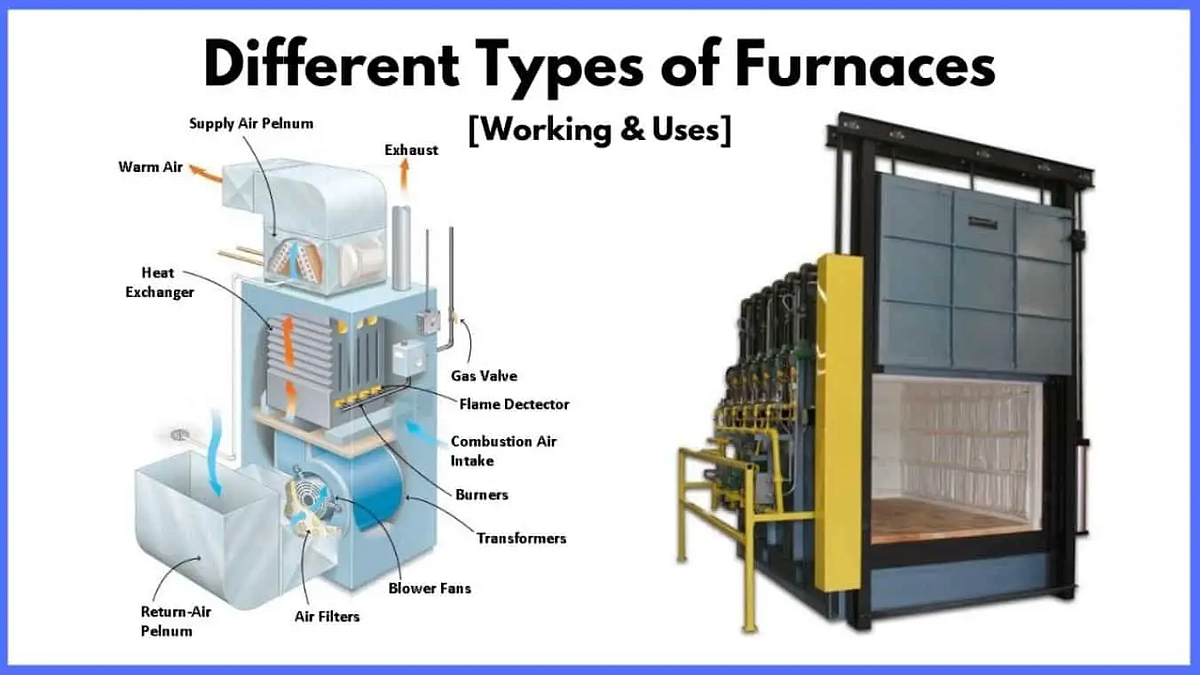
- Location: The flame sensor is a thin metal rod located near the burner. It senses the presence of a flame.
- Cleaning (Use with caution!): Turn off the gas supply to the furnace. Carefully remove the flame sensor. Use a piece of fine-grit sandpaper or steel wool to gently clean the rod. Reinstall the flame sensor. Be gentle; it's fragile.
- Why this helps: The flame sensor can become coated with carbon, preventing it from properly detecting the flame and causing the furnace to shut down.
- Check the Condensate Drain (For High-Efficiency Furnaces):
- Location: High-efficiency furnaces produce condensate (water) that drains through a PVC pipe.
- Inspect for clogs: Check the condensate drain line and trap for any clogs. You can try clearing it with a wet/dry vacuum or a small wire.
- Why this matters: A clogged condensate drain can cause the furnace to shut down as a safety precaution.
- Check the Igniter (If you are comfortable):
- Caution! This step involves working with electrical components. If you are not comfortable, skip this step and call a professional.
- Location: The igniter is located near the burner. It's either a hot surface igniter (looks like a small, fragile light bulb) or a spark igniter (similar to a spark plug).
- Visual Inspection: Visually inspect the igniter for any cracks or damage. A cracked hot surface igniter will need to be replaced. A spark igniter should produce a visible spark when the furnace tries to ignite.
- Testing (requires a multimeter): If you have a multimeter and know how to use it, you can test the igniter for continuity. However, improper use of a multimeter can be dangerous. Proceed with extreme caution or consult a professional.
Step 3: Understanding Furnace-Specific Issues Based on Category
Knowing your furnace category can help you focus your troubleshooting efforts:
- Conventional Furnaces: Chimney draft problems are common. Make sure the chimney is clear of obstructions (bird nests, debris). Also, older furnaces are more prone to pilot light issues (if applicable). If the pilot light won't stay lit, the thermocouple may need replacing (best left to a professional).
- Mid-Efficiency Furnaces: Like conventional furnaces, chimney draft can still be a concern, though less so if the furnace has a powered vent.
- High-Efficiency & Ultra-High-Efficiency Furnaces: Condensate drain issues are the most frequent problem. Regularly inspect and clean the drain line. Also, these furnaces have more sophisticated electronic controls, so sensor failures are possible and usually require professional diagnosis.
When to Call a Professional
There are several situations where it's best to call a qualified HVAC technician. Your safety and the proper functioning of your furnace are paramount.
- You smell gas: If you smell gas, immediately leave your home and call your gas company from a safe location. Do not attempt to troubleshoot the furnace yourself.
- You see signs of electrical damage: Burnt wires, sparking, or a burning smell are signs of a serious electrical problem.
- You suspect a carbon monoxide leak: If your carbon monoxide detector is alarming, evacuate your home and call the fire department.
- You are uncomfortable working with electricity or gas: Don't take risks. It's better to be safe than sorry.
- You have tried all the troubleshooting steps and the furnace still won't ignite: There may be a more complex problem that requires specialized knowledge and equipment.
- You need to access sealed components: Some furnace components are sealed and should only be accessed by trained professionals.
- You lack the necessary tools or skills: Don't attempt repairs beyond your capabilities.
- The furnace is under warranty: Attempting repairs yourself may void the warranty.
Prevention is Key
Regular maintenance can prevent many furnace problems. Here are some tips:
- Change the air filter regularly: This is the single most important thing you can do to keep your furnace running efficiently. Check it monthly and replace it as needed.
- Schedule annual professional maintenance: A qualified HVAC technician can inspect and clean your furnace, identify potential problems, and ensure it's running safely and efficiently.
- Keep the area around the furnace clear: Don't store flammable materials near the furnace.
- Install carbon monoxide detectors: Make sure you have working carbon monoxide detectors on every level of your home, especially near sleeping areas. Test them regularly.
By following these troubleshooting steps and understanding the basics of gas furnace categories, you can often diagnose and resolve minor issues yourself, saving time and money. However, always prioritize safety and don't hesitate to call a professional when needed. A well-maintained and properly functioning furnace is essential for a comfortable and safe home.