The Modulating Control Valve Allows You To Control

Understanding the intricate workings of your HVAC (Heating, Ventilation, and Air Conditioning) system can empower you to troubleshoot minor issues and make informed decisions about maintenance and repairs. One often-overlooked but crucial component is the modulating control valve. This article will explore its function, common problems, and whether you can tackle repairs yourself.
What is a Modulating Control Valve?
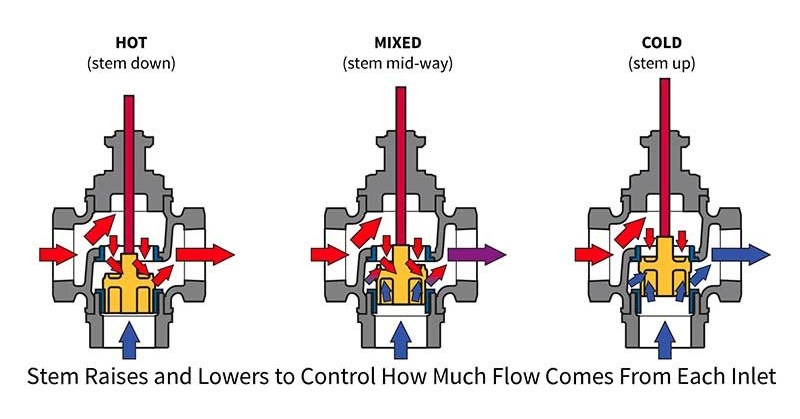
Unlike a simple on/off valve, a modulating control valve doesn't just open or close fully. It can precisely regulate the flow of a fluid – typically water or refrigerant – to adjust heating or cooling output. Think of it like the volume knob on your stereo, allowing for granular control instead of just "loud" or "silent."
In HVAC systems, modulating control valves are often used in:
- Hydronic Heating Systems: Controlling the flow of hot water to radiators, baseboard heaters, or radiant floor loops.
- Chilled Water Systems: Regulating the flow of chilled water to air handlers or fan coil units.
- Refrigerant Control: (In more advanced systems) Fine-tuning refrigerant flow to the evaporator coil.
The key benefit is increased efficiency and comfort. By precisely matching heating or cooling output to demand, modulating valves prevent overshooting the desired temperature, reducing energy waste and creating a more stable and comfortable indoor environment.
How Does It Work?
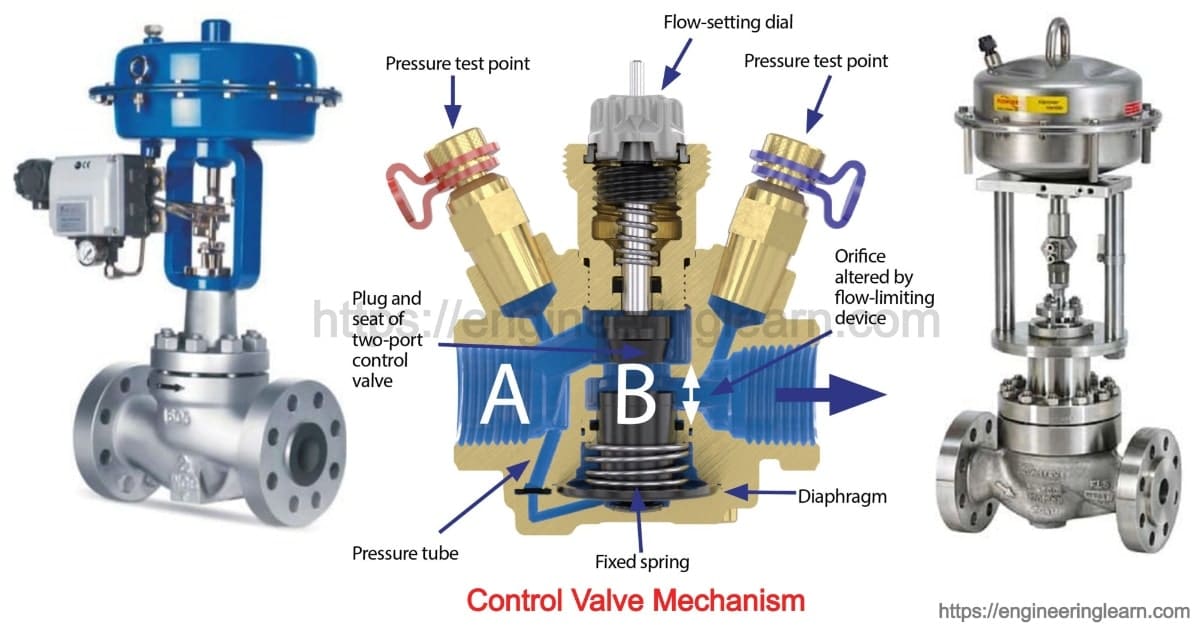
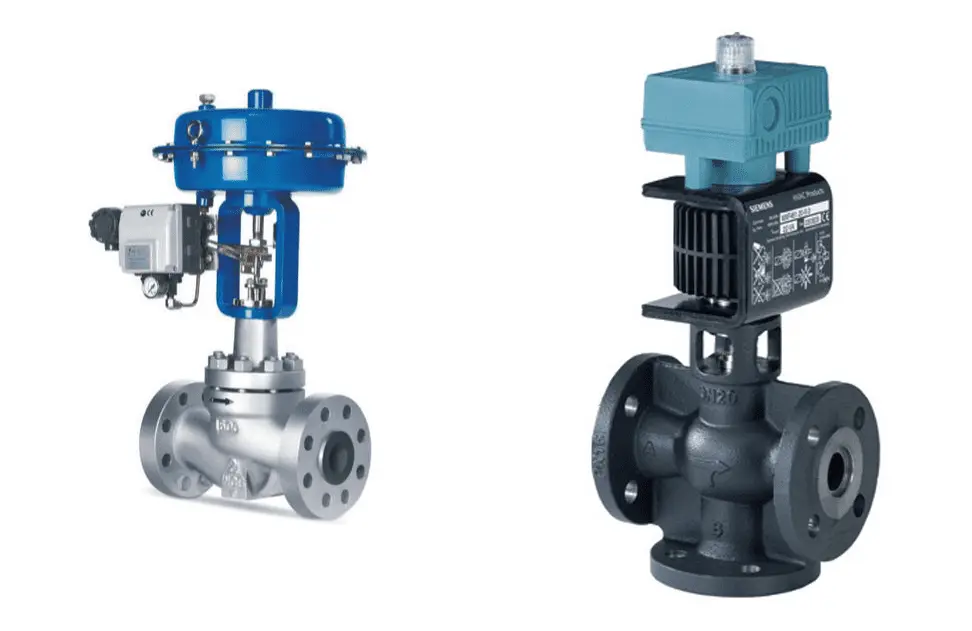
A modulating control valve typically consists of:
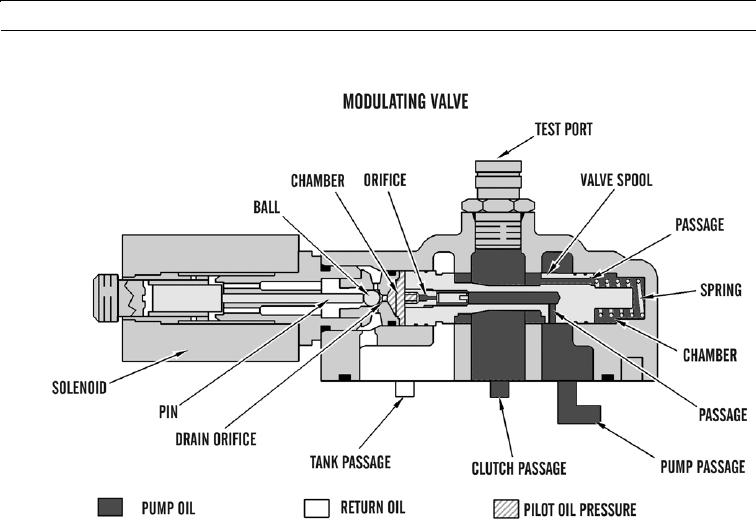
- Valve Body: The main housing containing the orifice that controls fluid flow.
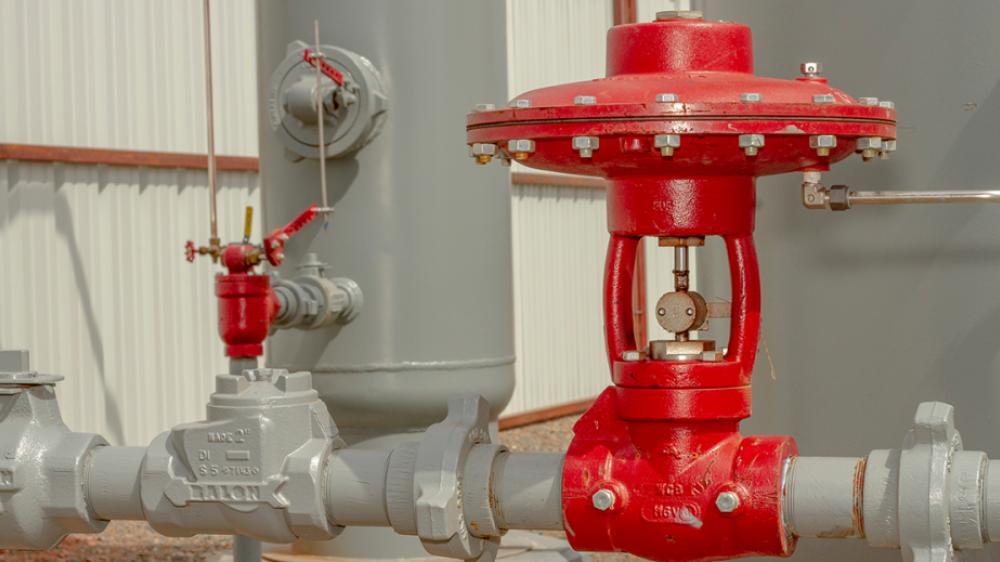
- Actuator: A motor or pneumatic device that positions the valve's internal components (e.g., a ball, plug, or disc).
- Controller: An electronic component that receives signals from the thermostat or building automation system and tells the actuator how much to open or close the valve.
The controller receives a signal – often a 4-20mA analog signal or a digital signal – indicating the desired flow rate. The actuator then adjusts the valve's position to achieve that flow rate. This process happens continuously, allowing the system to adapt to changing conditions in real-time.
Common Problems with Modulating Control Valves
Like any mechanical component, modulating control valves can experience problems. Here are some common issues you might encounter:
- Valve Sticking: The valve may become stuck in a partially open or closed position due to corrosion, debris buildup, or actuator failure.
- Actuator Failure: The actuator motor may burn out, the gears may strip, or the linkage may become disconnected.
- Controller Issues: The controller may fail to send the correct signal to the actuator, or it may misinterpret feedback from the valve.
- Valve Leakage: The valve seals may wear out, causing leakage of water or refrigerant.
- Calibration Drift: The valve's calibration may drift over time, leading to inaccurate flow control.
Symptoms of a Faulty Modulating Control Valve
How do you know if your modulating control valve is acting up? Here are some telltale signs:
- Uneven Heating or Cooling: Some rooms or zones may be significantly warmer or cooler than others.
- System Cycling: The heating or cooling system may turn on and off frequently, even when the thermostat is set to a stable temperature.
- High Energy Bills: The system may be working harder than necessary to maintain the desired temperature, resulting in increased energy consumption.
- Strange Noises: You might hear hissing, gurgling, or clicking sounds coming from the valve or connected pipes.
- Error Codes: Advanced HVAC systems may display error codes related to the modulating control valve.
Troubleshooting and Repair (DIY vs. Professional)
Some basic troubleshooting steps can be performed by a homeowner, but complex repairs should always be left to a qualified HVAC technician. Here's a breakdown:
DIY Troubleshooting Steps
- Visual Inspection: Check the valve for any signs of physical damage, corrosion, or leaks. Look for loose wiring or disconnected linkages.
- Power Check: Ensure the valve actuator is receiving power. Use a multimeter to test the voltage at the actuator terminals. Safety First: Always turn off the power to the HVAC system before working on electrical components.
- Manual Override: Many actuators have a manual override function that allows you to temporarily open or close the valve. Try using this to see if the valve is sticking.
- Controller Reset: Try resetting the HVAC controller or building automation system. This may clear any temporary errors.
- Cleaning (Cautiously): If you suspect debris is causing the valve to stick, you *might* be able to carefully clean the external components with a soft brush and a mild cleaning solution. Important: Do not disassemble the valve itself unless you are a qualified technician.
When to Call a Professional
You should always call a qualified HVAC technician if:
- You are uncomfortable working with electrical components or plumbing.
- You suspect a refrigerant leak. Refrigerant handling requires specialized equipment and training.
- The valve requires disassembly or internal repairs.
- You are unable to diagnose the problem after performing basic troubleshooting.
- The system is complex or critical to your comfort and safety.
Tools and Parts You Might Need
If you decide to attempt some DIY troubleshooting, here's a list of tools and parts that may come in handy:
Tools:
- Screwdrivers (various sizes and types)
- Multimeter
- Adjustable wrench
- Pliers
- Wire stripper/crimper
- Voltage tester
- Safety glasses
- Gloves
Parts (Generally Purchased by Professionals):
- Replacement Actuator
- Replacement Controller
- Valve Body (Rarely Replaced Unless Damaged)
- Valve Seals/O-Rings
- Wiring Connectors
Important: Always purchase replacement parts from a reputable supplier and ensure they are compatible with your specific HVAC system.
Cost of Repair
The cost to repair or replace a modulating control valve can vary widely depending on several factors, including:
- Type of Valve: More complex valves with advanced features will generally be more expensive.
- Size of Valve: Larger valves used in commercial applications will typically cost more than smaller valves used in residential systems.
- Accessibility: If the valve is difficult to access, the labor costs may be higher.
- Labor Rates: HVAC technician labor rates vary by region.
Here's a general cost estimate:
- Simple Actuator Replacement: $200 - $500 (including labor)
- Controller Replacement: $300 - $700 (including labor)
- Complete Valve Replacement: $500 - $1500+ (including labor)
These are just estimates. Always get a written quote from a qualified HVAC technician before proceeding with any repairs.
Prevention and Maintenance
Preventive maintenance can help extend the life of your modulating control valves and prevent costly repairs. Here are some tips:
- Regular System Inspections: Have your HVAC system inspected by a qualified technician at least once a year.
- Water Treatment: If you have a hydronic heating or chilled water system, ensure the water is properly treated to prevent corrosion and scale buildup.
- Filter Changes: Regularly change your air filters to prevent dust and debris from entering the system and potentially damaging the valve.
- Proper System Operation: Avoid drastically changing the thermostat settings, as this can put unnecessary stress on the system.
Conclusion
The modulating control valve is a key component in many modern HVAC systems, enabling precise temperature control and energy efficiency. While some basic troubleshooting steps can be performed by homeowners, complex repairs should always be left to qualified professionals. By understanding the function of this valve and recognizing the signs of potential problems, you can ensure your HVAC system operates reliably and efficiently for years to come. Prioritizing safety and knowing when to call an expert will save you time, money, and potential hazards.