The Normal Fan Switch On Temperature Range Is

Understanding Your HVAC System: The Normal Fan Switch On Temperature Range
One of the most common questions homeowners ask about their HVAC system is: "What's the normal fan switch on temperature range?" Understanding this temperature range is crucial for ensuring your system operates efficiently and effectively, and can even help you diagnose minor problems before they escalate into costly repairs. Let's dive into the details.
What Does the Fan Switch Do?
The fan switch, also known as a fan limit switch, is a safety device inside your furnace. Its primary role is to control the blower fan, which circulates heated air throughout your home. It prevents the blower from switching on until the furnace's heat exchanger reaches a safe operating temperature. This protects the heat exchanger from overheating and also prevents you from experiencing blasts of cold air before the furnace is ready.
The Typical Fan Switch On Temperature Range
The typical fan switch on temperature range is usually between 120°F and 150°F (49°C - 66°C). This range can vary slightly depending on the specific make and model of your furnace, so it's always a good idea to consult your furnace's manual. Look for a label near the switch itself, which should indicate the specific temperature settings.
How the Fan Switch Works
The fan switch is a bimetallic strip that bends in response to temperature changes. Here's a simplified breakdown of how it works:
- The furnace burner ignites and begins to heat the heat exchanger.
- The bimetallic strip in the fan switch senses the rising temperature.
- When the heat exchanger reaches the "on" temperature (usually within the 120°F - 150°F range), the bimetallic strip bends sufficiently to close a circuit.
- Closing the circuit activates the blower motor, which starts circulating the heated air.
- When the furnace shuts off, the heat exchanger cools down.
- The bimetallic strip cools, straightens, and opens the circuit, turning off the blower motor.
Troubleshooting Fan Switch Issues
If your furnace isn't operating as expected, the fan switch could be the culprit. Here are some common issues and how to troubleshoot them. Remember to always disconnect power to the furnace at the breaker before performing any electrical work. Safety first!
Problem 1: Blower Fan Not Turning On
If the blower fan isn't turning on at all, even after the furnace has been running for a while, it could indicate a problem with the fan switch.
Possible Causes:
- Faulty fan switch: The switch itself may be defective and not closing the circuit.
- Dirty fan switch: Dust and debris can accumulate on the switch, preventing proper contact.
- Wiring issues: Loose or damaged wiring can disrupt the electrical circuit.
- Failed blower motor: While the switch is responsible for initiating, the motor itself may be faulty.
Troubleshooting Steps:
- Check the power: Ensure the furnace is receiving power.
- Inspect the wiring: Look for loose or damaged wires connected to the fan switch.
- Clean the fan switch: Use a soft brush or vacuum to remove any dust or debris.
- Test the fan switch with a multimeter: After disconnecting power, use a multimeter to check for continuity when the switch should be closed (simulating the "on" temperature). If there's no continuity, the switch is likely faulty.
- Check the blower motor: Ensure the blower motor is receiving power and isn't seized or making unusual noises.
Problem 2: Blower Fan Running Constantly
If the blower fan is running constantly, even when the furnace isn't heating, it could also point to a fan switch problem or another issue.
Possible Causes:
- Stuck fan switch: The switch may be stuck in the "on" position.
- Incorrect fan switch settings: Some furnaces have adjustable fan switches. An incorrect setting could cause the fan to run continuously.
- Thermostat settings: Your thermostat may be set to "fan on" continuously.
- Other control board issues: In rare cases, the control board can cause the fan to run constantly.
Troubleshooting Steps:
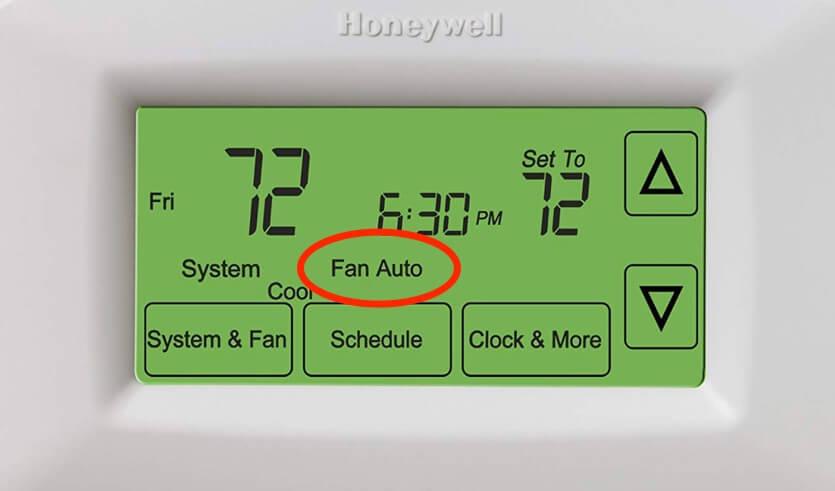
- Check the thermostat: Ensure the thermostat is set to "auto" rather than "on".
- Inspect the fan switch: Visually inspect the switch for any signs of damage or sticking.
- Check fan switch settings: If your furnace has adjustable settings on the fan switch, review the furnace documentation to ensure they're set correctly.
- Test the fan switch with a multimeter: Disconnect power and test for continuity when the switch should be open (simulating a cool temperature). If there's continuity, the switch is likely stuck.
Problem 3: Blower Fan Cycling On and Off Rapidly
Rapid cycling of the blower fan, often referred to as "short cycling," can indicate overheating or other issues.
Possible Causes:
- Overheating: The furnace may be overheating, causing the fan switch to repeatedly turn the blower on and off. This can be due to restricted airflow.
- Faulty fan switch: A failing fan switch may not be accurately sensing temperature.
- Dirty air filter: A clogged air filter restricts airflow and can cause overheating.
- Blocked vents: Blocked supply or return vents can restrict airflow.
Troubleshooting Steps:
- Check the air filter: Replace a dirty air filter.
- Check for blocked vents: Ensure all supply and return vents are open and unobstructed.
- Inspect the fan switch: Visually inspect the switch for any signs of damage.
- Consider professional diagnosis: Short cycling can damage the furnace over time, a HVAC technician should diagnose the root cause.
Tools and Parts You Might Need
Before attempting any repairs, gather the necessary tools and parts:
Tools:
- Screwdrivers (various sizes)
- Multimeter
- Wire strippers
- Wire connectors
- Vacuum or soft brush
- Flashlight
Parts:
- Replacement fan switch (ensure it's the correct model for your furnace)
- Wire
- Air filter
When to Call a Professional
While some fan switch issues are relatively simple to diagnose and repair, others require the expertise of a qualified HVAC technician. Call a professional if:
- You're uncomfortable working with electricity.
- You're unsure how to properly test the fan switch.
- You suspect a more complex issue, such as a problem with the control board or heat exchanger.
- You've tried troubleshooting the problem yourself and haven't been successful.
Estimating Repair Costs
The cost of repairing or replacing a fan switch can vary depending on several factors, including the make and model of your furnace, the complexity of the repair, and the labor rates in your area. Here's a general estimate:
- Fan switch replacement (DIY): $20 - $50 for the part.
- Fan switch replacement (professional): $150 - $300 (including the part and labor).
- More complex repairs (e.g., control board replacement): $300 - $800 or more.
It's always a good idea to get quotes from several HVAC contractors before committing to a repair. Be sure to ask for a detailed breakdown of the costs involved.
Preventative Maintenance for a Healthy HVAC System
Regular maintenance can help prevent fan switch problems and other HVAC issues. Here are some tips:
- Change your air filter regularly: This is one of the most important things you can do to keep your furnace running efficiently. Replace the filter every 1-3 months, depending on usage and air quality.
- Schedule annual furnace inspections: A qualified HVAC technician can inspect your furnace for potential problems and perform preventative maintenance, such as cleaning the burners and checking the gas pressure.
- Keep vents clear: Ensure all supply and return vents are open and unobstructed.
- Consider a smart thermostat: Smart thermostats can help you optimize your heating and cooling schedules, potentially reducing wear and tear on your HVAC system.
By understanding the normal fan switch on temperature range and how your HVAC system works, you can proactively address potential issues and keep your home comfortable all year round. Remember, when in doubt, always consult a qualified HVAC professional.