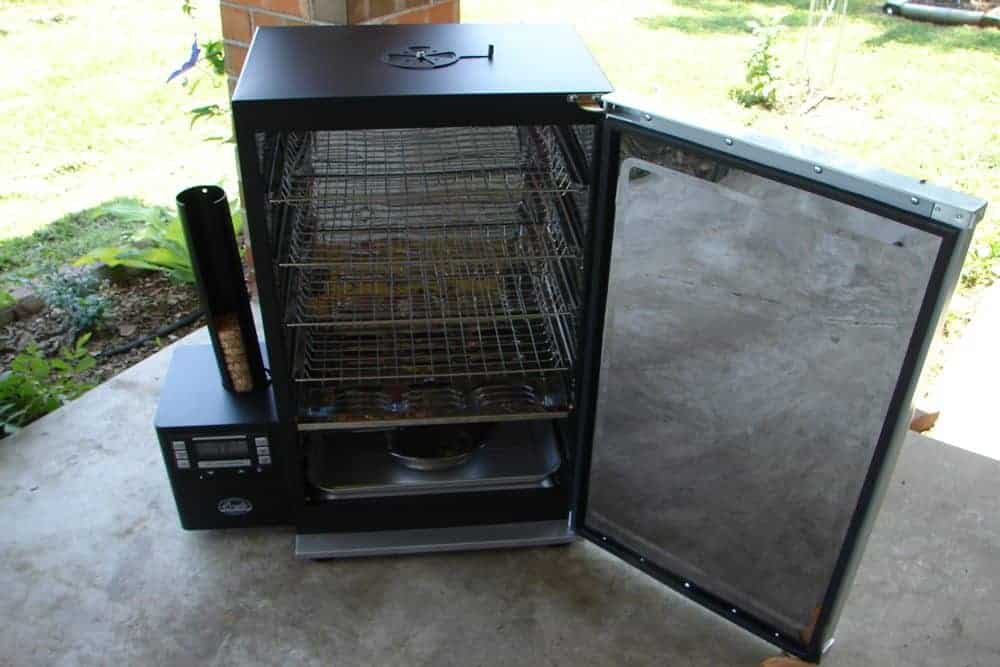
The Original Bradley Smoker Instructions

Is your trusty Original Bradley Smoker letting you down? Experiencing fluctuating temperatures or struggling to reach your desired cooking heat? Don't throw in the towel just yet! Many common heating and cooling issues can be diagnosed and even fixed with a little bit of know-how and a systematic approach. This guide will walk you through troubleshooting steps, from simple checks you can do with just your eyes to those that might require a basic multimeter. We'll also clearly outline when it's time to call in a qualified technician.
Step 1: Initial Assessment (No Tools Required)
Before diving into complex solutions, let's start with the obvious. These checks can often reveal simple causes without needing any tools.
1.1. Power Supply
Is the smoker plugged in? Sounds basic, but it's easily overlooked! Ensure the power cord is securely connected to both the smoker and a functioning electrical outlet. Try a different outlet to rule out a faulty receptacle.
Check the circuit breaker. Look for a tripped breaker in your electrical panel. Reset it if necessary. If the breaker trips repeatedly when the smoker is plugged in, this indicates a potential electrical fault that requires a professional electrician. Do not continue using the smoker until the electrical issue is resolved.
1.2. Control Panel
Is the control panel illuminated and responsive? If the panel is completely dead, even after verifying the power supply, it indicates a problem with the control panel itself or the incoming power. This might require professional service.
Are the temperature settings correct? Double-check that you've set the desired temperature accurately and haven't accidentally set it too low.
Look for error codes. The control panel might display error codes indicating a specific problem. Consult your original Bradley Smoker manual (or find it online) to decipher the meaning of the code and recommended solutions. Many common codes relate to temperature sensor malfunctions or heating element issues.
1.3. Smoker Interior
Inspect the heating element. Look for any visible signs of damage, such as cracks, burns, or corrosion. If the element appears physically damaged, it likely needs replacement. Proceed with caution if you suspect element damage, ensuring the unit is unplugged.
Check for obstructions. Make sure there are no items blocking the heating element or interfering with airflow within the smoker. Overcrowding the smoker can also impede heat distribution.
Cleanliness is key. A buildup of grease, ash, and other debris can insulate the heating element and reduce its efficiency. Clean the smoker thoroughly, paying particular attention to the area around the heating element. Use a degreaser specifically designed for smokers.
Step 2: Intermediate Diagnosis (Basic Tools Needed)
If the initial checks didn't reveal the culprit, you might need a few basic tools for further investigation. Always unplug the smoker before performing any electrical tests.
2.1. Multimeter Usage (Requires a Multimeter and Basic Electrical Knowledge)
Testing the Heating Element: A multimeter can be used to check the continuity of the heating element. This tests whether the element is capable of conducting electricity. To perform this test:
- Unplug the smoker! This is crucial for your safety.
- Locate the heating element terminals. These are typically two wires connected to the element.
- Set your multimeter to the Ohms (Ω) setting. You might need to select a specific range, depending on your multimeter. Consult your multimeter's manual for instructions.
- Touch the multimeter probes to the two heating element terminals.
- A reading of anything other than "OL" (Over Limit) or infinite resistance indicates that the heating element has continuity and should be functional. A reading of "OL" means the element is broken and needs replacement.
Testing the Temperature Sensor (Thermocouple): The temperature sensor provides temperature readings to the control panel. If this sensor is faulty, the control panel might display inaccurate temperatures or fail to regulate the heat properly.
- Unplug the smoker!
- Locate the temperature sensor. It's usually a thin metal probe that extends into the smoker's interior.
- Consult your smoker's wiring diagram (often found in the manual) to identify the two wires connected to the sensor.
- Set your multimeter to the millivolts (mV) setting.
- With the smoker unplugged and at room temperature, touch the multimeter probes to the sensor wires. Note the millivolt reading.
- Compare the millivolt reading to the expected range for the sensor at room temperature. This information should be available in your smoker's manual or online. If the reading is significantly outside the expected range, the sensor is likely faulty and needs replacement.
- You can gently warm the sensor with a hair dryer (on a low setting) and observe if the millivolt reading changes. This can provide further confirmation of the sensor's functionality.
Important Note: Working with electricity can be dangerous. If you are not comfortable using a multimeter or are unsure about any of these steps, consult a qualified electrician or appliance repair technician.
2.2. Wiring Inspection
Carefully inspect all visible wiring inside the smoker. Look for:
- Loose connections: Ensure all wire connections are secure. Gently tug on the wires to see if they are firmly attached to their terminals.
- Damaged insulation: Check for any cuts, cracks, or fraying in the wire insulation. Damaged insulation can cause short circuits and pose a fire hazard.
- Burned or discolored wires: This indicates overheating and potential damage.
If you find any damaged wiring, do not attempt to repair it yourself unless you have experience with electrical work. It's best to have a qualified electrician replace the damaged wires.
Step 3: DIY Solutions (Proceed with Caution)
Based on your diagnosis, here are some potential DIY solutions you can try:
3.1. Replacing the Heating Element
If the heating element is burned out (as confirmed by the multimeter test), it needs replacement. You can often purchase replacement heating elements online or at appliance parts stores. To replace the element:
- Unplug the smoker!
- Take pictures of the wiring before disconnecting anything. This will help you reconnect the new element correctly.
- Disconnect the wires from the old heating element.
- Remove the old heating element from its mounting bracket.
- Install the new heating element in the bracket.
- Reconnect the wires, ensuring they are securely attached and match the original wiring configuration (refer to your pictures).
- Test the smoker to ensure the new heating element is working correctly.
3.2. Replacing the Temperature Sensor
If the temperature sensor is faulty, replacing it is usually a straightforward process:
- Unplug the smoker!
- Locate the temperature sensor and disconnect its wires.
- Remove the old sensor from its mounting.
- Install the new sensor.
- Reconnect the wires.
- Test the smoker to ensure the new sensor is providing accurate temperature readings.
3.3. Tightening Loose Connections
If you find any loose wire connections, carefully tighten them using a screwdriver or pliers. Make sure not to overtighten, as this can damage the terminals. Apply a small amount of dielectric grease to the connections to prevent corrosion.
Step 4: When to Call a Professional
There are situations where DIY repairs are not recommended or safe. It's time to call a qualified HVAC technician or appliance repair professional if:
- You are uncomfortable working with electricity.
- You suspect a major electrical fault, such as a short circuit or ground fault.
- The control panel is malfunctioning. Repairing control panels often requires specialized knowledge and equipment.
- You have replaced the heating element or temperature sensor, and the smoker is still not working correctly. This could indicate a more complex problem that requires professional diagnosis.
- You smell burning plastic or see smoke coming from the smoker, even after cleaning it. This could indicate a serious electrical problem.
- You are unsure about any of the steps outlined in this guide. It's always better to be safe than sorry!
Remember: Safety is paramount. When in doubt, always consult a professional. Tampering with electrical appliances can be dangerous and could void your warranty.
Preventative Maintenance
To keep your Original Bradley Smoker running smoothly for years to come, consider these preventative measures:
- Regular Cleaning: Clean the smoker after each use to prevent buildup of grease and ash.
- Inspect Wiring: Periodically inspect the wiring for any signs of damage.
- Store Properly: When not in use, store the smoker in a dry, covered location.
- Follow Manufacturer's Instructions: Always adhere to the manufacturer's guidelines for operation and maintenance.
By following these troubleshooting steps and performing regular maintenance, you can keep your Original Bradley Smoker in top condition and enjoy delicious smoked food for many years!