The Pressure At The Manifold For Natural Gas Is Typically
Understanding Natural Gas Manifold Pressure in HVAC Systems: A Comprehensive Guide
For anyone involved in the heating, ventilation, and air conditioning (HVAC) industry, understanding the intricacies of natural gas systems is crucial. One of the most fundamental aspects is grasping the concept of manifold pressure. This article provides a comprehensive overview of typical natural gas manifold pressures, their significance, and how they relate to your career as an HVAC professional.
What is Manifold Pressure and Why Does it Matter?
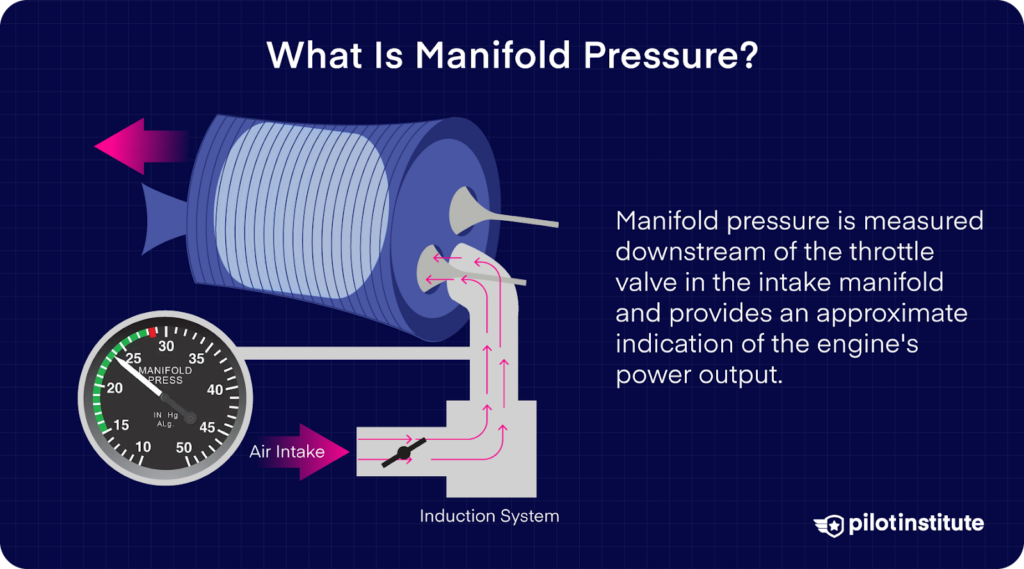
Manifold pressure, in the context of a natural gas appliance, refers to the gas pressure at the appliance’s gas manifold, just before it enters the burners. It’s a critical parameter that dictates the air-fuel mixture and, therefore, the efficiency and safety of the combustion process. Too little pressure results in incomplete combustion, producing carbon monoxide and reducing heating capacity. Too much pressure can lead to a dangerous over-fired condition, damaging the appliance and potentially causing a fire or explosion.
Accurately measuring and adjusting manifold pressure is a fundamental skill for any HVAC technician. It ensures optimal performance, reduces energy waste, and safeguards against potential hazards.
Typical Natural Gas Manifold Pressure Ranges
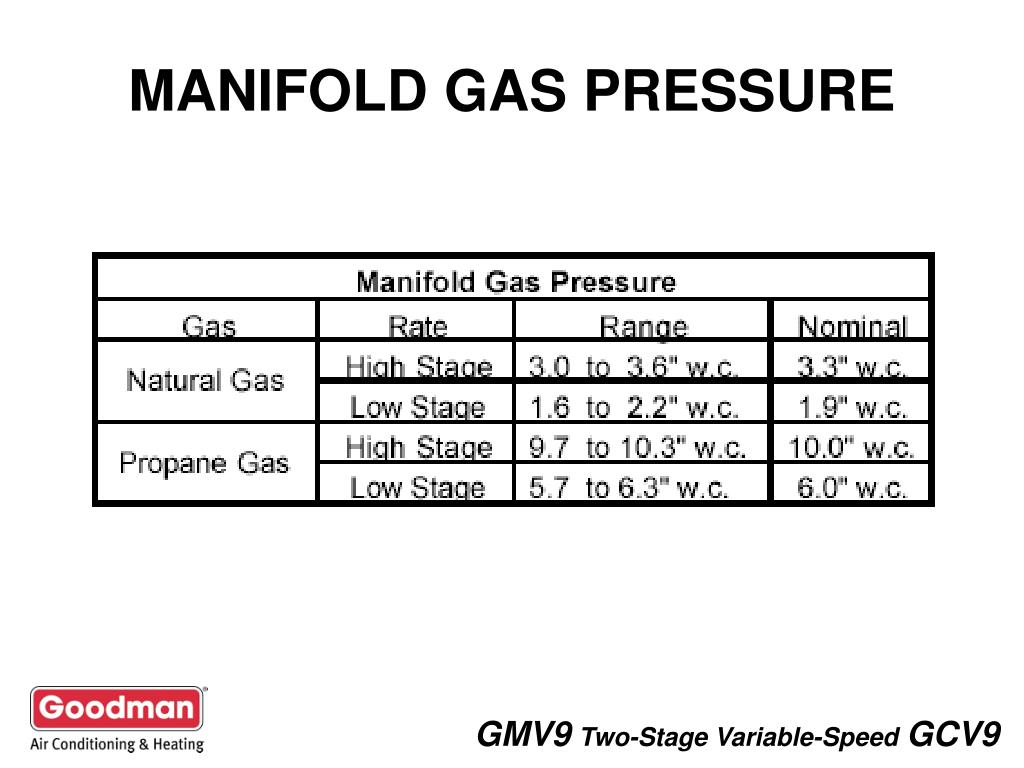
The standard manifold pressure for natural gas appliances in residential and light commercial settings typically falls within a specific range:
- Natural Gas: 3.5 inches of water column (WC) +/- 0.5 inches WC. This means the acceptable range is generally 3.0 to 4.0 inches WC.
- Propane (LP): 10.0 inches of water column (WC) +/- 0.5 inches WC. The acceptable range is 9.5 to 10.5 inches WC.
Important Note: Always refer to the manufacturer's specifications for the specific appliance being serviced. These values can vary slightly depending on the model and BTU input rating. The rating plate located on the appliance will provide the most accurate information.
Factors Affecting Manifold Pressure
Several factors can influence manifold pressure. Understanding these factors allows for accurate troubleshooting and adjustment:
- Inlet Pressure: The pressure of the gas supply entering the appliance’s gas valve significantly impacts manifold pressure. If the inlet pressure is too low, the appliance may not achieve the correct manifold pressure, even with the gas valve fully open. Typical natural gas inlet pressure should be around 7 inches WC.
- Gas Valve Regulator: The gas valve contains a regulator that reduces the incoming gas pressure to the required manifold pressure. A malfunctioning regulator can cause pressure fluctuations or failure to maintain the correct pressure.
- Orifice Size: The size of the burner orifices controls the amount of gas flowing to each burner. Changes in orifice size (due to corrosion or improper installation) will affect manifold pressure and burner flame characteristics.
- Altitude: At higher altitudes, the air is less dense. This can affect combustion and may require adjustments to the manifold pressure or orifice size to maintain optimal performance.
- Gas Specific Gravity: The specific gravity of natural gas (relative to air) can vary slightly depending on the source. This can impact the amount of energy delivered at a given pressure.
Tools and Techniques for Measuring Manifold Pressure
Accurate measurement of manifold pressure requires the right tools and techniques:
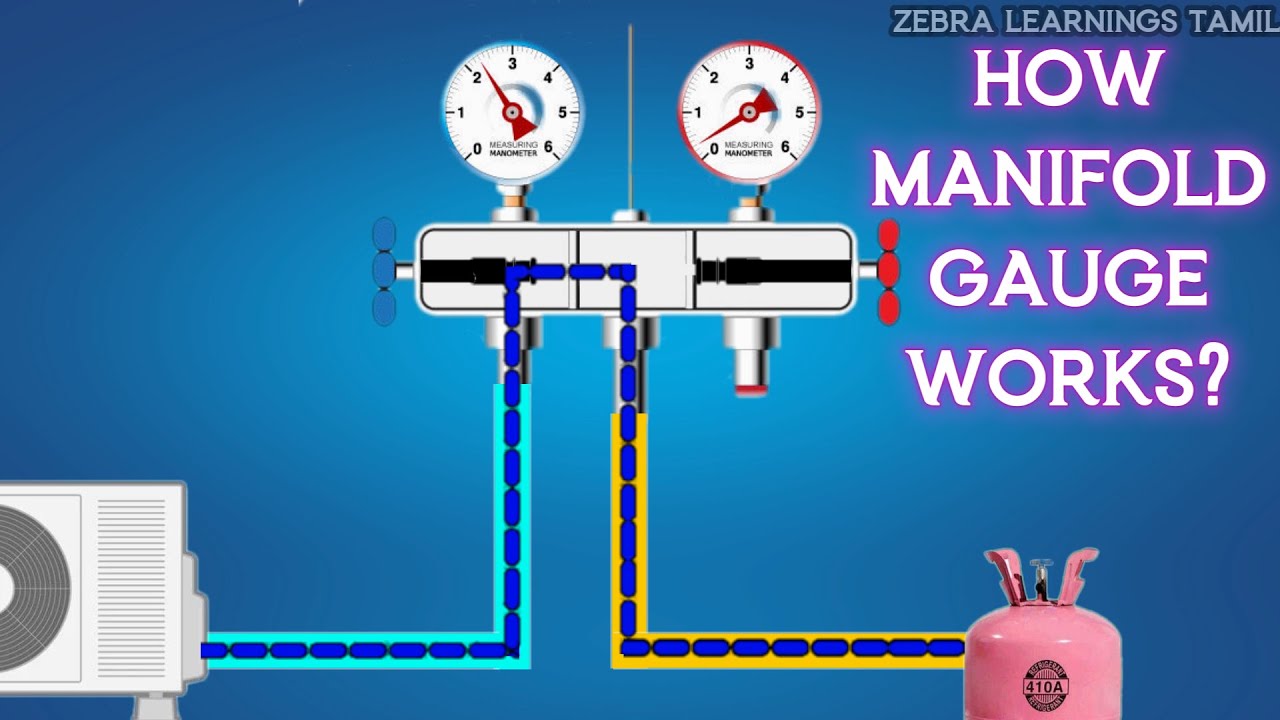
- Manometer: A manometer, either analog (U-tube) or digital, is the standard tool for measuring gas pressure in inches of water column. Digital manometers are generally preferred for their accuracy and ease of use.
- Proper Connection: Connect the manometer to the manifold pressure test port on the gas valve or manifold. Ensure a tight seal to prevent leaks.
- Appliance Operation: The appliance should be operating at its highest firing rate during measurement. This ensures that the pressure is measured under maximum load conditions.
- Safety Precautions: Always follow safety precautions when working with natural gas. Wear appropriate safety gear, ensure adequate ventilation, and use a gas leak detector to check for leaks after making any adjustments.
Career Paths in HVAC and Natural Gas Systems
A strong understanding of natural gas systems and manifold pressure is essential for success in various HVAC career paths:
- HVAC Technician: Entry-level technicians will learn the basics of gas appliance service and repair, including manifold pressure adjustment, under the supervision of experienced technicians. According to the Bureau of Labor Statistics, the median annual wage for HVAC technicians was $51,390 in May 2022. The job outlook is projected to grow 6 percent from 2022 to 2032, about as fast as the average for all occupations.
- HVAC Installer: Installers are responsible for connecting gas appliances to the gas supply and ensuring proper operation. Correct manifold pressure is crucial for commissioning new installations.
- Service Manager: Service managers oversee the technical operations of HVAC companies. They need a deep understanding of gas systems to diagnose complex problems and provide technical support to technicians.
- HVAC Sales Engineer: Sales engineers need to understand the technical aspects of gas appliances to recommend appropriate equipment to customers. Knowledge of manifold pressure and its impact on efficiency is important for making informed recommendations.
- Energy Auditor: Energy auditors assess the energy efficiency of buildings and identify opportunities for improvement. Understanding gas appliance efficiency and proper combustion is essential for conducting accurate energy audits.
Certifications for HVAC Professionals
Earning relevant certifications demonstrates competence and enhances career prospects:
- NATE (North American Technician Excellence): NATE certification is a widely recognized credential that validates the knowledge and skills of HVAC technicians. NATE offers certifications in various specialties, including gas heating.
- EPA 608 Certification: While primarily focused on refrigerants, the EPA 608 certification is a basic requirement for many HVAC jobs.
- HVAC Excellence: HVAC Excellence offers a range of certifications for HVAC educators, students, and technicians.
- Manufacturer-Specific Training: Many manufacturers offer training programs on their specific gas appliances. These programs can provide valuable knowledge and hands-on experience.
Real-World Examples of Manifold Pressure Issues
Here are some real-world scenarios where understanding manifold pressure is critical:
- Scenario 1: Carbon Monoxide Alarm Triggered: A homeowner reports a carbon monoxide alarm activation. Upon inspection, the technician finds that the furnace manifold pressure is too low, resulting in incomplete combustion. Adjusting the pressure to the manufacturer’s specifications resolves the issue.
- Scenario 2: Furnace Short Cycling: A furnace cycles on and off frequently. The technician discovers that the manifold pressure is too high, causing the furnace to overheat and shut down prematurely. Reducing the pressure to the correct level eliminates the short cycling.
- Scenario 3: New Appliance Installation Failure: A newly installed furnace fails to operate correctly. The installer finds that the gas supply pressure is inadequate. Upgrading the gas supply line resolves the issue and allows the furnace to operate at the correct manifold pressure.
The Future of Natural Gas in HVAC
While the HVAC industry is evolving with increasing emphasis on electric heat pumps and renewable energy sources, natural gas remains a significant fuel source for heating in many regions. As such, expertise in natural gas systems will continue to be valuable for HVAC professionals for years to come.
However, it's important to stay informed about emerging trends, such as the development of more efficient gas appliances and the increasing use of hybrid systems that combine gas and electric technologies. Consider taking continuing education courses on emerging HVAC technologies to future-proof your career.
Salary Expectations in the HVAC Field
Salaries in the HVAC field vary depending on experience, certifications, location, and specialization. According to recent data, entry-level HVAC technicians can expect to earn around $35,000 to $45,000 per year. Experienced technicians with advanced certifications and specialized skills can earn $60,000 to $80,000 or more per year. Service managers and sales engineers typically command higher salaries.
"Investing in training and certifications is crucial for career advancement in the HVAC industry. A strong understanding of natural gas systems, including manifold pressure, is a fundamental skill that will set you apart from the competition." - HVAC Industry Analyst
By mastering the principles of natural gas systems and staying abreast of industry trends, you can build a successful and rewarding career in the HVAC field.