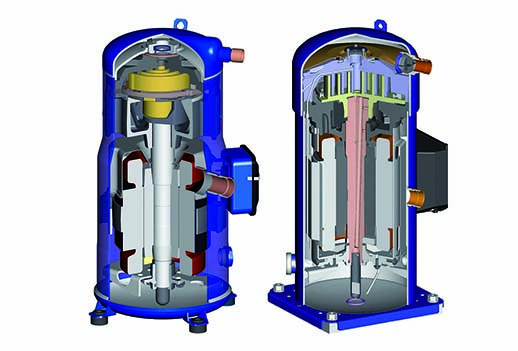
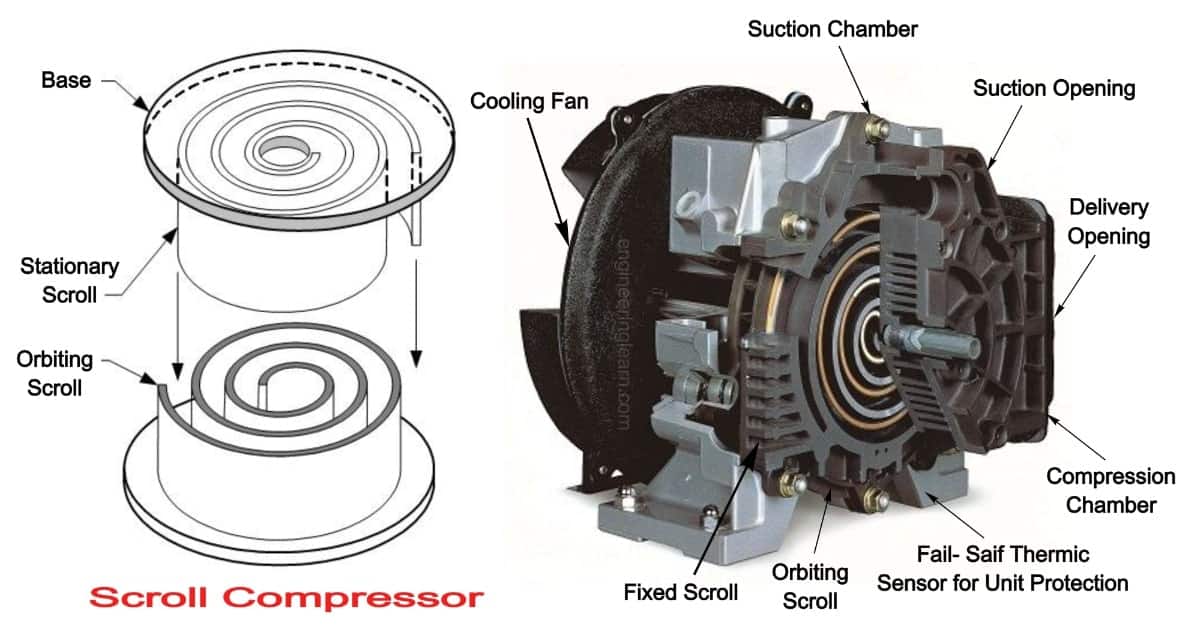
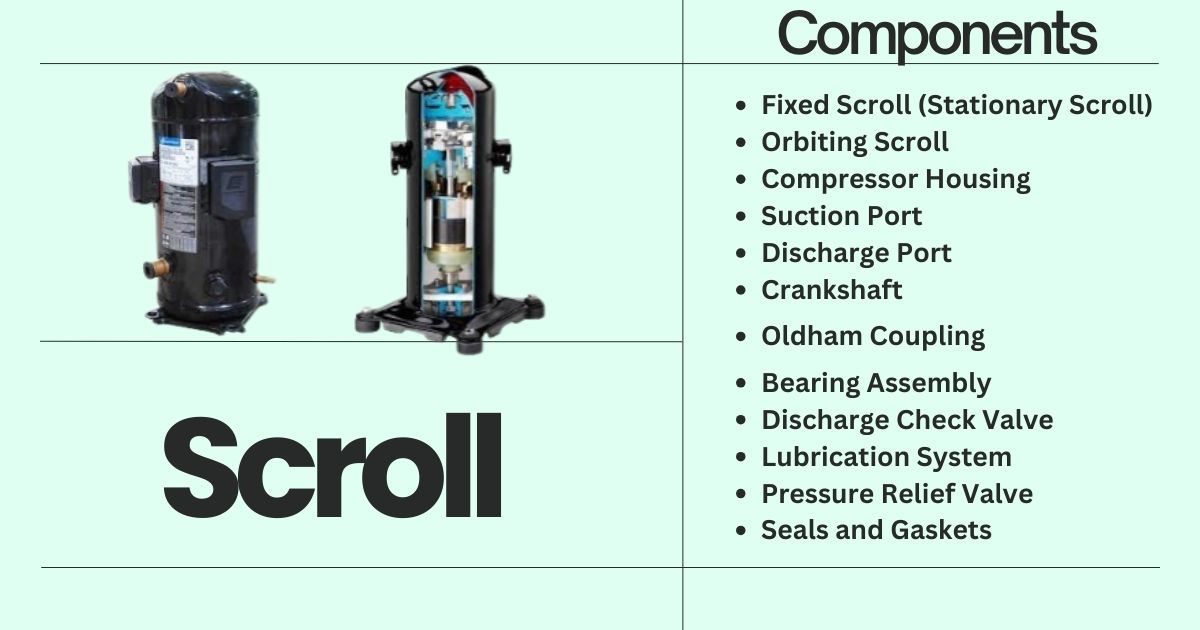
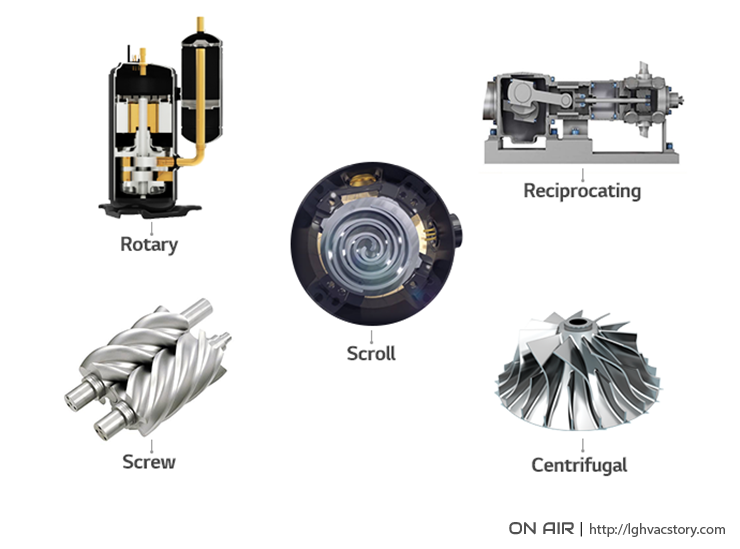
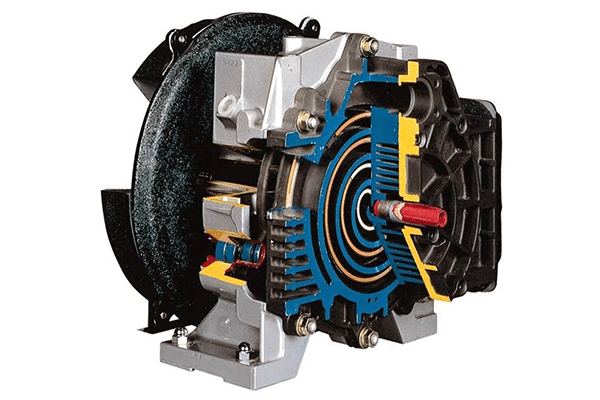
The Scroll Compressor Is One Type Of Reciprocating Compressor
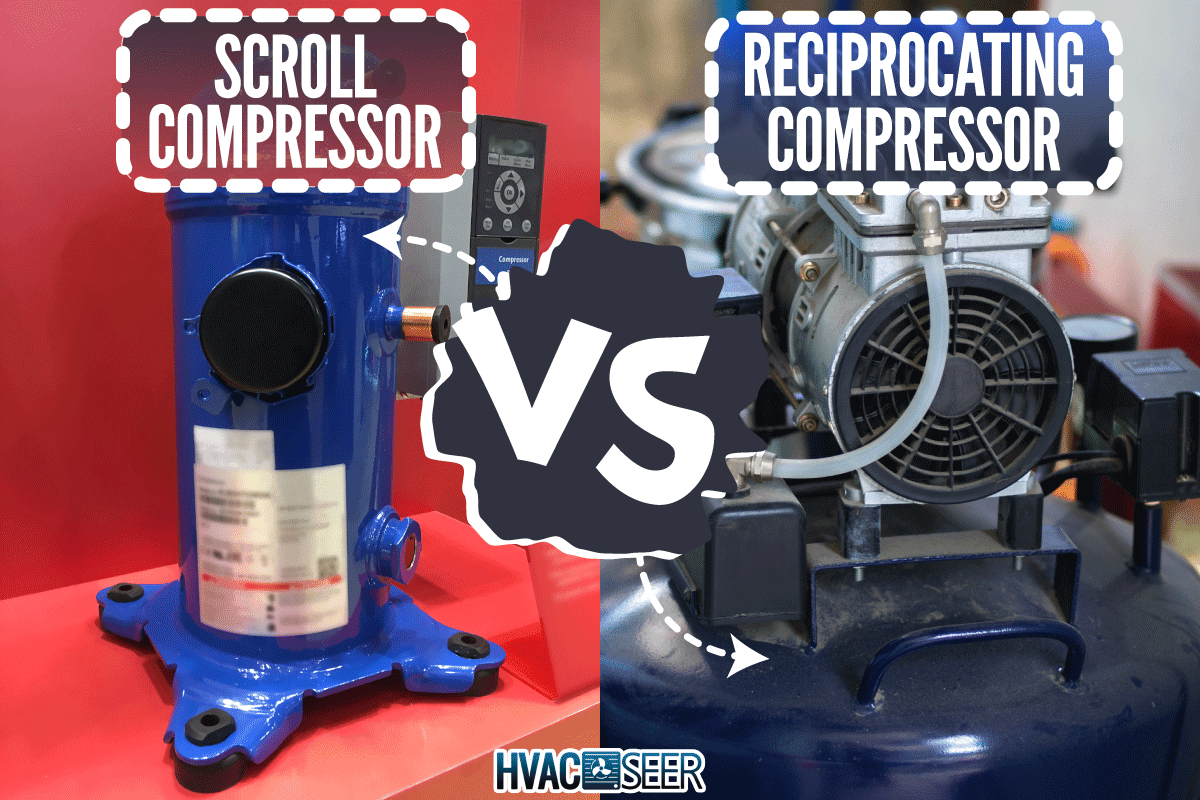
Imagine this: It’s a sweltering summer day, and your air conditioner is blowing warm air. Instead of a refreshing breeze, you're getting nothing but frustration. The culprit could be a malfunctioning compressor, a vital component that circulates refrigerant, enabling your AC to cool your home. While scroll compressors aren't reciprocating compressors (they operate on a different principle of compression), issues with the compressor system can mimic those found in other types of refrigeration systems. Let’s explore some basic troubleshooting steps you can take before calling a professional. Safety First! Always disconnect power to your AC unit at the breaker before attempting any troubleshooting.
Understanding the Basics: What Does the Compressor Do?
The compressor is the heart of your air conditioning system. It compresses refrigerant gas, increasing its temperature and pressure. This high-pressure, hot gas then flows through the condenser, where it releases heat to the outside air. The refrigerant then becomes a high-pressure liquid, which flows to the evaporator coil inside your home, where it absorbs heat and cools the air that's circulated through your vents. When the compressor fails, this cycle breaks down, and you end up with warm air.
Initial Checks: Before You Get Your Hands Dirty
Before diving into more complex troubleshooting, let's cover some simple checks:
- Thermostat Setting: Make sure your thermostat is set to "cool" and the temperature is set lower than the current room temperature. It seems obvious, but it's often overlooked.
- Air Filter: A dirty air filter restricts airflow, which can strain the entire system, including the compressor. Replace the filter with a clean one. Aim to change your filter every 1-3 months, depending on usage and air quality.
- Power Supply: Verify that the AC unit is receiving power. Check the circuit breaker in your electrical panel. If the breaker is tripped, reset it. If it trips again immediately, there's likely a short circuit, and you'll need to call a qualified electrician.
- Outdoor Unit Obstructions: Ensure the outdoor unit (condenser) isn't blocked by leaves, debris, or overgrown vegetation. Clear any obstructions to allow for proper airflow.
Step-by-Step Troubleshooting Guide
1. Power and Control Issues
Safety First! Turn off the power to the AC unit at the breaker before proceeding.
Check the Contactor:
The contactor is an electrical switch that controls power to the compressor and fan motor. It's usually located inside the outdoor unit. A faulty contactor can prevent the compressor from turning on.
- Visual Inspection: Look for signs of burning, arcing, or corrosion on the contactor. If you see any of these, the contactor needs to be replaced. This step involves working with electrical components, so if you're not comfortable, call a professional.
- Testing with a Multimeter (For Experienced DIYers ONLY): Using a multimeter, check for voltage across the contactor terminals when the thermostat is calling for cooling. If you're getting voltage to the contactor but no voltage out to the compressor, the contactor is likely faulty. Only perform this test if you are confident and experienced in using a multimeter and working with electricity. Incorrect use can lead to electric shock.
Replacing the Contactor (If Comfortable and Qualified):
Again, exercise extreme caution and disconnect power at the breaker before attempting this.
- Purchase a replacement contactor that matches the specifications of the original. Note the voltage, amperage, and number of poles.
- Carefully disconnect the wires from the old contactor, noting their positions. Take pictures for reference.
- Install the new contactor and reconnect the wires in the same positions.
- Turn the power back on at the breaker and test the AC unit.
2. Compressor Overload Protector
The compressor overload protector is a safety device that shuts off the compressor if it gets too hot. This protects the compressor from damage.
- Location: The overload protector is usually located on or near the compressor itself. It might be a small, black, cylindrical device.
- Resetting the Overload Protector: Some overload protectors have a reset button. If you find one, try pressing it. Wait a few minutes before turning the AC back on. If the compressor still doesn't start, the overload protector may have tripped due to a more serious problem.
- Thermal Cut-out: Other types of overload protectors automatically reset after the compressor cools down. You may need to wait several hours for the compressor to cool completely before attempting to restart the AC.
If the overload protector trips repeatedly, it indicates an underlying issue such as:
- Low refrigerant levels.
- A dirty condenser coil.
- A failing compressor motor.
These issues require professional diagnosis and repair.
3. Capacitor Problems
Capacitors provide the initial surge of electricity needed to start the compressor motor. A faulty capacitor is a common cause of compressor failure.
Identifying Capacitor Issues:
- Visual Inspection: Look for signs of bulging, leaking, or cracking on the capacitor. If you see any of these, the capacitor is definitely bad.
- Testing with a Multimeter (For Experienced DIYers ONLY): A multimeter with capacitance testing capability can be used to check the capacitor's microfarad (µF) rating. Compare the measured value to the rating printed on the capacitor. A significant difference indicates a faulty capacitor. Again, this requires experience and caution. Incorrect use can lead to electric shock or damage to the multimeter.
Replacing the Capacitor (If Comfortable and Qualified):
This step requires extreme caution as capacitors can store a dangerous electrical charge even after the power is disconnected. Discharge the capacitor before handling it.
- Discharging the Capacitor: Use a screwdriver with an insulated handle to short across the terminals of the capacitor. Be careful to avoid touching any metal parts. Some prefer to use a resistor to slowly discharge the capacitor, which is safer.
- Purchase a replacement capacitor with the same voltage and microfarad (µF) rating as the original.
- Carefully disconnect the wires from the old capacitor, noting their positions. Take pictures for reference.
- Install the new capacitor and reconnect the wires in the same positions.
- Turn the power back on at the breaker and test the AC unit.
4. Refrigerant Leaks
Low refrigerant levels can cause the compressor to work harder and overheat, eventually leading to failure. Refrigerant leaks are best left to professionals, as they require specialized equipment and knowledge of refrigerant handling procedures.
Signs of a Refrigerant Leak:
- Ice buildup on the refrigerant lines.
- Weak cooling performance.
- Hissing sound coming from the AC unit.
If you suspect a refrigerant leak, contact a qualified HVAC technician. It is illegal and harmful to the environment to intentionally release refrigerant into the atmosphere. Do not attempt to add refrigerant yourself.
5. Compressor Motor Failure
A failing compressor motor can also cause the AC to blow warm air. This is a more serious problem that usually requires replacing the entire compressor unit.
Testing the Compressor Motor Windings (For Experienced DIYers ONLY):
Using a multimeter, you can check the resistance of the compressor motor windings. There should be a specific resistance value between each terminal. If the resistance is zero (short circuit) or infinite (open circuit), the motor is likely faulty. This requires knowledge of electrical testing procedures and the specific resistance values for your compressor model.
If you suspect compressor motor failure, contact a qualified HVAC technician. Replacing a compressor is a complex and expensive repair that requires specialized tools and training.
When to Call a Professional
While these troubleshooting steps can help you identify and resolve some common issues, there are times when it's best to call a professional HVAC technician. Specifically, seek professional help if:
- You're uncomfortable working with electricity or refrigerant.
- You suspect a refrigerant leak.
- The compressor is making unusual noises (e.g., grinding, squealing).
- The compressor is overheating repeatedly.
- You've tried the troubleshooting steps and the AC still isn't working.
- You are unsure of the best path forward.
Working with refrigerant requires EPA certification, and improperly handling refrigerant can be dangerous and illegal. A qualified technician has the tools and knowledge to diagnose and repair complex AC problems safely and effectively.
Preventative Maintenance Tips
Preventative maintenance can help extend the life of your AC unit and prevent costly repairs. Consider these tips:
- Regularly change the air filter (every 1-3 months).
- Clean the outdoor unit (condenser) regularly. Remove any debris, leaves, or vegetation that may be blocking airflow.
- Schedule annual maintenance with a qualified HVAC technician. They can inspect the system, clean the coils, check refrigerant levels, and identify potential problems before they become major issues.
- Consider a programmable thermostat. This can help you save energy by automatically adjusting the temperature when you're not home.
By following these troubleshooting steps and preventative maintenance tips, you can keep your AC unit running smoothly and efficiently, ensuring a comfortable home environment for years to come.