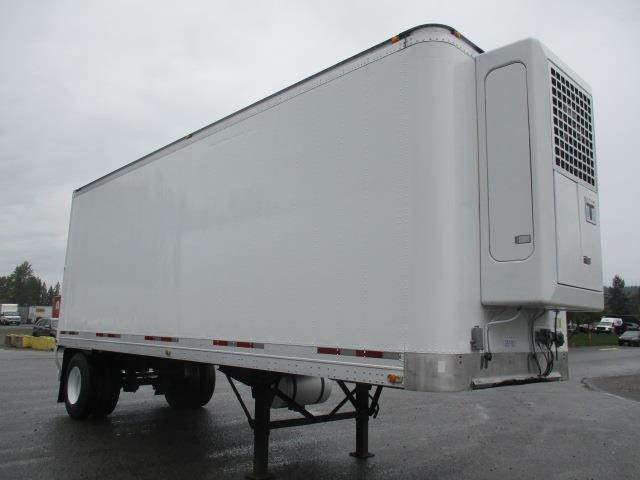
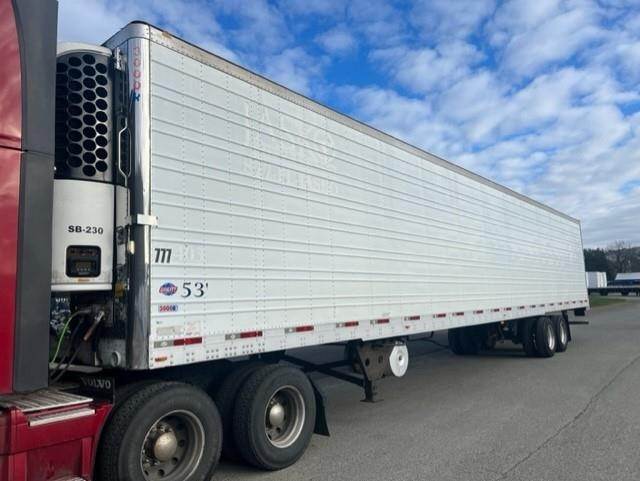
Thermo King Reefer Trailer For Sale

So, you've got a used Thermo King reefer trailer for sale – a fantastic opportunity for various businesses. But before sealing the deal, you need to ensure the refrigeration unit is in tip-top shape. While a professional inspection is always recommended, there are some preliminary checks you can perform yourself. This guide will walk you through troubleshooting common heating/cooling issues with a Thermo King reefer unit, offering a practical, step-by-step approach.
Imagine this scenario: you're promised a reefer unit that holds a consistent -10°F. Upon testing, it barely reaches 30°F and struggles to maintain it. This is a frequent headache buyers face, and early detection can save you significant money and hassle. Let's get started!
Initial Assessment: The Eyes and Ears
Before diving into any technical aspects, perform a thorough visual and auditory inspection. Many issues reveal themselves through simple observation.
Step 1: Power Up and Listen
First, ensure the unit has power. Confirm the power source (usually a 460V 3-phase connection) is active and correctly connected. Then, turn on the unit.
What to listen for:
- Normal startup sequence: Does the compressor engage smoothly, or do you hear struggling sounds? A healthy compressor will start with a distinct hum, gradually increasing in intensity.
- Unusual noises: Listen for rattling, squealing, grinding, or hissing sounds. These can indicate mechanical issues, leaks, or failing components.
- Fan operation: Both the condenser fan (outside) and the evaporator fan (inside the trailer) should be running smoothly. Listen for uneven speeds or noisy bearings.
What to check (no tools needed):
- Visible damage: Look for dents, cracks, or corrosion on the unit's housing, coils, and components. Pay close attention to the compressor, condenser, and evaporator sections.
- Fluid leaks: Inspect the ground around the unit for oil or refrigerant leaks. These appear as greasy spots or oily residue. Check all connections and fittings for signs of leakage.
- Ice buildup: Check the evaporator coils inside the trailer. Excessive ice buildup restricts airflow and reduces cooling capacity.
- Airflow obstructions: Ensure that nothing is blocking the airflow to the condenser or evaporator coils. This includes debris, packaging, or even a poorly positioned load inside the trailer.
Step 2: Control Panel Diagnostics
Thermo King units have advanced control panels that display valuable information. Familiarize yourself with the panel's layout and functions.
What to look for:
- Error codes: The control panel will often display error codes that pinpoint specific problems. Consult the Thermo King service manual (ideally obtained from the seller) to decipher these codes.
- Temperature readings: Monitor the supply and return air temperatures. A significant difference between these readings indicates a problem with airflow, cooling capacity, or defrost cycle.
- Operating mode: Ensure the unit is set to the correct operating mode (cooling or heating) and temperature setpoint.
- Sensor readings: If the unit has temperature sensors, check their readings for accuracy.
Actionable steps (no tools needed):
- Reset the unit: Try resetting the control panel. This can sometimes clear minor errors and restore normal operation.
- Check the setpoint: Make sure the temperature setpoint is appropriate for your needs. It sounds obvious, but it's a common mistake.
- Cycle the unit: Turn the unit off and back on again to see if it resolves any temporary glitches.
Digging Deeper: Basic Troubleshooting with Simple Tools
If the initial assessment doesn't reveal the problem, you'll need some basic tools to perform further diagnostics. Safety is paramount. Always disconnect the power supply before working on electrical components.
Step 3: Airflow Checks (Requires Screwdriver)
Restricted airflow is a common cause of poor cooling or heating performance.
What to check:
- Filter condition: Locate the air filter (usually near the evaporator coil) and inspect it. A dirty or clogged filter restricts airflow.
- Coil cleanliness: Check the condenser and evaporator coils for dirt, dust, and debris. These contaminants reduce heat transfer efficiency.
- Fan blade condition: Inspect the fan blades for damage or obstructions. Bent or broken blades reduce airflow.
Actionable steps (Requires Screwdriver):
- Clean or replace the air filter: Replace a dirty filter with a new one. If the filter is reusable, clean it thoroughly with compressed air or water.
- Clean the coils: Use a soft brush or vacuum cleaner to remove dirt and debris from the coils. Be careful not to damage the delicate fins. For heavy buildup, use a commercial coil cleaner (follow the product instructions carefully).
- Inspect and clean fan blades: Carefully remove any debris from the fan blades. If the blades are bent, consider replacing them.
Step 4: Electrical Connections (Requires Multimeter - USE WITH EXTREME CAUTION)
Loose or corroded electrical connections can cause a variety of problems, including intermittent operation and component failure. This step requires a basic understanding of electrical safety and the use of a multimeter. If you are uncomfortable with electrical work, consult a qualified electrician.
What to check (Requires Multimeter):
- Power supply voltage: Verify that the unit is receiving the correct voltage from the power source. Use a multimeter to measure the voltage at the unit's main power terminals. Incorrect voltage can damage the unit.
- Wiring connections: Inspect all wiring connections for tightness and corrosion. Pay close attention to the connections at the compressor, condenser fan motor, evaporator fan motor, and control panel.
- Continuity of wires: Use a multimeter to check the continuity of wires. This ensures that the wires are not broken or damaged.
Actionable steps (Requires Multimeter - USE WITH EXTREME CAUTION):
- Tighten loose connections: Tighten any loose wiring connections.
- Clean corroded connections: Clean corroded connections with a wire brush or electrical contact cleaner.
- Replace damaged wires: Replace any damaged or broken wires.
Step 5: Belt Inspection (Requires Visual Inspection)
Many older units use belts to drive the compressor. If the belt is worn or broken, the unit will not cool effectively.
What to check (Requires Visual Inspection):
- Belt condition: Inspect the belt for cracks, wear, or fraying.
- Belt tension: Check the belt tension. The belt should be tight enough to prevent slippage but not so tight that it puts excessive strain on the pulleys.
Actionable steps (May Require Simple Tools):
- Replace a worn belt: If the belt is worn or damaged, replace it with a new one of the correct size and type.
- Adjust belt tension: Adjust the belt tension according to the manufacturer's specifications.
When to Call the Professionals: Advanced Issues and Safety Concerns
While the above steps can help you identify and resolve many common reefer unit problems, some issues require specialized knowledge, tools, and training. Attempting to repair these issues yourself can be dangerous and could further damage the unit.
Here are some situations where you should always call a qualified HVAC technician specializing in Thermo King units:
- Refrigerant leaks: Refrigerant is a hazardous substance, and handling it requires specialized equipment and training. Leaks indicate a serious problem that needs to be addressed by a professional.
- Compressor problems: The compressor is the heart of the refrigeration system. Diagnosing and repairing compressor problems requires specialized knowledge and tools.
- Electrical control issues: Complex electrical control problems, such as issues with the control board or sensors, require specialized troubleshooting skills.
- Evaporator coil repairs: Repairing or replacing evaporator coils requires specialized tools and knowledge.
- Any situation where you are uncomfortable or unsure about what to do: It's always better to err on the side of caution and call a professional.
Specifically, DO NOT attempt to:
- Add refrigerant: Adding refrigerant without diagnosing the underlying leak is a temporary fix and can be harmful to the environment.
- Repair or replace the compressor: This requires specialized tools and knowledge and is best left to a professional.
- Work on high-voltage electrical components: This is extremely dangerous and should only be done by a qualified electrician.
Conclusion: A Proactive Approach to Reefer Unit Maintenance
By following these troubleshooting steps, you can gain a better understanding of the condition of a used Thermo King reefer trailer for sale. Remember that this guide is intended for preliminary diagnostics only. A professional inspection by a qualified HVAC technician is always recommended before purchasing a used reefer unit. This will ensure that the unit is in good working order and that you are making a sound investment.
Regular maintenance is key to preventing problems and extending the life of your reefer unit. Schedule routine inspections and maintenance with a qualified technician to keep your unit running smoothly for years to come. A well-maintained unit will not only save you money on repairs but also ensure that your cargo remains at the correct temperature, protecting your valuable goods.
Buying a used reefer trailer can be a cost-effective way to expand your business. Armed with this knowledge, you can approach the purchase with confidence, knowing what to look for and when to seek professional help. Good luck with your purchase!