Thermostatic Mixing Valve How Does It Work

In the quest for energy efficiency and cost savings, optimizing your hot water system is a often overlooked but crucial step. One device that plays a significant role in achieving this is the Thermostatic Mixing Valve (TMV). But how does a thermostatic mixing valve work, and why should you consider installing one in your home or business?
Understanding Thermostatic Mixing Valves
A TMV is a valve that blends hot and cold water to deliver water at a constant, safe temperature. Its primary function is to prevent scalding, but it also offers substantial energy savings and increased hot water capacity. Unlike a standard mixing valve that relies on manual adjustment, a TMV automatically maintains the desired temperature regardless of fluctuations in the incoming hot or cold water supply pressure or temperature.
The Core Components and Operation
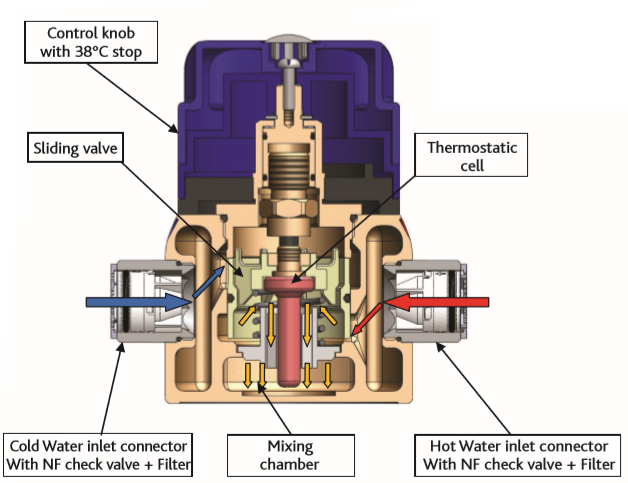
The heart of a TMV is its thermostatic element. This element, typically made of wax or a shape-memory alloy, expands or contracts in response to temperature changes. Here's a breakdown of the key components and how they interact:
- Hot Water Inlet: This connects to the outlet of your hot water heater.
- Cold Water Inlet: This connects to your cold water supply.
- Mixed Water Outlet: This delivers water at the desired temperature to fixtures like showers, faucets, and appliances.
- Thermostatic Element: This is the temperature-sensing component. It expands when heated and contracts when cooled.
- Internal Valve: This valve is directly controlled by the thermostatic element. It adjusts the ratio of hot and cold water entering the mixing chamber.
- Mixing Chamber: Where hot and cold water combine.
Here’s how it works step-by-step:
- Temperature Sensing: The thermostatic element constantly monitors the temperature of the mixed water.
- Valve Adjustment: If the mixed water is too hot, the element expands, reducing the flow of hot water and increasing the flow of cold water. Conversely, if the mixed water is too cold, the element contracts, increasing the flow of hot water and decreasing the flow of cold water.
- Automatic Regulation: This process happens continuously and automatically, ensuring a consistent and safe output temperature.
Why Are TMVs Important? Safety, Savings, and Sustainability
The benefits of installing a TMV extend beyond simple convenience. They offer significant advantages in terms of safety, energy efficiency, and water conservation.
Scald Prevention
Scalding is a serious hazard, especially for vulnerable populations like children and the elderly. According to the Centers for Disease Control and Prevention (CDC), hot water scalds are a leading cause of burns in young children. TMVs dramatically reduce the risk of scalding by limiting the maximum water temperature delivered to fixtures. Most TMVs can be set to a maximum temperature of 120°F (49°C), which is considered a safe and comfortable temperature for bathing and showering. At 140°F (60°C), it takes approximately 3 seconds to cause a serious burn. At 120°F (49°C), it takes about 5 minutes. This difference can be life-saving.
Energy Savings
TMVs allow you to store water at a higher temperature in your water heater (e.g., 140°F or 60°C) to kill bacteria like Legionella, while still delivering safe temperature water at the tap. By storing water at a higher temperature, you effectively increase the available hot water capacity. Because you are mixing hot and cold water, you'll use less hot water overall, resulting in significant energy savings. Studies show that TMVs can reduce hot water consumption by as much as 30%, leading to lower energy bills. A typical family of four could save hundreds of dollars per year. In addition, because you are using less hot water, this translates into a reduced load on your hot water heater which means less wear and tear extending its life and preventing premature replacement.
Increased Hot Water Capacity
As mentioned above, TMVs effectively increase your hot water capacity. If you often find yourself running out of hot water during showers or while running appliances, a TMV can help alleviate this problem without the need to replace your entire water heater with a larger model. This can be particularly beneficial for larger families or households with high hot water demands.
Water Conservation
Because TMVs deliver water at the desired temperature more quickly, they reduce the amount of water wasted while waiting for the water to heat up. This can contribute to significant water savings, especially in households with multiple occupants. While it may seem like a small amount of water wasted each time, it adds up over the course of a year.
Types of Thermostatic Mixing Valves
TMVs come in various sizes and configurations to suit different applications. The two main types are:
- Point-of-Source TMVs: These are installed at the hot water source (e.g., the water heater) to control the temperature of the hot water supplied to the entire plumbing system. They are ideal for whole-house protection and energy savings.
- Point-of-Use TMVs: These are installed directly at individual fixtures (e.g., showers, faucets) to control the temperature of the water delivered to that specific fixture. They are suitable for applications where precise temperature control is required at certain points.
Choosing the Right TMV for Your Needs
Selecting the appropriate TMV depends on several factors, including:
- Flow Rate: Choose a TMV with a flow rate that matches the demands of your plumbing system.
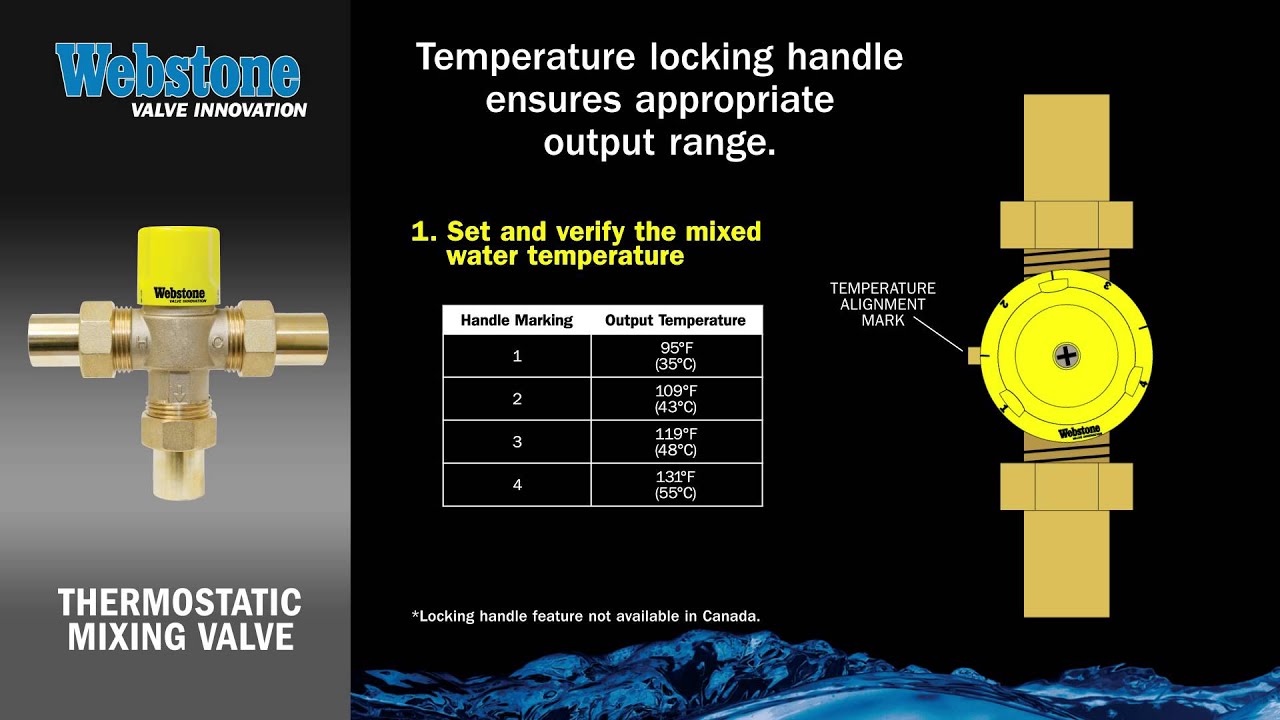
- Temperature Range: Select a TMV with an adjustable temperature range that meets your specific requirements.
- Compliance Standards: Ensure the TMV meets relevant safety standards, such as ASSE 1017 or equivalent.
- Material: Opt for TMVs made of durable, corrosion-resistant materials like brass or stainless steel.
Installation and Maintenance
TMV installation is typically straightforward for a qualified plumber. However, some homeowners with plumbing experience may be able to install them themselves. Follow the manufacturer's instructions carefully and ensure that all connections are properly sealed. Regular maintenance is essential to ensure the TMV continues to function correctly. This includes periodic cleaning and inspection of the thermostatic element and internal valve. Most manufacturers recommend annual servicing by a qualified technician.
Integrating TMVs with Smart Home Systems
The integration of TMVs with smart home systems is a growing trend. While standalone TMVs offer significant benefits, connecting them to a smart thermostat or home automation system can further enhance energy efficiency and convenience. You can monitor water usage, set temperature preferences remotely, and receive alerts if the water temperature deviates from the setpoint. Some smart TMVs also feature leak detection capabilities, providing an extra layer of protection against water damage.
"Smart thermostats are already helping homeowners save money on heating and cooling. Integrating TMVs into these systems is a natural extension that can unlock even greater energy savings and improve overall comfort," says John Smith, a leading HVAC consultant.
Incentives and Rebates
Many utility companies and government agencies offer rebates and incentives for installing energy-efficient plumbing fixtures, including TMVs. Check with your local utility provider or visit the Energy Star website to see if any rebates are available in your area. These incentives can help offset the initial cost of the TMV, making it an even more attractive investment.
ROI and Long-Term Cost Savings
While the initial investment in a TMV may seem like an added expense, the long-term cost savings can be substantial. By reducing hot water consumption, preventing scalding, and extending the life of your water heater, a TMV can pay for itself in a relatively short period. The exact payback period will vary depending on your hot water usage patterns and energy costs, but most homeowners can expect to see a return on their investment within a few years.
Here’s a hypothetical example:
Let’s say a family spends $500 per year on heating water. A TMV reduces their hot water consumption by 20%, saving them $100 per year. If the TMV costs $200 to purchase and install, the payback period would be just two years.
Furthermore, the peace of mind knowing that you are protecting your family from scalding and reducing your environmental impact is priceless.
Conclusion: A Smart Investment for a Sustainable Future
A thermostatic mixing valve is a simple yet effective device that offers a multitude of benefits. From preventing scalding to reducing energy consumption and increasing hot water capacity, TMVs are a valuable addition to any home or business looking to improve safety, efficiency, and sustainability. As energy costs continue to rise and environmental concerns become more pressing, investing in a TMV is a smart choice that can save you money, protect your family, and contribute to a greener future. Whether you're a homeowner, a business owner, or an HVAC contractor, consider the advantages of TMVs and take the first step towards a more efficient and sustainable hot water system.