Three Different Design Screw Compressors Are
When it comes to heating and cooling your home or business efficiently, the compressor is the heart of the system. While reciprocating compressors have long been a staple, screw compressors are increasingly becoming the preferred choice for larger residential and commercial applications due to their efficiency, reliability, and quiet operation. This article dives into three distinct design types of screw compressors commonly found in HVAC systems, highlighting their pros, cons, and suitability for different needs.
Understanding Screw Compressor Technology
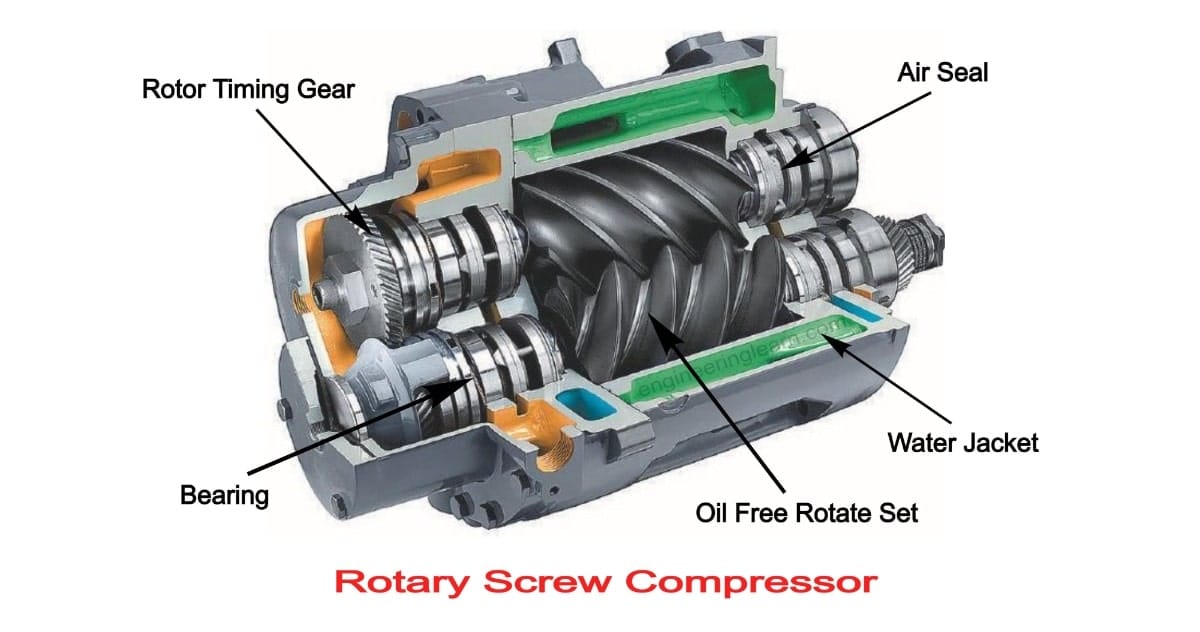
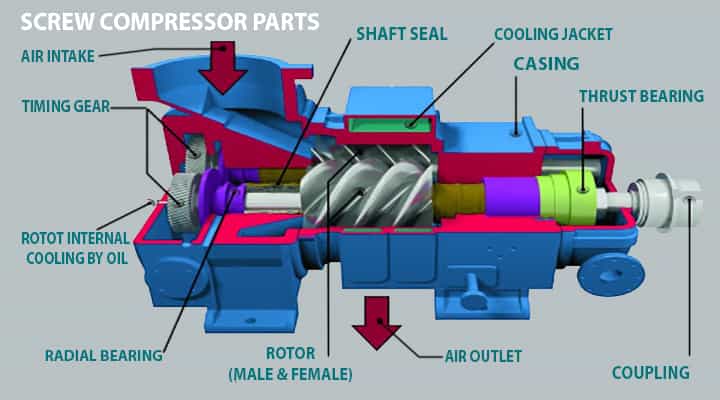
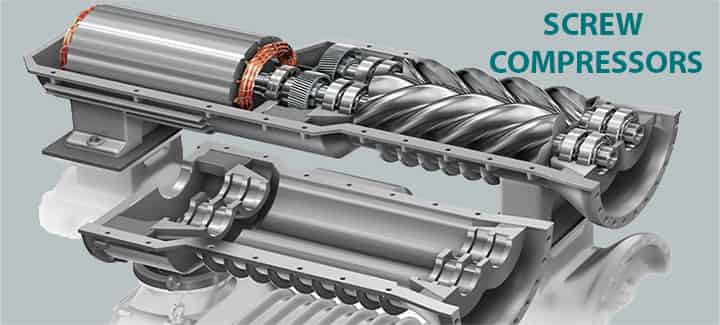
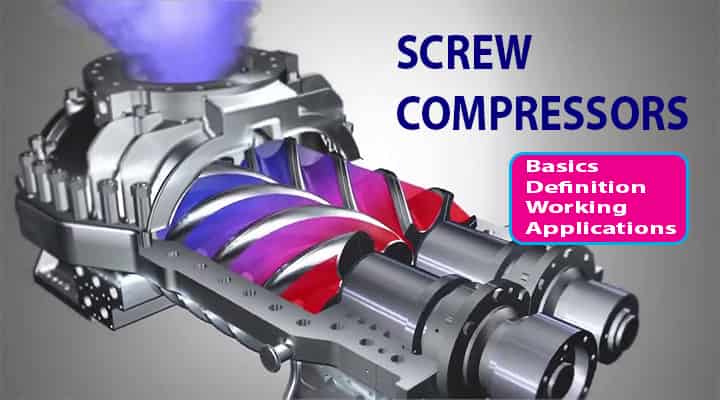
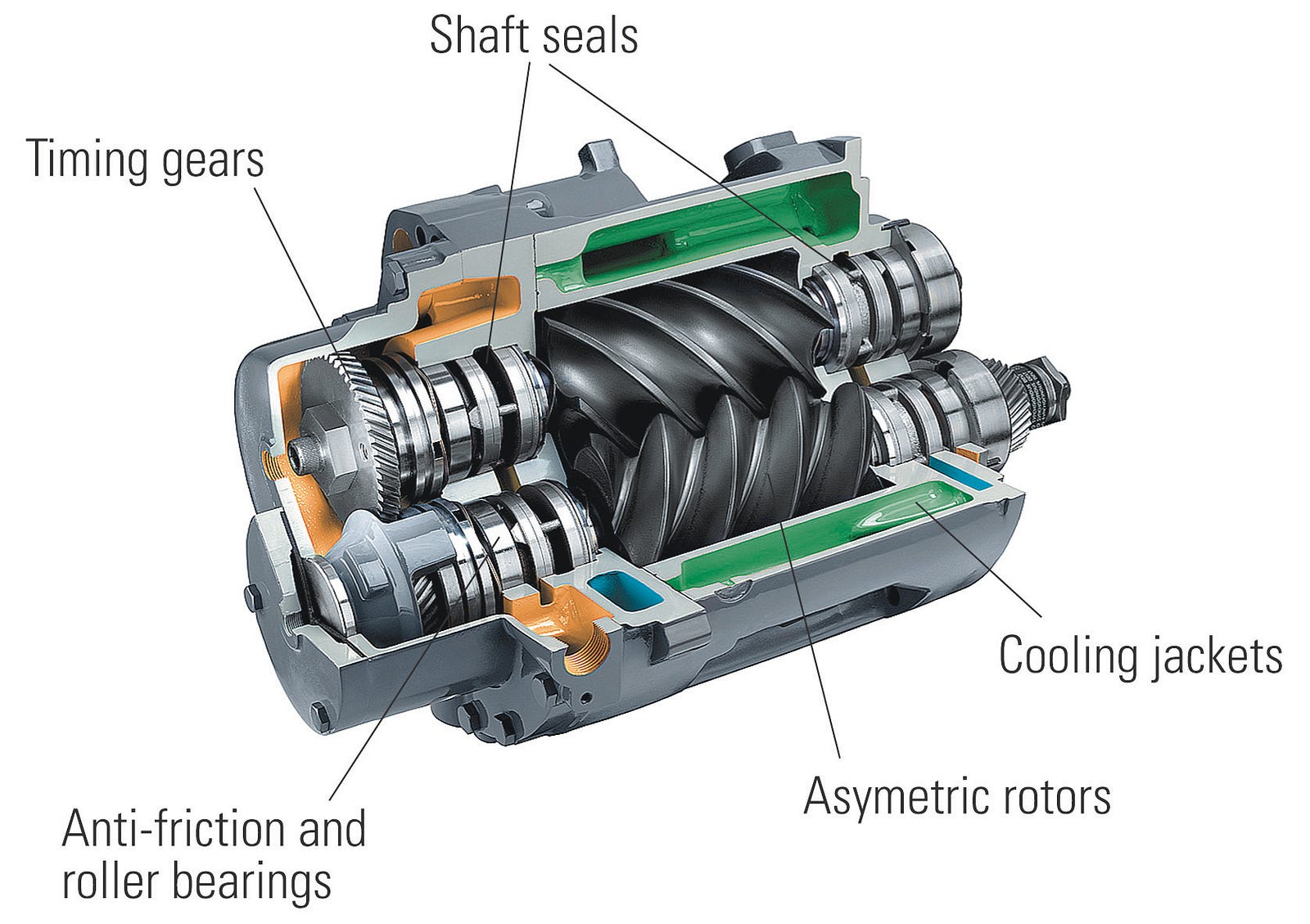
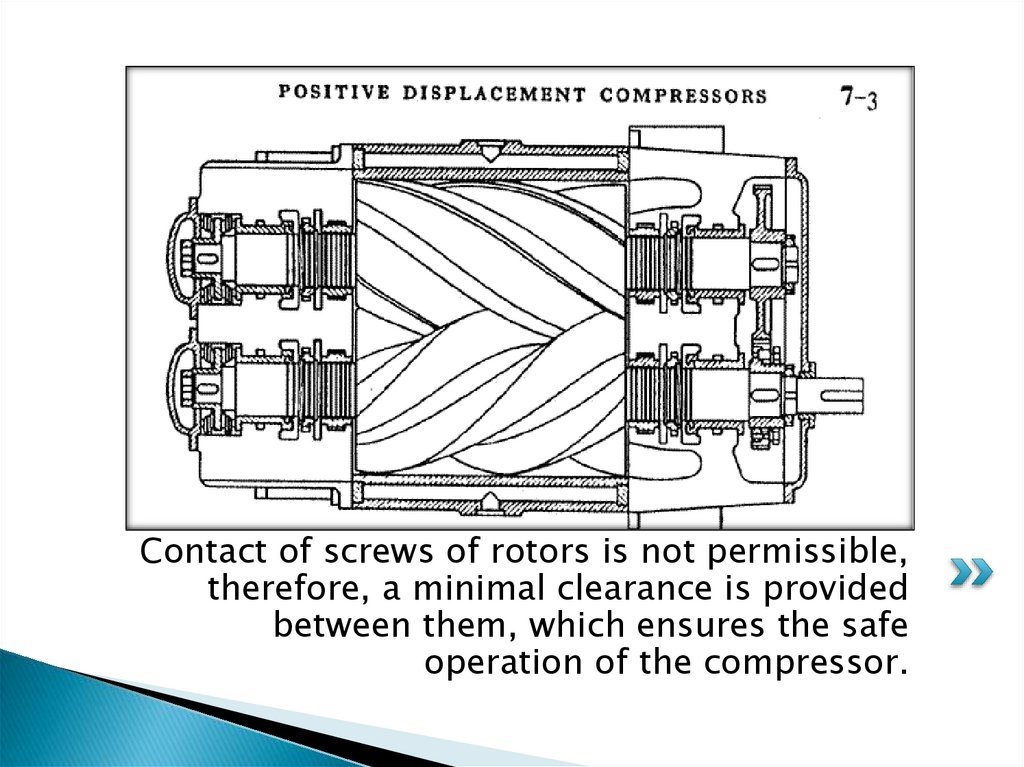
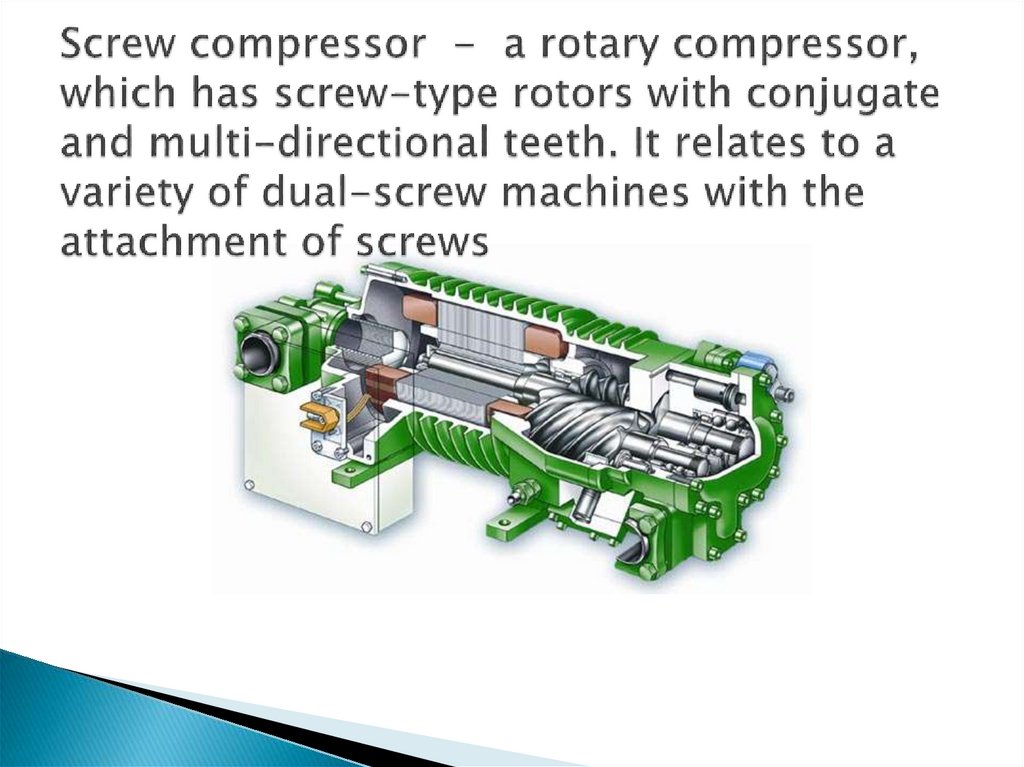
Before we delve into the specific designs, let's briefly understand how a screw compressor works. Unlike reciprocating compressors that use pistons, screw compressors utilize two intermeshing helical screws, a rotor and a stator, to compress refrigerant gas. As the screws rotate, the volume between them decreases, compressing the gas and forcing it towards the outlet. This continuous compression process leads to smoother operation, reduced vibration, and generally higher efficiency compared to reciprocating compressors.
1. Single Screw Compressors: Simplicity and Balance
Single screw compressors, also known as rotary screw compressors, feature a single main screw rotor that meshes with two star rotors, called gate rotors. This design offers several advantages.
Pros of Single Screw Compressors:
- Balanced Loading: The symmetrical design of the main rotor and two gate rotors provides excellent balance, reducing bearing loads and vibration. This leads to increased reliability and lifespan.
- Lower Noise Levels: Compared to other screw compressor designs, single screw compressors generally operate quieter due to their balanced operation and smoother gas flow.
- Efficient Part-Load Performance: Single screw compressors maintain relatively high efficiency even when operating at partial load conditions, making them suitable for applications with fluctuating cooling demands.
Cons of Single Screw Compressors:
- Complexity of Manufacturing: Manufacturing the precise helical profile of the main screw rotor and the star rotors requires specialized tooling and expertise, potentially leading to higher initial costs.
- Potential for Wear on Gate Rotors: The gate rotors are typically made of a softer material than the main rotor to prevent damage to the main rotor. This can lead to higher wear rates on the gate rotors, requiring eventual replacement.
- Limited Capacity Range: Single screw compressors are typically best suited for medium-sized HVAC applications, and their capacity range may be limited compared to twin-screw designs for very large cooling loads.
Features and Brands:
While less common in smaller residential units, single screw compressors are often found in larger commercial HVAC systems, chillers, and industrial refrigeration equipment. Key brands that utilize single screw technology include Frick and Howden. Performance ratings will vary based on the specific system and refrigerant used, but look for systems designed to meet or exceed industry standards for energy efficiency.
Pricing and Maintenance:
The initial cost of a system with a single screw compressor can be higher than a reciprocating compressor system of comparable capacity. However, the increased energy efficiency and lower maintenance costs over the lifespan of the unit can often offset the higher initial investment. Maintenance should include regular oil changes, filter replacements, and vibration analysis to detect potential issues early on.
2. Twin Screw Compressors: The Workhorse
Twin screw compressors are the most common type of screw compressor found in HVAC and refrigeration systems. They utilize two intermeshing helical screws, a male rotor and a female rotor, to compress the refrigerant gas.
Pros of Twin Screw Compressors:
- High Efficiency: Twin screw compressors generally offer excellent volumetric efficiency, leading to high cooling capacity and energy savings. Look for models boasting impressive SEER (Seasonal Energy Efficiency Ratio) and EER (Energy Efficiency Ratio) ratings.
- Wide Capacity Range: Twin screw compressors are available in a wide range of sizes, making them suitable for everything from small commercial applications to large industrial plants.
- Reliable and Durable: With proper maintenance, twin screw compressors can provide years of reliable operation, thanks to their robust design and relatively simple construction.
Cons of Twin Screw Compressors:
- Higher Noise Levels: Twin screw compressors can be noisier than single screw compressors due to the direct meshing of the two rotors. Noise dampening measures may be required in some applications.
- Potential for Rotor Wear: The direct contact between the male and female rotors can lead to wear over time, particularly if lubrication is inadequate.
- Sensitivity to Liquid Sluging: Liquid refrigerant entering the compressor (liquid slugging) can cause significant damage to the rotors.
Features and Brands:
Numerous HVAC manufacturers utilize twin screw compressors in their equipment, including leading brands like Trane, Carrier, York, and Daikin. These compressors are found in chillers, packaged rooftop units, and other commercial and industrial HVAC systems. Consider models that incorporate features such as variable frequency drives (VFDs) for enhanced part-load efficiency and advanced monitoring systems for predictive maintenance.
Pricing and Maintenance:
The pricing of twin screw compressor-based systems varies significantly depending on the size, capacity, and features. Regular maintenance is crucial for ensuring optimal performance and longevity. This includes oil analysis, filter changes, and periodic inspections of the rotors and bearings. Watch for warranty information as that can effect long term costs.
3. Scroll-Screw Compressors: Bridging the Gap
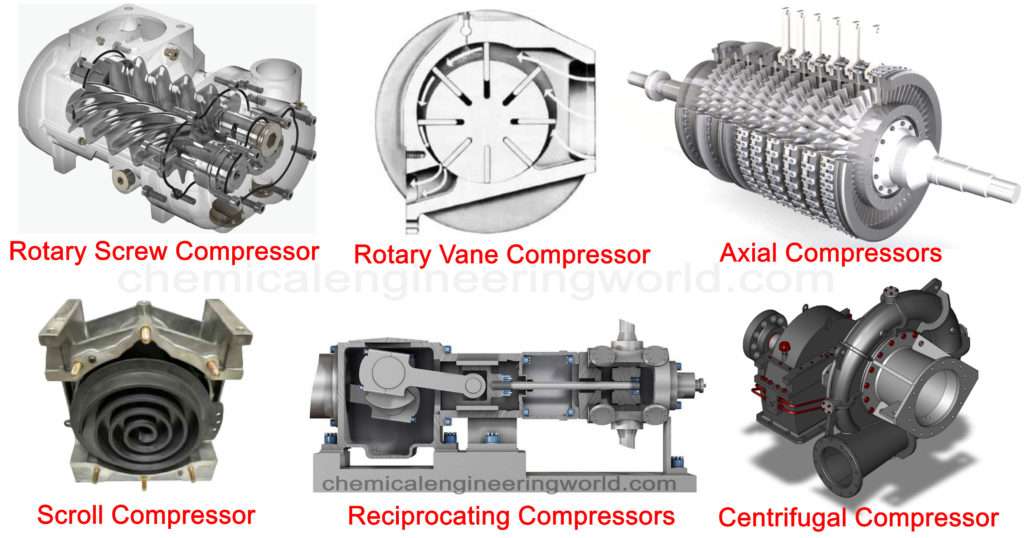
Scroll-screw compressors represent a hybrid design that combines elements of both scroll and screw compression technologies. In this design, a scroll compressor pre-compresses the refrigerant before it enters a smaller screw compression stage. This configuration aims to optimize efficiency and reduce noise.
Pros of Scroll-Screw Compressors:
- High Efficiency: The combination of scroll and screw compression stages results in excellent overall efficiency, especially at full-load conditions.
- Compact Size: Compared to traditional screw compressors, scroll-screw compressors can be more compact, making them suitable for applications with limited space.
- Reduced Noise and Vibration: The scroll pre-compression stage helps to reduce noise and vibration levels compared to conventional twin-screw compressors.
Cons of Scroll-Screw Compressors:
- Complexity: The combination of two different compression technologies increases the complexity of the system, potentially leading to higher manufacturing costs and more complex maintenance requirements.
- Limited Availability: Scroll-screw compressors are still relatively new to the market, and their availability may be limited compared to twin-screw compressors.
- Potential for Scroll Component Failure: The scroll component, being a precision-engineered part, could be more prone to failure than the screw component.
Features and Brands:
Bitzer is a notable manufacturer that has pioneered scroll-screw compressor technology. These compressors are found in some high-efficiency chillers and air conditioning systems. Look for systems that incorporate advanced control algorithms to optimize the performance of both the scroll and screw compression stages.
Pricing and Maintenance:
Scroll-screw compressor-based systems typically command a premium price due to their advanced technology and high efficiency. Maintenance requirements may be more complex compared to traditional screw compressors, requiring specialized knowledge and expertise. Regular monitoring of both the scroll and screw components is essential for ensuring reliable operation.
Choosing the Right Screw Compressor for Your Needs
Selecting the right screw compressor design depends on a variety of factors, including the size of the application, the required cooling capacity, energy efficiency goals, budget constraints, and maintenance capabilities.
- For medium-sized applications with a focus on balanced operation and low noise: Single screw compressors are a good option.
- For a wide range of applications where high efficiency and reliability are paramount: Twin screw compressors are the most common and widely available choice.
- For applications where space is limited and high efficiency is critical: Scroll-screw compressors offer a compelling alternative.
Ultimately, it is essential to consult with a qualified HVAC professional to assess your specific needs and recommend the most appropriate screw compressor design for your application. Be sure to compare AFUE, SEER, and HSPF ratings, inquire about warranties, and understand the long-term maintenance requirements before making a final decision.
By understanding the unique characteristics of each screw compressor design, you can make an informed decision and invest in an HVAC system that provides efficient, reliable, and cost-effective heating and cooling for years to come.