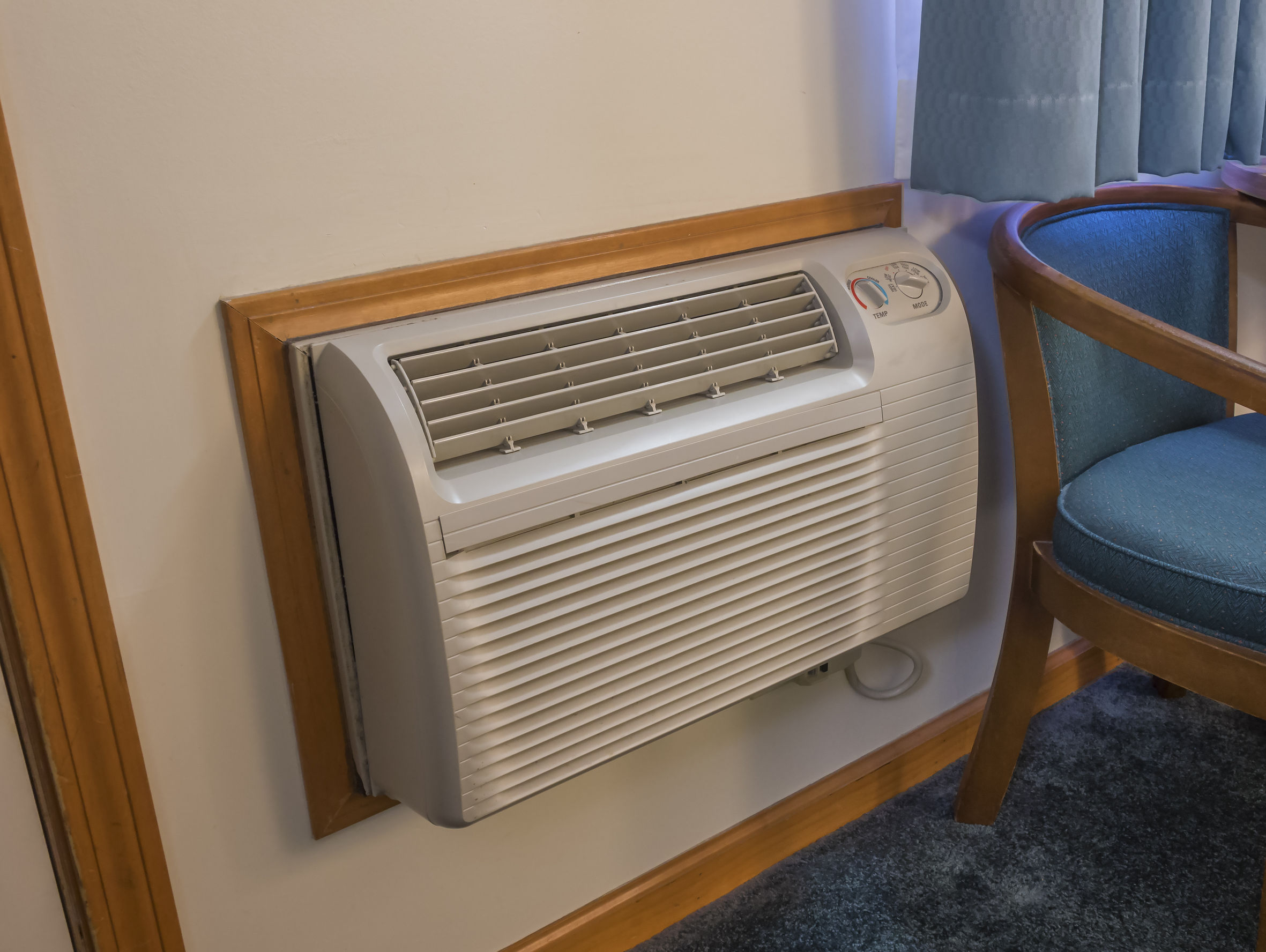
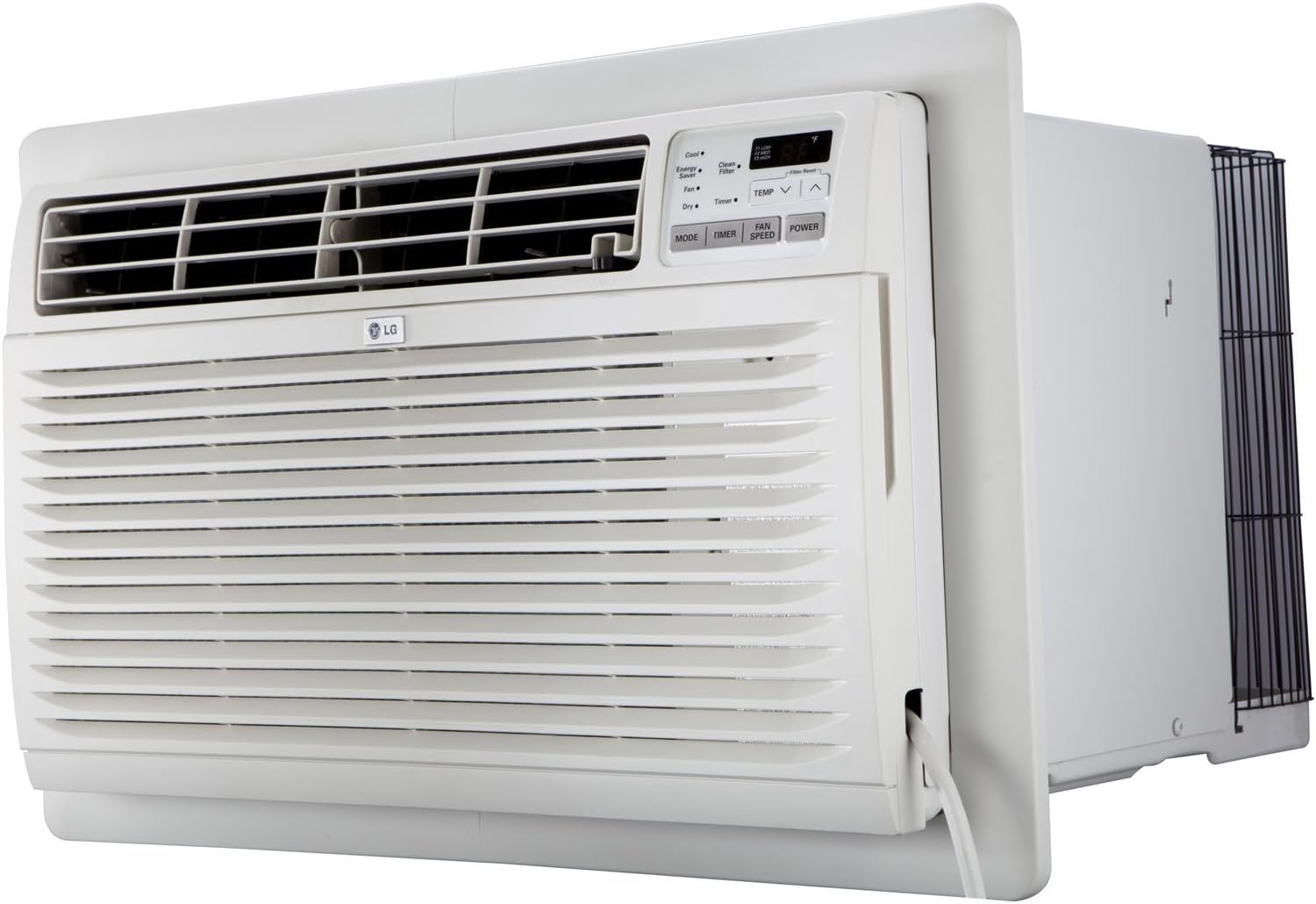
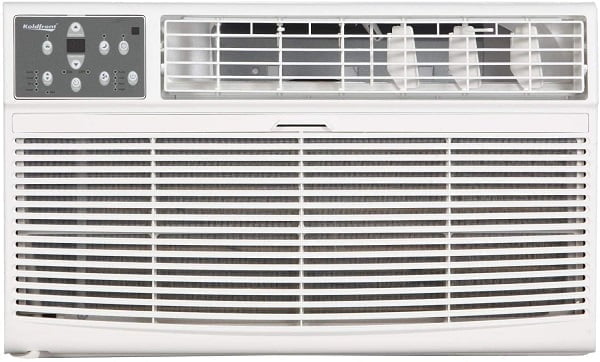
Through The Wall Air Conditioner And Heater
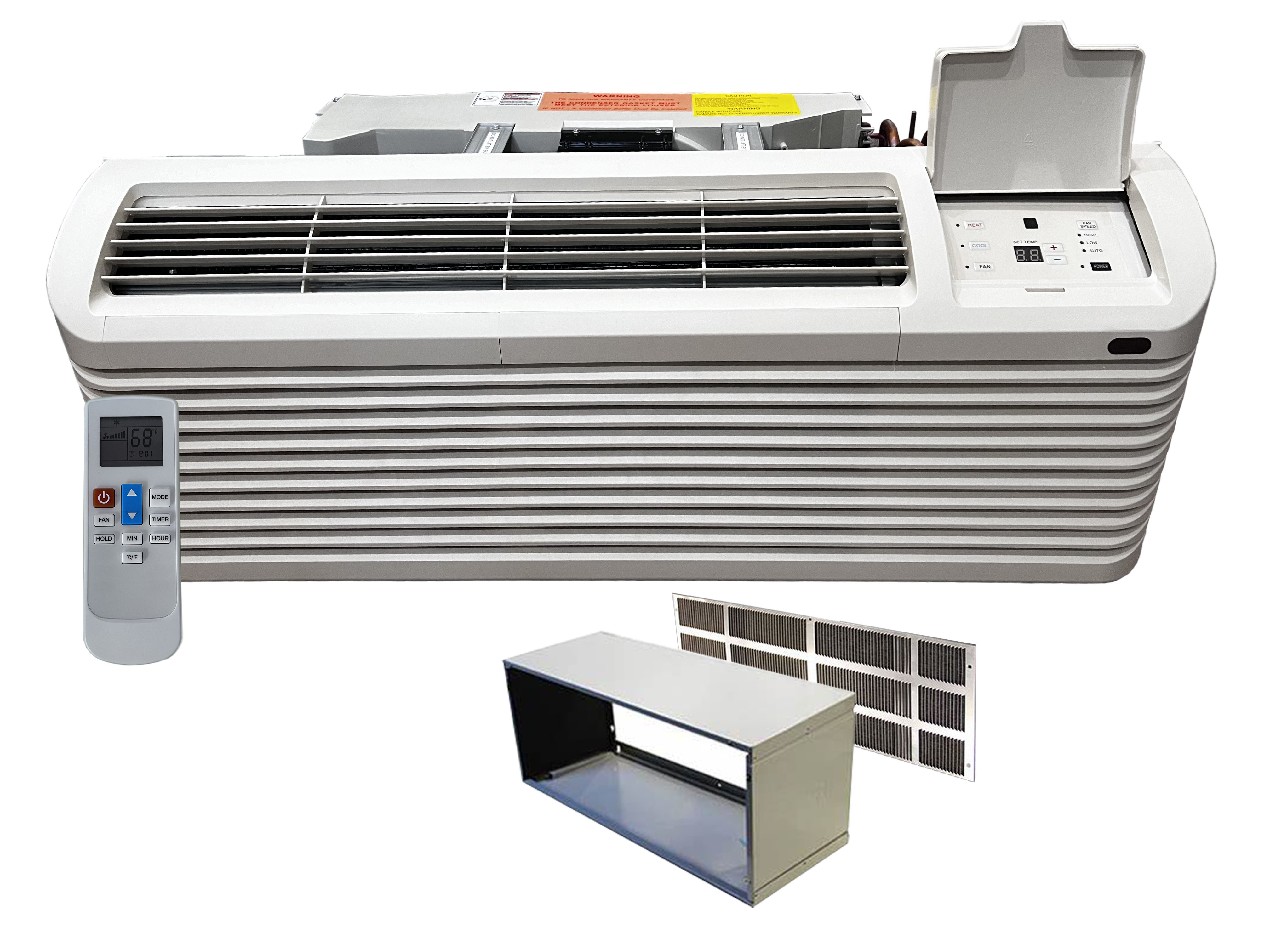
Through-the-wall air conditioners and heaters offer a convenient climate control solution, especially for apartments and older homes. But like any appliance, they can occasionally malfunction. Before calling a repair technician, you can perform some simple troubleshooting steps to potentially resolve the issue yourself. This guide will walk you through common problems and basic DIY fixes, while also highlighting when professional help is crucial.
Understanding the Problem: A Common Scenario
Imagine this: It's a sweltering summer day, and your through-the-wall AC unit is blowing warm air, or perhaps not turning on at all. Or, in winter, you expect a blast of cozy heat, but instead, you're shivering. This is a classic scenario, and often, the cause is something easily addressed.
Step 1: Safety First!
Before you begin any troubleshooting, always prioritize your safety:
- Unplug the Unit: This is the most crucial step! Disconnect the unit from the power outlet to prevent electric shock.
- Read the Manual: Refer to your unit's owner's manual for specific instructions and safety warnings related to your model.
- Use Appropriate Tools: If you need tools, use insulated ones to avoid electrical hazards.
Step 2: Checking the Power Supply
A lack of power is a surprisingly common culprit. Here's how to investigate:
Is it Plugged In?
Yes, it sounds obvious, but double-check that the unit is securely plugged into the outlet. A loose connection can interrupt power.
Test the Outlet
The outlet itself might be faulty. Try plugging another appliance (like a lamp) into the same outlet. If the other appliance doesn't work, the problem is with the outlet, not the AC/heater unit. You may need to contact an electrician.
Check the Circuit Breaker/Fuse
A tripped circuit breaker or blown fuse can cut off power to the outlet. Locate your electrical panel (usually in a basement, garage, or utility closet). Look for a breaker that's switched to the "off" position or a fuse that looks broken.
- Breaker: Flip the breaker to the "off" position, then back to the "on" position.
- Fuse: Replace the blown fuse with a new one of the same amperage. Never use a fuse with a higher amperage rating.
Step 3: Examining the Settings and Controls
Sometimes, the problem is simply incorrect settings. Ensure the settings are properly adjusted and that the unit isn't accidentally in a mode you don't intend.
Mode Selection
Make sure the unit is set to the correct mode (cool, heat, fan, auto). Many units have a "fan only" mode that circulates air without heating or cooling. Ensure you've selected the desired mode.
Temperature Setting
Is the temperature set low enough for cooling or high enough for heating? It seems basic, but it's easily overlooked.
Timer Function
Check if the timer function is activated. The unit might be set to turn off or on at a specific time, preventing it from running when you expect it to.
Remote Control Batteries
If you're using a remote control, try replacing the batteries. A weak battery can cause intermittent or unresponsive behavior.
Step 4: Cleaning and Maintenance
Dirt and debris can significantly impact the performance of your through-the-wall unit. Regular cleaning is essential.
Air Filter Cleaning/Replacement
A clogged air filter is a major cause of reduced airflow and poor performance. The filter is usually located at the front of the unit, behind a removable panel.
- Cleaning: Remove the filter and vacuum it thoroughly. If it's heavily soiled, wash it with mild soap and water, rinse well, and allow it to dry completely before replacing it.
- Replacement: Some filters are disposable and should be replaced regularly (typically every 1-3 months, depending on usage and air quality). Check your owner's manual for the recommended replacement schedule and filter type.
Cleaning the Coils
The coils (both indoor and outdoor) can accumulate dust and dirt, reducing their ability to transfer heat.
- Indoor Coils: Carefully vacuum the indoor coils using a brush attachment.
- Outdoor Coils: Only if easily accessible and unplugged! Gently brush away any visible debris from the outdoor coils. Do not attempt to disassemble the unit to access the outdoor coils. This requires specialized knowledge and equipment.
Checking for Obstructions
Make sure nothing is blocking the airflow around the unit, both inside and outside. Curtains, furniture, or overgrown bushes can restrict airflow and reduce efficiency.
Step 5: Simple Part Replacement (DIY with Caution)
Some components are relatively easy and safe to replace yourself. However, always unplug the unit before attempting any replacements and consult your owner's manual for specific instructions.
Replacing the Air Filter
As mentioned earlier, replacing the air filter is a routine maintenance task. Ensure you purchase the correct filter size and type for your unit.
Replacing the Remote Control
If the remote is malfunctioning even with fresh batteries, a replacement remote might be necessary. You can often find replacement remotes online or at appliance parts stores. Ensure the replacement remote is compatible with your unit's model number.
Checking the Fan Blade
Carefully inspect the fan blade (if accessible). Make sure it is free of obstructions and that it can spin freely. Remove any debris that may be blocking the fan. If the blade is visibly damaged or warped, it might need professional replacement.
When to Call a Professional
Certain problems require the expertise of a qualified HVAC technician. Do not attempt to repair these issues yourself, as they involve electrical hazards, refrigerant handling, or complex repairs.
Refrigerant Leaks
If you suspect a refrigerant leak (e.g., the unit is blowing warm air even on the coldest setting, or you hear a hissing sound), do not attempt to repair it yourself. Refrigerant handling requires specialized equipment and certification. Leaking refrigerant is also harmful to the environment.
Electrical Problems
If you see sparks, smell burning plastic, or experience repeated circuit breaker tripping, immediately unplug the unit and call an electrician or HVAC technician. Electrical problems can be dangerous and should only be handled by qualified professionals.
Compressor Issues
The compressor is the heart of the cooling system. If the compressor is making unusual noises, failing to start, or overheating, it likely needs professional repair or replacement. Compressor repairs are complex and require specialized tools and knowledge.
Thermostat Malfunctions
If the thermostat is not accurately controlling the temperature, or if it's displaying error codes, it might need to be replaced. While you can try replacing the thermostat yourself, it's often best to have a professional diagnose the problem and install a compatible replacement, especially if the thermostat is integrated with the unit's control board.
Gas Heating Issues
If your through-the-wall unit is a gas heater and you suspect a gas leak, immediately evacuate the area and call your gas company or the fire department. Do not attempt to repair a gas leak yourself. Carbon monoxide poisoning is a serious risk with gas appliances.
Complex Repairs
Any repair that involves disassembling the unit's internal components or working with specialized tools (e.g., gauges, vacuum pumps) should be left to a professional. Attempting these repairs yourself could damage the unit or create a safety hazard.
Preventative Maintenance Tips
Regular maintenance can help prevent problems and extend the lifespan of your through-the-wall AC/heater unit.
- Clean the Air Filter Regularly: As mentioned earlier, clean or replace the air filter every 1-3 months, depending on usage and air quality.
- Clean the Coils: Annually clean the coils to remove dust and debris.
- Inspect the Unit Regularly: Check for any signs of damage, leaks, or unusual noises.
- Seal Air Leaks: Seal any gaps or cracks around the unit's installation to prevent air leaks and improve efficiency.
- Schedule Professional Maintenance: Consider scheduling annual professional maintenance to have a technician inspect and service the unit.
Conclusion
By following these troubleshooting steps, you can often resolve common issues with your through-the-wall air conditioner and heater. Remember to prioritize safety, consult your owner's manual, and know when to call a professional. With proper care and maintenance, your unit will provide reliable comfort for years to come. Empowering yourself with basic knowledge can save you time and money, but never compromise safety when dealing with electricity, gas, or complex appliances.