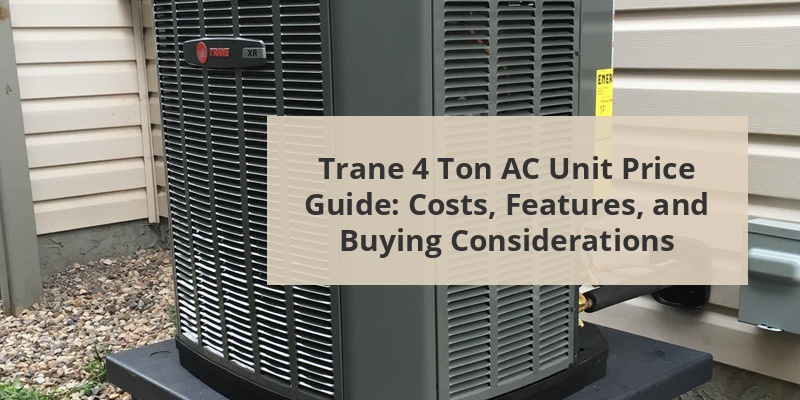
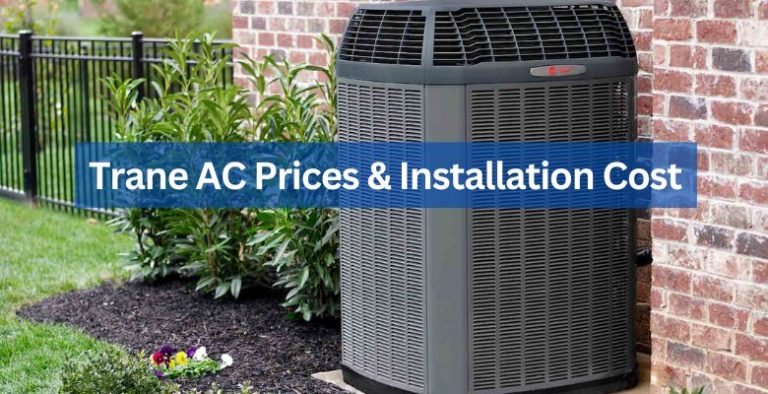
Trane 4 Ton Ac Unit Prices

Imagine this: It's a sweltering summer day, and your Trane 4-ton AC unit is struggling to keep your home cool. Or, perhaps during a chilly winter night, your heat pump isn't delivering the warmth you expect. Before you jump to conclusions about needing a costly new system, let's explore some common issues and troubleshooting steps you can take yourself.
Is Your Trane AC Not Performing? Start Here!
This guide will walk you through a logical process to diagnose common AC and heating problems in your Trane 4-ton unit, helping you save time and money. We'll cover DIY checks, when to call a pro, and briefly touch on factors affecting Trane 4-ton AC unit prices if a replacement becomes necessary.
Step 1: Basic Checks – No Tools Required!
Before diving into anything complex, let’s start with the easy stuff. These checks require absolutely no tools and can often pinpoint simple problems.
- Thermostat Settings: This seems obvious, but it's the most common culprit! Double-check that your thermostat is set to "Cool" (for AC) or "Heat" (for heating) and that the temperature is set lower (for AC) or higher (for heating) than the current room temperature. Make sure the fan setting is on "Auto" unless you specifically want it running continuously. A seemingly malfunctioning AC is often just a misconfigured thermostat.
- Air Filters: A dirty air filter is a major cause of poor AC and heating performance. Locate your air filter (usually in the indoor unit or a wall/ceiling vent). Is it visibly dirty or clogged? A clean filter allows proper airflow, which is crucial for efficient operation.
- Circuit Breaker: Check the circuit breaker for your AC unit in your electrical panel. A tripped breaker will cut power to the unit. Reset it by flipping it all the way off and then back on. If it trips again immediately, do not keep resetting it – this indicates a more serious electrical problem requiring a professional.
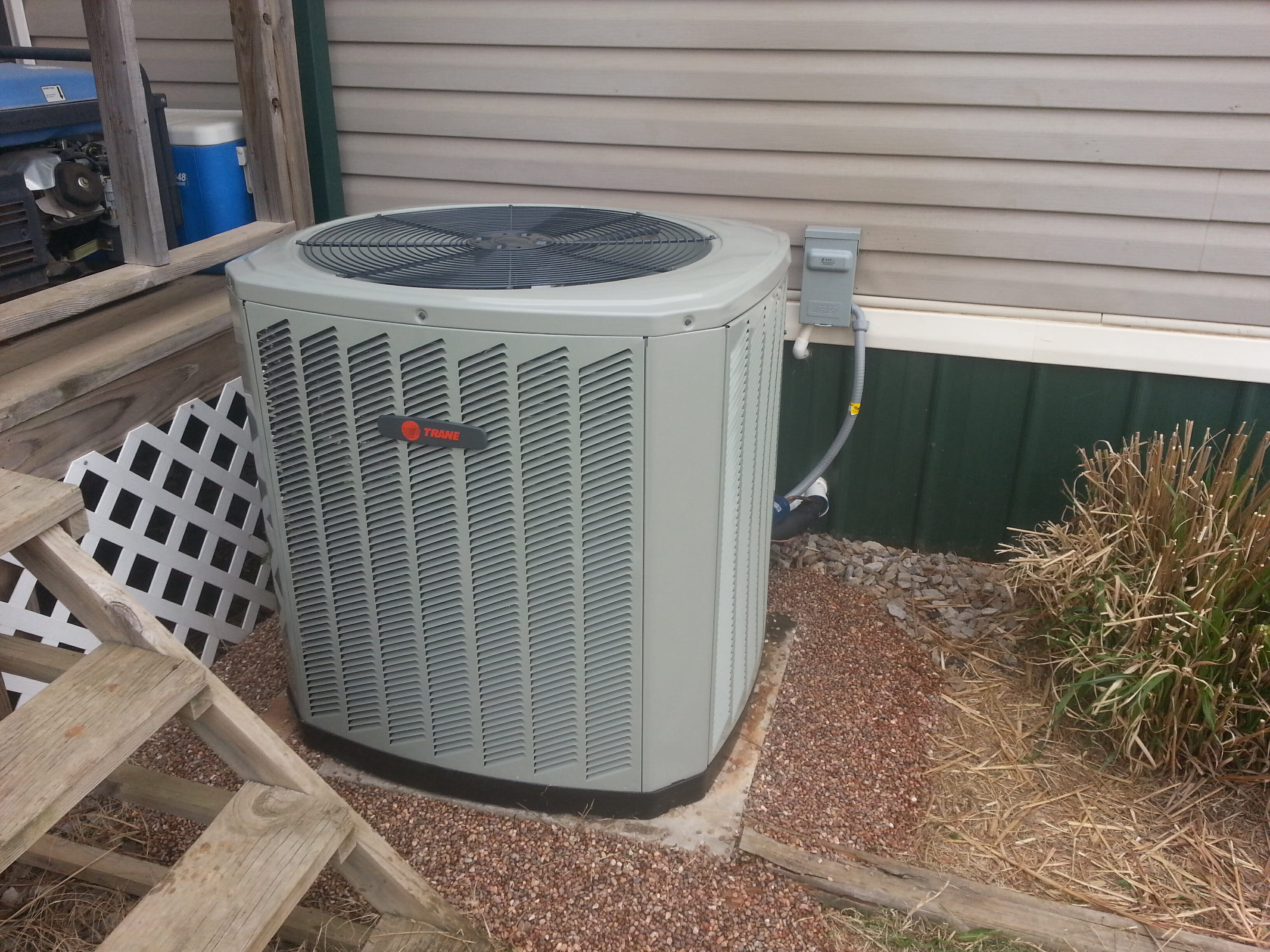
- Outdoor Unit Obstructions: Walk outside to your outdoor AC unit (condenser). Is it surrounded by bushes, debris, or other obstructions? Clear away any leaves, branches, or other materials that might be blocking airflow. The unit needs to breathe!
- Supply and Return Vents: Walk around your house and ensure all supply and return vents are open and unblocked. Furniture, rugs, or even closed doors can restrict airflow and impact overall cooling or heating.
Step 2: Deeper Dive – Simple DIY with Basic Tools
If the basic checks didn't solve the problem, these steps require some simple tools and a bit more investigation. Always turn off the power to the AC unit at the breaker before performing any of these checks.
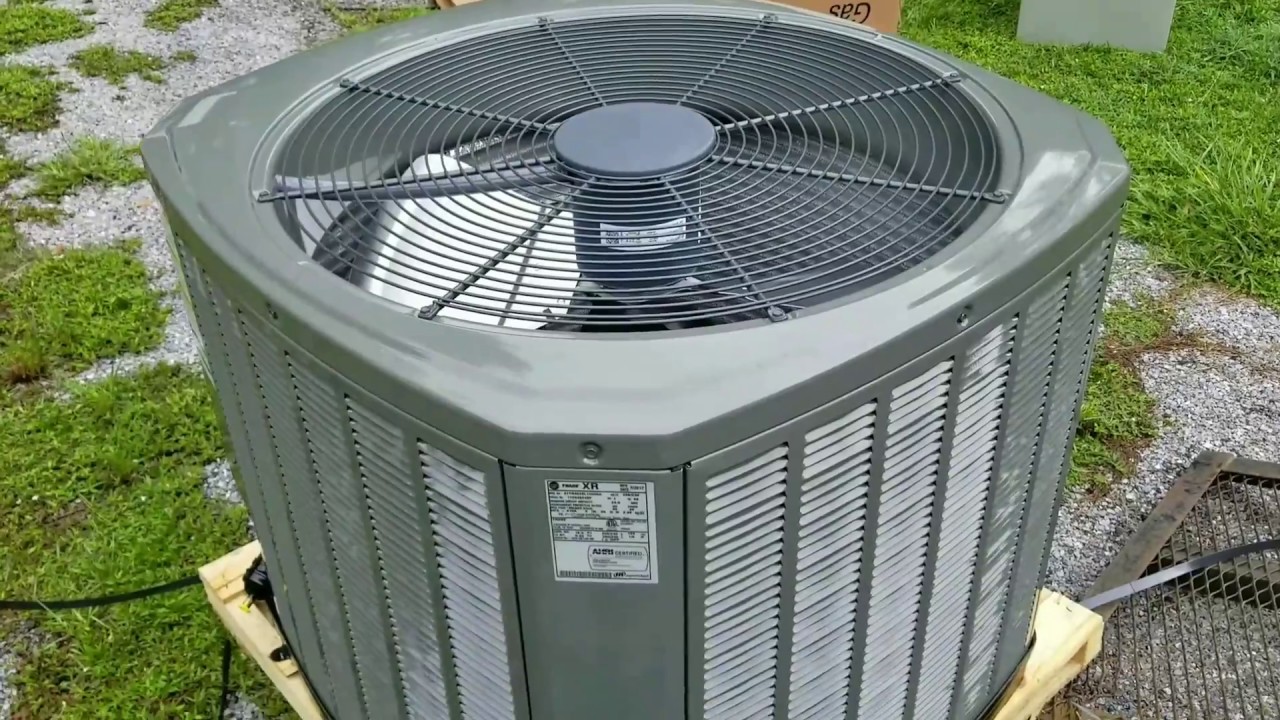
- Cleaning the Outdoor Unit: Using a garden hose (no high-pressure washers!), gently spray the fins of the outdoor condenser unit from the inside out to remove dirt, debris, and insects. Be careful not to bend the fins. A fin comb can be used to straighten bent fins, improving airflow.
- Checking the Condensate Drain Line: A clogged condensate drain line can cause water leaks and shut down the AC. Locate the drain line (usually a PVC pipe near the indoor unit). You can try to clear it with a wet/dry vacuum. If that doesn't work, use a stiff wire or pipe cleaner to dislodge any clogs. Be prepared for water to drain out!
- Inspect the Blower Motor (Indoor Unit): Access the blower motor (usually located behind a panel on the indoor unit). With the power OFF, check for visible signs of damage, such as burnt wires or a broken fan blade. Do not attempt to repair the motor yourself – this is a job for a professional.
- Testing the Capacitor (Advanced - Use Caution!): This step involves working with electricity and should only be attempted if you are comfortable and knowledgeable about electrical safety. A faulty capacitor is a common cause of AC problems. Capacitors store electrical energy and help start the compressor and fan motors. Visually inspect the capacitor for bulging, leaking, or other signs of damage. Use a multimeter to test the capacitor's capacitance. If the reading is significantly lower than the rated value, the capacitor likely needs to be replaced. Important: Capacitors can hold a charge even after the power is turned off. Discharge the capacitor with a screwdriver across the terminals (insulated handle!) before handling it. Consider having a professional handle this task if you're uncomfortable.
Step 3: When to Call the HVAC Professional
If you've gone through these troubleshooting steps and your Trane 4-ton AC unit is still not functioning correctly, it's time to call a qualified HVAC technician. Some problems are simply too complex or dangerous to handle yourself.
Here are some situations where professional help is essential:
- Refrigerant Leaks: Refrigerant is essential for cooling. If you suspect a leak (e.g., hissing sound, ice buildup on the coils, poor cooling performance), do not attempt to fix it yourself. Refrigerant handling requires specialized equipment and training. Leaking refrigerant is also an environmental hazard.
- Compressor Problems: The compressor is the heart of the AC system. If it's making unusual noises or not running at all, it likely needs professional attention. Compressor repairs or replacements are complex and expensive.
- Electrical Issues: If you're uncomfortable working with electricity, leave electrical repairs to the pros. Incorrect wiring can be dangerous and damage the AC unit.
- Frozen Evaporator Coil: A frozen evaporator coil (the indoor coil) can be caused by several factors, including low refrigerant, poor airflow, or a malfunctioning defrost system (in heat pumps). Diagnosing the root cause requires specialized knowledge.
- Persistent Tripping Breakers: If the circuit breaker for your AC unit continues to trip after you reset it, there's an underlying electrical problem that needs to be addressed by a qualified electrician.
- You're Unsure: If you're not confident in your ability to diagnose or repair the problem, it's always best to err on the side of caution and call a professional.
Understanding Trane 4-Ton AC Unit Prices (and When to Consider Replacement)
While this article focuses on troubleshooting, sometimes the problem is beyond repair, or the cost of repairs outweighs the benefits of a new unit. So, let's briefly discuss factors affecting Trane 4-ton AC unit prices.
- SEER Rating: SEER (Seasonal Energy Efficiency Ratio) measures the cooling efficiency of an AC unit. Higher SEER ratings mean lower energy bills. Trane offers units with varying SEER ratings, impacting the initial price.
- Type of Unit: Are you looking at a central AC unit, a heat pump, or a ductless mini-split system? Each type has a different price range.
- Features and Technology: Advanced features like variable-speed compressors, smart controls, and enhanced filtration systems can increase the price of a Trane AC unit.
- Installation Costs: Installation costs can vary depending on the complexity of the job, the location of the unit, and the contractor's rates. Get quotes from multiple contractors to compare prices.
- BTU Rating: Since you're looking at 4-ton units, the BTU rating is essentially fixed (48,000 BTU). However, ensure the 4-ton size is appropriate for your home's square footage and climate.
When to consider replacement:
- Old Age: If your AC unit is 10-15 years old or older, it may be nearing the end of its lifespan. A newer, more efficient unit could save you money on energy bills in the long run.
- Frequent Repairs: If you're constantly repairing your AC unit, the cumulative cost of repairs may eventually exceed the cost of a new unit.
- Inefficiency: If your energy bills are rising despite no changes in usage, your AC unit may be losing efficiency.
- R-22 Refrigerant: If your AC unit uses R-22 refrigerant (phased out), repairs can be very expensive due to the scarcity of R-22. Replacement is often the best option.
Getting Quotes and Comparing Prices:
- Get at least three quotes from reputable HVAC contractors in your area.
- Ask for a detailed breakdown of the costs, including the price of the unit, installation fees, and any additional charges.
- Check the contractor's licensing and insurance.
- Read online reviews and ask for references.
- Inquire about warranties and financing options.
Remember, investing in a new Trane 4-ton AC unit is a significant decision. Weigh the costs and benefits carefully to determine the best option for your home and budget.
A Final Word of Caution
Working with HVAC systems involves electricity, refrigerants, and mechanical components. Always prioritize safety! If you're unsure about any step, or if you encounter a problem you're not comfortable handling, don't hesitate to call a qualified HVAC technician. Your safety and the proper functioning of your AC unit are worth it.