Trane 5 Ton Air Conditioner Prices
One of the most frustrating experiences for homeowners is a malfunctioning air conditioner, especially when it comes to a larger unit like a 5-ton Trane. Beyond the discomfort, the uncertainty around potential repair costs and the possibility of needing a full replacement can be incredibly stressful. This article is designed to help you troubleshoot common issues affecting 5-ton Trane air conditioners, specifically focusing on what might be driving up those price concerns, and to guide you through some simple, safe DIY checks before calling in a professional. We will empower you to diagnose the problem to know what is wrong and whether you should repair it yourself.
Understanding the "Trane 5 Ton Air Conditioner Price" Problem
When homeowners search for "Trane 5 Ton Air Conditioner Price," they're usually driven by one of two scenarios:
- Existing Unit Malfunction: Your current Trane 5-ton AC isn't working correctly, and you're worried about repair costs or the possibility of needing a replacement.
- Considering a New Installation: You're looking to install a new air conditioning system and are researching the price range for a Trane 5-ton unit.
This article primarily addresses the first scenario, providing troubleshooting steps when your existing unit malfunctions. However, the diagnosis will also help provide you with information when getting a quote for a new system. This will let you determine if the price quote is accurate.
Common Issues & DIY Troubleshooting
Before panicking about expensive repairs or replacements, let's walk through some common problems and simple DIY checks you can perform.
1. No Cooling At All
This is the most alarming situation. Here's what to check:
- Thermostat Setting: Ensure your thermostat is set to "Cool" and the temperature is set lower than the current room temperature. This sounds obvious, but it's often overlooked. Also, check the batteries in your thermostat, if applicable. Low batteries can cause malfunctions.
- Circuit Breaker: Locate the circuit breaker for your air conditioner (usually a 2-pole breaker). Check if the breaker has tripped. If it has, flip it completely off and then back on. If it trips again immediately, do not keep resetting it. This indicates a more serious electrical problem requiring professional attention.
- Air Filter: A dirty air filter restricts airflow, causing the system to overheat and potentially shut down. Replace the air filter. This is a simple and inexpensive fix that can often resolve cooling problems. Check your filter monthly, and change it when it looks dirty.
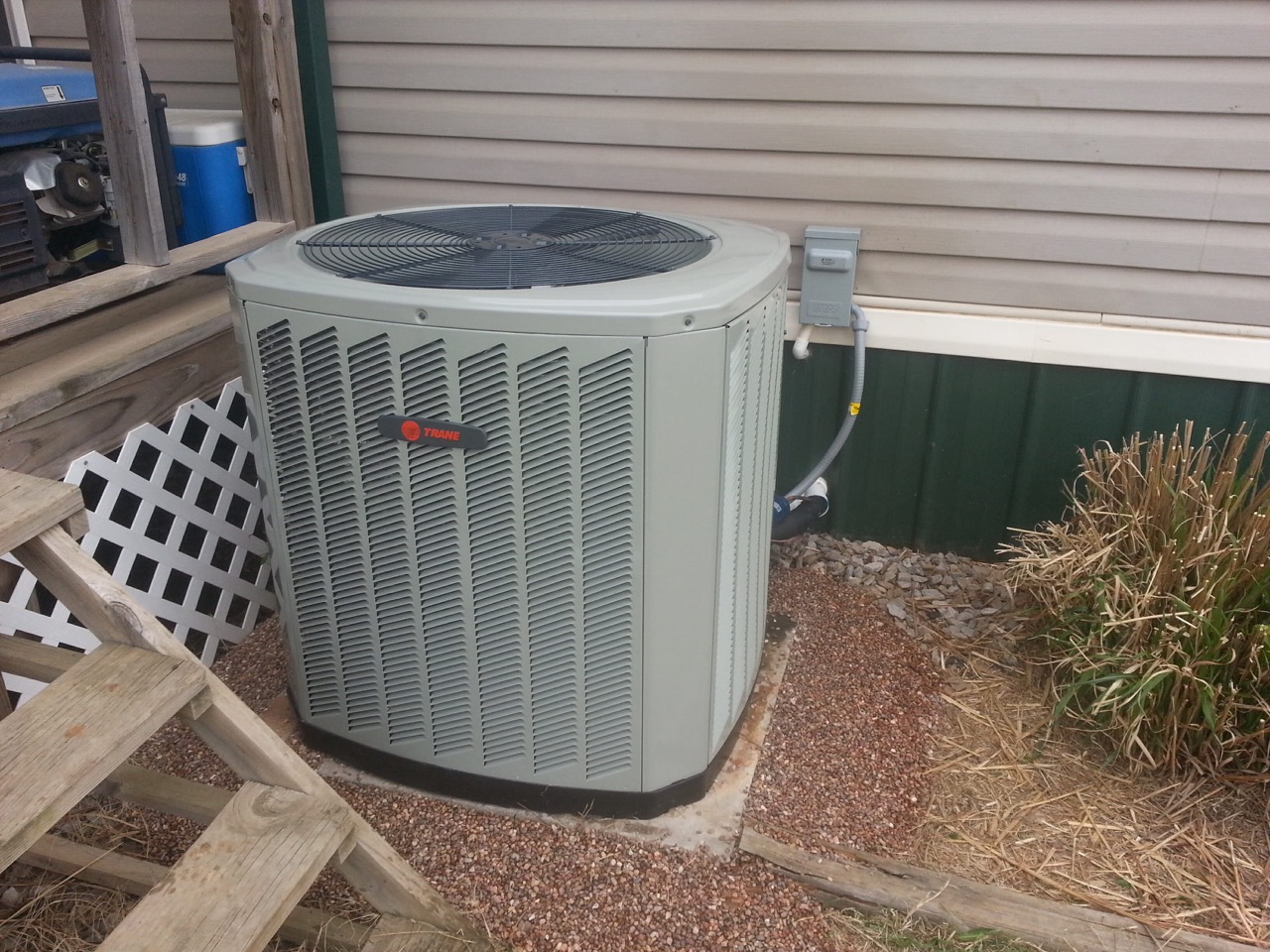
- Outdoor Unit (Condenser): Go outside to your condenser unit. Is the fan running? If not, there could be a problem with the fan motor, capacitor, or other components. Is the unit completely off? Check the disconnect switch (usually a pull-out handle) near the unit. Make sure it's in the "on" position.
When to Call a Professional: If the circuit breaker trips repeatedly, the outdoor unit fan isn't running after checking the disconnect switch, or you've replaced the air filter and the system still isn't cooling, it's time to call a qualified HVAC technician.
2. Weak or Insufficient Cooling
If your AC is running but not cooling effectively, consider these checks:
- Air Filter (Again!): It bears repeating – a dirty air filter severely impacts cooling performance. Even if you checked it recently, check it again!
- Registers and Vents: Ensure all registers and vents are open and unobstructed. Blocked vents restrict airflow and reduce cooling efficiency.
- Condenser Unit Obstructions: The outdoor unit needs adequate airflow to function properly. Clear away any debris, plants, or obstructions within a few feet of the unit. Pay particular attention to leaves, grass clippings, and anything that could block the fins.
- Condenser Coils: Over time, the condenser coils can become dirty, reducing their ability to dissipate heat. Visually inspect the coils. If they are covered in dirt and debris, you can try to clean them gently with a garden hose. Use a low-pressure nozzle and spray the coils from the inside out to avoid bending the fins. Be very careful not to damage the fins. There are also specialized coil cleaners available, but follow the instructions carefully.
- Refrigerant Leaks (Possible): While you can't definitively diagnose a refrigerant leak yourself, look for signs such as ice buildup on the copper lines connected to the outdoor unit or a hissing sound coming from the unit. If you suspect a refrigerant leak, DO NOT attempt to fix it yourself. Refrigerant is a hazardous substance, and handling it requires specialized equipment and training.
When to Call a Professional: If cleaning the coils doesn't improve cooling, you suspect a refrigerant leak, or the problem persists after checking the above items, it's time to call a professional. Refrigerant leaks require specialized tools and knowledge to repair, and low refrigerant levels can damage the compressor.
3. AC Unit Runs Constantly
An air conditioner that runs constantly can lead to high energy bills and indicate underlying issues.
- Thermostat Calibration: Check your thermostat's accuracy. Some thermostats can drift over time. You can compare the thermostat reading to a reliable thermometer. If there's a significant discrepancy, you may need to recalibrate or replace the thermostat.
- Air Leaks: Check for air leaks around windows, doors, and other openings. Seal any leaks with caulk or weather stripping to prevent conditioned air from escaping.
- Insulation: Ensure your home is properly insulated, especially in the attic. Inadequate insulation forces the AC to work harder to maintain the desired temperature.
- Dirty Air Filter (Yes, Again!): We mentioned this before because it's so important! A clogged filter can cause the AC to run longer as it struggles to circulate air.
When to Call a Professional: If the AC continues to run constantly after addressing these issues, it could indicate a problem with the compressor, ductwork, or other internal components. A professional HVAC technician can diagnose the root cause and recommend the appropriate solution.
4. Unusual Noises
Strange noises coming from your AC unit are often a sign of mechanical problems.
- Rattling: A rattling noise could be caused by loose screws, debris inside the unit, or a failing fan motor. Visually inspect the unit for any obvious loose parts or obstructions. Tighten any loose screws you find. If the noise persists, call a professional.
- Squealing: A squealing noise often indicates a problem with the fan belt or blower motor. These components may need lubrication or replacement. This should be inspected by a professional
- Banging: A banging noise is a serious concern and could indicate a problem with the compressor or other major components. Turn off the AC immediately and call a professional.
- Hissing: As mentioned earlier, a hissing noise could indicate a refrigerant leak. If you hear a hissing sound, turn off the AC and call a professional.
When to Call a Professional: Any unusual noise beyond a slight hum warrants a call to a qualified HVAC technician. Ignoring these noises can lead to more serious damage and costly repairs.
Understanding Potential Costs and "Trane 5 Ton Air Conditioner Price" Factors
After performing the above troubleshooting steps, you'll be in a better position to understand the potential costs associated with repairing or replacing your Trane 5-ton AC. Here are some factors that influence the price:
- Repair vs. Replacement: Minor repairs, such as replacing a capacitor or cleaning the coils, are relatively inexpensive. However, major repairs, such as replacing the compressor or evaporator coil, can be costly and may make replacement a more economical option.
- Refrigerant Type: The type of refrigerant used in your AC unit can impact repair costs. Older units may use R-22 refrigerant, which is being phased out and is becoming more expensive. Newer units use R-410A, which is more environmentally friendly but may still be costly to replenish if there is a leak.
- SEER Rating: When considering a new AC unit, the Seasonal Energy Efficiency Ratio (SEER) is an important factor. Higher SEER ratings indicate greater energy efficiency, but they also come with a higher upfront cost. However, the long-term energy savings can offset the initial investment.
- Installation Complexity: The complexity of the installation can also affect the price. If your home requires significant modifications to accommodate the new AC unit, the installation costs will be higher.
- Contractor Reputation and Experience: Choose a reputable and experienced HVAC contractor to ensure quality workmanship and reliable service. While it may be tempting to go with the cheapest option, a qualified contractor will provide a thorough assessment of your needs and recommend the best solution for your home.
Getting Estimates: Obtain multiple estimates from different HVAC contractors before making a decision. Make sure the estimates are detailed and include all costs, such as equipment, labor, and permits. Ask about warranties and guarantees to protect your investment.
Preventative Maintenance: Avoiding Future Problems
The best way to avoid costly repairs and replacements is to implement a preventative maintenance program. Here are some essential maintenance tasks:
- Regular Air Filter Replacement: As we've emphasized throughout this article, regularly replacing your air filter is crucial for maintaining optimal performance and preventing damage to your AC unit.
- Professional AC Tune-Ups: Schedule annual or bi-annual tune-ups with a qualified HVAC technician. During a tune-up, the technician will inspect the system, clean the coils, check the refrigerant levels, and lubricate moving parts.
- Coil Cleaning: Periodically clean the condenser coils to remove dirt and debris.
- Ductwork Inspection: Have your ductwork inspected for leaks and damage. Leaky ducts can reduce cooling efficiency and increase energy bills.
By following these troubleshooting steps and implementing a preventative maintenance program, you can extend the life of your Trane 5-ton AC unit, minimize repair costs, and ensure a comfortable home environment.