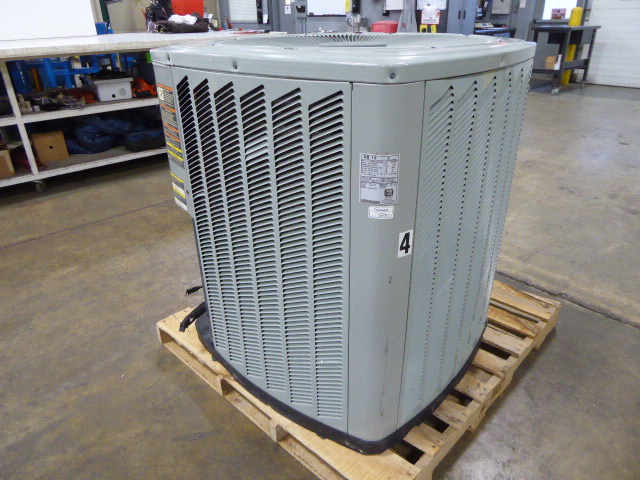
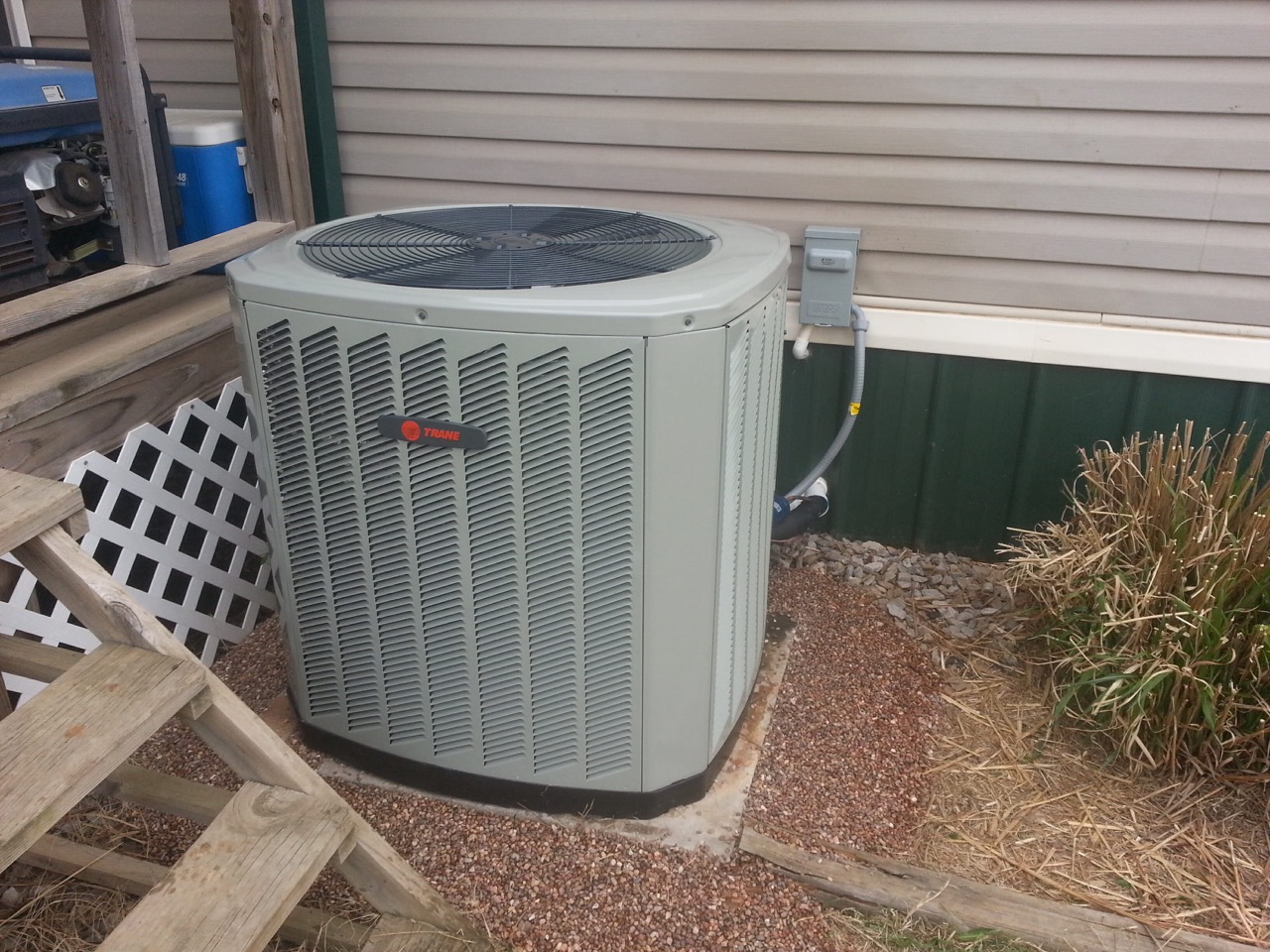
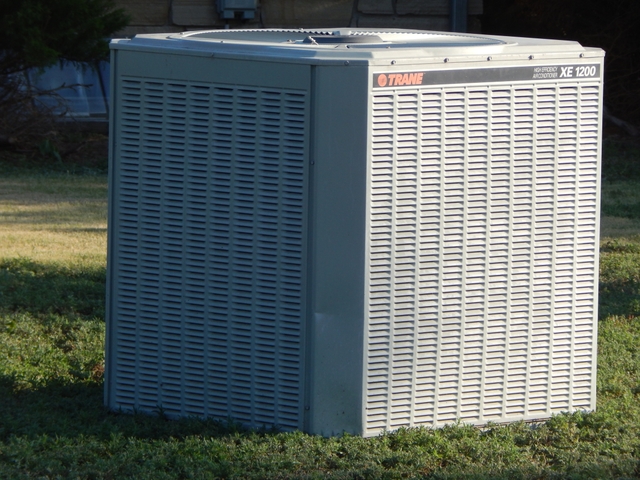
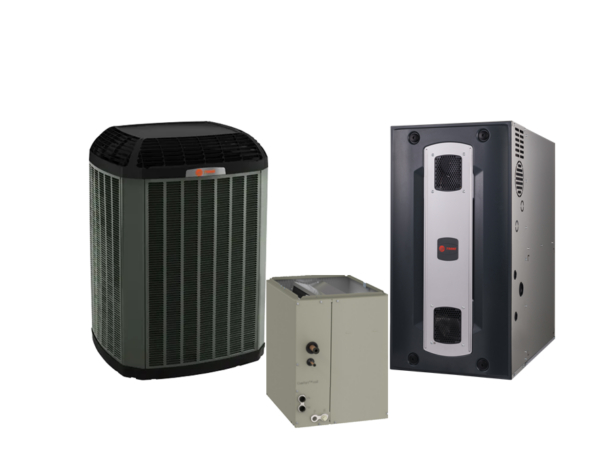
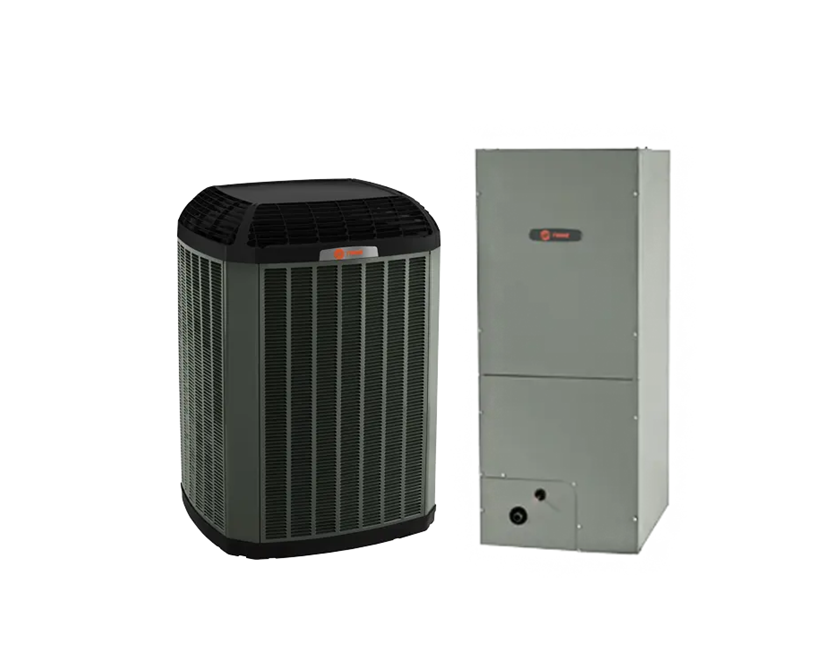
Trane 5 Ton Air Conditioning Unit
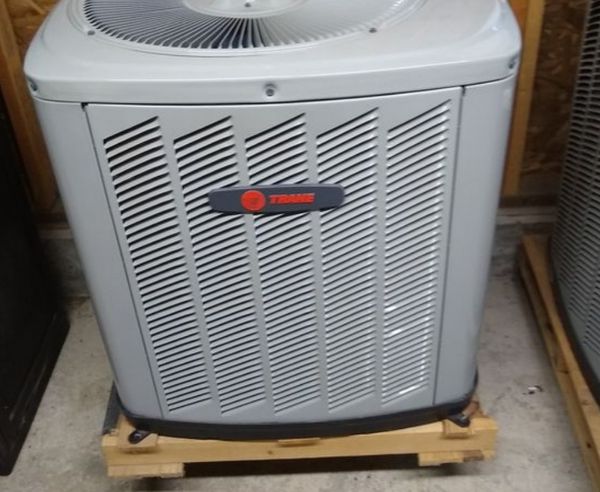
The HVAC industry is a dynamic field, constantly evolving with technological advancements and increasing demands for energy-efficient solutions. Understanding specific equipment, like the Trane 5 Ton Air Conditioning Unit, is crucial for success, whether you're a student, seasoned technician, or employer.
Understanding the Trane 5 Ton Air Conditioning Unit
A 5-ton air conditioning unit, by definition, has a cooling capacity of 60,000 BTUs (British Thermal Units) per hour. It's designed to cool larger residential spaces (typically 2000-2600 sq ft, but this varies based on climate, insulation, and other factors) or smaller commercial buildings. Trane, a leading manufacturer, offers a range of 5-ton units known for their efficiency, reliability, and innovative features.
Key Features and Technologies
Trane's 5-ton units often incorporate several advanced technologies:
- Variable-Speed Compressors: These compressors adjust their output to match the cooling demand, resulting in significant energy savings and more consistent temperatures.
- Communicating Systems: Trane's communicating systems, such as ComfortLink™ II, allow the air conditioner to communicate with other components in the HVAC system (furnace, thermostat), optimizing performance and efficiency.
- Durable Components: Trane emphasizes the use of high-quality materials and robust construction, contributing to the longevity and reliability of their units. Look for features like all-aluminum coils designed to resist corrosion.
- SEER Ratings: Seasonal Energy Efficiency Ratio (SEER) measures cooling efficiency. Trane offers 5-ton units with varying SEER ratings, with higher ratings indicating greater energy savings. Understanding SEER ratings is essential for recommending the right unit for a specific application and budget.
Technical Specifications to Consider
When working with a Trane 5-ton unit, it's crucial to understand the technical specifications. These include:
- Refrigerant Type: Older units may use R-22 (being phased out), while newer models use R-410A or, increasingly, more environmentally friendly refrigerants like R-32. Familiarity with refrigerant handling and regulations is paramount.
- Voltage Requirements: Typically 208/230V for residential applications, but can vary for commercial.
- Airflow Requirements: Ensuring proper airflow is critical for efficient operation and preventing issues like frozen coils.
- Electrical Load: Understanding the unit's electrical requirements is essential for proper installation and preventing electrical overloads.
Career Paths and Opportunities
Working with equipment like the Trane 5 Ton Air Conditioning Unit can open doors to various career paths within the HVAC industry:
- HVAC Technician: Install, maintain, and repair air conditioning and heating systems. This is the most common entry point.
- HVAC Installer: Focus on the installation of new HVAC systems. Requires knowledge of ductwork, electrical connections, and refrigerant handling.
- HVAC Service Technician: Specialize in troubleshooting and repairing existing HVAC systems. Requires strong diagnostic skills.
- HVAC Sales Engineer: Work with clients to design and recommend HVAC solutions. Requires a strong understanding of HVAC systems and sales skills.
- HVAC System Designer: Design HVAC systems for new construction or renovation projects. Requires knowledge of building codes, energy efficiency standards, and CAD software.
Salary Expectations and Job Outlook
The HVAC industry is experiencing strong growth due to factors like increasing construction, rising demand for energy-efficient systems, and the need to replace aging equipment. The U.S. Bureau of Labor Statistics projects a healthy job outlook for HVAC technicians in the coming years.
Salary ranges vary based on experience, location, and certifications. According to recent data, the median annual wage for HVAC mechanics and installers is around $51,470. Experienced technicians with specialized skills and certifications can earn significantly more, often exceeding $70,000 or even $80,000 per year. Supervisory or management roles command even higher salaries.
Essential Certifications and Training
Certifications are crucial for career advancement and demonstrating competence. Here are some key certifications for HVAC professionals:
- EPA Section 608 Certification: Required by law for anyone who handles refrigerants. There are different types of certifications (Type I, Type II, Type III, and Universal) depending on the type of equipment you work with.
- NATE (North American Technician Excellence) Certification: A widely recognized and respected certification that demonstrates a technician's knowledge and skills. NATE offers certifications in various specialties, such as air conditioning, heat pumps, and gas heating. Preparing for and obtaining NATE certification can significantly boost career prospects and earning potential.
- HVAC Excellence Certifications: Another respected certification organization that offers certifications in various HVAC disciplines.
- State and Local Licenses: Many states and municipalities require HVAC technicians to be licensed. Requirements vary by location.
In addition to certifications, ongoing training is essential to stay up-to-date with the latest technologies and best practices. Many manufacturers, including Trane, offer training programs on their equipment.
Real-World Career Examples
Here are a few examples of how a career path involving Trane 5-ton units might unfold:
- Entry-Level Technician: A graduate of an HVAC technical school starts as an entry-level technician, assisting experienced technicians with installations and maintenance. They focus on learning the fundamentals of HVAC systems, including refrigerant handling, electrical troubleshooting, and ductwork installation. They obtain their EPA 608 certification early in their career.
- Service Technician: After several years of experience, the technician becomes a service technician, specializing in diagnosing and repairing HVAC systems. They develop expertise in troubleshooting complex issues, using diagnostic tools, and reading schematics. They pursue NATE certification in air conditioning to enhance their credibility and skills.
- Lead Technician/Supervisor: With strong technical skills and leadership abilities, the service technician is promoted to lead technician or supervisor, overseeing a team of technicians and managing projects. They are responsible for ensuring quality workmanship and customer satisfaction.
- HVAC Business Owner: An experienced technician, driven by entrepreneurial ambition, decides to start their own HVAC business. They leverage their technical expertise, business acumen, and industry connections to build a successful company.
Employer Considerations
For employers in the HVAC industry, hiring skilled technicians with knowledge of equipment like the Trane 5 Ton Air Conditioning Unit is crucial for success. Here are some key considerations:
- Hiring Criteria: Prioritize candidates with relevant certifications (EPA 608, NATE), technical school training, and experience with specific equipment brands like Trane.
- Training and Development: Invest in ongoing training and development for your employees to keep them up-to-date with the latest technologies and best practices.
- Competitive Compensation and Benefits: Offer competitive salaries and benefits packages to attract and retain top talent.
- Safety Programs: Implement comprehensive safety programs to protect your employees from workplace hazards.
"Investing in skilled technicians is essential for providing high-quality service and ensuring customer satisfaction. Technicians who are knowledgeable about equipment like the Trane 5 Ton Air Conditioning Unit are a valuable asset to any HVAC company." - Industry Expert
Emerging Trends and Future Outlook
The HVAC industry is constantly evolving, driven by factors like technological advancements, changing regulations, and increasing demand for energy efficiency. Some emerging trends to watch include:
- Smart HVAC Systems: The integration of smart technologies, such as smart thermostats and remote monitoring systems, is becoming increasingly common. Technicians need to be proficient in installing, configuring, and troubleshooting these systems.
- Sustainable HVAC Solutions: There is a growing emphasis on sustainable HVAC solutions, such as geothermal heat pumps and solar-powered air conditioning. Technicians need to be knowledgeable about these technologies and their applications.
- Refrigerant Transition: The phase-out of older refrigerants like R-22 and R-410A is driving the adoption of new, more environmentally friendly refrigerants. Technicians need to be trained in the proper handling and disposal of these refrigerants.
In conclusion, a deep understanding of equipment like the Trane 5 Ton Air Conditioning Unit, combined with relevant certifications, ongoing training, and a commitment to staying up-to-date with emerging trends, is essential for success in the dynamic and rewarding HVAC industry. Whether you are starting your career, looking to advance your skills, or managing an HVAC business, investing in knowledge and expertise will pay dividends in the long run.