Trane Air Conditioning Units For Sale
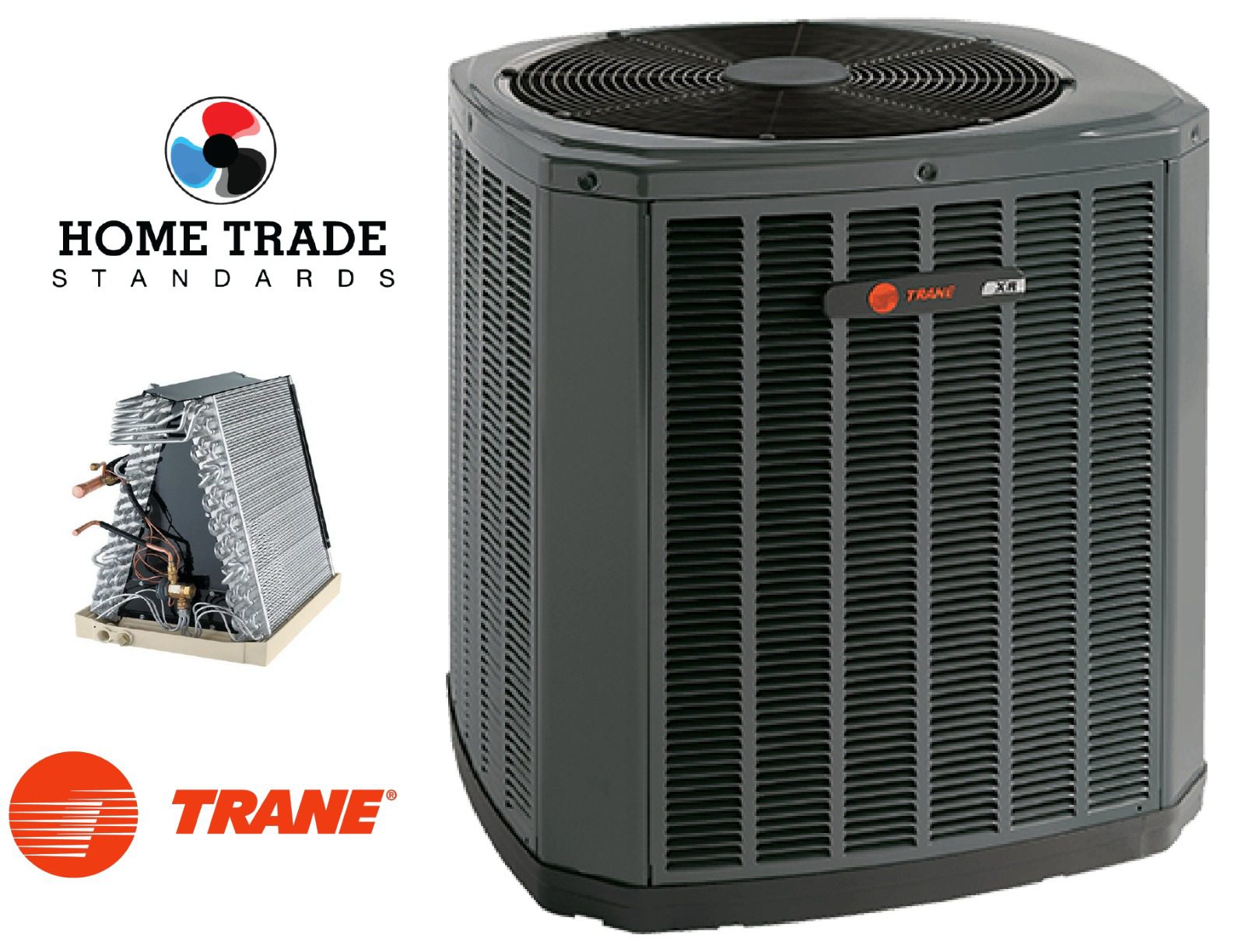
Choosing a new air conditioning system for your home is a significant investment. It affects your comfort, energy bills, and even the air quality inside your living space. Trane, a well-respected brand in the HVAC industry, offers a wide range of air conditioning units. This guide provides a comprehensive overview of Trane AC units for sale, helping you make an informed decision.
Understanding Your Cooling Needs
Before diving into specific Trane models, it's crucial to assess your individual cooling requirements. Several factors influence the size and type of AC unit you need:
- Home Size: The square footage of your home is the primary factor. Larger homes require more powerful AC units.
- Climate: Homes in hotter climates need more robust cooling systems than those in milder areas.
- Insulation: Poor insulation allows heat to easily enter your home, requiring a more powerful AC to compensate.
- Window Type: Energy-efficient windows help to reduce heat gain, potentially allowing you to choose a smaller AC unit.
- Sun Exposure: Homes with significant sun exposure will generally require a more powerful cooling system.
- Personal Preferences: Some people prefer cooler temperatures than others.
It's always recommended to consult with a qualified HVAC technician to perform a load calculation, which accurately determines the appropriate size AC unit for your home. This calculation considers all the above factors and ensures efficient and effective cooling.
Trane AC Unit Types: A Breakdown
Trane offers various types of air conditioning units to cater to different needs and budgets. Here's a look at the most common types:
Central Air Conditioners
Central air conditioners are the most common type of AC system for homes. They consist of two main components: an outdoor unit (condenser) and an indoor unit (evaporator coil). The outdoor unit releases heat from your home, while the indoor unit circulates cool air through ductwork.
How They Work: Think of refrigerant as the "blood" of your AC system, carrying heat from inside to outside. The refrigerant absorbs heat from the air inside your home as it passes through the evaporator coil. It's then pumped to the outdoor unit, where the heat is released, and the refrigerant is cooled before returning to the indoor unit. This cycle repeats continuously to maintain the desired temperature.
Pros:
- Efficiently cools entire homes.
- Relatively quiet operation.
- Can be integrated with existing ductwork.
Cons:
- Requires ductwork, which may not be present in all homes.
- Can be more expensive to install than window units.
Ductless Mini-Split Systems
Ductless mini-split systems are an excellent option for homes without existing ductwork or for cooling individual rooms or zones. They consist of an outdoor unit connected to one or more indoor units mounted on walls or ceilings.
How They Work: Similar to central ACs, mini-splits use refrigerant to transfer heat. However, instead of using ducts, they directly cool the air in the room where the indoor unit is located. Each indoor unit can be controlled independently, allowing for zoned cooling.
Pros:
- Easy to install, even in homes without ductwork.
- Energy-efficient, with some models offering high SEER ratings.
- Zoned cooling allows for customized comfort.
Cons:
- Can be more expensive than window units.
- Indoor units are visible in the room.
Heat Pumps
While technically not just air conditioners, heat pumps are often sold as air conditioning units because they provide both heating and cooling. They function by transferring heat from one place to another.
How They Work: In the summer, a heat pump extracts heat from inside your home and releases it outside, acting as an air conditioner. In the winter, it reverses the process, extracting heat from the outside air (even in cold temperatures) and transferring it inside.
Pros:
- Provide both heating and cooling.
- Energy-efficient, especially in moderate climates.
Cons:
- May not be as effective in extremely cold climates.
- Can be more expensive to install than traditional AC units.
Key Features and Technologies in Trane AC Units
Trane incorporates several innovative features and technologies into their AC units to enhance performance, efficiency, and durability. Here are some notable examples:
- SEER (Seasonal Energy Efficiency Ratio): SEER measures the cooling efficiency of an AC unit. The higher the SEER rating, the more efficient the unit, and the lower your energy bills will be. Trane offers models with SEER ratings ranging from 14 to over 20.
- Inverter Technology: Inverter compressors adjust their speed based on the cooling demand. This allows for more consistent temperatures and improved energy efficiency compared to traditional single-speed compressors.
- Climatuff™ Compressor: Trane's Climatuff™ compressor is known for its durability and reliability. It's designed to withstand harsh conditions and provide long-lasting performance.
- Spine Fin™ Coil: Trane's Spine Fin™ coil is designed to improve heat transfer and airflow, resulting in more efficient cooling.
- ComfortLink™ II Communicating Technology: This technology allows Trane AC units to communicate with other components of your HVAC system, such as thermostats and furnaces, for optimized performance and energy savings.
- Quiet Operation: Trane AC units are designed to operate quietly, minimizing noise disruption in your home.
Choosing the Right Trane AC Unit: Factors to Consider
Selecting the right Trane AC unit involves carefully considering several factors:
- Budget: Trane offers a range of models at different price points. Determine your budget and choose a unit that fits within your financial constraints.
- SEER Rating: Consider the SEER rating of the unit. While higher SEER ratings come with a higher upfront cost, they can save you money on energy bills in the long run. Calculate the payback period to determine if the investment is worthwhile for your situation.
- Size: Ensure that the AC unit is properly sized for your home. An undersized unit will struggle to cool your home effectively, while an oversized unit can lead to short cycling and reduced efficiency. Always rely on a professional load calculation.
- Features: Consider the features that are important to you, such as inverter technology, quiet operation, and smart home integration.
- Warranty: Trane offers warranties on their AC units. Review the warranty terms and conditions to understand the coverage provided.
Where to Buy Trane AC Units
Trane AC units are typically sold through authorized dealers and contractors. Here are some common avenues for purchasing:
- Authorized Trane Dealers: These dealers are authorized to sell and install Trane AC units. They often have trained technicians who can provide expert advice and installation services.
- HVAC Contractors: Many HVAC contractors sell and install Trane AC units, even if they are not specifically authorized dealers.
- Online Retailers: While some online retailers may offer Trane AC units, it's generally recommended to purchase through an authorized dealer or contractor to ensure proper installation and warranty coverage.
Installation and Maintenance
Proper installation and maintenance are crucial for the performance and longevity of your Trane AC unit.
Installation: Always have your AC unit installed by a qualified HVAC technician. Improper installation can void the warranty and lead to performance issues.
Maintenance: Regular maintenance can help to keep your AC unit running efficiently and prevent costly repairs. Schedule annual maintenance with a qualified technician to inspect and clean the unit. Common maintenance tasks include:
- Cleaning or replacing air filters.
- Cleaning the condenser coils.
- Checking refrigerant levels.
- Inspecting electrical connections.
- Lubricating moving parts.
Cost Considerations
The cost of a Trane AC unit can vary depending on the type, size, SEER rating, and features. Here's a general overview of the cost factors:
- Unit Cost: The cost of the AC unit itself is the primary expense. More efficient models with advanced features will typically cost more.
- Installation Cost: Installation costs can vary depending on the complexity of the job and the labor rates in your area.
- Operating Costs: Operating costs include the energy used to run the AC unit. Higher SEER ratings translate to lower operating costs.
- Maintenance Costs: Budget for annual maintenance to keep your AC unit running efficiently.
- Repair Costs: While Trane AC units are generally reliable, repairs may be necessary over time. Factor in potential repair costs when making your decision.
Financing Options
Many dealers and contractors offer financing options to help you afford a new Trane AC unit. These options may include:
- Installment Loans: These loans allow you to pay for the AC unit over a set period of time with fixed monthly payments.
- Special Financing Offers: Some manufacturers and dealers offer special financing promotions, such as 0% interest for a limited time.
- Home Equity Loans: You can use a home equity loan or line of credit to finance the purchase of a new AC unit.
Compare different financing options carefully to find the best deal for your situation.
Conclusion
Choosing a Trane AC unit is an investment in your home's comfort and energy efficiency. By understanding your cooling needs, exploring the different types of Trane AC units, and considering the key features and technologies, you can make an informed decision that will provide years of reliable and efficient cooling. Remember to consult with a qualified HVAC technician to determine the appropriate size and type of AC unit for your home and to ensure proper installation.