Trane Air Handler Model Numbers

Understanding your HVAC system can feel like deciphering a secret code, especially when it comes to model numbers. But decoding the Trane air handler model number is the first step towards optimizing your home or business's energy efficiency and potentially saving a significant amount on your utility bills. This guide will demystify the Trane air handler naming convention, explore the benefits of energy-efficient models, and show you how to integrate smart technology for maximum savings.
Decoding Trane Air Handler Model Numbers: A Comprehensive Guide
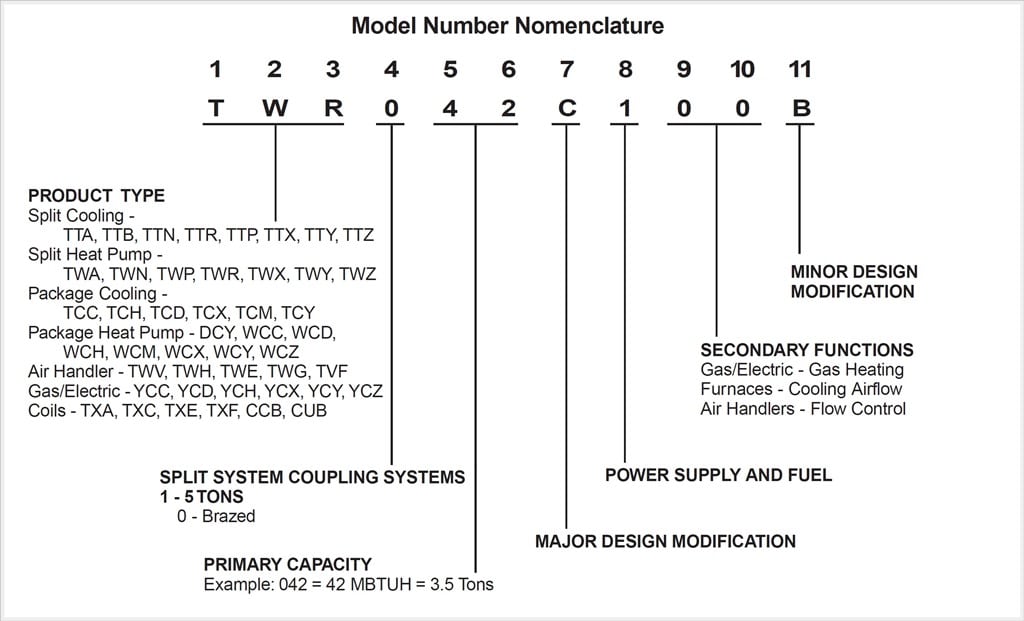
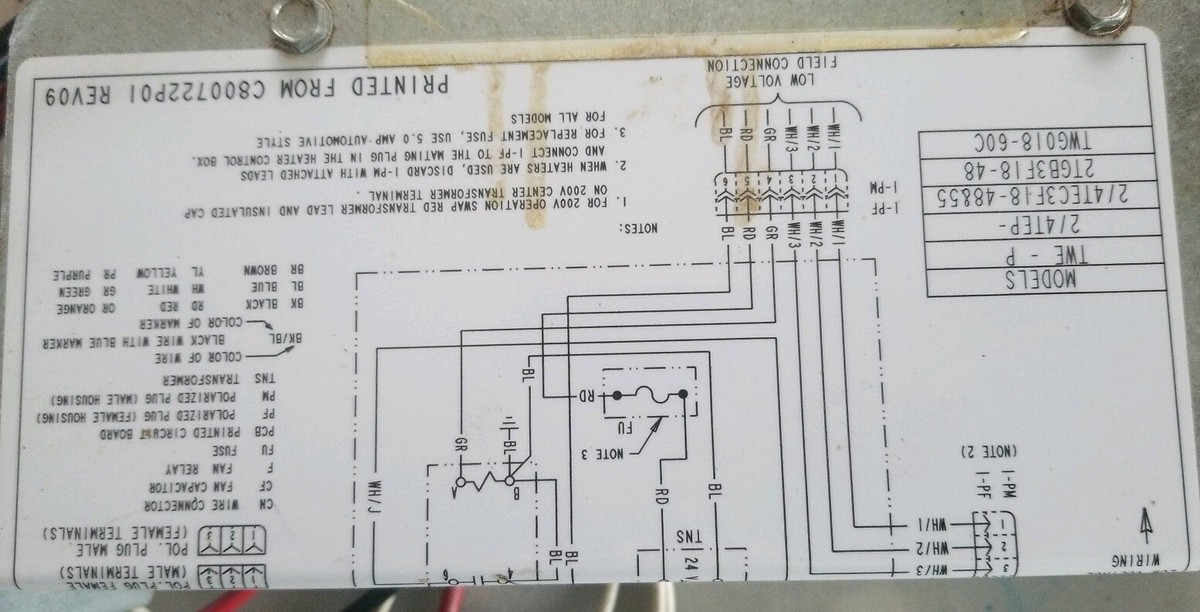
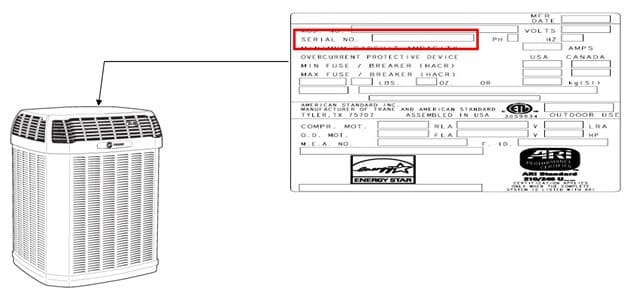
Trane uses a specific alphanumeric system to identify their air handlers. While the exact structure may vary slightly depending on the series and year of manufacture, the core elements generally remain consistent. Let's break down a typical Trane air handler model number, like TAM9A0A36S31SAA, piece by piece:
- TAM: This typically indicates the type of unit. In this case, "TAM" stands for Trane Air Handler, Multi-Position. Other common prefixes include "TWE" (Trane Water-Source Heat Pump) or "AUD" (Air Handler, Upflow/Downflow).
- 9: This digit usually represents the efficiency rating. A higher number generally signifies greater efficiency. Trane often uses numbers ranging from 4 to 9, with 9 representing some of their most efficient models. This is a general indicator and not a direct SEER or HSPF rating, but it's a good starting point.
- A0: These characters often indicate the generation or series of the air handler. Manufacturers frequently update their products, and these letters differentiate the newer versions from the old.
- A36: This section often refers to the nominal cooling capacity in thousands of BTU per hour (BTUh). In this example, "36" represents 36,000 BTUh, which is equivalent to 3 tons of cooling capacity.
- S31: These digits typically indicate the voltage and electrical characteristics of the unit. You'll need to consult the Trane product documentation or a qualified HVAC technician to fully understand these specifications. They’re crucial for proper installation and electrical compatibility.
- SAA: These final letters usually denote specific design features or regional variations. For instance, it could indicate the type of coil, the direction of airflow, or compliance with regional energy standards. Again, refer to the product specifications for detailed information.
Key Takeaway: While deciphering the model number provides valuable insights, always consult the official Trane product documentation or a certified HVAC professional for complete and accurate information about your specific air handler model.
The Importance of Energy Efficiency in Air Handlers
An air handler's primary function is to circulate conditioned air throughout your home or business. A more efficient air handler uses less energy to perform this task, translating to lower energy bills and a reduced carbon footprint. The efficiency of an air handler is often tied to the type of motor it uses:
Variable-Speed Motors: The Efficiency Champions
Traditional air handlers use single-speed or multi-speed motors, which operate at a fixed speed regardless of the heating or cooling demand. Variable-speed motors, on the other hand, can adjust their speed based on the actual needs of the system. This offers several key advantages:
- Improved Energy Efficiency: Variable-speed motors consume significantly less electricity because they don't always run at full capacity. They can operate at lower speeds for longer periods, providing consistent comfort while minimizing energy waste. According to Energy Star, replacing an old, inefficient air handler with a variable-speed model can reduce HVAC energy consumption by up to 30%.
- Enhanced Comfort: By maintaining a consistent temperature and humidity level, variable-speed air handlers provide superior comfort compared to single-speed models. They eliminate the temperature swings often associated with traditional systems.
- Quieter Operation: Variable-speed motors operate much more quietly at lower speeds, creating a more peaceful indoor environment.
- Better Air Filtration: With longer run times at lower speeds, variable-speed air handlers continuously circulate and filter the air, removing more dust, allergens, and pollutants.
Energy Star Certification: A Mark of Excellence
Look for the Energy Star label when choosing a new air handler. Energy Star certified models meet strict energy efficiency guidelines set by the U.S. Environmental Protection Agency (EPA). These models typically feature variable-speed motors and other energy-saving technologies, ensuring optimal performance and reduced energy consumption. Choosing an Energy Star certified Trane air handler can qualify you for rebates and tax credits, further enhancing your ROI.
Integrating Smart Technology for Optimal Energy Savings
Modern HVAC systems can be seamlessly integrated with smart home technology to further optimize energy efficiency and enhance comfort. Here's how:
Smart Thermostats: Intelligent Temperature Control
Smart thermostats learn your heating and cooling preferences and automatically adjust the temperature based on your schedule and occupancy patterns. They can also be controlled remotely via a smartphone app, allowing you to adjust the temperature even when you're away from home. Many smart thermostats also provide energy usage reports, giving you valuable insights into your energy consumption habits. Some popular smart thermostat brands that integrate well with Trane systems include Nest, Ecobee, and Honeywell.
Smart Sensors: Zone Control for Personalized Comfort
Smart sensors can be placed in different rooms or zones within your home to monitor temperature and occupancy. This data is then used to adjust the airflow to each zone, ensuring that you're only heating or cooling the areas that need it. This zone control system can significantly reduce energy waste and improve overall comfort.
Remote Monitoring and Control: Stay in Control From Anywhere
Many Trane air handlers can be connected to a home automation system, allowing you to monitor and control your HVAC system remotely via a smartphone app or web portal. This allows you to adjust the temperature, set schedules, and receive alerts if there are any issues with your system.
ROI and Potential Energy Savings
While the initial investment in a high-efficiency Trane air handler and smart home integration may seem significant, the long-term savings can be substantial. Here's a look at the potential ROI:
- Reduced Energy Bills: Upgrading to a variable-speed air handler and integrating smart technology can reduce your HVAC energy consumption by 20-40%, depending on your climate, usage patterns, and the efficiency of your existing system.
- Increased Home Value: A modern, energy-efficient HVAC system can increase the value of your home, making it more attractive to potential buyers.
- Rebates and Tax Credits: Many utility companies and government agencies offer rebates and tax credits for installing energy-efficient HVAC equipment. Check with your local utility company and the Energy Star website to see what incentives are available in your area. The Inflation Reduction Act of 2022 includes substantial tax credits for energy-efficient home improvements, including HVAC upgrades.
- Reduced Maintenance Costs: While not always the case, newer, more efficient systems *can* sometimes require less maintenance than older, less efficient models. However, regular maintenance is still critical for optimal performance and longevity.
Example Scenario: Let's say you currently spend $1,500 per year on heating and cooling costs. Upgrading to a high-efficiency Trane air handler with variable-speed motor and integrating a smart thermostat could potentially reduce your energy consumption by 30%, saving you $450 per year. Over the lifespan of the air handler (15-20 years), this could translate to savings of $6,750 - $9,000, not including potential rebates or tax credits.
Choosing the Right Trane Air Handler for Your Needs
Selecting the right Trane air handler for your specific needs requires careful consideration. Here are some factors to keep in mind:
- Climate: The climate you live in will significantly impact the size and type of air handler you need. In hotter climates, you'll need a more powerful air handler with a higher cooling capacity.
- Home Size: The size of your home will also determine the appropriate cooling and heating capacity of your air handler. A professional HVAC contractor can perform a load calculation to determine the optimal size for your home.
- Existing Ductwork: The condition and size of your existing ductwork will also affect the performance of your new air handler. It's essential to ensure that your ductwork is properly sealed and insulated to minimize energy loss. A duct leakage test can identify areas where air is escaping.
- Budget: Set a budget for your HVAC upgrade and research different models within your price range. Remember to factor in the potential long-term savings from energy efficiency when making your decision.
- Professional Installation: Proper installation is crucial for ensuring the optimal performance and longevity of your new air handler. Always hire a licensed and experienced HVAC contractor to install your system.
Working with a Qualified HVAC Contractor
Partnering with a qualified HVAC contractor is essential for a successful HVAC upgrade. Look for a contractor who is licensed, insured, and has experience installing Trane air handlers. Ask for references and read online reviews to get a sense of their reputation and customer service. A good contractor will be able to assess your needs, recommend the right equipment, and install it properly.
"Investing in an energy-efficient HVAC system is not just about saving money on your energy bills; it's also about creating a more comfortable and sustainable living environment," says John Smith, a certified HVAC technician with 20 years of experience.
Conclusion
Understanding Trane air handler model numbers is a critical first step towards achieving greater energy efficiency and lower energy costs. By choosing a high-efficiency model with a variable-speed motor, integrating smart technology, and working with a qualified HVAC contractor, you can create a comfortable, sustainable, and cost-effective home or business environment. Take the time to research your options, compare different models, and consider the long-term ROI before making a decision. Your wallet and the environment will thank you.