Trane Capacitor Replacement

Frequently Asked Questions About Trane Capacitor Replacement
Your Trane HVAC system relies on many components working in harmony. The capacitor, though relatively small, plays a crucial role in starting and running the motors for both your air conditioner and furnace. When a capacitor fails, your system can experience reduced efficiency, or even complete failure. This FAQ aims to address common questions about Trane capacitor replacement, helping you understand the process and make informed decisions.
1. What is a capacitor and what does it do in my Trane HVAC system?
A capacitor is essentially a small, temporary battery within your Trane air conditioner or furnace. Its primary function is to provide a jolt of energy to start the motors that power the compressor (in the AC) and the fan (in both the AC and furnace). Think of it as giving the motor a "kickstart" to get it going. It also helps the motors run more efficiently and smoothly.
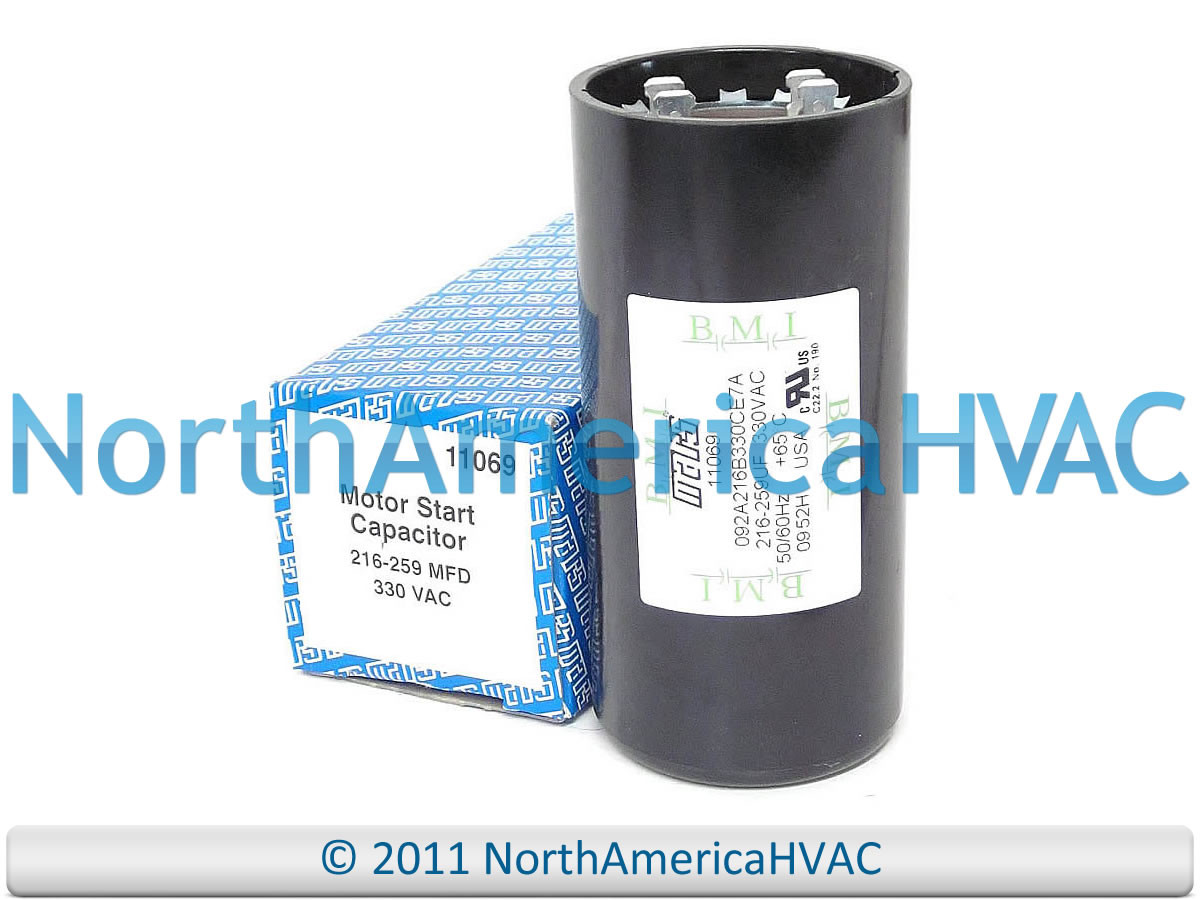
There are usually two types of capacitors: Start capacitors, which provide that initial jolt, and Run capacitors, which help the motor operate continuously.
2. How do I know if my Trane capacitor is bad? What are the symptoms?
Several signs can indicate a failing or failed capacitor in your Trane system. Here are some of the most common:
- Humming Noise: A common symptom is a humming sound coming from your outdoor AC unit, especially when it tries to start. This indicates the motor isn't getting enough power to kick on.
- Hard Starting: The unit struggles to start, takes longer than usual, or repeatedly tries and fails.
- Unit Doesn't Start At All: This is the most obvious sign – your air conditioner or furnace simply won't turn on.
- Increased Energy Bills: A failing capacitor can cause the motor to work harder, leading to increased energy consumption.
- Overheating: The motor may overheat as it struggles to run with a weak capacitor.
- Visible Damage: Sometimes, you might see physical signs of a bad capacitor, such as bulging, leaking, or cracking on the capacitor itself. Do not attempt to touch a capacitor that shows signs of damage as it can hold a dangerous electrical charge.
- Clicking Sounds: Repeated clicking noises could indicate the capacitor is trying to start the motor but failing.
If you notice any of these symptoms, it's crucial to have a qualified HVAC technician inspect your system. Delaying repair can lead to further damage to other components, such as the compressor, resulting in more costly repairs.
3. Can I replace a Trane capacitor myself? Is it a DIY project?
While it might seem like a simple task, replacing a Trane capacitor is not recommended as a DIY project for most homeowners. Here's why:
- Electrical Hazards: Capacitors store a significant electrical charge, even when the unit is turned off. Touching a charged capacitor can result in a severe and potentially fatal electric shock.
- System Damage: Incorrect installation or using the wrong capacitor can damage your HVAC system's motor or other components, leading to expensive repairs.
- Warranty Voidance: Attempting DIY repairs might void the warranty on your Trane system.
- Refrigerant Handling (For AC Capacitors): Although the capacitor itself doesn't handle refrigerant, accessing it might require disconnecting other components that do, potentially leading to refrigerant leaks, which are illegal and harmful to the environment to handle without certification.
- Proper Diagnosis: It's essential to correctly diagnose the problem before replacing the capacitor. Other issues, such as a faulty motor or wiring, can mimic capacitor failure.
It's always best to hire a qualified and licensed HVAC technician to replace your Trane capacitor. They have the knowledge, experience, and tools to safely and correctly perform the replacement.
4. How much does it cost to replace a Trane capacitor? What factors influence the price?
The cost of replacing a Trane capacitor can vary depending on several factors:
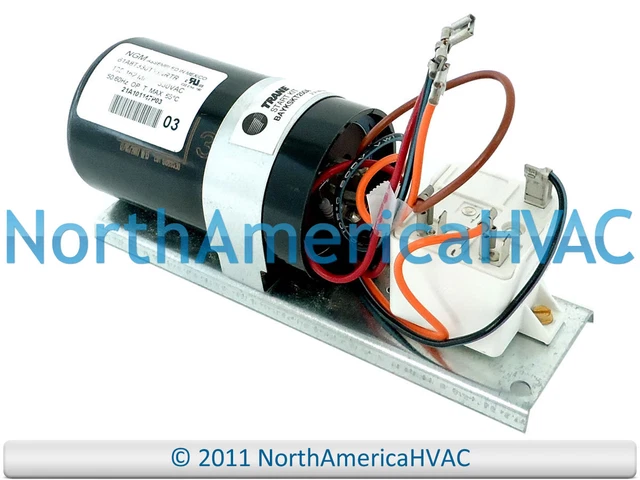
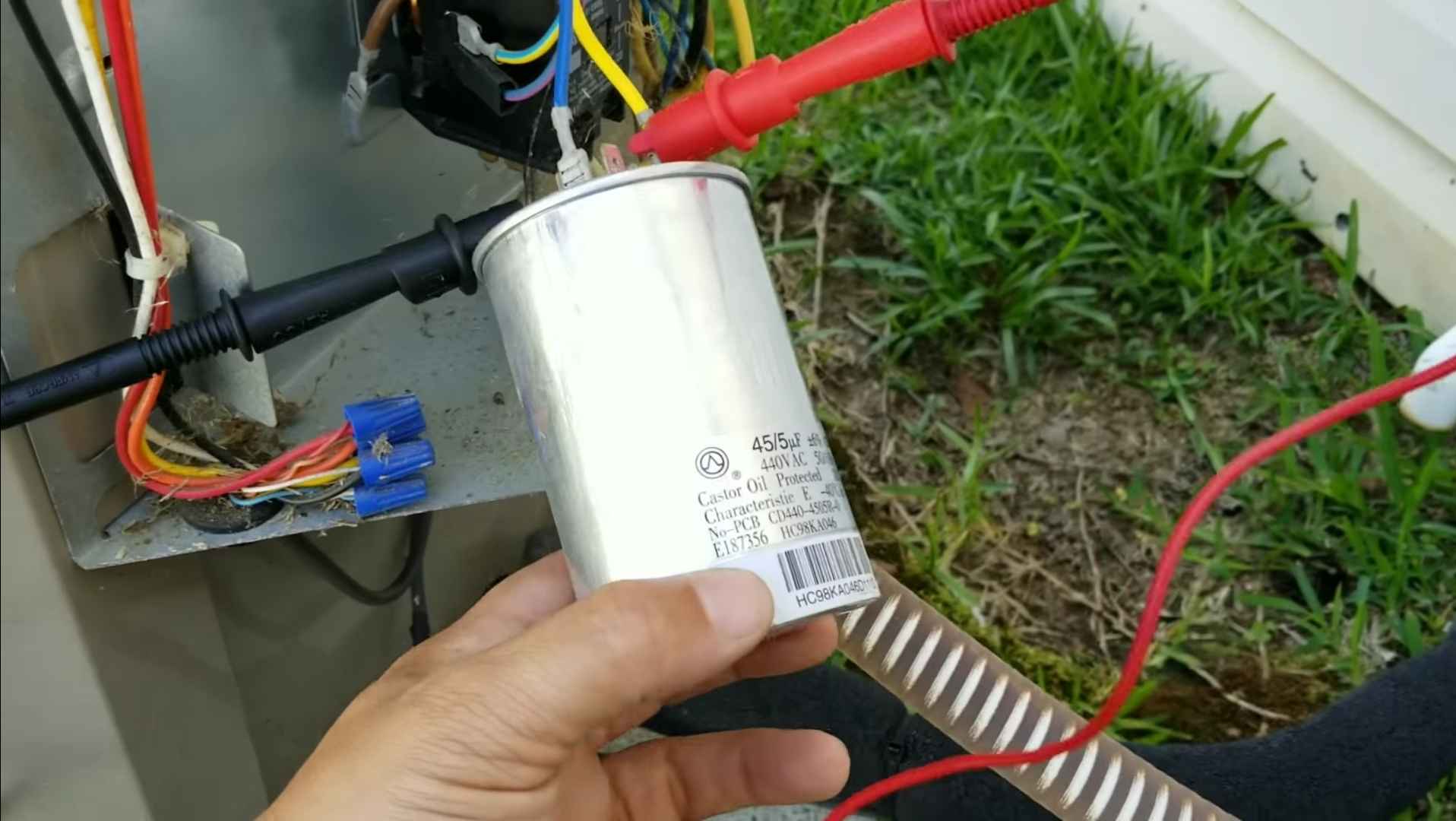
- Type of Capacitor: Start capacitors tend to be less expensive than run capacitors. Dual-run capacitors (which power both the fan and compressor motor in some AC units) are generally the most expensive.
- Capacitance (Microfarads - µF) and Voltage: Capacitors come in different sizes, measured in microfarads (µF) and voltage. Higher capacitance and voltage ratings usually mean a higher price. Your replacement capacitor must match the original specifications exactly.
- Labor Costs: HVAC technician labor rates vary by location and the complexity of the job. Some units are more difficult to access, increasing labor time.
- Service Call Fee: Many HVAC companies charge a service call fee to diagnose the problem. This fee may or may not be included in the final repair cost.
- Location: Prices can fluctuate depending on your geographical location due to differing labor costs and material availability.
- HVAC Company: Different companies have different pricing structures. It's always wise to get quotes from multiple companies.
- Emergency Service: If you need the capacitor replaced after hours or on a weekend, you can expect to pay a premium for emergency service.
On average, you can expect to pay anywhere from $150 to $400 to replace a Trane capacitor. This includes the cost of the capacitor itself and the labor charges. To get an accurate estimate, contact several local HVAC companies for quotes.
Always ask for a detailed quote that includes all costs, including parts, labor, and any service fees.
5. How long does a Trane capacitor last? How can I extend its lifespan?
The lifespan of a Trane capacitor typically ranges from 5 to 15 years, but this can vary based on several factors:
- Operating Conditions: High temperatures and humidity can shorten a capacitor's lifespan.
- System Maintenance: Regular HVAC maintenance, including cleaning the condenser coils, can help reduce stress on the capacitor and extend its life.
- Voltage Fluctuations: Power surges and voltage fluctuations can damage capacitors.
- Quality of the Capacitor: Higher-quality capacitors tend to last longer.
- System Usage: Systems that run more frequently, especially during peak seasons, can put more strain on the capacitor.
Here are some tips to help extend the lifespan of your Trane capacitor:
- Schedule Regular HVAC Maintenance: Have your system inspected and maintained by a qualified HVAC technician at least once a year.
- Keep the Condenser Coils Clean: Dirty condenser coils restrict airflow, causing the system to work harder and potentially shortening the capacitor's life. You can clean them yourself with a garden hose (with the power off) or have a professional do it.
- Install a Surge Protector: A surge protector can help protect your HVAC system from power surges, which can damage the capacitor.
- Ensure Proper Ventilation: Make sure your outdoor unit has adequate clearance on all sides to allow for proper airflow.
- Avoid Overusing the System: While this isn't always possible, try to avoid running your system excessively, especially during extreme weather conditions.
6. What type of capacitor should I use as a replacement for my Trane unit?
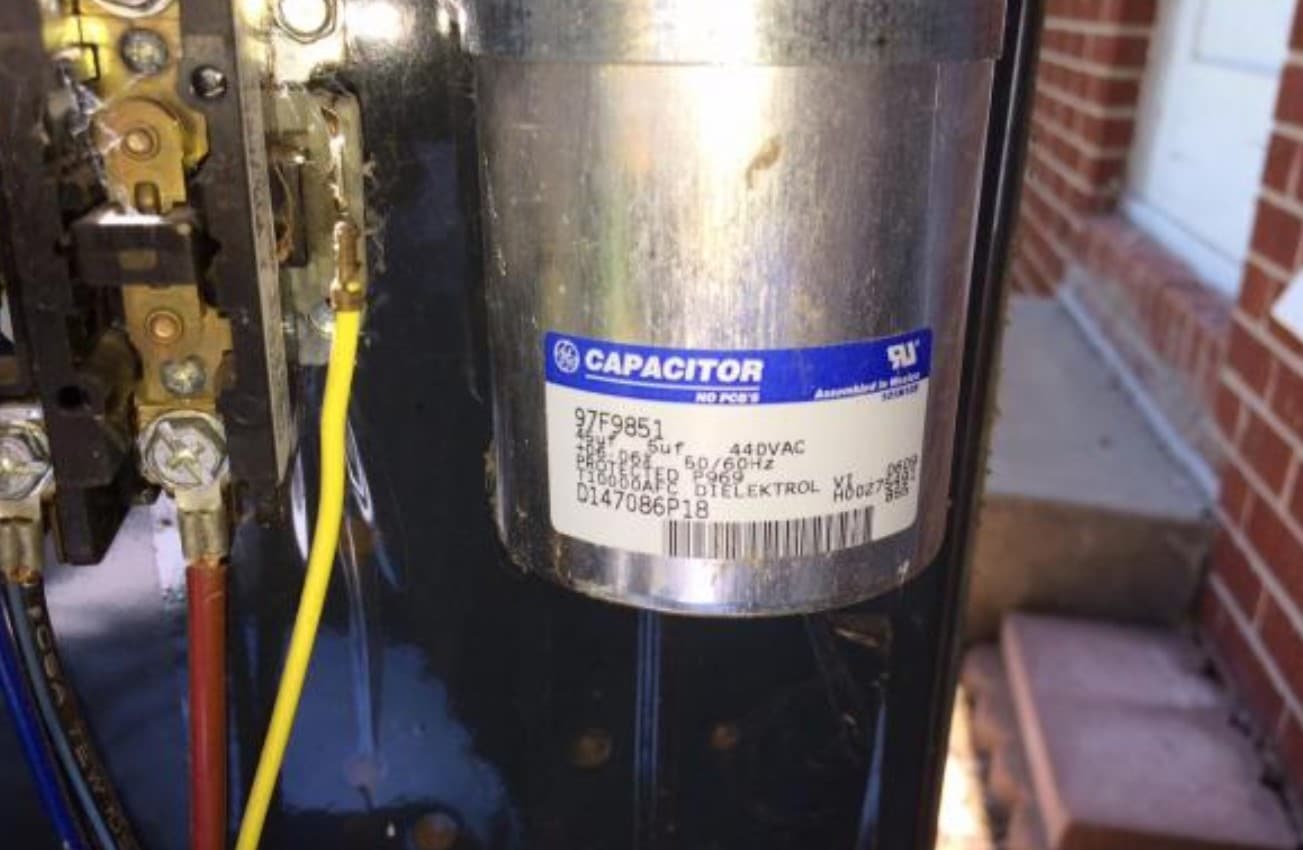
It is crucial to use the correct type and specifications of capacitor when replacing the original one in your Trane unit. The correct specifications will be printed on the side of the old capacitor. Key specifications include:
- Capacitance (µF): Measured in microfarads (µF), this indicates the capacitor's storage capacity. The replacement capacitor must have the same capacitance as the original. Using a different capacitance can damage your motor.
- Voltage (VAC): This indicates the maximum voltage the capacitor can handle. The replacement capacitor must have a voltage rating equal to or higher than the original.
- Type (Start or Run): Ensure you are replacing a start capacitor with a start capacitor and a run capacitor with a run capacitor. Some capacitors are "dual-run" capacitors, handling both the fan and compressor motor.
- Physical Size: While not as critical as the electrical specifications, the replacement capacitor should be a similar size to the original to ensure it fits properly in the unit.
- Brand: While you don't necessarily need to use a Trane-branded capacitor, it's important to choose a reputable brand known for quality and reliability. Using a cheap, low-quality capacitor can lead to premature failure.
The best way to ensure you get the correct replacement capacitor is to provide the old capacitor's specifications to your HVAC technician. They can then source the appropriate replacement. It is also possible to find the correct capacitor using your Trane unit's model number, however relying on the capacitor's label is most reliable.
7. Can a bad capacitor damage other components in my Trane HVAC system?
Yes, a failing or failed capacitor can definitely lead to damage to other components in your Trane HVAC system, particularly the motors. Here's how:
- Motor Overheating: A weak capacitor forces the motor to work harder to start and run, leading to overheating. Over time, this can damage the motor windings and eventually cause the motor to fail.
- Compressor Damage (AC): In air conditioners, a faulty capacitor can damage the compressor, which is the most expensive component to replace. The compressor relies on the capacitor to start efficiently. When the capacitor is weak, the compressor struggles to start, leading to increased wear and tear.
- Fan Motor Damage: Similarly, a bad capacitor can damage the fan motor in both the air conditioner and furnace, leading to reduced airflow and potential motor failure.
- Increased Energy Consumption: As the motor struggles to run with a weak capacitor, it draws more power, leading to increased energy consumption and higher utility bills.
- Shortened Lifespan of Other Components: The stress placed on other components due to a failing capacitor can shorten their lifespan.
Replacing a faulty capacitor promptly can prevent more serious and costly damage to your Trane HVAC system. If you suspect your capacitor is failing, contact a qualified HVAC technician for an inspection and repair.