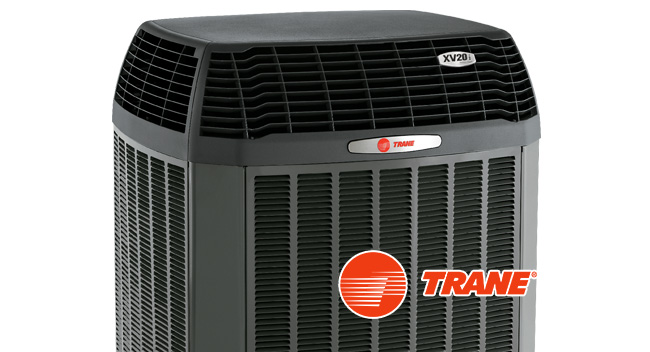
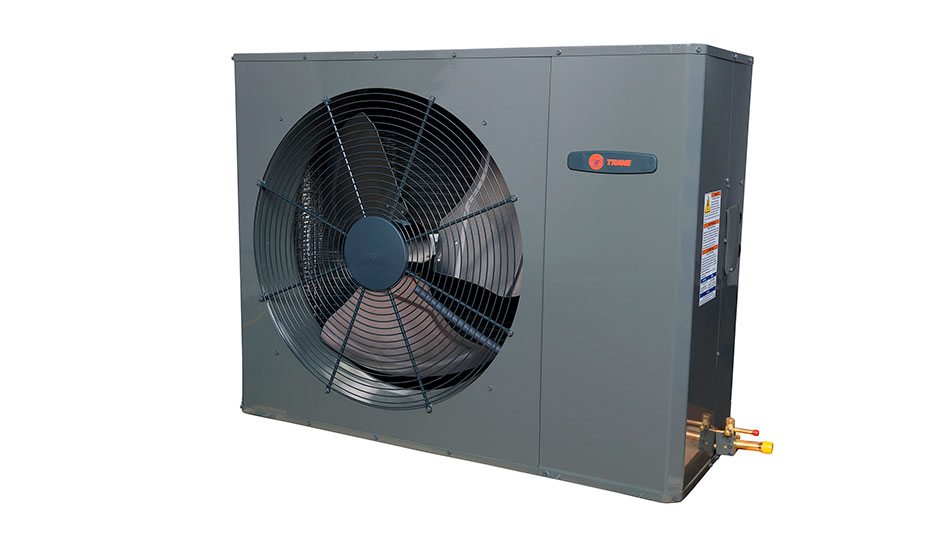
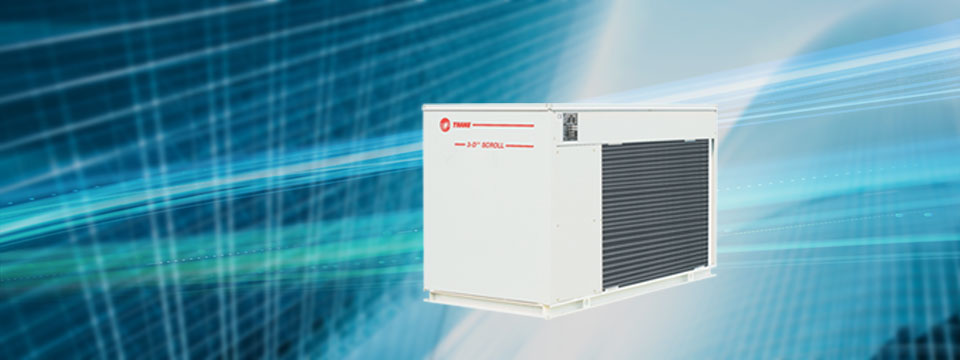
Trane Condensing Unit
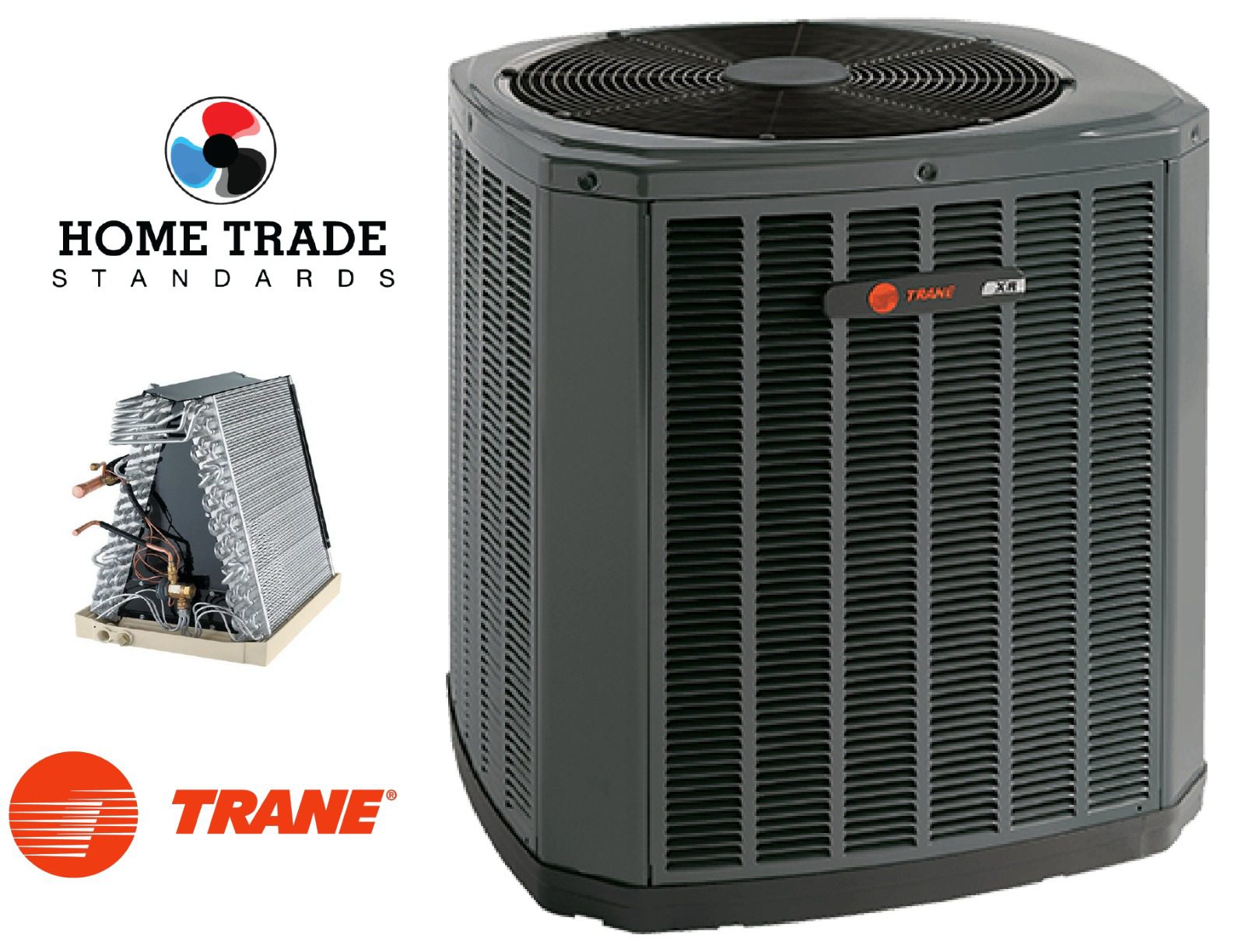
Frequently Asked Questions About Trane Condensing Units
Trane condensing units are a popular choice for homeowners and facility managers seeking reliable and efficient cooling. This FAQ addresses common questions about these units to help you understand their features, benefits, and maintenance needs.
Question 1: What is a Trane Condensing Unit and What Does it Do?
A Trane condensing unit is the outdoor component of your central air conditioning or heat pump system. Its primary job is to:
- Remove heat from the refrigerant circulating in your system.
- Condense the refrigerant from a gas back into a liquid.
- Release the heat into the outside air using a fan and coil system.
Essentially, it's the part of your AC system that expels the hot air from inside your home, allowing the indoor unit (air handler) to circulate cool air.
Question 2: What are the Key Benefits of Choosing a Trane Condensing Unit?
Trane condensing units are known for several advantages:
- Reliability: Trane has a long-standing reputation for building durable and dependable units that can withstand harsh weather conditions. They often employ high-quality components and rigorous testing.
- Energy Efficiency: Many Trane models boast high SEER (Seasonal Energy Efficiency Ratio) ratings, which means they use less energy to cool your home, resulting in lower utility bills. Look for models with a higher SEER rating for maximum energy savings.
- Quiet Operation: Trane incorporates sound-dampening technology in many of their units, ensuring quieter operation compared to some other brands. This is especially important if your unit is located near a bedroom window or outdoor living space.
- Advanced Features: Some Trane models include features like variable-speed compressors and communicating thermostats, which allow for precise temperature control and enhanced energy efficiency.
- Warranty: Trane offers a comprehensive warranty on their condensing units, providing peace of mind and protection against potential repairs. Be sure to register your unit to activate the warranty.
Question 3: How Do I Choose the Right Size Trane Condensing Unit for My Home?
Selecting the correct size condensing unit is crucial for optimal performance and energy efficiency. An undersized unit will struggle to cool your home effectively, while an oversized unit can lead to short cycling (frequent on/off cycles), which wastes energy and reduces the unit's lifespan.
Don't guess! The best way to determine the appropriate size is to have a professional HVAC technician perform a Manual J load calculation. This calculation takes into account factors such as:
- Square footage of your home
- Climate in your region
- Insulation levels in your walls and attic
- Number and size of windows
- Orientation of your home (which direction it faces)
- Number of occupants
- Other heat-generating appliances
Based on this calculation, the technician can recommend a unit with the appropriate cooling capacity, measured in BTUs (British Thermal Units). Avoid relying solely on rule-of-thumb estimates, as they can be inaccurate.
Question 4: What is SEER and Why is it Important When Choosing a Trane Condensing Unit?
SEER (Seasonal Energy Efficiency Ratio) is a rating that measures the cooling efficiency of an air conditioner or heat pump. It represents the total cooling output of the unit during a typical cooling season divided by the total electrical energy input during the same period.
In simpler terms, the higher the SEER rating, the more efficient the unit is.
Here's why SEER is important:
- Lower Energy Bills: A higher SEER rating translates to lower energy consumption and reduced cooling costs over the lifespan of the unit.
- Environmental Impact: More efficient units use less energy, which reduces the demand on power plants and lowers greenhouse gas emissions.
- Potential Rebates: Many utility companies offer rebates and incentives for installing high-efficiency HVAC equipment.
- Long-Term Savings: While a higher SEER unit may have a higher initial cost, the long-term energy savings can often offset the price difference.
The minimum SEER rating currently mandated by the U.S. Department of Energy is 14 for most regions. However, Trane offers models with SEER ratings ranging from 14 up to 22 or higher. Consider your budget and long-term energy savings goals when choosing a SEER rating.
Question 5: How Can I Maintain My Trane Condensing Unit to Ensure Optimal Performance and Longevity?
Proper maintenance is essential for keeping your Trane condensing unit running efficiently and extending its lifespan. Here are some key maintenance tasks:
- Regularly Clean the Outdoor Unit: Remove leaves, grass clippings, and other debris from around the unit. Use a garden hose to gently clean the fins of the coil, being careful not to damage them. Do this at least twice a year, especially before and after the cooling season. Always turn off the power to the unit before cleaning.
- Change Air Filters Regularly: Dirty air filters restrict airflow, forcing your system to work harder and reducing its efficiency. Replace or clean your air filters every 1-3 months, depending on usage and air quality.
- Schedule Professional Maintenance: Have a qualified HVAC technician perform a tune-up at least once a year. This typically includes inspecting and cleaning the coils, checking refrigerant levels, lubricating moving parts, and testing electrical components.
- Keep the Area Around the Unit Clear: Ensure that there is at least 2-3 feet of clearance around the unit to allow for proper airflow. Avoid planting shrubs or storing items close to the unit.
- Monitor for Unusual Noises or Performance Issues: If you notice any strange noises, such as banging, hissing, or rattling, or if your system is not cooling effectively, contact a professional for diagnosis and repair.
By following these maintenance tips, you can help ensure that your Trane condensing unit operates reliably and efficiently for many years to come.
Question 6: What are Some Common Problems with Trane Condensing Units and How Can They Be Addressed?
While Trane condensing units are known for their reliability, like any mechanical equipment, they can sometimes experience problems. Here are some common issues and how they can be addressed:
- Refrigerant Leaks: Low refrigerant levels can reduce cooling performance and cause the unit to work harder. A technician can locate and repair the leak, and then recharge the system with the correct amount of refrigerant.
- Dirty Coils: Dirty coils restrict airflow and reduce the unit's ability to transfer heat. Cleaning the coils regularly can resolve this issue.
- Faulty Fan Motor: A malfunctioning fan motor can prevent the fan from spinning, which is essential for dissipating heat. The fan motor may need to be replaced.
- Compressor Problems: The compressor is the heart of the condensing unit. If it fails, the unit will not cool. Compressor problems can be complex and may require replacing the entire unit.
- Electrical Issues: Problems with wiring, capacitors, or other electrical components can cause the unit to malfunction. A qualified electrician or HVAC technician can diagnose and repair these issues.
- Frozen Evaporator Coil: Restricted airflow (due to a dirty air filter) or low refrigerant can cause the evaporator coil (located in the indoor unit) to freeze. Addressing the underlying cause can resolve this issue.
- Clogged Condensate Drain Line: A clogged drain line can cause water to back up and leak, potentially damaging your home. Clearing the drain line can prevent this problem.
If you encounter any of these problems, it's important to contact a qualified HVAC technician for professional diagnosis and repair. Attempting to fix complex issues yourself can be dangerous and may void your warranty.
Question 7: How Long Can I Expect a Trane Condensing Unit to Last?
The lifespan of a Trane condensing unit can vary depending on several factors, including:
- Quality of Installation: Proper installation is crucial for ensuring optimal performance and longevity.
- Frequency of Maintenance: Regular maintenance, as described above, can significantly extend the lifespan of the unit.
- Climate: Units in harsher climates may experience more wear and tear.
- Usage: Units that are used more frequently may have a shorter lifespan.
However, with proper care and maintenance, you can generally expect a Trane condensing unit to last between 12 and 15 years, and in some cases, even longer.
Investing in a high-quality Trane condensing unit and following a regular maintenance schedule can help you enjoy reliable and efficient cooling for many years to come.