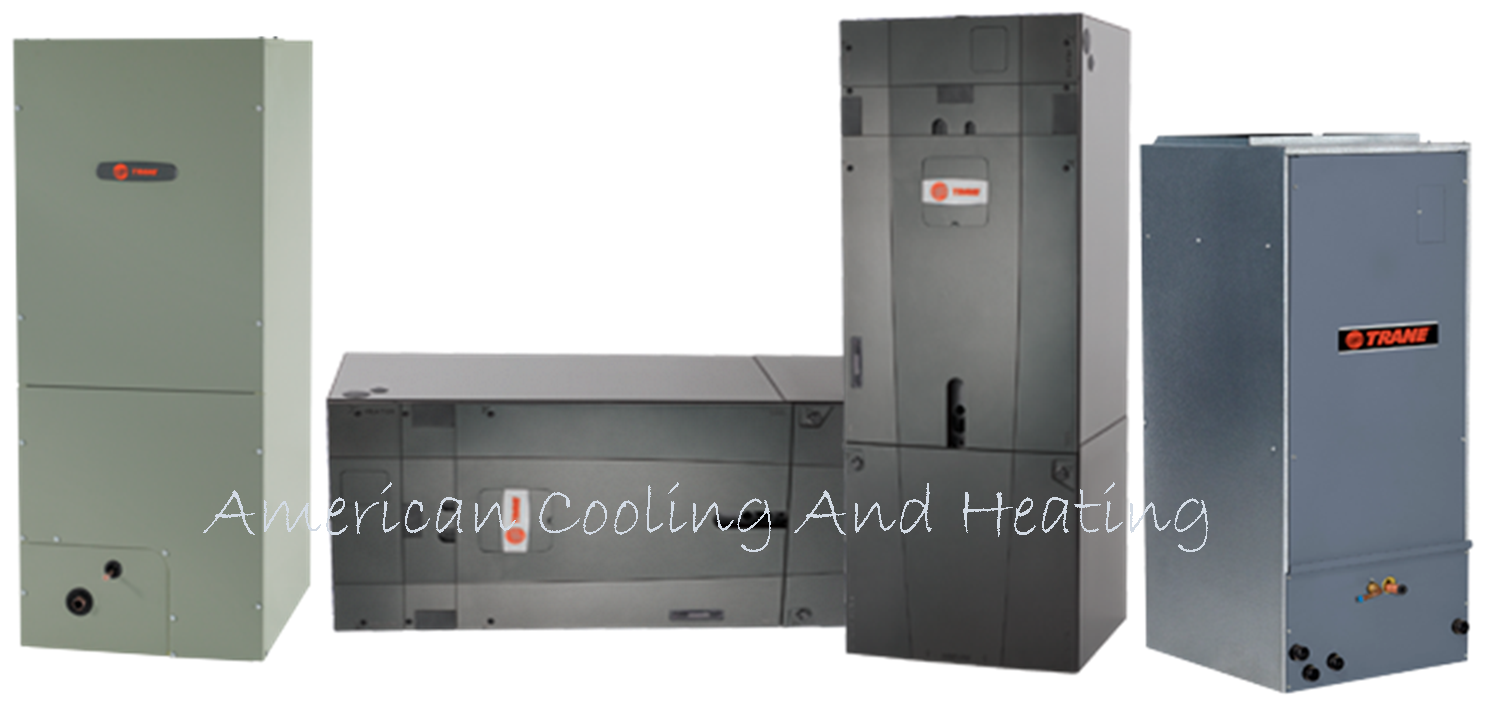
Trane Downflow Furnace
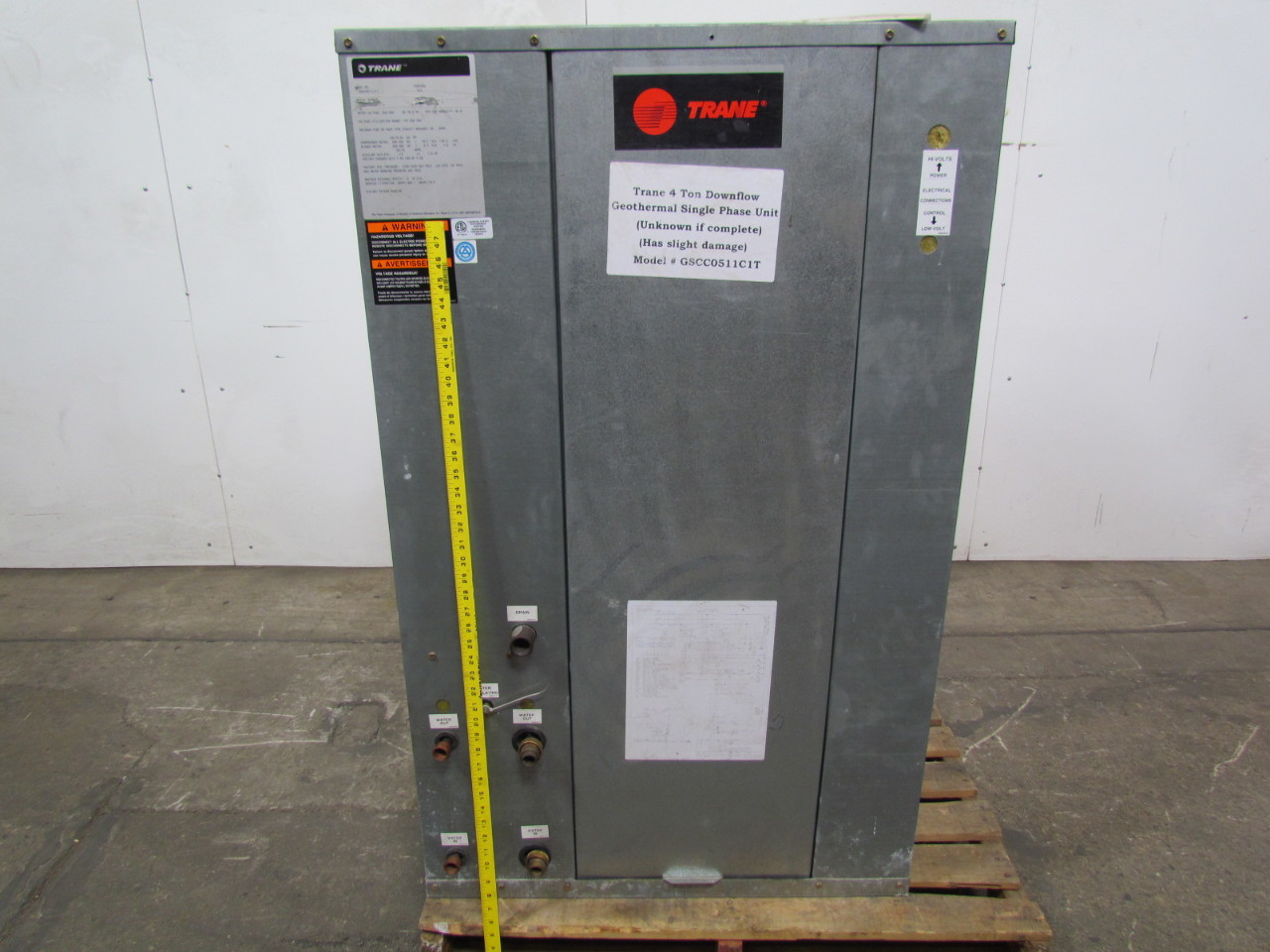
Trane Downflow Furnaces: A Comprehensive Buying Guide
When it's time to replace your furnace, choosing the right model and brand can significantly impact your home's comfort and energy bills. Trane, a name synonymous with reliability and innovation in the HVAC industry, offers a range of downflow furnaces designed for specific installation requirements. This guide provides an in-depth look at Trane downflow furnaces, covering their features, benefits, drawbacks, pricing, and comparisons to other leading brands.
What is a Downflow Furnace?
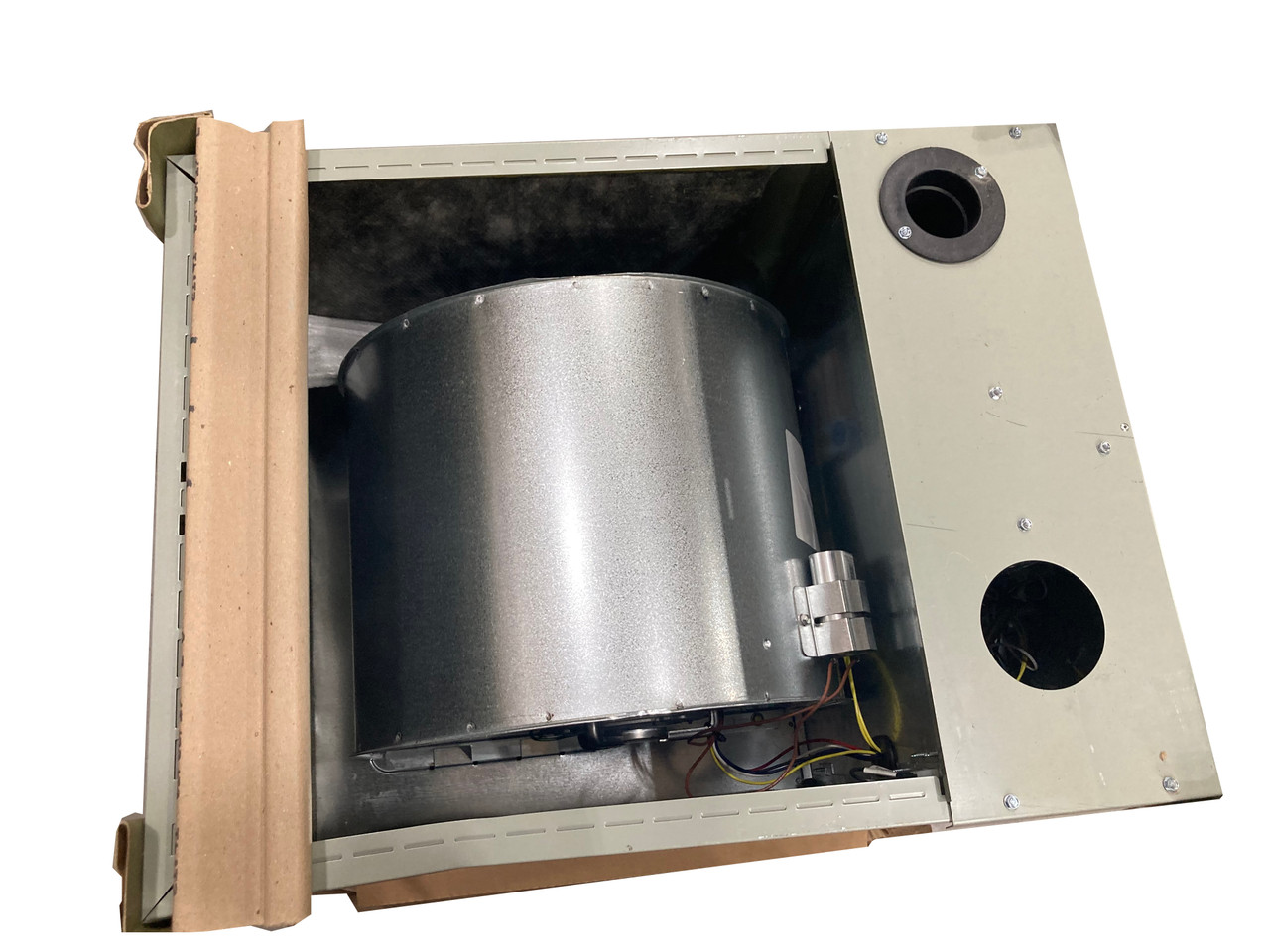
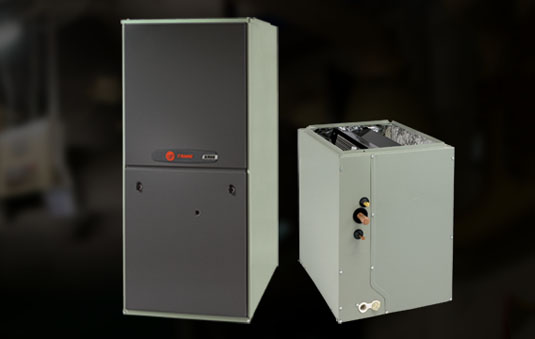
Unlike upflow furnaces that draw cool air from the bottom and expel warm air from the top, downflow furnaces operate in reverse. They draw cool air from the top and blow heated air downwards. This configuration is ideal for homes with ductwork located in the crawl space or basement. Downflow furnaces are also suitable for multi-story homes where the furnace is located on an upper floor.
Pros and Cons of Trane Downflow Furnaces
Pros:
- Space Saving Design: Downflow furnaces often fit well in tight spaces, especially basements or utility closets.
- Efficient Heating: Trane furnaces are known for their high AFUE (Annual Fuel Utilization Efficiency) ratings, translating to lower energy bills.
- Quiet Operation: Many Trane models incorporate features that minimize noise during operation.
- Durable Construction: Trane furnaces are built with high-quality components designed for long-lasting performance.
- Advanced Features: Some models include variable-speed blowers, modulating gas valves, and smart home integration capabilities.
Cons:
- Higher Upfront Cost: Trane furnaces generally have a higher initial price tag compared to some other brands.
- Installation Complexity: Downflow furnaces may require specialized installation, potentially increasing labor costs.
- Limited Model Selection: Compared to upflow furnaces, the selection of downflow models might be slightly smaller across all brands, including Trane.
- Maintenance Requirements: Like all furnaces, regular maintenance is crucial to ensure optimal performance and longevity. Neglecting maintenance can lead to costly repairs.
Key Features of Trane Downflow Furnaces
Trane offers several series of downflow furnaces, each with varying features and efficiency levels. Here's a breakdown of some common features you'll find:
- AFUE Ratings: Trane downflow furnaces typically boast AFUE ratings ranging from 80% to 97%. Higher AFUE ratings indicate greater energy efficiency.
- Variable-Speed Blowers: These blowers adjust the airflow based on heating demand, providing consistent temperatures and reduced noise. Models like the Trane S9V2 include this feature.
- Modulating Gas Valves: These valves precisely control the amount of gas used, optimizing efficiency and comfort.
- ComfortLink™ II Communicating Technology: This technology allows seamless integration with other Trane HVAC components, providing enhanced diagnostics and control.
- Durable Heat Exchangers: Trane furnaces feature robust heat exchangers designed for long-lasting performance and resistance to corrosion. The aluminized steel heat exchangers are a standard on many models.
- Insulated Cabinets: These cabinets reduce noise and heat loss, improving overall efficiency.
Popular Trane Downflow Furnace Models
Here are a few popular Trane downflow furnace models:
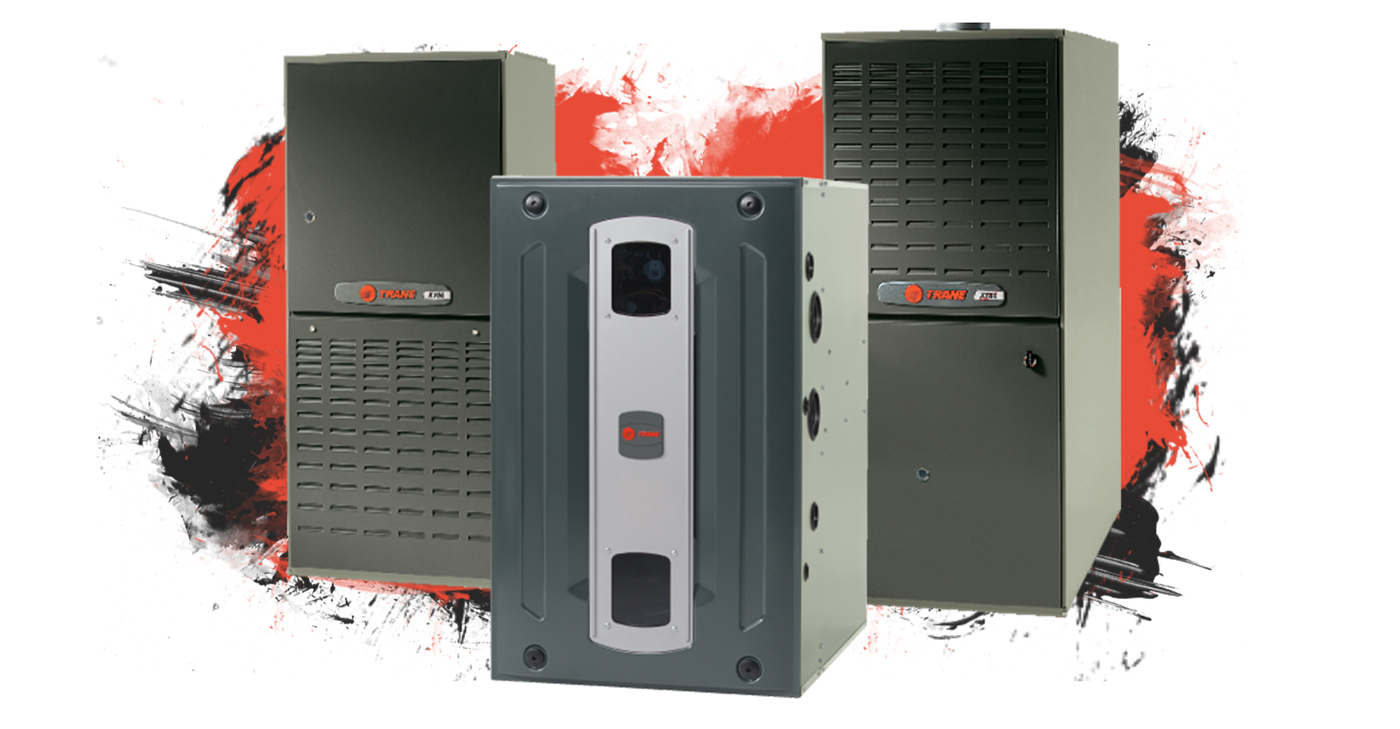
- Trane S9V2: A high-efficiency modulating furnace with an AFUE of up to 97%. It features a variable-speed blower and ComfortLink™ II technology. Ideal for homeowners seeking maximum efficiency and comfort.
- Trane S8X2: A reliable and efficient two-stage furnace with an AFUE of up to 80%. A good balance of performance and affordability.
- Trane S8B1: A basic, single-stage furnace with an AFUE of 80%. A budget-friendly option for those primarily concerned with cost.
AFUE, SEER, and HSPF Ratings Explained
Understanding these ratings is crucial when comparing different HVAC systems:
- AFUE (Annual Fuel Utilization Efficiency): This rating measures the efficiency of a furnace in converting fuel (natural gas or propane) into usable heat. The higher the AFUE rating, the more efficient the furnace. Furnaces with an AFUE of 90% or higher are considered high-efficiency.
- SEER (Seasonal Energy Efficiency Ratio): This rating applies to air conditioners and measures their cooling efficiency. While not directly related to furnaces, it's important if you're considering replacing your entire HVAC system.
- HSPF (Heating Seasonal Performance Factor): This rating applies to heat pumps and measures their heating efficiency. If you're considering a heat pump system, this rating is crucial.
Trane Downflow Furnace Pricing
The cost of a Trane downflow furnace can vary depending on the model, efficiency rating, features, and installation costs. Here's a general price range:
- Entry-Level (80% AFUE): $2,500 - $4,000 (including installation)
- Mid-Range (80-95% AFUE): $4,000 - $6,000 (including installation)
- High-Efficiency (95%+ AFUE): $6,000 - $8,000+ (including installation)
Note: These prices are estimates and may vary depending on your location, the complexity of the installation, and the contractor you choose. It's always recommended to get multiple quotes from qualified HVAC contractors before making a decision.
Trane vs. Other Brands: A Comparison
When choosing a furnace, it's helpful to compare Trane to other leading brands like Carrier, Lennox, and Rheem.
- Trane vs. Carrier: Both brands are known for their high-quality and innovative features. Carrier often has a slight edge in terms of advanced technology, while Trane is often perceived as more durable. Both have similar pricing.
- Trane vs. Lennox: Lennox offers a wider range of models, including some ultra-high-efficiency options. Trane is generally considered more reliable and easier to maintain. Lennox can be slightly more expensive than Trane.
- Trane vs. Rheem: Rheem is often a more budget-friendly option than Trane. While Rheem offers good value, Trane is generally considered to have superior build quality and longer lifespan.
Ultimately, the best brand for you will depend on your specific needs, budget, and preferences. Consider factors such as efficiency, features, reliability, and warranty when making your decision.
Warranty Information
Trane offers industry-standard warranties on its furnaces. Most models come with a 10-year limited warranty on parts and a 20-year or lifetime warranty on the heat exchanger. Be sure to register your furnace after installation to activate the warranty. It is also important to note that using non-OEM parts can void the warranty.
Maintenance Tips for Your Trane Downflow Furnace
Regular maintenance is crucial to ensure the optimal performance and longevity of your Trane furnace. Here are some essential maintenance tips:
- Change the Air Filter Regularly: A dirty air filter restricts airflow and reduces efficiency. Replace the filter every 1-3 months, depending on usage and air quality.
- Schedule Annual Professional Maintenance: A qualified HVAC technician can inspect and clean the furnace, check for any potential problems, and ensure that it's operating safely and efficiently.
- Keep the Area Around the Furnace Clear: Ensure that there is adequate clearance around the furnace for proper airflow and access for maintenance.
- Check the Flue Pipe: Inspect the flue pipe for any signs of rust, corrosion, or blockage. A blocked flue pipe can lead to dangerous carbon monoxide buildup.
- Listen for Unusual Noises: Pay attention to any unusual noises coming from the furnace. These could indicate a problem that needs to be addressed.
Finding a Qualified HVAC Contractor
Choosing the right HVAC contractor is just as important as choosing the right furnace. Here are some tips for finding a qualified contractor:
- Get Multiple Quotes: Contact several contractors and get written quotes for the installation of your new furnace.
- Check Their Credentials: Make sure the contractor is licensed, insured, and bonded.
- Read Online Reviews: Check online reviews to see what other customers have to say about the contractor's work.
- Ask for References: Ask the contractor for references from previous customers.
- Choose a Contractor Who Specializes in Trane Products: A contractor who is familiar with Trane furnaces will be better equipped to install and maintain your system.
Conclusion
A Trane downflow furnace can be an excellent choice for homeowners looking for efficient, reliable, and durable heating. By understanding the features, benefits, and drawbacks of different models, you can make an informed decision that meets your specific needs and budget. Remember to prioritize proper installation and regular maintenance to ensure the long-lasting performance of your new furnace.