Trane Fan Coils Units
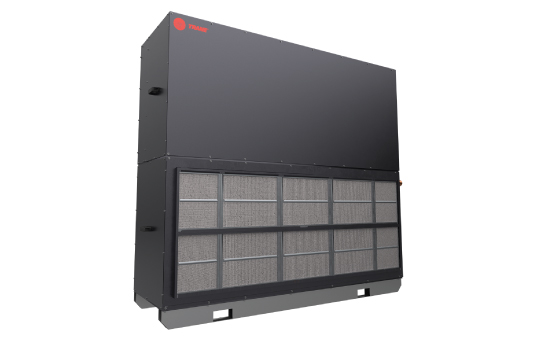
If you're experiencing issues with your home's heating and cooling, and you have a system using a Trane fan coil unit, this guide is for you. We'll cover what fan coils are, common problems, troubleshooting tips, and when it's time to call a professional. This information is aimed at homeowners, DIY enthusiasts, and HVAC students. Safety should always be your number one priority.
Understanding Trane Fan Coil Units
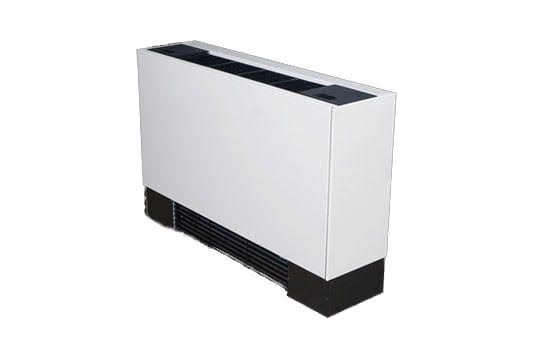
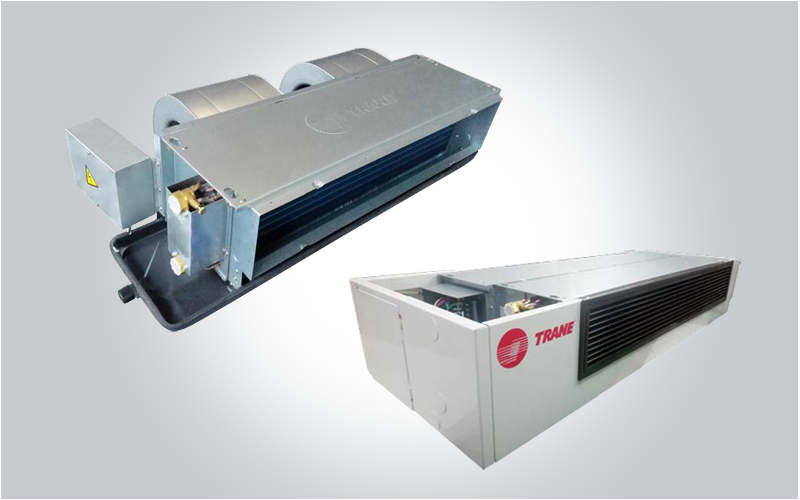
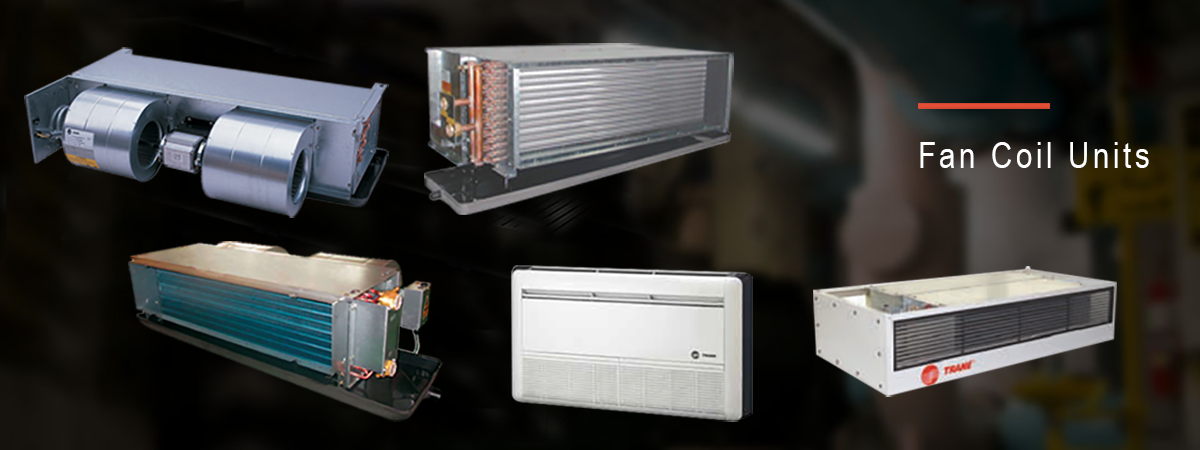
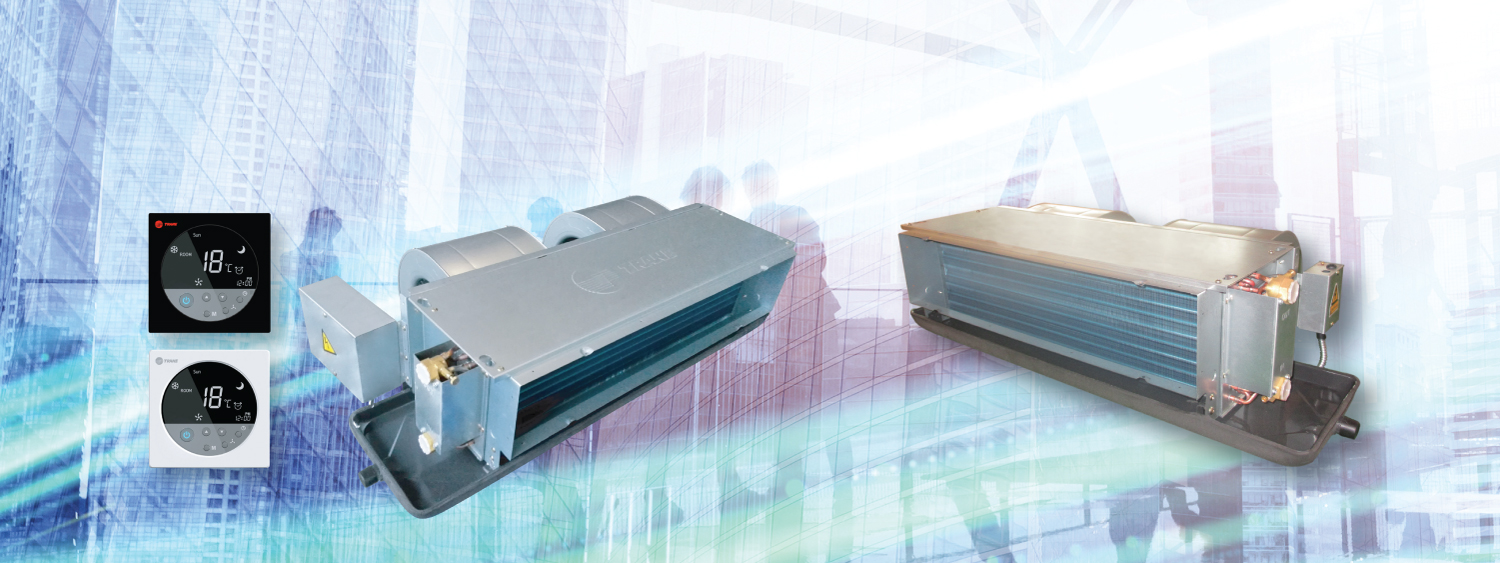
A fan coil unit (FCU) is an indoor component of a heating and cooling system that uses a coil to heat or cool air and a fan to circulate that air. In a Trane system, the fan coil is often paired with an outdoor unit like a heat pump or air conditioner. Hot or chilled water, or refrigerant, flows through the coil, and the fan blows air across it, distributing conditioned air throughout your home.
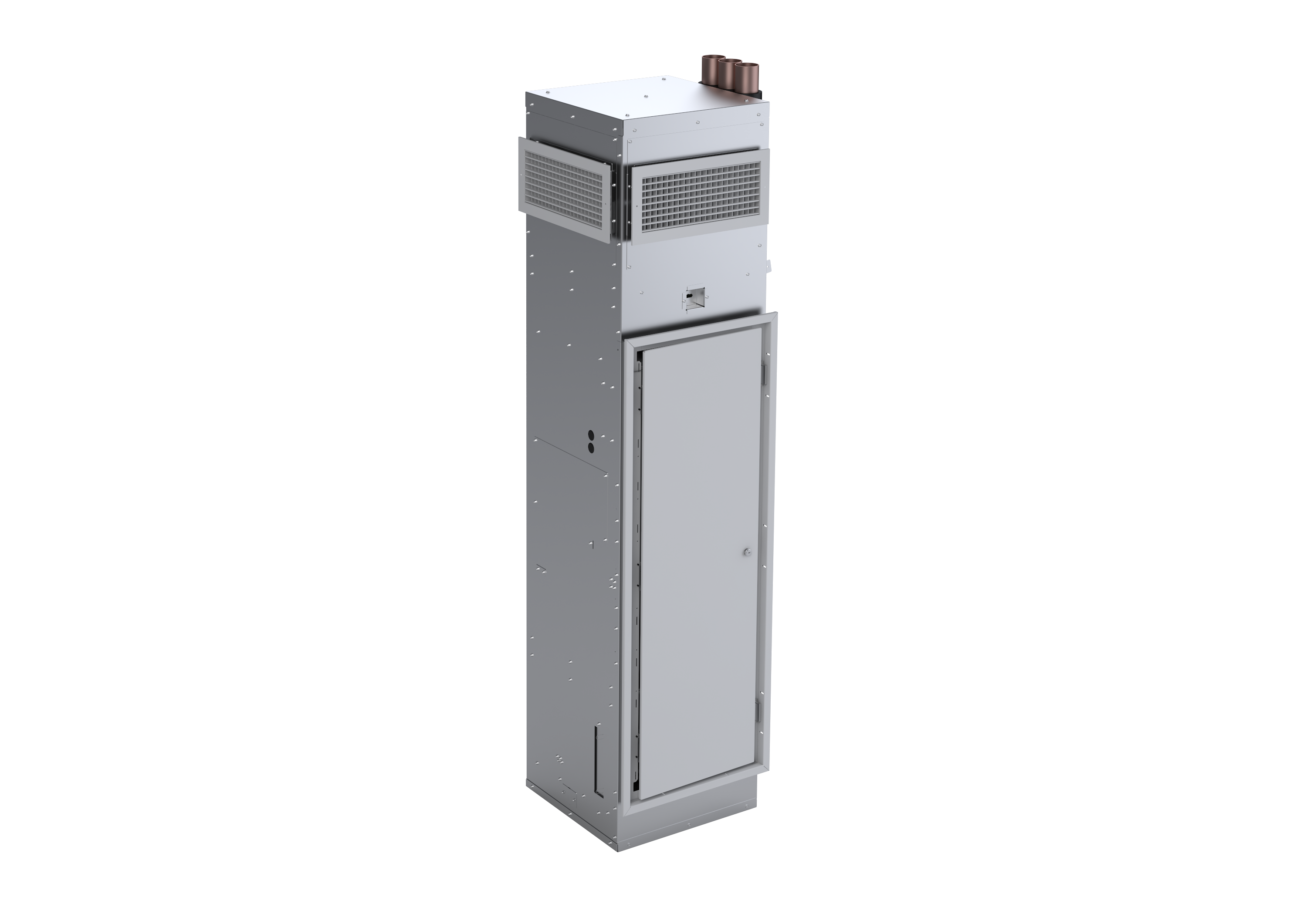
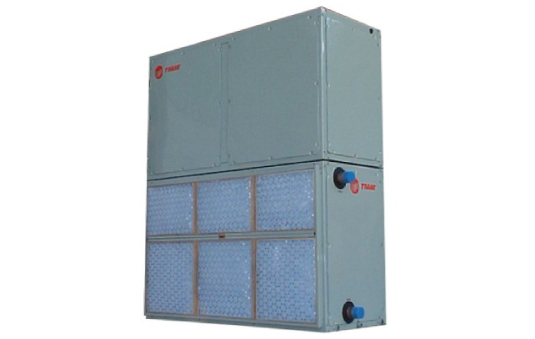
These units are typically located in attics, basements, closets, or suspended from ceilings. Trane offers various models with different capacities and features, but the basic principle remains the same.
Common Components of a Trane Fan Coil Unit
- Coil: The heat exchanger where heating or cooling occurs.
- Fan: Circulates air across the coil and into your home.
- Filter: Removes dust and debris from the air.
- Drain Pan: Collects condensation from the coil.
- Blower Motor: Powers the fan.
- Control Board: The brain of the unit, controlling its operation.
- Thermostat Connection: Allows you to control the unit's temperature.
Troubleshooting Common Trane Fan Coil Problems
Before attempting any repairs, always turn off the power to the unit at the circuit breaker. Safety first!
1. No Airflow or Weak Airflow
This is a common complaint. Here's how to troubleshoot:
- Check the Air Filter: A dirty air filter restricts airflow. Replace it with a new one. Trane recommends specific filter types for their units; consult your owner's manual.
- Inspect the Blower Motor: Listen for unusual noises coming from the motor. A humming sound but no fan movement could indicate a seized motor or a faulty capacitor.
- Examine the Blower Wheel: Debris can accumulate on the blower wheel, reducing its efficiency. Clean the blower wheel if necessary.
- Check for Blocked Vents: Ensure that supply and return vents are not blocked by furniture or other obstructions.
2. Unit Not Heating or Cooling
If the fan is running but you're not getting heated or cooled air:
- Check the Thermostat: Make sure the thermostat is set correctly and that the batteries (if applicable) are good.
- Verify the Outdoor Unit is Working: If you have a heat pump, ensure the outdoor unit is running. If it's not, it could be a separate issue with the outdoor unit itself.
- Inspect the Coil: A frozen coil can prevent airflow and heating/cooling. If you suspect a frozen coil, turn off the unit and allow it to thaw. A refrigerant leak or airflow problem often causes freezing.
- Check for Leaks: If using hot or chilled water, check for leaks around the coil and piping.
3. Unit is Making Noise
Unusual noises can indicate several problems:
- Squealing: Could indicate a worn-out blower motor bearing.
- Rattling: Could be loose components or debris in the blower assembly.
- Humming: Could indicate a problem with the blower motor capacitor or a stuck motor.
- Banging: Could indicate ductwork issues or loose components.
Locate the source of the noise as precisely as possible. Turn off the unit before investigating further.
4. Water Leaking from the Unit
Water leaks usually indicate a problem with the condensate drain:
- Check the Drain Pan: Make sure the drain pan isn't overflowing.
- Inspect the Drain Line: A clogged drain line is a common cause of leaks. Use a wet/dry vacuum or a stiff wire to clear the drain line. Pour a cup of bleach diluted with water down the drain line periodically to prevent clogs.
- Ensure Proper Unit Leveling: An unlevel unit can cause the drain pan to overflow.
5. Unit Cycles On and Off Frequently (Short Cycling)
Short cycling can indicate various issues, including:
- Dirty Air Filter: Restricted airflow can cause the unit to overheat or cool too quickly, leading to short cycling.
- Oversized Unit: A unit that's too large for the space will cool it down too quickly and then shut off, leading to short cycles. This is usually an installation issue.
- Refrigerant Issues: Low refrigerant can also cause short cycling in systems using direct expansion coils.
DIY Repairs vs. Calling a Professional
Some repairs, like replacing the air filter or clearing a condensate drain, are relatively simple and can be done by most homeowners. However, more complex repairs, such as replacing the blower motor, working with refrigerant, or troubleshooting electrical issues, should be left to a qualified HVAC technician. Incorrect repairs can damage the unit further and even pose a safety risk. If you are uncomfortable or unsure about any repair, always call a professional.
When to Call a Pro:
- Refrigerant leaks or low refrigerant levels
- Electrical problems, especially with the control board or motor wiring
- Major component failures, such as a faulty compressor or heat exchanger
- Unusual noises that you can't identify or resolve
- If you're uncomfortable working with electricity or mechanical components
Essential Tools for Fan Coil Troubleshooting
Having these tools on hand can make troubleshooting and minor repairs easier:
- Screwdrivers (Phillips and flathead)
- Wrench set
- Multimeter (for testing electrical components – use with extreme caution!)
- Wet/dry vacuum
- Flashlight
- Work gloves
- Safety glasses
- New air filter
Estimated Repair Costs
Repair costs for Trane fan coil units can vary widely depending on the problem and the cost of labor in your area. Here are some rough estimates:
- Air Filter Replacement: $10 - $30 (DIY)
- Condensate Drain Cleaning: $50 - $150 (DIY or Professional)
- Blower Motor Replacement: $200 - $600 (Professional)
- Capacitor Replacement: $100 - $300 (Professional)
- Coil Cleaning: $150 - $400 (Professional)
- Refrigerant Recharge (if applicable): $200 - $600+ (Professional – requires EPA certification)
- Control Board Replacement: $300 - $700+ (Professional)
These are just estimates. Always get a quote from a qualified HVAC technician before authorizing any repairs.
Preventative Maintenance for Your Trane Fan Coil
Regular maintenance can help prevent problems and extend the life of your Trane fan coil unit:
- Change the Air Filter Regularly: At least every 1-3 months, or more often if you have pets or allergies.
- Clean the Unit: Vacuum dust and debris from the unit's exterior and interior (after turning off the power).
- Inspect the Drain Line: Periodically check for clogs and clear them as needed.
- Schedule Professional Maintenance: Have a qualified HVAC technician inspect and service your unit annually.
Safety Precautions
Working with HVAC equipment can be dangerous. Always follow these safety precautions:
- Turn Off the Power: Always disconnect the power to the unit at the circuit breaker before working on it.
- Wear Safety Gear: Wear safety glasses and work gloves to protect yourself from injury.
- Be Careful with Electricity: If you're not comfortable working with electricity, leave electrical repairs to a qualified technician.
- Never Work Alone: Have someone nearby in case of an emergency.
- Follow Manufacturer's Instructions: Refer to your owner's manual for specific safety information and instructions for your unit.
By following these troubleshooting tips and safety precautions, you can keep your Trane fan coil unit running smoothly and efficiently. Remember to prioritize safety and call a professional when needed.