Trane Filter Size By Model Number Pdf
Finding the correct filter size for your Trane HVAC system is crucial for maintaining optimal performance, energy efficiency, and air quality. A mismatched filter can lead to reduced airflow, increased energy consumption, and even damage to your system's components. This guide explains how to determine the right Trane filter size by model number, understand filter specifications, and navigate common challenges.
Understanding the Importance of Correct Filter Size
The air filter in your Trane system serves a vital purpose: it captures dust, pollen, pet dander, and other airborne particles, preventing them from circulating through your home and damaging sensitive internal components. Imagine it as a gatekeeper for your HVAC system. When the filter is the correct size, it effectively seals the air handler and directs all airflow through the filter media. An incorrectly sized filter, on the other hand, creates gaps that allow unfiltered air to bypass the filter, reducing air quality and potentially harming your equipment.
Here’s why using the correct filter size is essential:
- Improved Air Quality: A properly sized filter ensures that all air circulating through your system is filtered, removing allergens and pollutants for healthier indoor air.
- Increased Energy Efficiency: When airflow is restricted by a dirty or improperly sized filter, your system has to work harder to maintain the desired temperature, resulting in higher energy bills. A correct fit allows for optimal airflow.
- Extended System Lifespan: By preventing dust and debris from accumulating on internal components like the blower motor and evaporator coil, a properly sized filter helps extend the lifespan of your Trane system. Think of it as protecting the "lungs" of your AC.
- Reduced Maintenance Costs: A clean system runs more efficiently and requires less frequent repairs, saving you money on maintenance in the long run.
Locating Your Trane Model Number
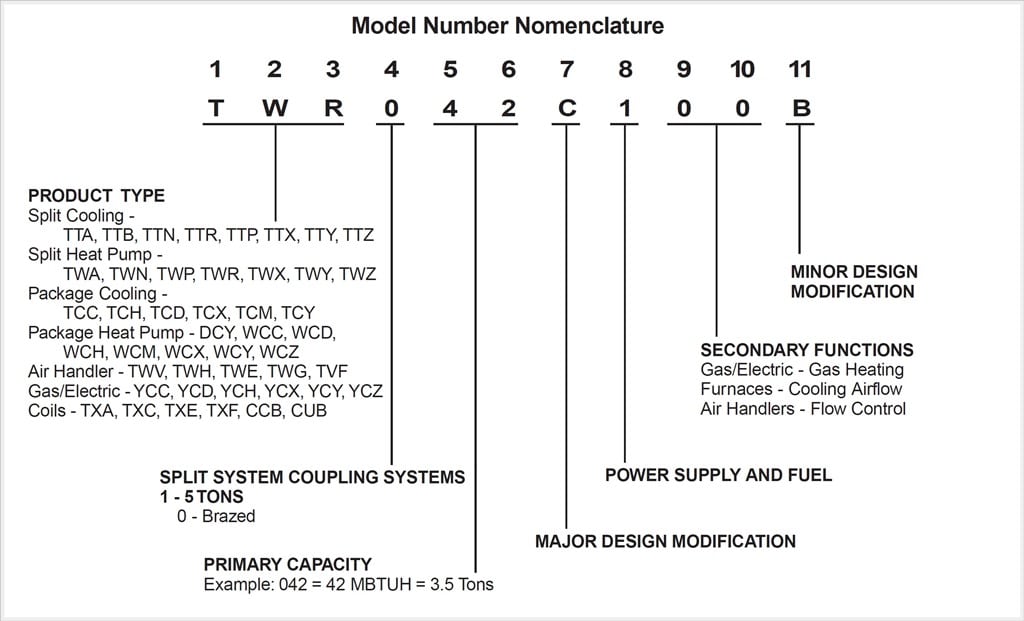
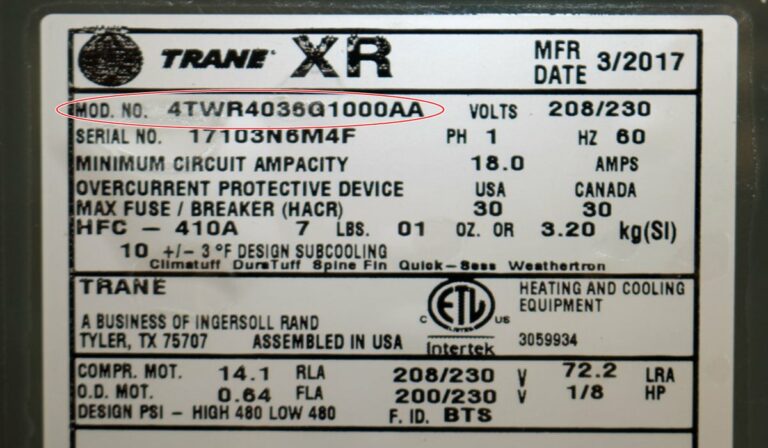
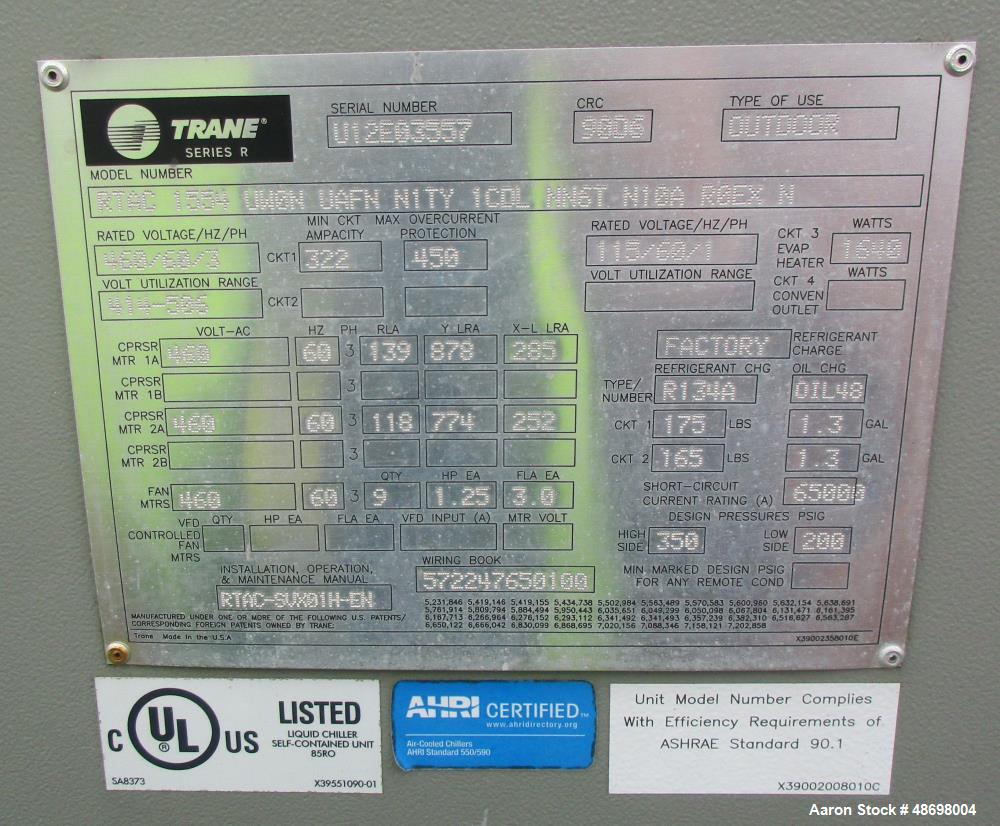
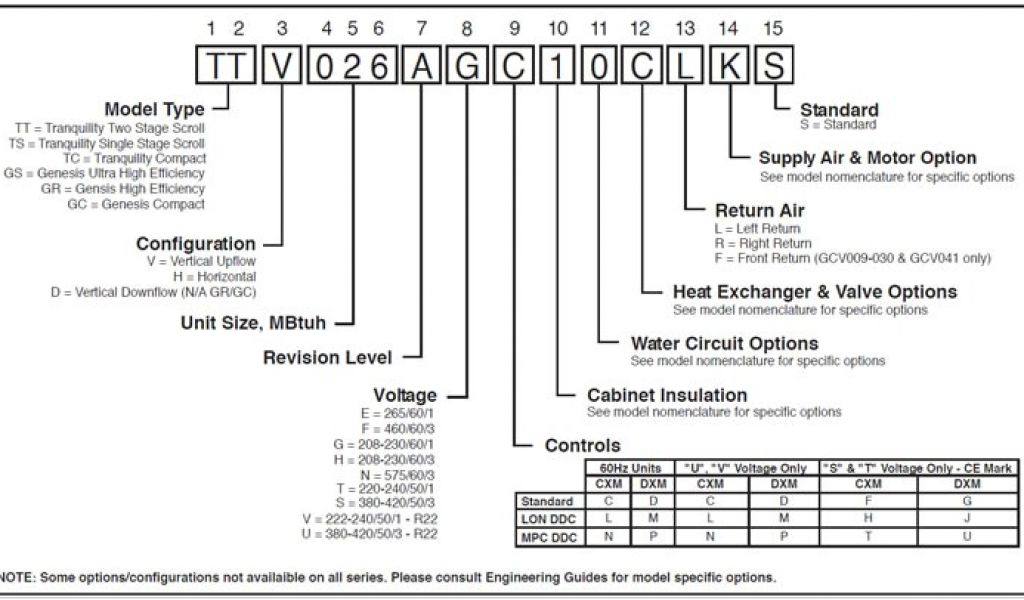
The key to finding the right filter size is knowing your Trane unit's model number. This number provides specific information about your system, including its capacity, features, and recommended filter size. Here's where to find it:
- Indoor Unit (Air Handler or Furnace): Look inside the access panel of your indoor unit. The model number is typically printed on a nameplate or sticker affixed to the unit's frame. You might need a screwdriver to open the access panel, but be sure to turn off the power to the unit first for safety.
- Outdoor Unit (Condenser): The model number is usually located on a nameplate on the side of the outdoor condenser unit.
- Owner's Manual: If you have the original owner's manual for your Trane system, the model number will be listed there. This is often the most reliable source of information.
Example Model Numbers:
- Typical Trane furnace model numbers might look like: S9V2, S8X1, or XV95.
- Typical Trane air conditioner model numbers might look like: XR16, XL18i, or XV20i.
Important Note: Record the entire model number, including any letters and numbers. This ensures you get the precise information you need.
Finding Filter Size Information Using the Model Number
Once you have the model number, you have several options for finding the correct filter size:
- Trane's Website or Documentation: The most reliable method is to visit the official Trane website or consult the product documentation for your specific model. Trane often provides detailed specifications, including recommended filter sizes, in their manuals and online resources. Look for a "parts" or "specifications" section.
- HVAC Professionals: Contact a qualified HVAC technician. They can use your model number to quickly identify the correct filter size and may even offer installation services. This is a good option if you're unsure or uncomfortable working with your HVAC system.
- Online Filter Size Finders: Some websites offer filter size finders that allow you to input your model number and retrieve the recommended filter size. However, it’s crucial to verify the information from these sources with Trane’s official documentation or an HVAC professional to ensure accuracy.
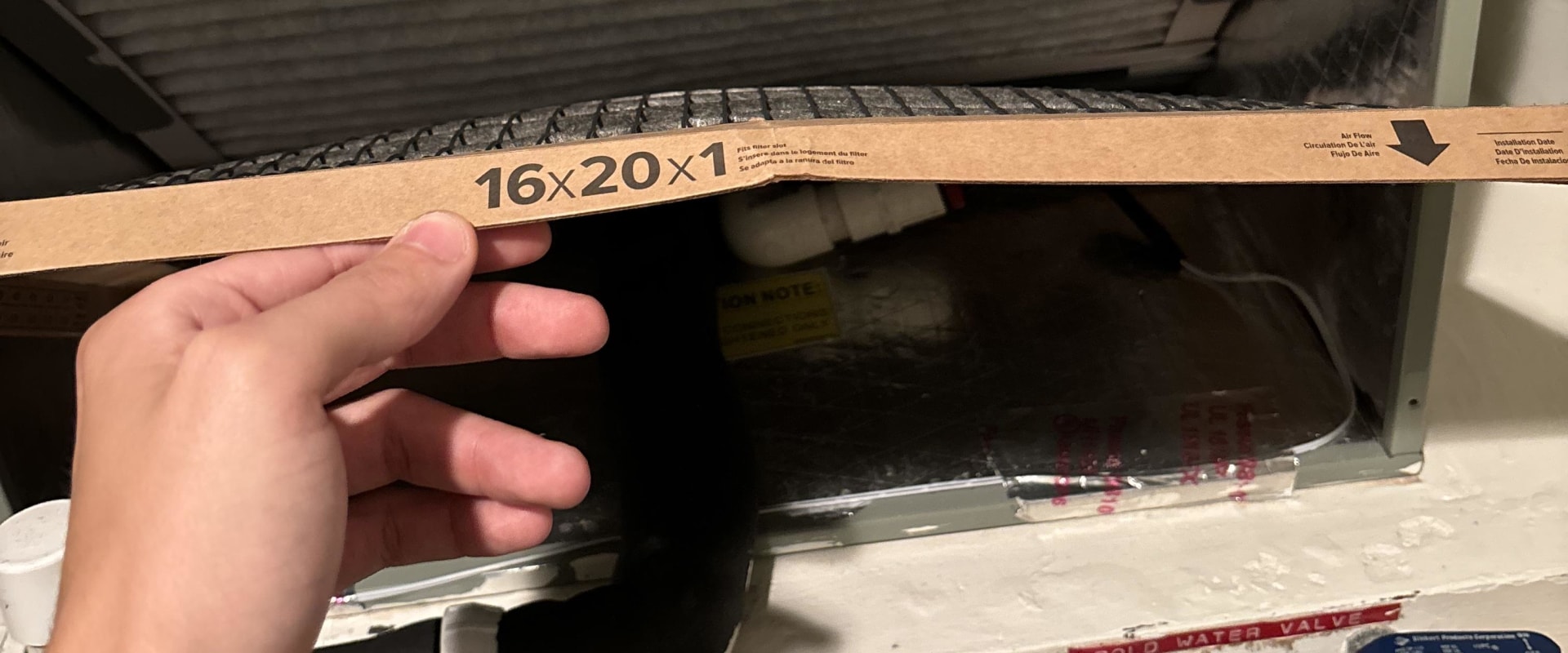
- Previous Filters: If you're replacing an existing filter, check the dimensions printed on the filter frame. This is often the easiest and most direct way to determine the correct size. However, make sure the previous filter was the correct size to begin with!
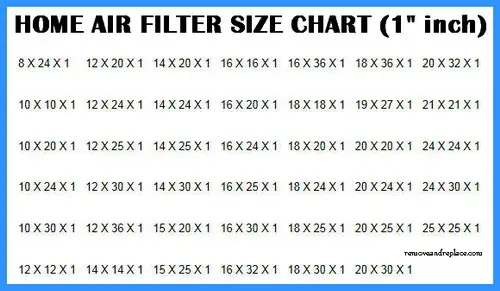
Understanding Filter Dimensions: Filter sizes are typically expressed as width x height x depth, in inches. For example, a filter labeled "20x25x1" is 20 inches wide, 25 inches high, and 1 inch deep. It is critical to match all three dimensions. Even a small discrepancy can prevent the filter from fitting properly.
Common Trane Filter Sizes
While the specific filter size varies depending on the model, some common Trane filter sizes include:
- 16x25x1
- 20x20x1
- 20x25x1
- 16x25x4
- 20x25x4
Important Note: This is not an exhaustive list. Always verify the correct filter size for your specific model number.
Understanding MERV Ratings and Filter Types
Beyond the filter size, you'll also need to consider the filter's MERV rating. MERV stands for Minimum Efficiency Reporting Value. It's a rating that indicates how effectively a filter captures airborne particles. The higher the MERV rating, the more particles the filter can capture.
MERV Rating Guide:
- MERV 1-4: These filters capture large particles like dust and pollen. They offer basic filtration and are suitable for general use.
- MERV 5-8: These filters capture smaller particles like mold spores and pet dander. They offer improved filtration for allergy sufferers.
- MERV 9-12: These filters capture very small particles like smog and fine dust. They offer high-efficiency filtration for improved air quality.
- MERV 13-16: These filters capture microscopic particles like bacteria and viruses. They offer the highest level of filtration and are often used in hospitals and cleanrooms.
Choosing the Right MERV Rating:
While a higher MERV rating might seem better, it's important to choose a filter that's appropriate for your Trane system. A very high MERV rating can restrict airflow, causing your system to work harder and potentially overheat. Consult your owner's manual or an HVAC professional for the recommended MERV rating for your unit. Generally, a MERV rating between 8 and 12 is suitable for most residential applications.
Types of Filters:
- Fiberglass Filters: These are the most basic and inexpensive filters. They offer minimal filtration and are primarily designed to protect the HVAC equipment.
- Pleated Filters: These filters have a pleated design that increases the surface area for filtration, allowing them to capture more particles. They are more effective than fiberglass filters and are available in various MERV ratings.
- Electrostatic Filters: These filters use an electrostatic charge to attract and capture particles. They are reusable and washable, but they may not be as effective as pleated filters at capturing very small particles.
- HEPA Filters: HEPA (High-Efficiency Particulate Air) filters are the most effective type of filter, capable of capturing 99.97% of particles that are 0.3 microns or larger. However, they are typically only used in specialized air purifiers and are not recommended for most residential HVAC systems due to their high airflow restriction.
Installing Your Trane Filter Correctly
Proper filter installation is just as important as choosing the right size and MERV rating. Here's how to install your Trane filter correctly:
- Turn off the Power: Before you begin, turn off the power to your HVAC system at the circuit breaker to prevent electrical shock.
- Locate the Filter Compartment: The filter compartment is usually located in the air handler or furnace. It may be behind an access panel or in a dedicated filter slot.
- Remove the Old Filter: Carefully remove the old filter, noting the direction of airflow. Most filters have an arrow indicating the direction of airflow, which should point towards the blower motor.
- Insert the New Filter: Insert the new filter into the compartment, making sure the airflow arrow is pointing in the correct direction.
- Replace the Access Panel: Securely replace the access panel or close the filter slot.
- Turn on the Power: Turn the power back on to your HVAC system at the circuit breaker.
Important Tips:
- Filter Change Frequency: Change your Trane filter regularly, typically every 1-3 months, depending on the filter type, MERV rating, and indoor air quality. Check the filter monthly and replace it when it appears dirty or clogged.
- Airflow Arrow: Always pay attention to the airflow arrow on the filter. Installing the filter backwards can reduce its effectiveness and damage your system.
- Cleanliness: Vacuum or wipe down the filter compartment before installing a new filter to remove any accumulated dust or debris.
Troubleshooting Common Filter Problems
Even with the correct filter size and installation, you may encounter some common filter-related problems:
- Reduced Airflow: If you notice reduced airflow from your vents, it could be due to a clogged filter. Replace the filter immediately.
- Increased Energy Bills: A dirty filter can cause your system to work harder, leading to higher energy bills. Regular filter changes can help improve energy efficiency.
- System Overheating: A severely clogged filter can restrict airflow to the point where the system overheats and shuts down. If this happens, replace the filter and contact an HVAC professional if the problem persists.
- Strange Noises: A whistling or rattling sound from your HVAC system could be caused by an improperly sized or installed filter. Make sure the filter is securely in place and is the correct size.
When to Call a Professional:
If you're unsure about any aspect of filter selection or installation, or if you're experiencing persistent problems with your HVAC system, it's always best to consult with a qualified HVAC professional. They can diagnose the problem and recommend the best course of action.
Conclusion
Finding the correct Trane filter size by model number is essential for maintaining optimal air quality, energy efficiency, and the lifespan of your HVAC system. By following the steps outlined in this guide, you can confidently select and install the right filter for your needs. Remember to consult your owner's manual, Trane's website, or an HVAC professional for accurate information and guidance. Regularly changing your filter and addressing any filter-related problems promptly will ensure that your Trane system continues to provide comfortable and healthy indoor air for years to come. Prioritize regular maintenance to keep your system running smoothly!