Trane Furnace Capacitor
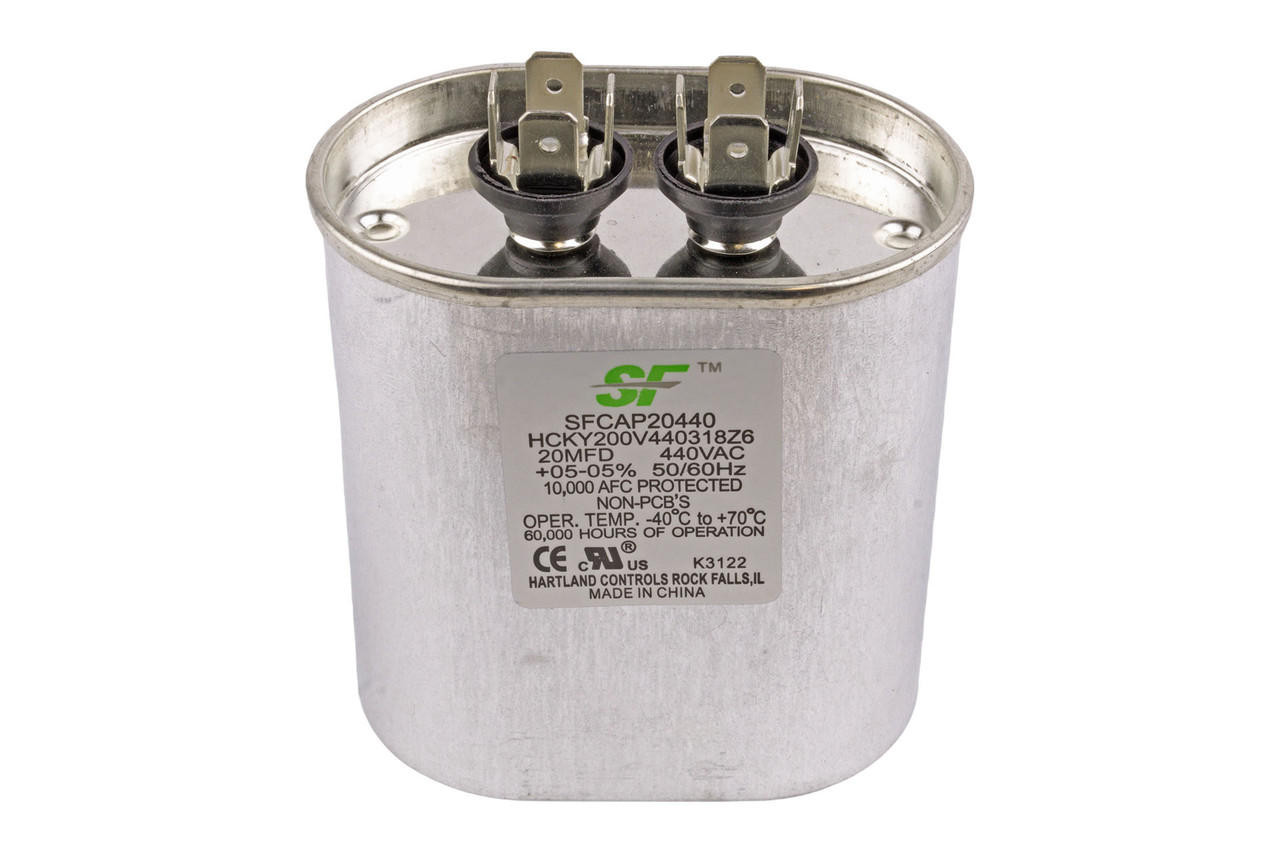
A faulty Trane furnace capacitor can leave you shivering in the winter or sweating through the summer. It's a common component that, when it fails, can cause your furnace to malfunction or stop working altogether. This guide will help you understand the role of the capacitor, diagnose potential issues, and decide whether it's a DIY fix or time to call a qualified HVAC technician. While some repairs are manageable for homeowners, remember that working with electrical systems can be dangerous, so always prioritize safety.
Understanding the Trane Furnace Capacitor
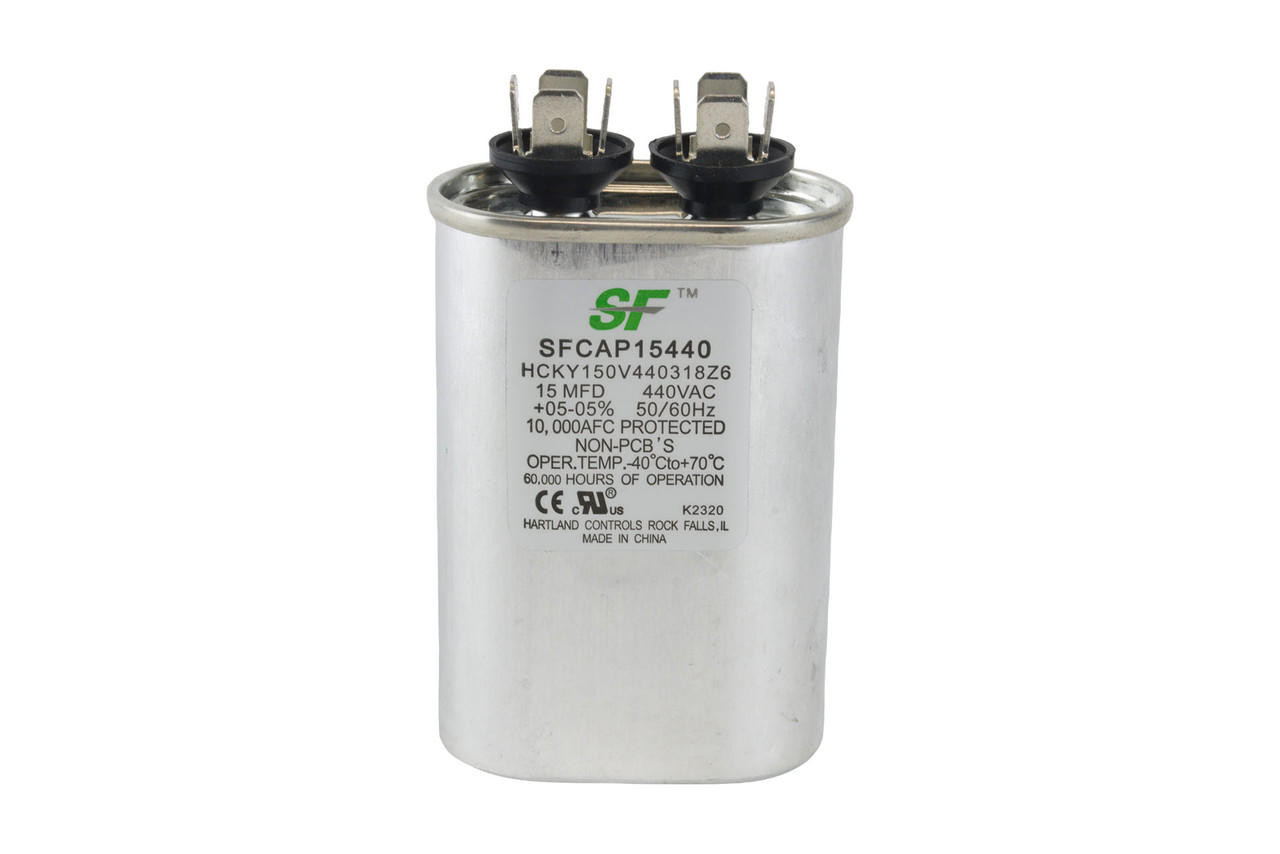
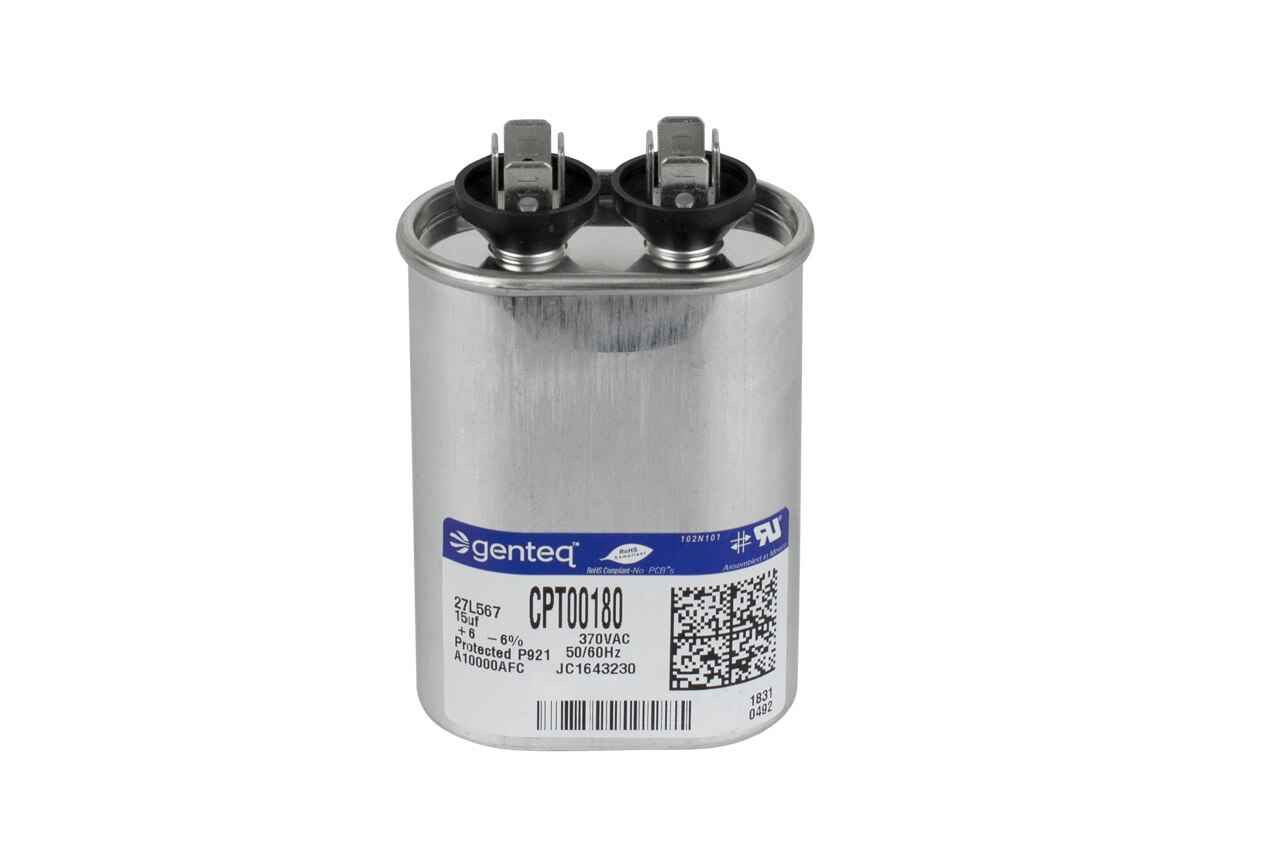
The capacitor acts like a small battery for your furnace's motors. It provides the extra jolt of electricity needed to start the blower motor (which circulates air through your home) and the inducer motor (which vents combustion gases safely). Without a functioning capacitor, these motors might struggle to start or fail entirely.
Types of Capacitors
Your Trane furnace uses one or both of the following types of capacitors:
- Start Capacitor: Provides a high-energy boost for initial motor startup. These are typically only in the circuit for a brief period.
- Run Capacitor: Provides a continuous boost to the motor while it's running, improving efficiency and performance.
It’s important to identify the correct type when replacing the capacitor.
Troubleshooting a Faulty Capacitor
Several symptoms can indicate a failing furnace capacitor:
- Humming Noise: The motor might hum but fail to start. This is a classic sign that the capacitor isn't providing enough power to overcome the motor's inertia.
- Slow Start-Up: The blower or inducer motor takes a long time to reach full speed.
- Clicking Sound: A clicking sound might come from the furnace when it attempts to start.
- Furnace Not Turning On: The furnace doesn't respond at all when you turn up the thermostat. (Be sure to check the thermostat batteries and breaker first!)
- Blower Motor Stops Intermittently: The blower motor may run for a while then stop, only to start again later.
If you notice any of these signs, it's time to investigate the capacitor.
Safety First!
Before you begin any work on your furnace, it's crucial to prioritize safety:
- Turn Off the Power: Locate the breaker for your furnace in the electrical panel and switch it off. Double-check that the furnace is off by trying to turn it on with the thermostat.
- Discharge the Capacitor: Capacitors store electrical energy, even after the power is off. Discharging it prevents a potentially dangerous shock. Use a screwdriver with an insulated handle to short across the capacitor terminals. Be very careful when doing this, and do not touch any metal parts of the screwdriver. A small spark is normal. Some people recommend using a resistor, but carefully shorting with a well-insulated screwdriver is the standard practice in the field.
- Wear Safety Glasses: Protect your eyes from any potential sparks or debris.
Warning: Working with electricity can be dangerous. If you are not comfortable with these steps, call a qualified HVAC technician.
Tools and Materials
Here's what you'll need to test and replace a Trane furnace capacitor:
- Screwdriver (Insulated Handle): For removing panels and discharging the capacitor.
- Multimeter: To test the capacitor's capacitance.
- Replacement Capacitor: Make sure it matches the voltage and capacitance (measured in microfarads - µF) of the old capacitor.
- Pliers or Wire Strippers: For disconnecting and reconnecting wires.
- Safety Glasses: To protect your eyes.
- Work Gloves: To protect your hands.
- Camera or Smartphone: To take pictures of the wiring before disconnecting anything (essential for reassembly!).
Testing the Capacitor
You'll need a multimeter that can measure capacitance to accurately test the capacitor.
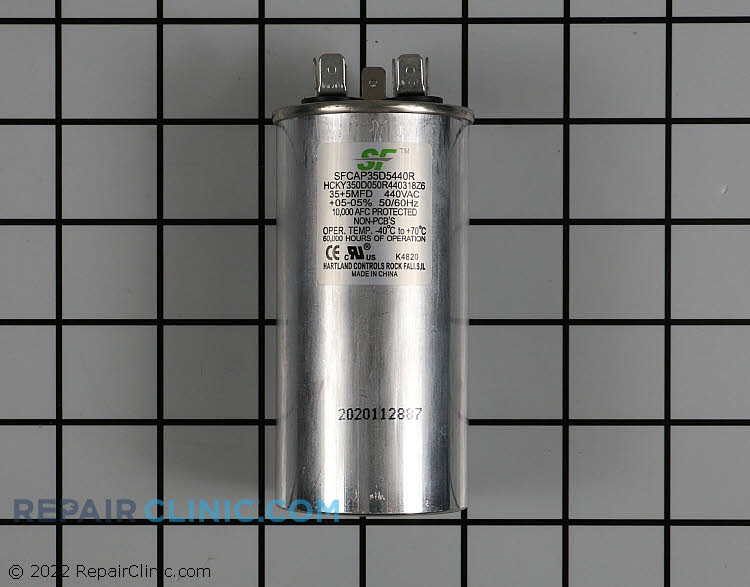
- Locate the Capacitor: Inside your furnace, usually in the blower compartment, you'll find the capacitor. It's typically a cylindrical component with wires connected to it.
- Disconnect the Wires: Carefully disconnect the wires from the capacitor terminals. Take a picture of the wiring before disconnecting anything to ensure you can reconnect them correctly.
- Set Your Multimeter: Set your multimeter to the capacitance setting (usually marked with "µF" or "F").
- Test the Capacitor: Connect the multimeter probes to the capacitor terminals. The multimeter will display the capacitance reading.
- Compare to Rating: Compare the reading to the capacitor's rated capacitance (printed on the capacitor's label). A capacitor is generally considered bad if it's more than 10% below its rated value.
Even if the capacitance reading is within the acceptable range, the capacitor could still be faulty. If you suspect a problem, consider having it tested by a professional.
Replacing the Capacitor
Once you've determined that the capacitor needs replacing, follow these steps:
- Purchase a Replacement: Find a replacement capacitor that matches the original's voltage and capacitance. These values are clearly marked on the capacitor's label. Using the wrong capacitor can damage your furnace.
- Disconnect the Old Capacitor: If you haven't already, disconnect the wires from the old capacitor. Again, take a picture first!
- Install the New Capacitor: Connect the wires to the new capacitor's terminals exactly as they were connected to the old one. Refer to the picture you took earlier.
- Secure the Capacitor: Make sure the new capacitor is securely mounted in its bracket or holder.
- Reassemble the Furnace: Replace any panels you removed to access the capacitor.
- Turn on the Power: Switch the breaker back on.
- Test the Furnace: Turn up the thermostat and observe the furnace's operation. Listen for any unusual noises and make sure the blower and inducer motors start smoothly.
Common Mistakes to Avoid
- Forgetting to Discharge the Capacitor: This is the most dangerous mistake. Always discharge the capacitor before handling it.
- Using the Wrong Capacitor: Using a capacitor with the wrong voltage or capacitance can damage your furnace.
- Incorrect Wiring: Incorrect wiring can prevent the furnace from working or even damage the components. Double-check your wiring against the picture you took.
- Over-Tightening Connections: Over-tightening the screw terminals can damage them. Tighten them snugly, but not excessively.
When to Call a Professional
While replacing a capacitor is a relatively straightforward repair, there are times when it's best to call a qualified HVAC technician:
- You're Not Comfortable Working with Electricity: If you're unsure about any of the steps involved, don't risk it.
- The Problem Persists After Replacing the Capacitor: If the furnace still doesn't work after replacing the capacitor, there may be other underlying issues.
- You Suspect a More Complex Problem: If you notice any burning smells, smoke, or other signs of serious malfunction, call a professional immediately.
- Your Furnace is Under Warranty: Repairing it yourself might void the warranty. Check your warranty terms before attempting any repairs.
- You are Dealing with a High Voltage Capacitor: Some Trane furnace models, especially older units, may use capacitors that operate at higher voltages. These repairs are best left to trained professionals.
Cost of Professional Repair
The cost to have a professional replace a Trane furnace capacitor can vary depending on several factors, including your location, the technician's hourly rate, and the type of capacitor needed. Generally, you can expect to pay between $150 and $400 for this type of repair. This includes the cost of the capacitor (typically $20-$50) and the technician's labor.
Preventive Maintenance
Regular maintenance can help prevent capacitor failure and extend the life of your furnace. Consider these tips:
- Schedule Annual Furnace Inspections: A qualified HVAC technician can identify potential problems early on, including signs of capacitor wear.
- Keep Your Furnace Clean: Dust and debris can cause the furnace to overheat, which can shorten the life of the capacitor.
- Replace Air Filters Regularly: Clogged air filters restrict airflow, putting extra strain on the blower motor and capacitor.
By understanding the role of the Trane furnace capacitor, knowing how to troubleshoot common issues, and following proper safety precautions, you can keep your furnace running smoothly and efficiently. However, remember that safety is paramount, and when in doubt, always call a qualified HVAC technician.