Trane Reset Button Location

Understanding your Trane HVAC system is key to maintaining a comfortable home environment. While regular maintenance is crucial, sometimes a simple reset can resolve minor issues. This guide will walk you through the process of locating and using the reset button on various Trane units. Remember, if you're uncomfortable with any of these steps, it's always best to consult a qualified HVAC technician.
Why Would You Need to Reset a Trane Unit?
Before we dive into the "where," let's discuss the "why." Your Trane air conditioner, heat pump, or furnace is a complex piece of machinery. Like any electronic device, it can sometimes experience glitches. A reset acts like a "reboot" for the system's internal computer, potentially clearing minor errors that may be causing problems.
Common scenarios that might warrant a reset include:
- System malfunctions: The unit isn't turning on, is cycling on and off rapidly (short cycling), or isn't producing the desired temperature.
- Error codes: The control panel displays an error code, indicating a specific problem.
- After a power outage: A surge or interruption in power can sometimes scramble the system's electronics.
- Following minor repairs: After replacing a filter or cleaning components, a reset can ensure the system registers the changes.
Important Note: A reset is not a fix-all solution. If the problem persists after a reset, or if you suspect a more serious issue, contact a qualified HVAC technician. Ignoring underlying problems can lead to further damage and costly repairs. Think of a reset as restarting your computer; it fixes minor software glitches but won't fix a broken hard drive.
Where to Find the Reset Button on Your Trane Unit
Unfortunately, there's no single, universally located "reset button" on all Trane HVAC units. The location varies depending on the type of unit (air conditioner, heat pump, furnace) and the specific model. However, we can break down the most likely places to look.
1. Trane Air Conditioners (Outdoor Unit - Condenser)
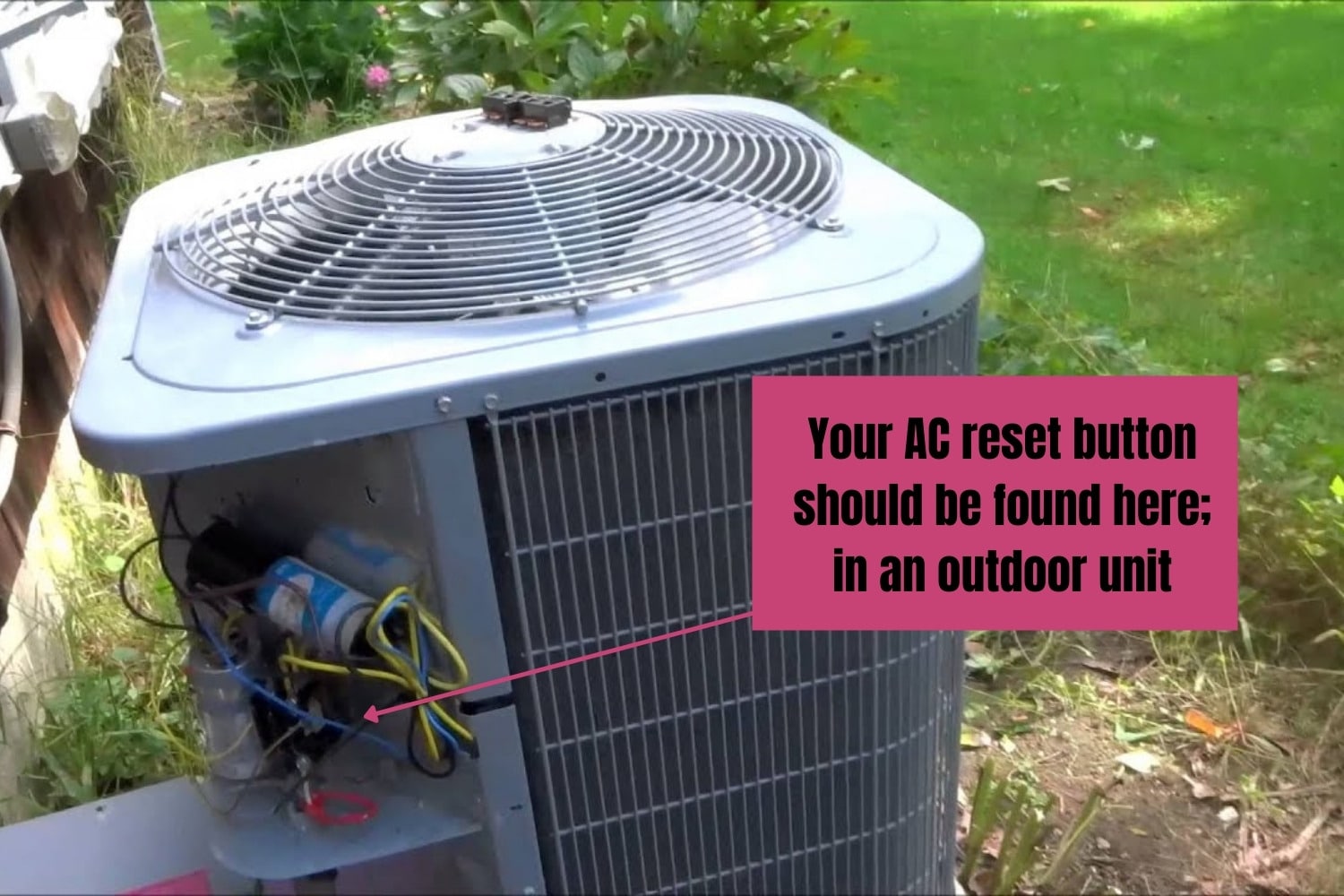
For Trane air conditioners, the outdoor unit, often called the condenser, is where you'll most likely find any reset options. The term "reset button" might be misleading here; you're more likely to find a breaker switch or a disconnect switch that can serve the same purpose.
a. The Disconnect Switch: Look for a small, weatherproof box mounted on the wall near the outdoor unit. This box usually contains a simple on/off switch or a pull-out handle. This is the main power disconnect for the unit. To reset, turn the switch to the "off" position or pull out the handle, wait a few minutes (5-10 minutes is recommended), and then turn the switch back to the "on" position or reinsert the handle.
Safety First! Before touching the disconnect switch, ensure your hands are dry and that you are standing on a dry surface. Electricity and water don't mix!
b. The Breaker in the Electrical Panel: Locate your home's electrical panel. Inside, find the breaker labeled "Air Conditioner" or "AC." Turn this breaker to the "off" position, wait 5-10 minutes, and then turn it back to the "on" position. This is another way to cut power to the unit and effectively reset it.
c. The Control Panel (Less Common): Some newer Trane air conditioner models might have a control panel accessible by removing a service panel on the unit. Inside, you *might* find a button labeled "Reset" or a similar term. However, this is less common than the disconnect switch or breaker method.
2. Trane Heat Pumps (Outdoor and Indoor Units)
Heat pumps, which can both heat and cool your home, often have both an outdoor unit (like an air conditioner) and an indoor unit (usually a furnace or air handler). Therefore, you might need to check both locations.
a. Outdoor Unit (Same as Air Conditioner): Follow the same steps as described for Trane air conditioners: check for a disconnect switch near the unit and/or the breaker in your electrical panel.
b. Indoor Unit (Furnace or Air Handler): The indoor unit might have a reset button located on the control board. To access this, you'll typically need to remove an access panel. Look for a small, red or black button labeled "Reset." Press and hold this button for a few seconds (around 5 seconds) to initiate a reset.
Caution: Working with the internal components of your furnace or air handler can be dangerous. If you are not comfortable working with electrical components, it's best to call a qualified HVAC technician.
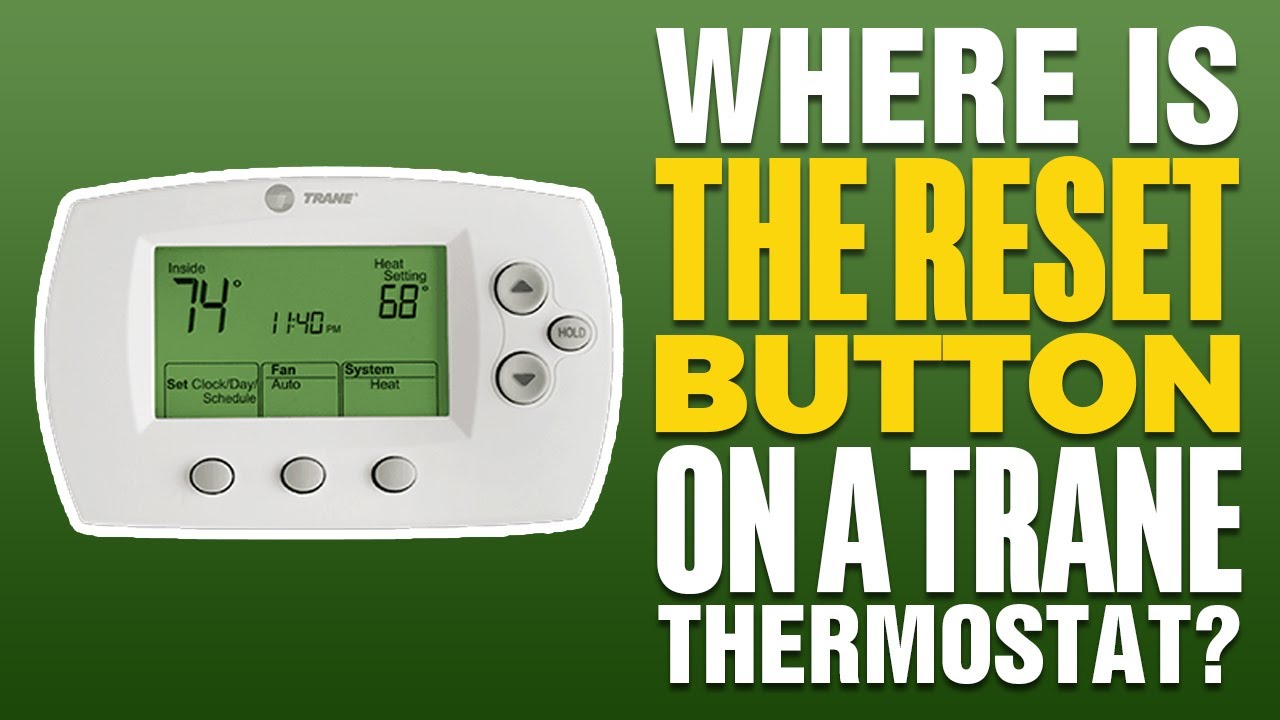
c. Thermostat: Some advanced thermostats can also act as a reset point for the entire system. Consult your thermostat's manual for instructions on how to perform a system reset. This is usually found in the settings menu.
3. Trane Furnaces (Indoor Unit)
For Trane furnaces, the reset button is almost always located on the control board inside the unit. You'll need to remove an access panel to reach it.
a. Locating the Control Board: Typically, the control board is housed in a compartment separate from the blower motor. Look for a metal panel that can be removed with screws or clips. The control board is a circuit board with various wires and components connected to it. Be very careful not to touch any wires or components while the power is on.
b. The Reset Button: On the control board, you should find a small, red or black button labeled "Reset" or something similar. Press and hold this button for a few seconds (around 5 seconds) to reset the furnace.
c. Flame Rollout Switch: In some cases, the furnace might have a flame rollout switch that has tripped. This is a safety device that shuts down the furnace if flames are detected outside the combustion chamber. If this switch has tripped, you'll need to manually reset it. It's usually a small button located near the burners. However, if the flame rollout switch is tripping frequently, it indicates a serious problem that needs to be addressed by a qualified HVAC technician.
General Tips and Precautions
- Turn off the power! Before attempting any reset procedure, always turn off the power to the unit at the disconnect switch or breaker.
- Read the Manual: Your Trane unit's manual is your best resource for specific instructions and safety information. If you don't have the manual, you can often find it online by searching for the model number of your unit.
- Wait Before Restarting: After turning off the power, wait at least 5-10 minutes before turning it back on. This allows the system to fully discharge any residual electricity.
- Document Error Codes: If your unit is displaying an error code, write it down before resetting the system. This information can be helpful for a technician if the problem persists.
- Don't Force Anything: If you encounter resistance or are unsure about any step, stop and consult a qualified HVAC technician.
- Refrigerant is Dangerous: Never attempt to work on the refrigerant lines of your air conditioner or heat pump. Refrigerant is a hazardous substance that can cause serious injury. Think of refrigerant as the 'blood' of your AC system, carrying heat from inside to outside, and just like a doctor handles blood, a professional should handle refrigerant.
When to Call a Professional
While a reset can resolve minor issues, it's essential to know when to call in a professional HVAC technician. Here are some situations where a reset won't be enough:
- Recurring Problems: If the same problem keeps occurring, even after resetting the system, there's likely an underlying issue that needs to be addressed.
- Unusual Noises: Loud banging, grinding, or hissing noises are often signs of mechanical problems.
- Refrigerant Leaks: If you suspect a refrigerant leak (e.g., ice forming on the refrigerant lines), turn off the unit immediately and call a technician.
- Electrical Issues: If you smell burning electrical components or see sparks, turn off the power and call an electrician or HVAC technician.
- Lack of Maintenance: If your system hasn't been serviced in a long time, it's a good idea to schedule a maintenance appointment. Regular maintenance can prevent many problems from occurring in the first place.
Troubleshooting Beyond the Reset Button
Sometimes, the problem isn't a system glitch, but rather a simple fix. Before resorting to a reset, consider these common troubleshooting steps:
- Check the Thermostat: Make sure the thermostat is set to the correct mode (heat or cool) and temperature. Also, ensure the batteries are fresh.
- Replace the Air Filter: A dirty air filter can restrict airflow and cause the system to malfunction. Replace the filter regularly (usually every 1-3 months).
- Clear Obstructions: Make sure the outdoor unit is free of debris, such as leaves, branches, and snow.
- Check the Condensate Drain: A clogged condensate drain can cause water damage and system shutdowns. Clean the drain line regularly.
By understanding the potential issues, location and purpose of the reset button, you'll be better prepared to keep your Trane system operating smoothly. Remember, when in doubt, it is best to seek help from a qualified professional. Maintaining your Trane unit properly extends its lifespan and helps it run more efficiently. Good luck!