Trane Self Contained Units
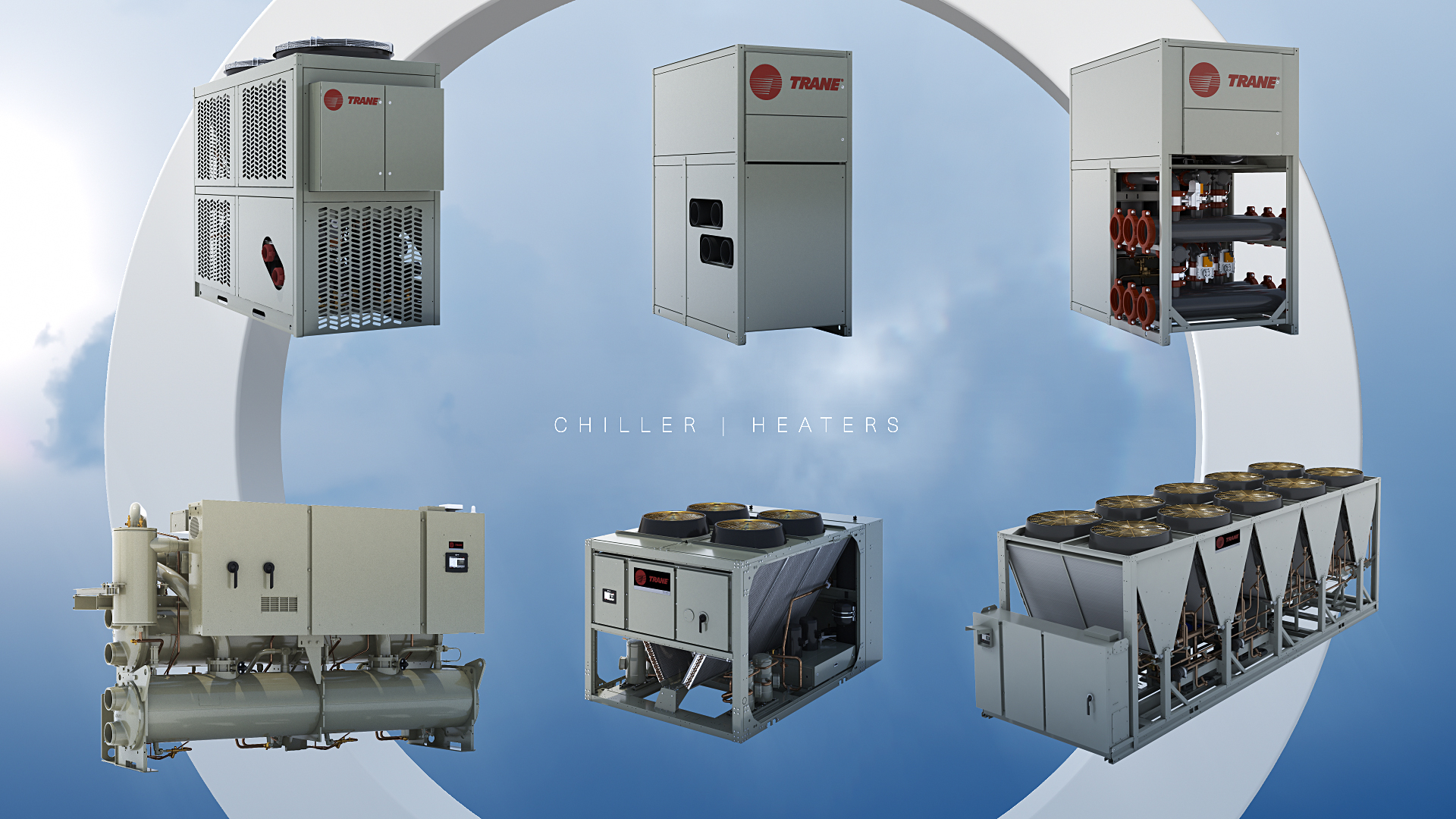
Frequently Asked Questions About Trane Self-Contained Units
Welcome! This article addresses common questions about Trane self-contained units. Whether you're a homeowner considering one for a large space or a facility manager responsible for maintaining existing units, you'll find clear and concise answers here.
Question 1: What exactly is a Trane self-contained unit, and where are they typically used?
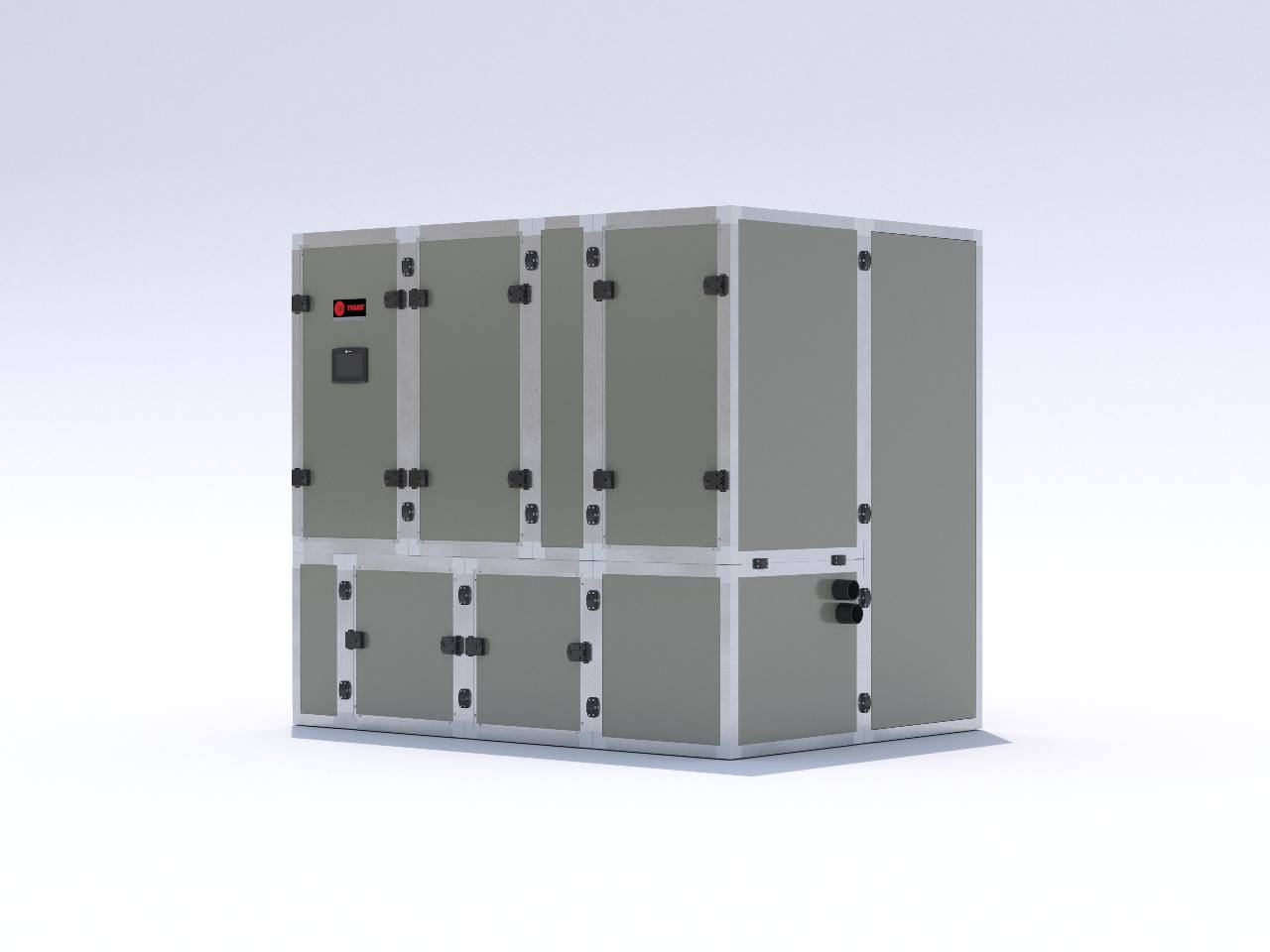
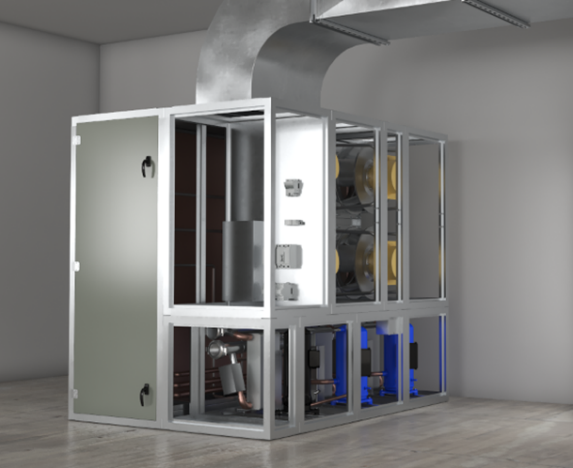
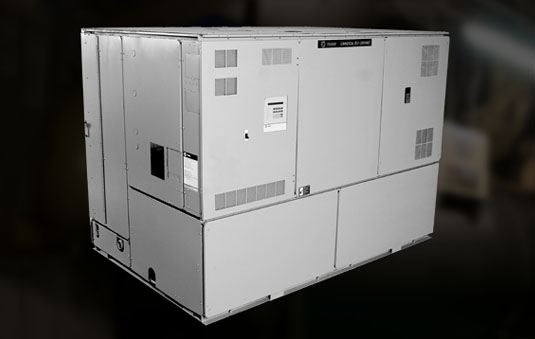
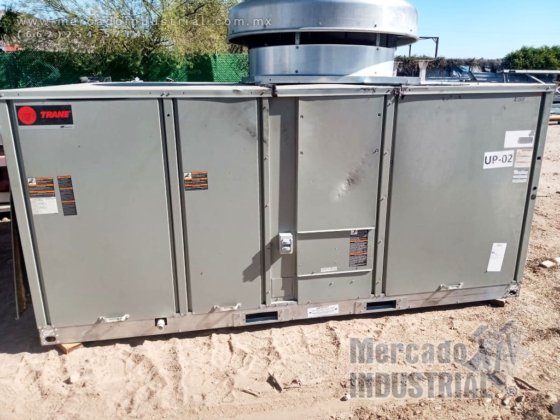
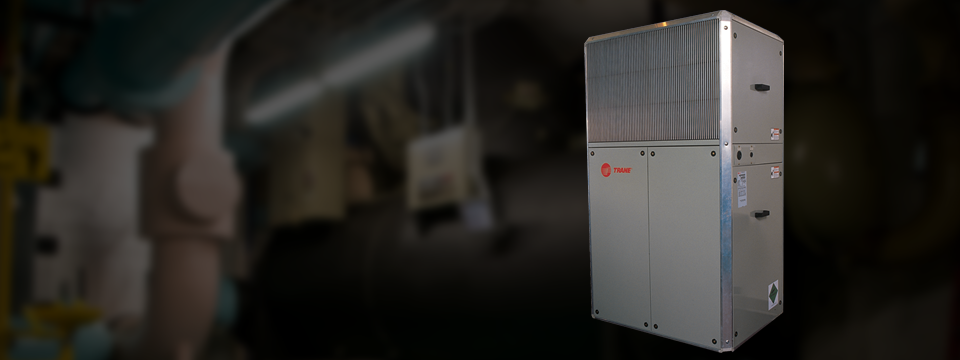
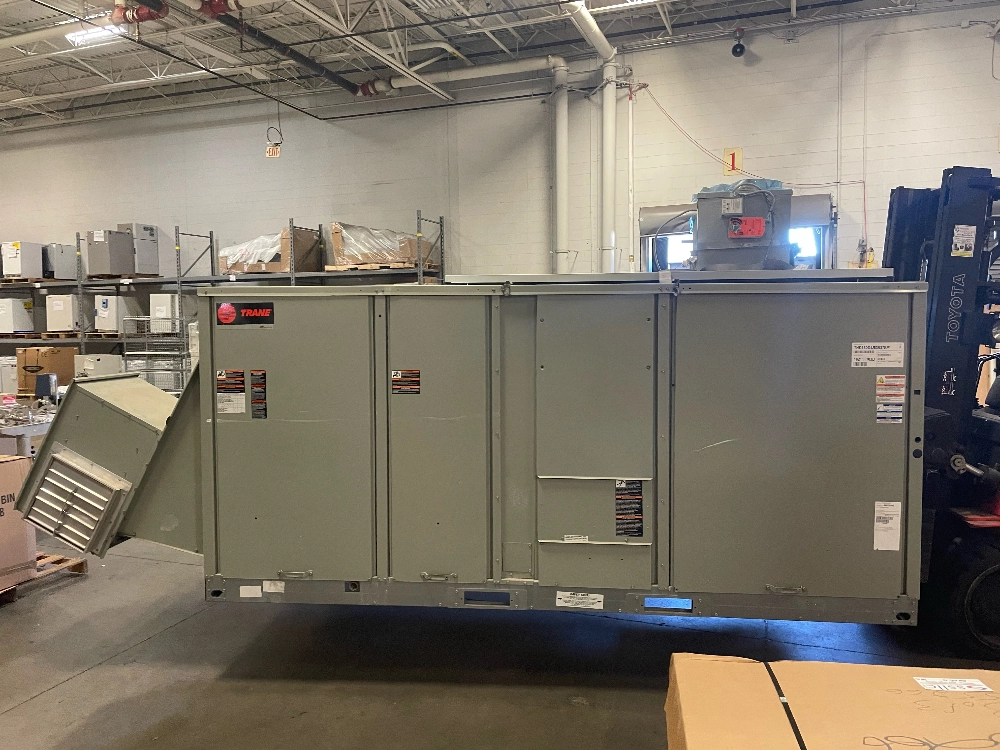
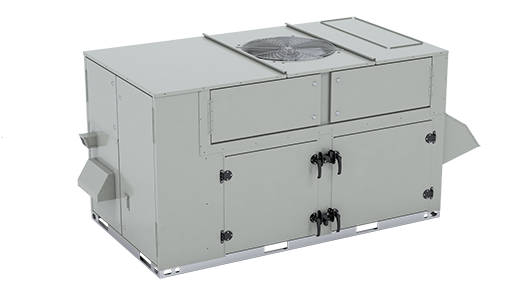
A Trane self-contained unit, also known as a packaged unit, is an all-in-one heating and cooling system. Unlike split systems where the components are separated (indoor air handler and outdoor condenser), everything – the compressor, condenser, evaporator coil, blower fan, and controls – is housed in a single cabinet. This makes installation simpler and often more cost-effective.
Typical applications include:
- Commercial buildings: Retail stores, offices, restaurants, and schools often use them because they offer efficient climate control for large areas.
- Residential applications: Larger homes, additions, or converted spaces (like garages into living areas) can benefit from the powerful heating and cooling capacity of these units.
- Industrial settings: Warehouses, factories, and manufacturing facilities can use them for zone-specific climate control or for supplementing existing HVAC systems.
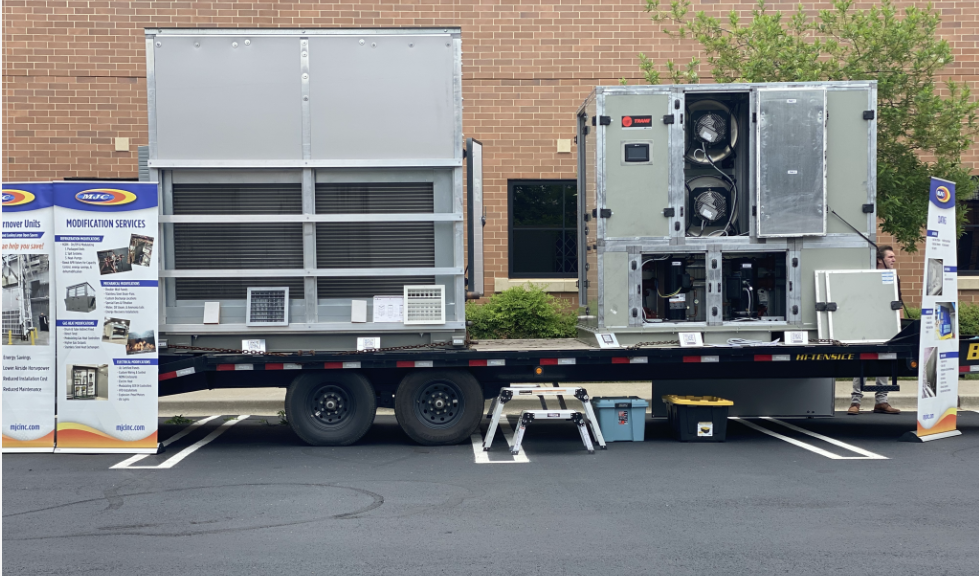
- Temporary or portable applications: Construction sites, event spaces, or disaster relief efforts sometimes use self-contained units for temporary heating and cooling.
The key advantage is their self-sufficiency – they require only electrical power and ductwork connections to function.
Question 2: What are the main advantages of choosing a Trane self-contained unit over other HVAC systems like split systems?
Trane self-contained units offer several advantages, making them a compelling choice in specific situations:
- Simplified Installation: Because all components are pre-assembled and wired at the factory, installation is generally faster and less expensive than installing a comparable split system. Less on-site labor is required.
- Lower Upfront Costs: In many cases, the initial cost of a self-contained unit can be lower than a comparable split system, particularly when considering installation expenses.
- Easier Maintenance: Access to all components is centralized within the single cabinet, making maintenance and repairs more straightforward. Technicians can easily inspect and service all parts in one location.
- Space Saving: With all components in one unit, they can be placed on the roof, on a slab, or tucked away, freeing up interior space. This is particularly valuable in commercial settings.
- Factory Tested: Trane self-contained units are rigorously tested at the factory before shipment, ensuring they meet stringent performance standards and reducing the likelihood of initial problems.
However, it's important to consider that self-contained units can be noisier than split systems because the compressor and fan are located outside the conditioned space. Also, if one component fails, the entire unit is offline, whereas a split system might allow for partial operation.
Question 3: What size Trane self-contained unit do I need for my space? How is sizing determined?
Proper sizing is crucial for optimal performance and energy efficiency. An undersized unit will struggle to heat or cool the space adequately, while an oversized unit will cycle on and off frequently, leading to inefficient operation, poor dehumidification, and potentially higher energy bills.
Sizing is typically determined using a Manual J load calculation. This calculation takes into account several factors:
- Square footage of the space: The larger the space, the more heating and cooling capacity is needed.
- Climate: Temperature extremes in your region will influence the required heating and cooling capacity.
- Insulation levels: Well-insulated spaces require less heating and cooling.
- Window size and type: Windows contribute to heat gain in the summer and heat loss in the winter.
- Building orientation: The direction your building faces affects solar heat gain.
- Number of occupants: More people generate more heat.
- Lighting and appliance load: Heat generated by lighting and appliances contributes to the overall load.
- Air infiltration: Drafts and leaks allow conditioned air to escape and unconditioned air to enter.
It's highly recommended to have a qualified HVAC professional perform a Manual J load calculation to accurately determine the appropriate size for your Trane self-contained unit. They will consider all relevant factors and ensure that the unit you choose provides adequate heating and cooling without being oversized. Don't rely solely on square footage alone; that's an oversimplification.
Question 4: What are the typical maintenance requirements for a Trane self-contained unit, and how often should maintenance be performed?
Regular maintenance is essential to keep your Trane self-contained unit running efficiently and to extend its lifespan. Neglecting maintenance can lead to decreased performance, increased energy bills, and costly repairs.
Typical maintenance tasks include:
- Air Filter Replacement: This is the most important and frequently required maintenance task. Replace the air filter every 1-3 months, depending on the type of filter and the air quality in your environment. Dirty filters restrict airflow, reducing efficiency and potentially damaging the unit.
- Coil Cleaning: The condenser and evaporator coils should be cleaned regularly to remove dirt and debris. Dirty coils reduce heat transfer efficiency. This is typically done annually or bi-annually.
- Fan Blade Inspection and Cleaning: Inspect fan blades for damage and clean them to ensure proper airflow.
- Drain Line Cleaning: The condensate drain line can become clogged with algae and debris, leading to water leaks and potential damage. Clean the drain line regularly, typically annually.
- Electrical Connection Inspection: Check all electrical connections to ensure they are tight and secure. Loose connections can cause overheating and potential fire hazards.
- Refrigerant Level Check: Refrigerant levels should be checked periodically by a qualified technician. Low refrigerant levels indicate a leak, which needs to be repaired.
- Blower Motor Lubrication: Some blower motors require lubrication. Refer to the manufacturer's instructions.
- System Performance Check: A qualified technician should perform a comprehensive system performance check annually to identify any potential problems.
Frequency of Maintenance:
- Residential: At least annual maintenance is recommended.
- Commercial: Bi-annual or quarterly maintenance may be necessary, depending on the operating conditions and the manufacturer's recommendations. High-traffic areas or environments with dusty or polluted air may require more frequent maintenance.
It's highly recommended to schedule regular maintenance with a qualified HVAC technician. They have the expertise and equipment to properly inspect and service your Trane self-contained unit.
Question 5: What are some common problems that can occur with Trane self-contained units, and how can I troubleshoot them?
While Trane self-contained units are generally reliable, like any mechanical equipment, they can experience problems. Here are some common issues and basic troubleshooting steps:
- Unit Not Turning On:
- Check the power supply: Ensure the unit is receiving power. Check the circuit breaker and any disconnect switches.
- Check the thermostat: Make sure the thermostat is set to the correct mode (heating or cooling) and temperature.
- Check the emergency shut-off switch: Ensure the emergency shut-off switch is not activated.
- Check the control board: Some units have diagnostic lights on the control board that can indicate the problem.
- Insufficient Heating or Cooling:
- Check the air filter: A dirty air filter is the most common cause of insufficient heating or cooling.
- Check the coils: Dirty coils can reduce heat transfer efficiency.
- Check the refrigerant level: Low refrigerant levels indicate a leak.
- Check the ductwork: Leaks in the ductwork can cause significant energy losses.
- Unusual Noises:
- Rattling: Loose components or debris in the blower fan.
- Squealing: Worn belt (if applicable) or motor bearings.
- Humming: Electrical issue or compressor problem.
- Water Leaks:
- Clogged condensate drain line: This is the most common cause of water leaks.
- Damaged drain pan: Inspect the drain pan for cracks or holes.
- Short Cycling (Unit Turning On and Off Frequently):
- Oversized unit: The unit may be too large for the space.
- Dirty air filter: Restricted airflow can cause the unit to overheat and shut down.
- Refrigerant issues: Overcharged or undercharged refrigerant can cause short cycling.
Important Note: Many of these issues require specialized knowledge and equipment to diagnose and repair. Do not attempt repairs that you are not qualified to perform. Contact a qualified HVAC technician for assistance.
Question 6: How can I improve the energy efficiency of my Trane self-contained unit?
Maximizing the energy efficiency of your Trane self-contained unit can save you money on your utility bills and reduce your environmental impact.
Here are some tips:
- Regular Filter Changes: A clean air filter is essential for efficient operation.
- Proper Insulation: Ensure your building is properly insulated to minimize heat loss in the winter and heat gain in the summer.
- Seal Ductwork: Leaky ductwork can waste a significant amount of energy. Seal any leaks with duct sealant.
- Programmable Thermostat: Use a programmable thermostat to automatically adjust the temperature when you are away or asleep.
- Regular Maintenance: Schedule regular maintenance with a qualified HVAC technician to ensure that your unit is running efficiently.
- Consider a Smart Thermostat: These thermostats learn your habits and automatically adjust the temperature for optimal energy savings.
- Use Ceiling Fans: Ceiling fans can help circulate air, making your heating and cooling system more effective.
- Shade Windows: Use blinds, curtains, or awnings to shade windows from direct sunlight, reducing heat gain in the summer.
- Upgrade to a Higher Efficiency Unit: When it's time to replace your unit, consider upgrading to a model with a higher Seasonal Energy Efficiency Ratio (SEER) for cooling and a higher Heating Seasonal Performance Factor (HSPF) for heating. Look for the Energy Star label.
Question 7: What is the typical lifespan of a Trane self-contained unit, and what factors can affect it?
The typical lifespan of a Trane self-contained unit is 15-20 years with proper maintenance. However, several factors can affect its longevity:
- Quality of Installation: A properly installed unit will last longer than one that is poorly installed.
- Regular Maintenance: Regular maintenance is crucial for extending the lifespan of your unit.
- Operating Conditions: Units that operate in harsh environments (e.g., dusty, corrosive) may have a shorter lifespan.
- Usage: Units that are used frequently may wear out sooner than those that are used less often.
- Quality of Components: Trane units are known for their quality components, but even the best components can eventually fail.
- Climate: Extreme temperatures can put stress on the unit, potentially shortening its lifespan.
- Voltage Fluctuations: Inconsistent voltage can damage electrical components and reduce the unit's lifespan.
By following proper maintenance practices and addressing any issues promptly, you can help ensure that your Trane self-contained unit lasts for many years.
Disclaimer: This information is intended for general guidance only and should not be considered a substitute for professional advice. Always consult with a qualified HVAC technician for specific recommendations regarding your Trane self-contained unit.