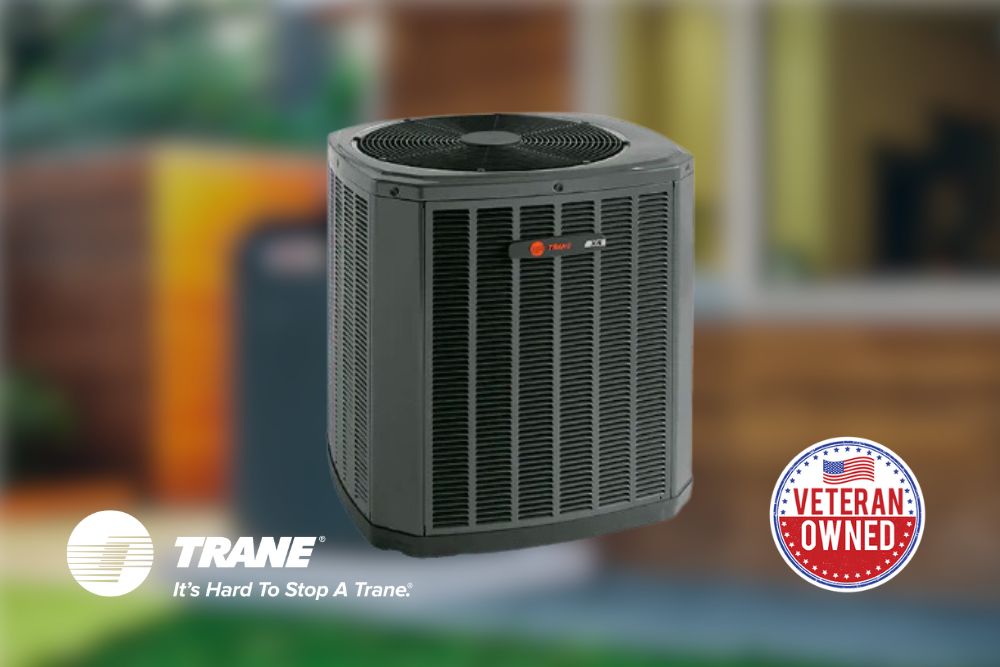
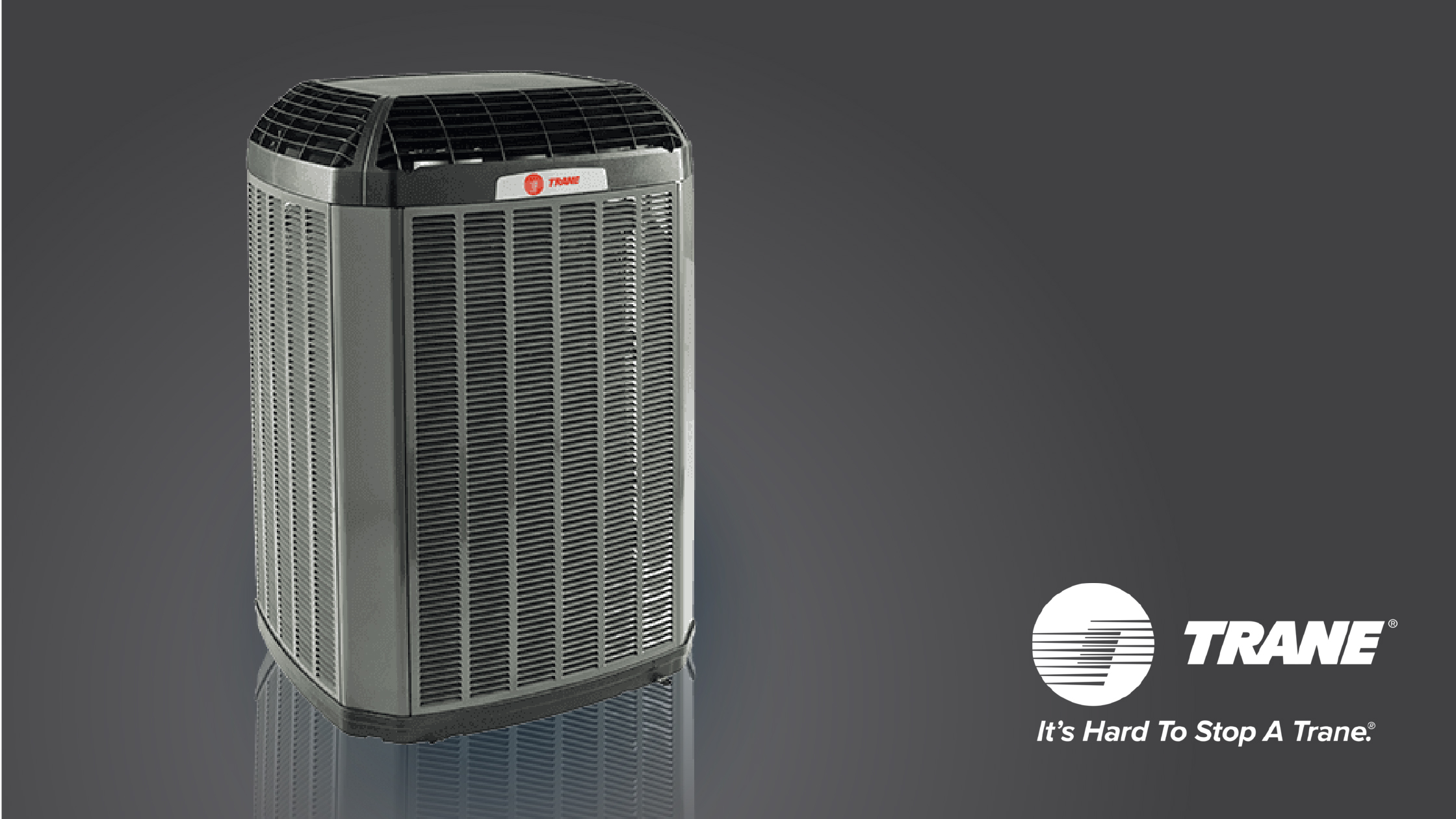
Trane Xl 1400 Heat Pump

Your Trane XL1400 heat pump is designed to provide efficient heating and cooling, but like any mechanical system, it can sometimes encounter problems. A common issue homeowners face is the heat pump blowing cold air when it's supposed to be heating. This can be frustrating, especially during colder months. Before you call a technician, let's go through a methodical troubleshooting process to see if we can identify and resolve the problem.
Initial Checks: The Obvious Things First
Before diving into more complex diagnostics, let's cover the basics. These steps might seem simple, but they often resolve the issue quickly.
1. Thermostat Settings
This might sound obvious, but double-check your thermostat. Ensure it's set to HEAT mode and that the set temperature is at least a few degrees higher than the current room temperature. Sometimes, someone might accidentally change the settings.
Is the thermostat set to "emergency heat" or "auxiliary heat"? If so, your heat pump is not operating in its most efficient mode and may be masking another underlying issue. Try switching it back to regular heat.
2. Air Filter Condition
A dirty air filter is a common culprit behind many HVAC problems. A clogged filter restricts airflow, which can cause the heat pump to overheat, freeze up, and ultimately blow cold air. Locate your air filter (usually near the indoor unit or in a return air vent) and inspect it.
DIY Fix: If the filter is dirty, replace it with a new one of the correct size and MERV rating (check your owner's manual for specifications). A clean air filter improves airflow and can often resolve minor heating issues.
Tip: Check your air filter monthly and replace it as needed, typically every 1-3 months depending on usage and air quality.
3. Outdoor Unit Obstructions
Inspect the outdoor unit (the heat pump itself). Make sure it's free from obstructions such as snow, ice, leaves, or debris. These obstructions can restrict airflow and cause the system to malfunction.
DIY Fix: Carefully remove any obstructions around the unit. If the unit is covered in snow or ice, you can gently melt it with warm (not hot) water. Never use sharp objects to chip away ice, as this could damage the unit's delicate components.
Warning: Before working on the outdoor unit, turn off the power to the heat pump at the circuit breaker to avoid electrical shock.
Advanced Diagnostics: Getting a Little Deeper
If the initial checks didn't solve the problem, we need to investigate further. These steps require a bit more attention and careful observation.
4. Check the Outdoor Unit for Ice Buildup
Heat pumps can sometimes accumulate ice on the outdoor coils, especially in cold weather. This is normal during the defrost cycle, but excessive ice buildup can indicate a problem.
Observation: Is there a thin layer of frost or a thick accumulation of ice covering the coils? If it's a thin layer, the unit might be in defrost mode, which is normal. Defrost cycles typically last a few minutes and the unit may temporarily blow cooler air during this time.
DIY Fix (if moderate ice): If the ice buildup is excessive and doesn't seem to be melting on its own, try running the system in "emergency heat" mode for a few hours. This will bypass the heat pump and rely solely on the auxiliary heating elements, allowing the outdoor unit to defrost. After a few hours, switch back to regular heat and see if the problem is resolved.
Professional Intervention Required: If the ice buildup is extreme, persistent, and doesn't clear after running in emergency heat, there might be a more serious issue, such as a defrost cycle malfunction, a refrigerant leak, or a faulty reversing valve. These problems require a qualified HVAC technician to diagnose and repair.
5. Listen for Unusual Noises
Pay attention to any unusual noises coming from the indoor or outdoor unit. Banging, grinding, hissing, or rattling sounds can indicate mechanical problems. Note when you hear the noises (starting up, running continuously, shutting down) as this can help a technician diagnose the problem.
Observation: Carefully listen to both the indoor and outdoor units. Try to pinpoint the source of the noise. A buzzing sound might indicate an electrical issue; a rattling sound might indicate loose parts.
Professional Intervention Required: Any unusual noises coming from your heat pump, especially if they are loud or persistent, should be investigated by a professional. Ignoring these noises can lead to further damage and more costly repairs. Never attempt to disassemble or repair the unit yourself if you are not a qualified technician.
6. Inspect the Ductwork
Check your ductwork for any obvious leaks or damage. Leaky ductwork can allow conditioned air to escape, reducing the efficiency of your system and potentially causing it to blow cold air.
DIY Fix (Minor Leaks): If you find small leaks in accessible areas of your ductwork (e.g., around joints or seams), you can try sealing them with duct tape or mastic sealant. Make sure the surfaces are clean and dry before applying the sealant.
Professional Intervention Required: If you find significant damage to your ductwork or if the leaks are in inaccessible areas (e.g., behind walls or in crawl spaces), it's best to consult with a professional HVAC technician. They have the tools and expertise to properly seal or repair your ductwork.
7. Breaker Panel Check
Go to your electrical breaker panel and check the breaker for the heat pump. Make sure the breaker has not tripped. Even if it *looks* like it's on, flip it fully off, then back on. This can reset it fully.
DIY Fix If the breaker tripped, reset it. Note if it trips again quickly, this is a sign of an electrical problem that needs professional attention.
Professional Intervention Required: If the breaker trips repeatedly, there is likely an electrical short or overload, and you should contact a qualified electrician or HVAC technician immediately. Do not repeatedly reset the breaker, as this could create a fire hazard.
Understanding Auxiliary Heat
Many heat pumps, including the Trane XL1400, have an auxiliary heat system (also known as emergency heat). This is typically an electric resistance heater that kicks in when the heat pump can't keep up with the heating demand, such as during extremely cold weather or during defrost cycles.
Troubleshooting Auxiliary Heat: If your heat pump is consistently running on auxiliary heat, it might indicate a problem with the heat pump itself. This could be due to a refrigerant leak, a faulty compressor, or a malfunctioning reversing valve. These issues require professional attention.
When to Call a Professional
While these DIY troubleshooting steps can help you identify and resolve some common problems with your Trane XL1400 heat pump, there are certain situations where professional intervention is necessary. Ignoring serious issues can lead to further damage and more costly repairs. Here's a summary of when to call a professional:
- Refrigerant Leaks: Refrigerant is essential for the heat pump to transfer heat. If you suspect a refrigerant leak (e.g., poor heating performance, ice buildup on the coils, hissing sound), contact a professional immediately. Handling refrigerant requires specialized equipment and knowledge.
- Compressor Problems: The compressor is the heart of the heat pump. If you suspect a compressor issue (e.g., loud noises, no heating or cooling), contact a professional. Compressor repairs are complex and require specialized tools and expertise.
- Reversing Valve Issues: The reversing valve switches the flow of refrigerant to provide heating or cooling. If you suspect a reversing valve problem (e.g., heat pump only works in one mode, no heating or cooling), contact a professional.
- Electrical Problems: If you suspect an electrical problem (e.g., tripped breakers, burning smells, sparks), contact a qualified electrician or HVAC technician immediately.
- Persistent Problems: If you've tried the DIY troubleshooting steps and the problem persists, it's time to call a professional. Continuing to run a malfunctioning heat pump can lead to further damage.
- Unusual Noises: As mentioned above, any unusual or loud noises coming from the heat pump should be investigated by a professional.
- If you are uncomfortable with any of the steps above do not attempt it. It is always best to call a professional than to cause damage or hurt yourself.
By following these troubleshooting steps and knowing when to call a professional, you can keep your Trane XL1400 heat pump running efficiently and effectively for years to come.
Finding a Qualified Technician
When it's time to call a professional, it's important to choose a qualified and reputable HVAC technician. Here are some tips for finding the right person for the job:
- Ask for Recommendations: Ask friends, family, or neighbors for recommendations.
- Check Online Reviews: Read online reviews on websites like Google, Yelp, and Angie's List.
- Verify Licensing and Insurance: Make sure the technician is licensed and insured.
- Get Multiple Quotes: Get quotes from multiple technicians before making a decision.
- Ask About Experience: Ask about the technician's experience with Trane heat pumps, specifically the XL1400 model.
- Check for Certifications: Look for technicians who are certified by organizations like NATE (North American Technician Excellence).
By taking the time to find a qualified technician, you can ensure that your Trane XL1400 heat pump is repaired correctly and efficiently.