Trane Xr16 Low Profile

In the dynamic world of HVAC (Heating, Ventilation, and Air Conditioning), staying abreast of the latest equipment and technologies is crucial for career advancement and business success. The Trane XR16 Low Profile air conditioner represents a significant advancement in residential cooling solutions, and understanding its features, benefits, and applications is valuable for HVAC professionals and employers alike. This article provides a comprehensive overview of the Trane XR16 Low Profile, its impact on the HVAC industry, and its relevance to career paths within the field.
Understanding the Trane XR16 Low Profile
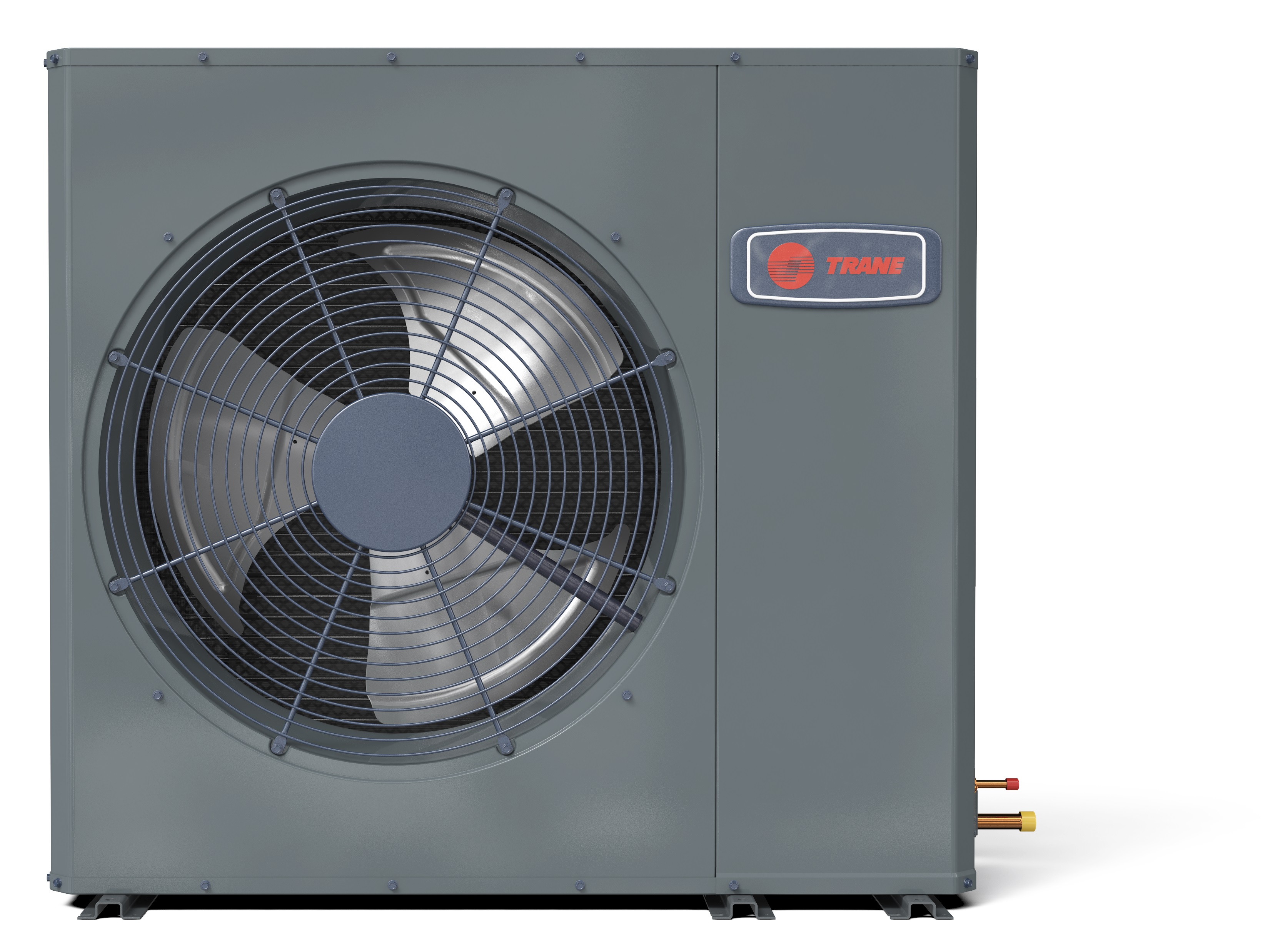
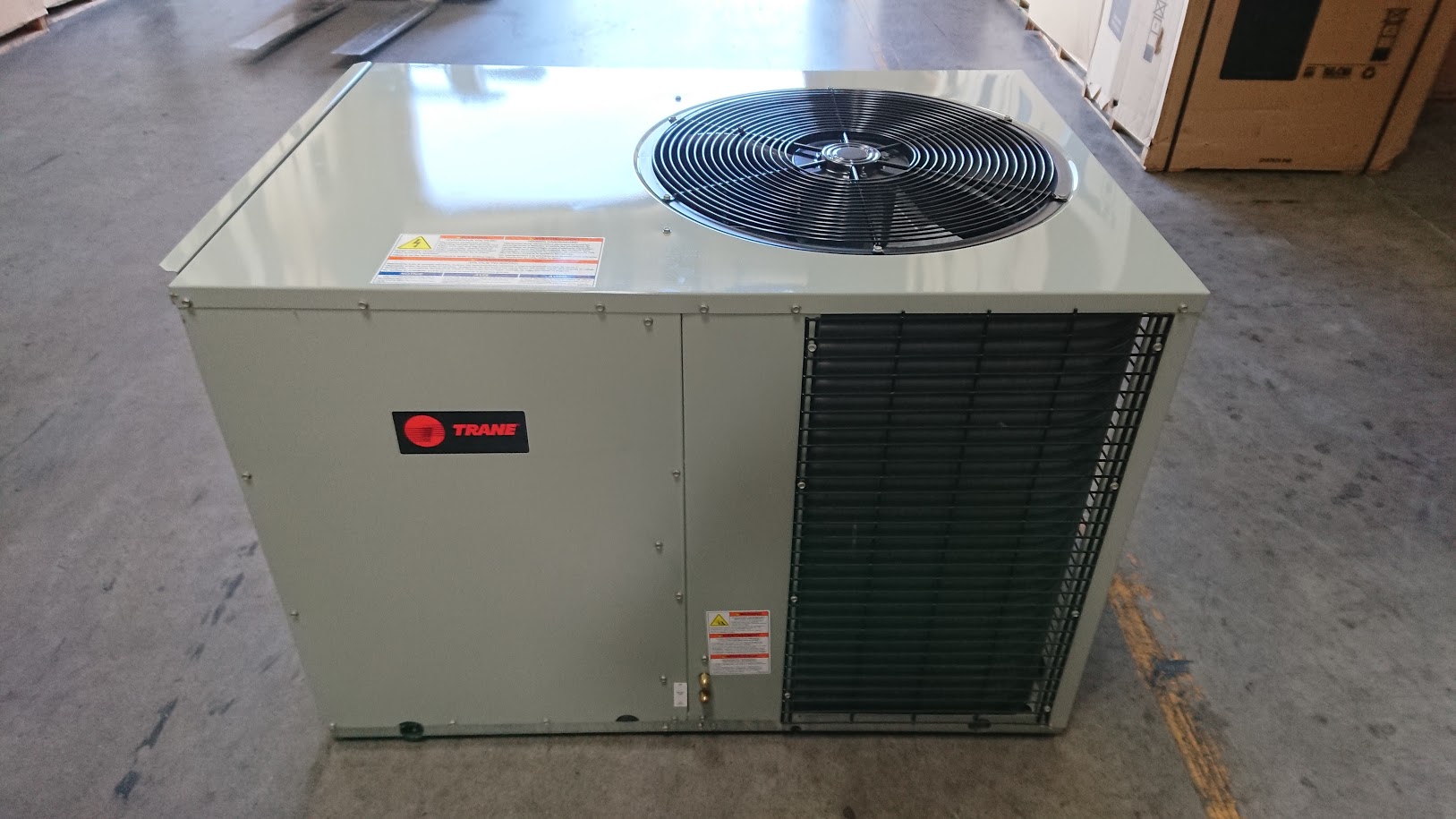
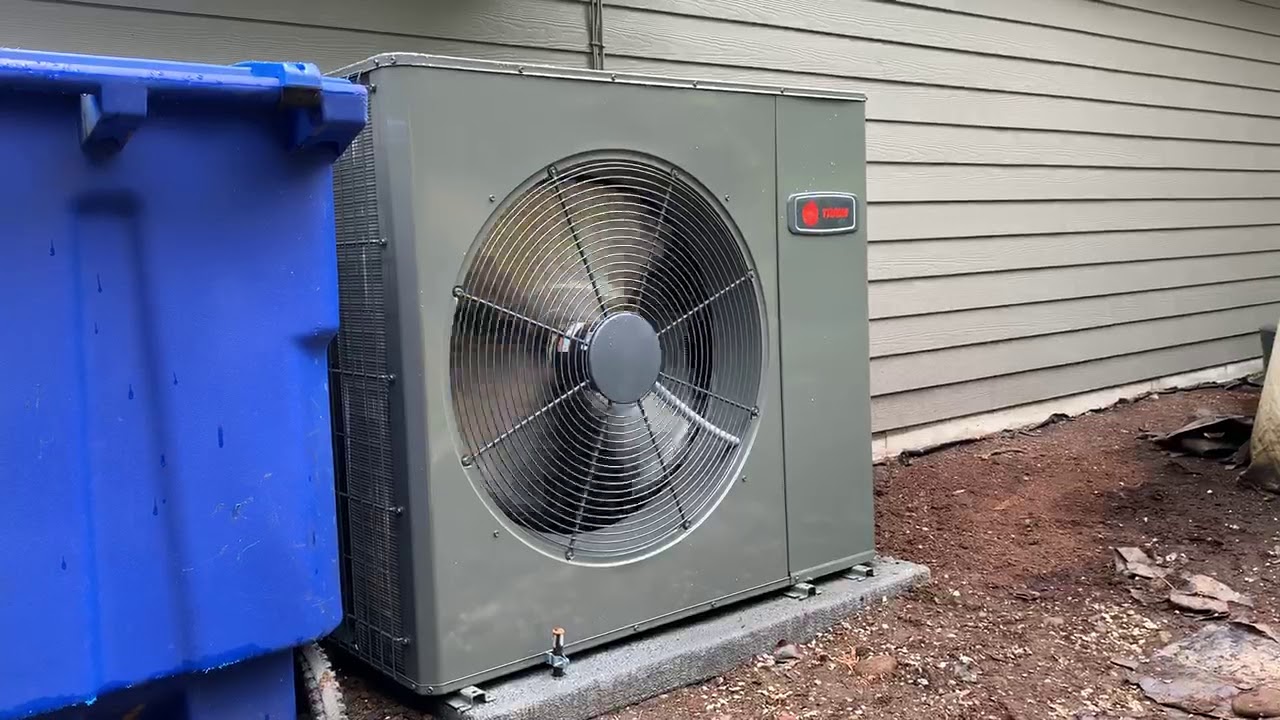
The Trane XR16 Low Profile is a split-system air conditioner designed for residential applications where space is limited or aesthetic considerations are paramount. Unlike traditional air conditioners with taller outdoor units, the XR16 Low Profile features a compact design, reducing its visual impact on the landscape. This makes it an attractive option for homeowners with smaller yards, those living in communities with strict HOA regulations, or anyone seeking a less obtrusive cooling system.
Key Features and Benefits
The XR16 Low Profile boasts several features that contribute to its appeal:
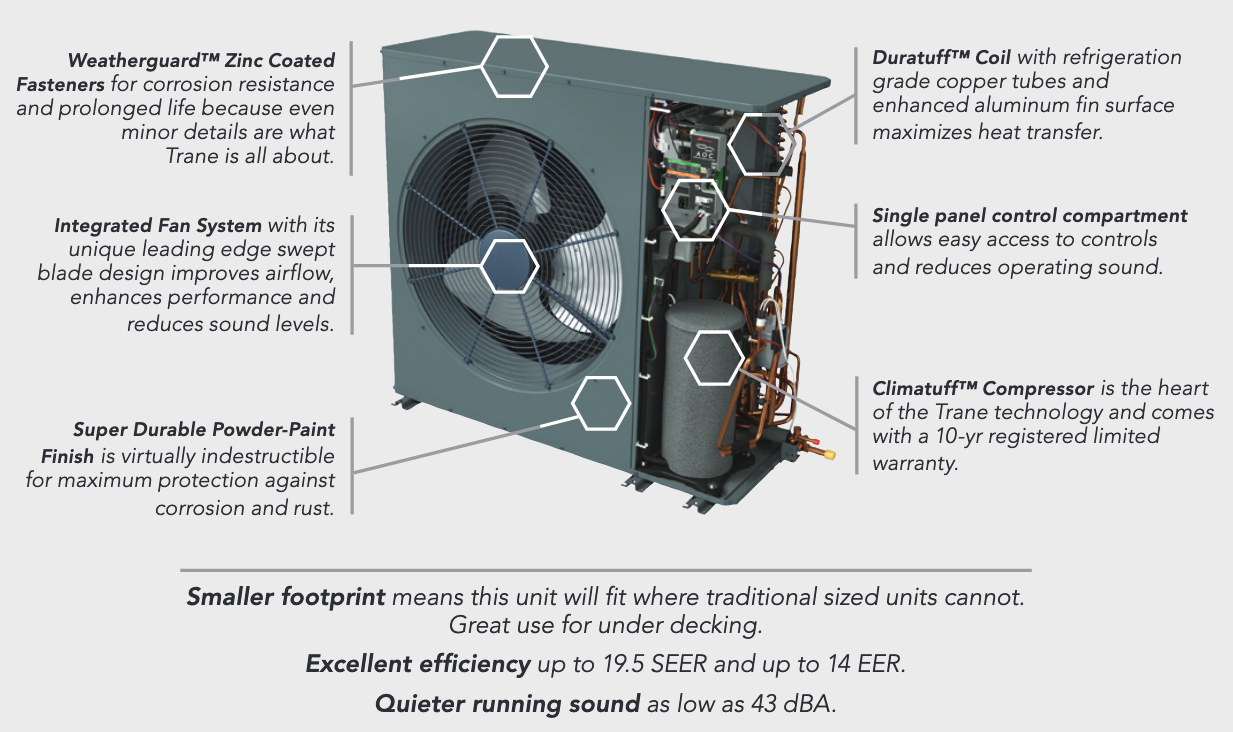
- Low-Profile Design: Its reduced height allows for easier installation in tight spaces and minimizes visual obstruction.
- Efficiency: The XR16 offers a Seasonal Energy Efficiency Ratio (SEER) of up to 17, exceeding the minimum federal standard and potentially lowering energy bills.
- Durability: Trane is known for its robust construction, and the XR16 Low Profile is built to withstand harsh weather conditions.
- Quiet Operation: Engineered for quiet performance, it minimizes noise pollution both indoors and outdoors.
- Climatuff® Compressor: The Climatuff® compressor is a Trane proprietary technology designed for reliable and efficient cooling.
- Spine Fin™ Condenser: This all-aluminum condenser enhances heat transfer and corrosion resistance, contributing to the unit's longevity.
Technical Specifications
Typical technical specifications for the Trane XR16 Low Profile include:
- SEER Rating: Up to 17
- Tonnage: Available in various sizes, typically ranging from 1.5 to 5 tons, to suit different home sizes.
- Refrigerant: R-410A, a widely used refrigerant in residential HVAC systems.
- Sound Level: Typically ranges from 72 to 76 decibels.
- Warranty: Standard limited warranty, with extended warranty options available.
Impact on the HVAC Industry
The Trane XR16 Low Profile reflects a growing trend in the HVAC industry: the demand for more efficient, space-saving, and aesthetically pleasing solutions. This trend is driven by several factors:
- Increasing Energy Costs: Homeowners are increasingly conscious of energy consumption and seek energy-efficient appliances to reduce their utility bills.
- Urbanization: As cities become more densely populated, smaller homes and limited outdoor spaces necessitate compact HVAC solutions.
- Aesthetic Preferences: Homeowners are placing greater emphasis on the visual appeal of their homes, including outdoor equipment.
- Regulatory Compliance: Stricter energy efficiency standards and building codes are pushing manufacturers to develop more efficient HVAC systems.
The development and adoption of products like the Trane XR16 Low Profile are influencing several aspects of the HVAC industry:
- Design and Engineering: Manufacturers are investing in research and development to create smaller, more efficient, and quieter HVAC systems.
- Installation Practices: Technicians need to be proficient in installing and servicing these compact units, which may require specialized tools and techniques.
- Sales and Marketing: HVAC contractors need to effectively communicate the benefits of these advanced systems to homeowners.
Career Opportunities in HVAC
The HVAC industry offers a wide range of career opportunities, from entry-level positions to specialized roles. The growing demand for energy-efficient and space-saving HVAC systems is creating new opportunities for skilled professionals.
Entry-Level Positions
- HVAC Installer: Installs and connects HVAC systems, including air conditioners, furnaces, and ductwork.
- HVAC Technician Apprentice: Assists experienced technicians in installing, repairing, and maintaining HVAC systems.
Mid-Level Positions
- HVAC Technician: Diagnoses and repairs HVAC systems, performs routine maintenance, and provides customer service.
- HVAC Service Manager: Manages a team of technicians, schedules service calls, and ensures customer satisfaction.
- HVAC Sales Representative: Sells HVAC systems and services to residential and commercial customers.
Advanced Positions
- HVAC Engineer: Designs and develops HVAC systems for buildings and industrial facilities.
- HVAC Project Manager: Oversees the installation of large-scale HVAC projects, ensuring they are completed on time and within budget.
- HVAC Consultant: Provides expert advice on HVAC system design, energy efficiency, and regulatory compliance.
Salary Ranges and Job Outlook
According to the U.S. Bureau of Labor Statistics (BLS), the median annual wage for HVAC mechanics and installers was $51,390 in May 2021. The job outlook for HVAC mechanics and installers is projected to grow 5 percent from 2021 to 2031, about as fast as the average for all occupations. This growth is driven by the increasing demand for energy-efficient HVAC systems and the need to replace aging equipment.
Salaries can vary significantly based on experience, education, certifications, and location. Experienced technicians with specialized skills and certifications can earn significantly more than entry-level workers. For example, HVAC engineers and project managers typically command higher salaries due to their advanced education and responsibilities.
Example Career Path: An individual might start as an HVAC technician apprentice, progress to a journeyman technician, then become a lead technician or service manager. With further education and training, they could pursue a career as an HVAC engineer or consultant.
Certifications and Training
Obtaining relevant certifications and training is essential for career advancement in the HVAC industry. Certifications demonstrate competency and professionalism, enhancing job prospects and earning potential.
Key Certifications
- NATE (North American Technician Excellence): NATE certification is a widely recognized industry credential that validates the knowledge and skills of HVAC technicians. NATE certification is available in various specialties, such as air conditioning, heating, and refrigeration.
- EPA 608 Certification: Required by the U.S. Environmental Protection Agency (EPA) for technicians who handle refrigerants. This certification ensures that technicians are trained in proper refrigerant handling procedures to protect the environment.
- HVAC Excellence: Another reputable certification organization that offers a range of certifications for HVAC technicians.
- State and Local Licenses: Many states and municipalities require HVAC contractors and technicians to be licensed. Licensing requirements vary by location and may include passing an exam and completing apprenticeship hours.
Training Programs
- Vocational Schools: Offer certificate and diploma programs in HVAC technology.
- Community Colleges: Provide associate degrees in HVAC technology.
- Apprenticeships: Combine on-the-job training with classroom instruction.
- Manufacturer Training Programs: Trane and other HVAC manufacturers offer training programs on their equipment and technologies.
Investing in ongoing training and education is crucial for staying current with the latest advancements in the HVAC industry. This includes attending workshops, seminars, and online courses.
Employer Considerations
For employers in the HVAC industry, understanding the Trane XR16 Low Profile and similar advanced technologies is crucial for maintaining a competitive edge. Employers should:
- Invest in Training: Provide employees with training on the latest HVAC equipment and technologies, including the XR16 Low Profile.
- Seek Certified Technicians: Prioritize hiring technicians with relevant certifications, such as NATE and EPA 608.
- Offer Competitive Compensation: Attract and retain skilled workers by offering competitive salaries and benefits.
- Promote a Culture of Learning: Encourage employees to pursue ongoing training and professional development.
- Utilize Technology: Implement technology solutions to improve efficiency and customer service, such as mobile dispatching and remote monitoring.
The demand for skilled HVAC technicians is expected to remain strong in the coming years, driven by the increasing focus on energy efficiency and the growing need to replace aging equipment. By investing in training and hiring certified technicians, employers can ensure they have the workforce needed to meet this demand.
Conclusion
The Trane XR16 Low Profile air conditioner represents a significant advancement in residential cooling technology, offering homeowners a space-saving, energy-efficient, and aesthetically pleasing solution. For HVAC professionals, understanding the features and benefits of this product, as well as similar advanced technologies, is essential for career advancement. By obtaining relevant certifications, pursuing ongoing training, and staying current with industry trends, HVAC technicians and engineers can position themselves for success in this dynamic and growing field. Employers who invest in training and hire certified technicians will be well-equipped to meet the increasing demand for skilled HVAC professionals.