Trap On Condensate Drain
Many homeowners experience a frustrating issue with their air conditioning or furnace systems: a clogged condensate drain line. This seemingly small problem can lead to significant headaches, from water damage around your unit to a complete system shutdown. The good news is that often, you can troubleshoot and even fix this problem yourself. This guide will walk you through the process, step-by-step, empowering you to address a clogged condensate drain with confidence.
Understanding the Condensate Drain and Trap
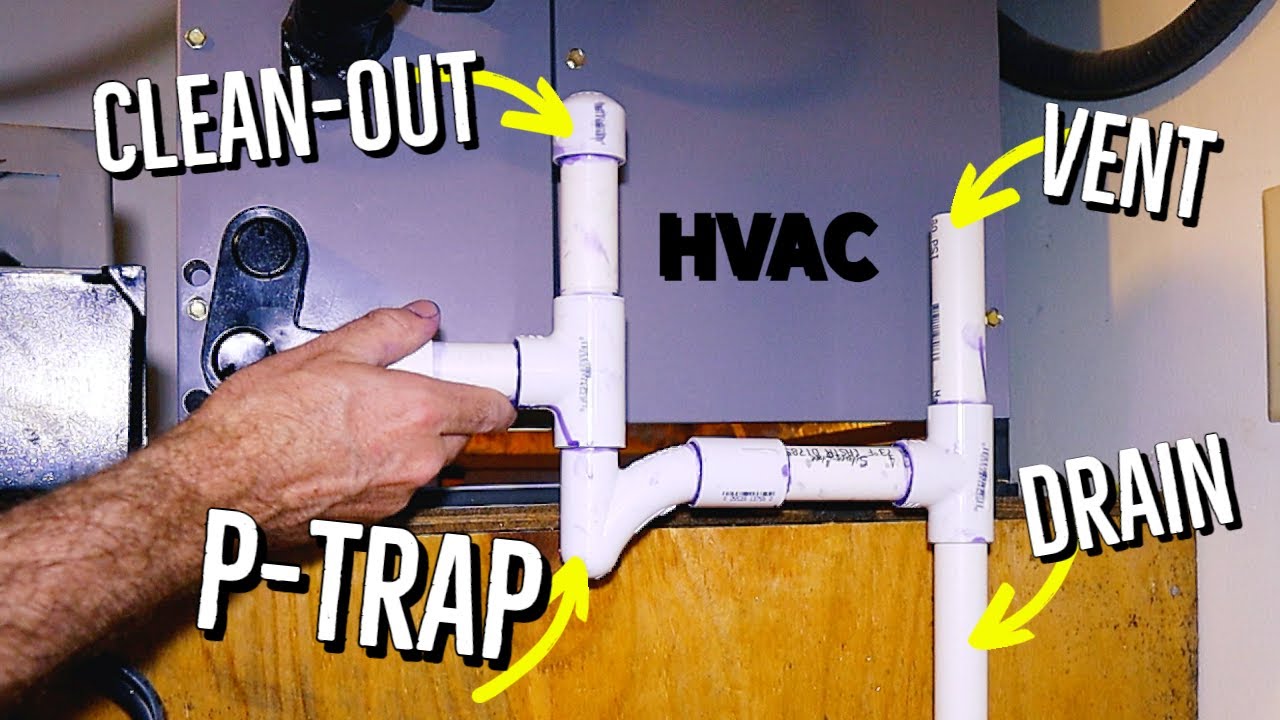
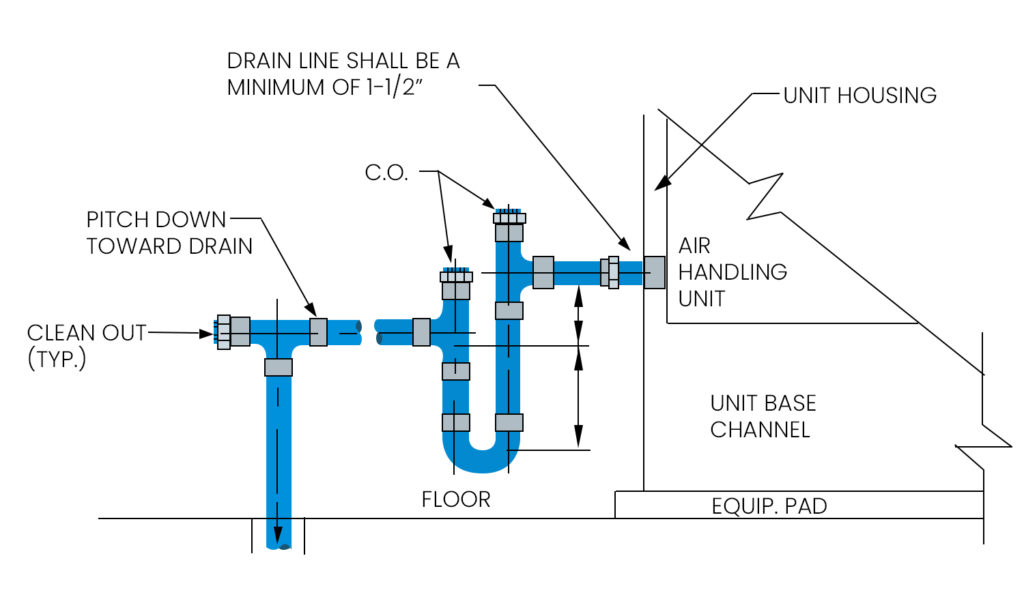
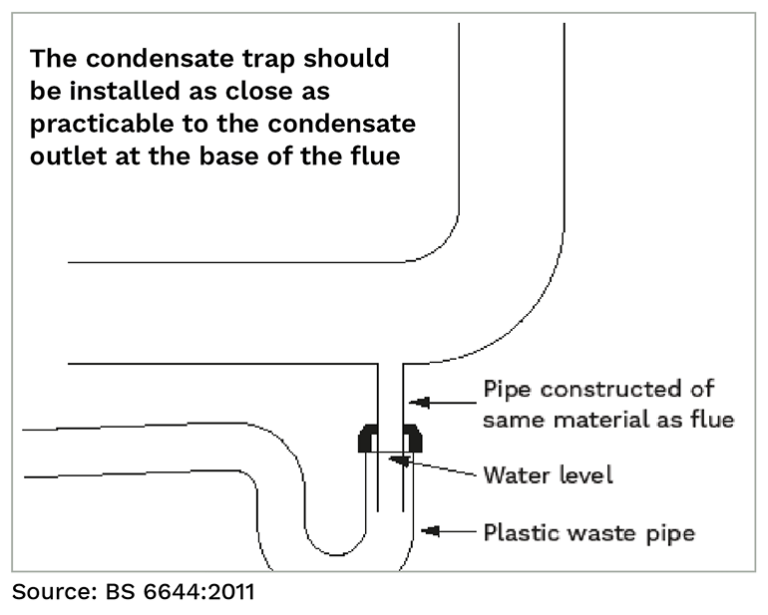
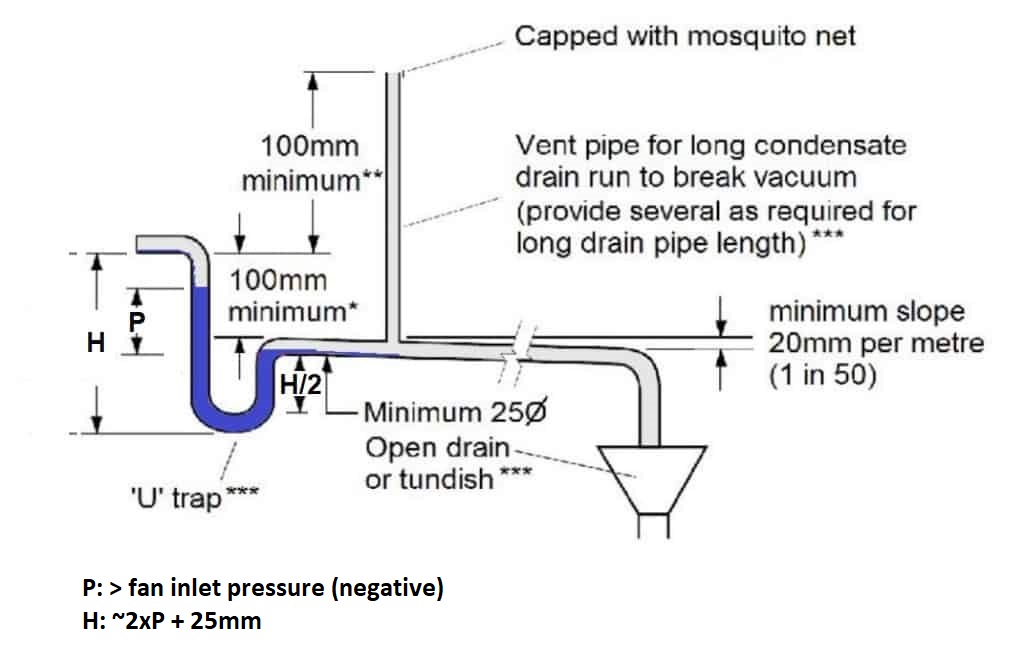
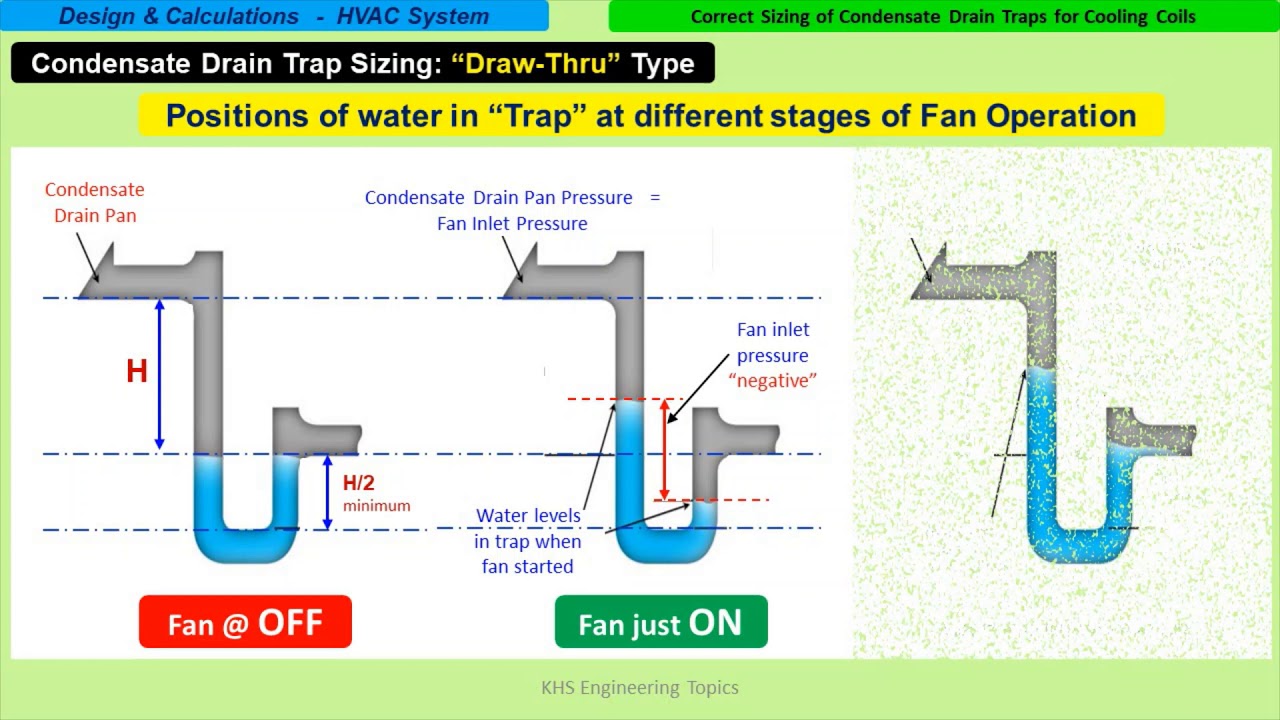
Before diving into troubleshooting, it's helpful to understand what the condensate drain and trap actually do. When your air conditioner cools the air, moisture condenses on the evaporator coils. This moisture, known as condensate, needs to be drained away from the unit. The condensate drain line is a pipe, usually PVC, that carries this water away. The condensate trap, a U-shaped section of pipe within the drain line, is crucial for proper drainage.
Think of the trap like a P-trap under your sink. It holds a small amount of water, which creates a seal that prevents sewer gases (or, in this case, unwanted odors and air) from entering your home through the drain line. This water also helps prime the drain and ensure that water flows smoothly. However, this standing water can also become a breeding ground for algae and mold, which are common culprits behind clogs.
Common Symptoms of a Clogged Condensate Drain
Recognizing the symptoms early can prevent further damage. Here are some telltale signs of a clogged condensate drain:
- Water leaking around your indoor air handler or furnace unit. This is a *major* red flag.
- Musty or moldy odors coming from your vents or the area around the unit.
- The air conditioner shutting off, often displaying an error code related to drainage or water level. This is usually triggered by a safety float switch that detects excessive water buildup.
- Standing water in the drain pan beneath the air handler.
Step-by-Step Troubleshooting Guide
Now, let's get to work! Follow these steps in order to diagnose and potentially fix your clogged condensate drain.
Step 1: Safety First!
Before you begin, turn off the power to your air conditioning or furnace unit at the circuit breaker. This is a crucial safety precaution.
Step 2: Locate the Condensate Drain Line
Find the condensate drain line. It's typically a ¾-inch PVC pipe located near your indoor air handler or furnace unit. It might run into a floor drain, an exterior wall, or a condensate pump (if you have one). Trace the line to the condensate trap, which will be a U-shaped bend in the pipe.
Step 3: Inspect the Drain Pan
Check the drain pan beneath the air handler. Is it full of water? If so, this confirms that the drain line is clogged. If the pan is overflowing, carefully use a wet/dry vacuum to remove the excess water. This prevents further water damage.
Step 4: Check the Condensate Pump (If Applicable)
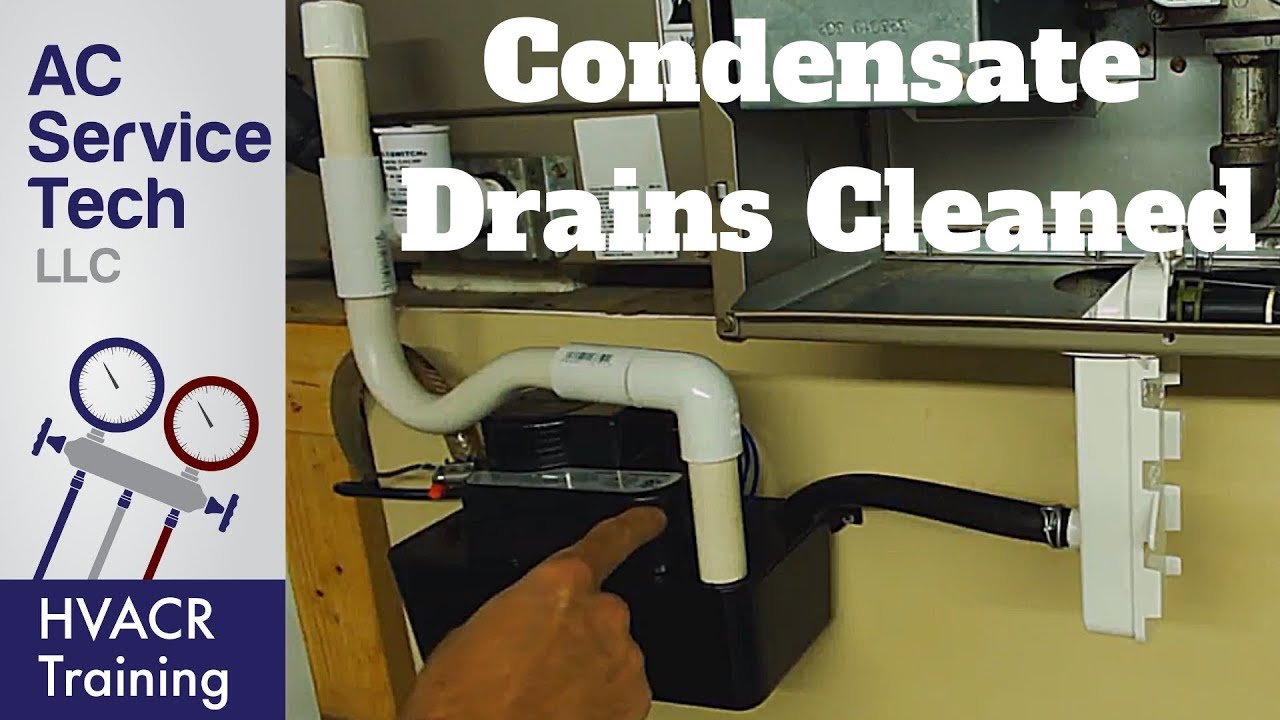
If you have a condensate pump (a small device that pumps the condensate water uphill to a drain), check if it's working. Listen for the pump running periodically. If it's not running, check its power supply and float switch. Sometimes, the pump itself can fail.
Step 5: Clear the Drain Line Opening
At the end of the drain line (where it exits the house or connects to a floor drain), try to remove any visible debris. Leaves, dirt, and insects can accumulate at the opening, causing a blockage. Use your fingers (if you're comfortable) or a small tool to clear away any obstructions.
Step 6: Use a Wet/Dry Vacuum
This is often the most effective DIY solution. Place the hose of a wet/dry vacuum over the end of the drain line (where it exits the house or connects to a floor drain). Create a tight seal with your hand or duct tape. Turn on the vacuum and let it run for several minutes. The suction should pull out any clogs in the drain line. Be prepared for a gush of water and debris!
Step 7: Flush with Vinegar
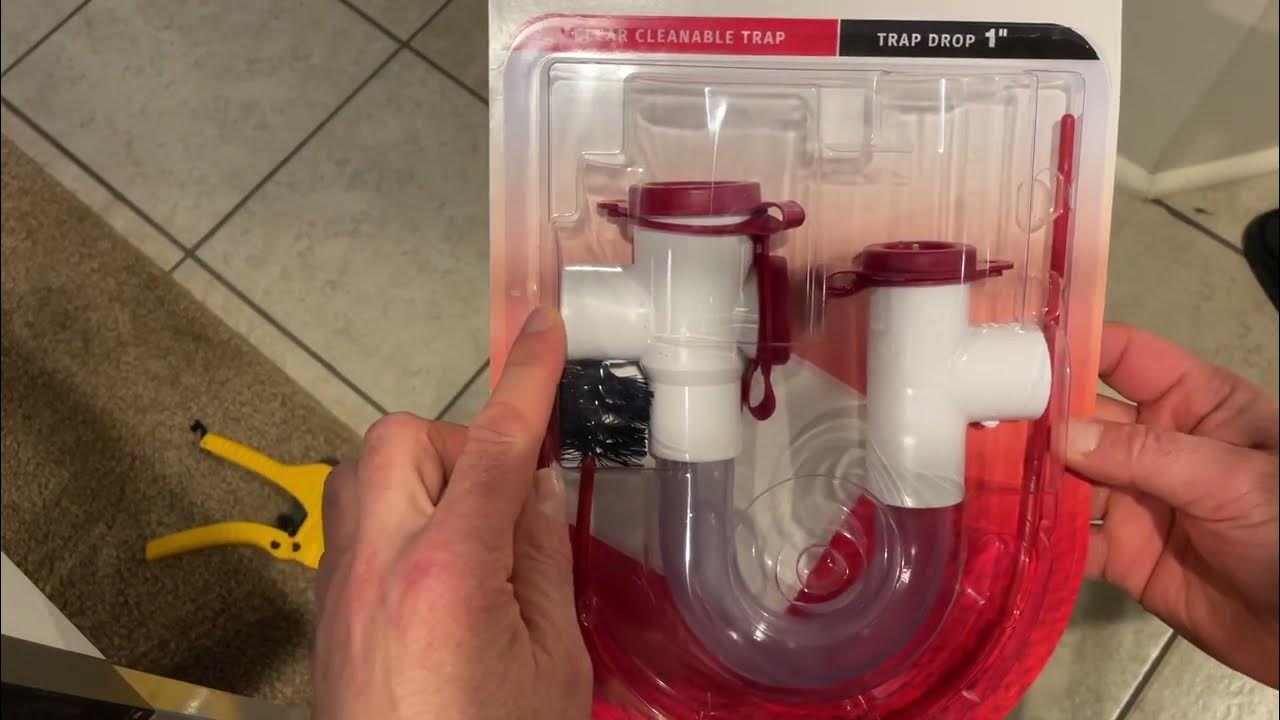
After vacuuming, flush the drain line with white vinegar. Vinegar is a natural disinfectant and helps dissolve algae and mold. Pour about a cup of white vinegar into the drain line (you might need to disconnect the drain line at a joint near the air handler to do this). Let it sit for about 30 minutes, then flush it again with water. Repeat this process a few times for best results. You can purchase a drain line cleaning kit at most hardware stores that makes this process easier.
Step 8: Use a Drain Snake
If the vacuum and vinegar don't work, try using a drain snake (also known as a plumber's snake). This is a flexible tool that you can insert into the drain line to break up and remove clogs. Be gentle when using the snake to avoid damaging the pipe. Push it in, rotate it, and pull it back out, repeating as needed. If you encounter significant resistance, stop. Forcing the snake could damage the drain line.
Step 9: Reassemble and Test
After attempting these fixes, reassemble any drain line connections you may have disconnected. Turn the power back on to your air conditioning or furnace unit. Observe the drain line for any leaks. Monitor the drain pan to ensure that water is draining properly. Run your AC or furnace for a while to confirm that the problem is resolved.
When to Call a Professional
While many condensate drain clogs can be resolved with DIY methods, there are situations where professional help is necessary. Here are some red flags indicating that you should call an HVAC technician:
- Persistent clogs: If you've tried all the DIY methods and the drain line keeps clogging, there may be a more serious underlying issue, such as a collapsed drain line or a problem within the air handler itself.
- Frozen evaporator coils: If the clog has been present for a while, the evaporator coils in your air handler may have frozen over. This requires professional thawing and inspection to prevent damage.
- Mold growth: Extensive mold growth within the air handler or ductwork requires professional remediation to ensure proper air quality.
- Refrigerant leaks: If you suspect a refrigerant leak (e.g., hissing sounds, oily residue), *do not attempt to fix it yourself*. Refrigerant is harmful and requires specialized equipment and training to handle safely.
- Electrical issues: If you encounter any electrical problems while troubleshooting, such as faulty wiring or a malfunctioning condensate pump, call a qualified electrician.
- You are not comfortable: If at any point you feel uncomfortable or unsure about performing any of these tasks, it's always best to err on the side of caution and call a professional.
Preventative Maintenance
The best way to avoid a clogged condensate drain is to prevent clogs from forming in the first place. Here are some preventative maintenance tips:
- Pour a cup of white vinegar down the drain line every month. This will help prevent algae and mold growth.
- Install a drain line cleanout tee. This allows for easier access to the drain line for cleaning and inspection.
- Regularly inspect the drain pan for standing water and debris. Clean it as needed.
- Consider a condensate pan tablet. These tablets slowly release chemicals that inhibit algae and mold growth.
- Schedule regular HVAC maintenance with a qualified technician. They can inspect and clean the condensate drain line as part of their service.
By following these troubleshooting steps and preventative maintenance tips, you can keep your condensate drain flowing freely and avoid the headaches of a clogged system. Remember, when in doubt, don't hesitate to call a professional. A little preventative care can save you a lot of time and money in the long run.
Disclaimer: This guide is for informational purposes only and should not be considered a substitute for professional advice. Always follow safety precautions and consult with a qualified HVAC technician if you have any concerns.