Troubleshoot Lennox Furnaces
Troubleshooting Common Lennox Furnace Problems: A Comprehensive Guide
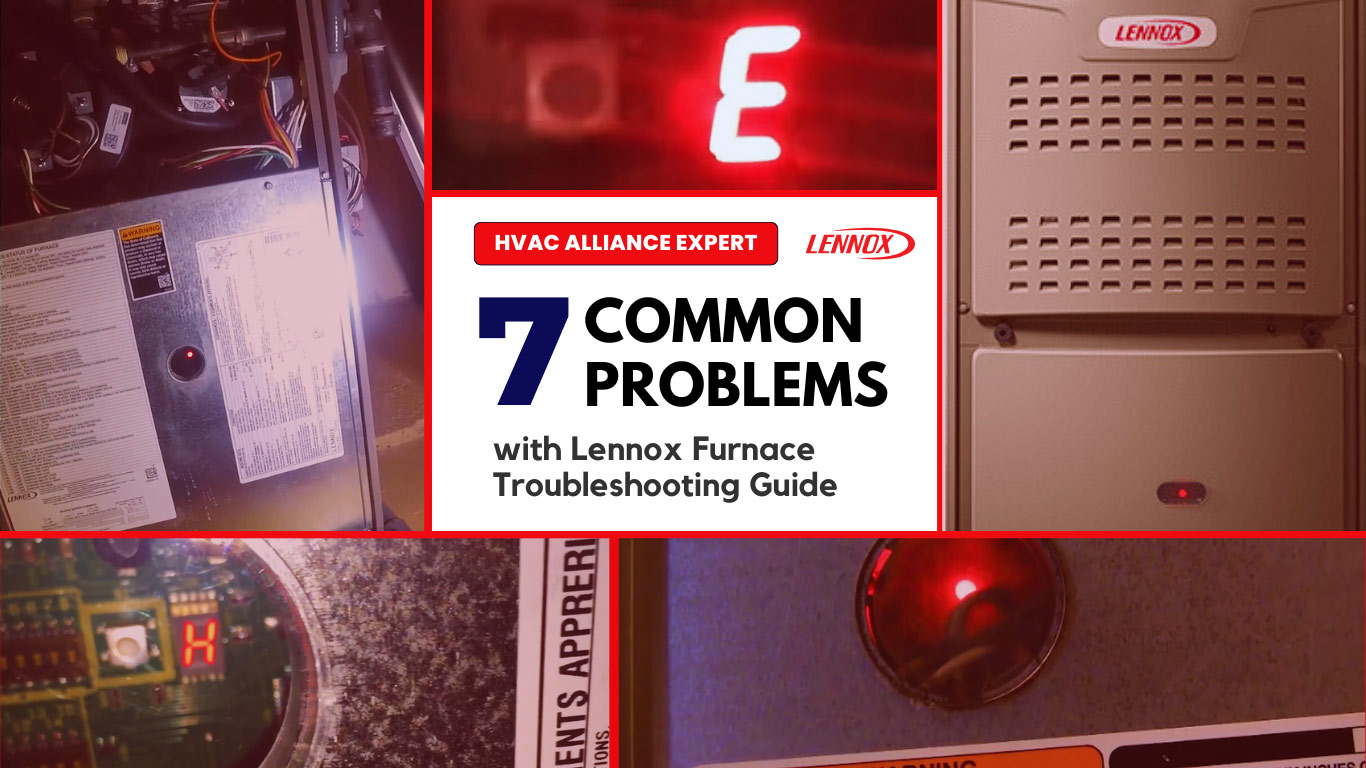
Lennox furnaces are known for their reliability and efficiency, but like any mechanical system, they can experience problems. This guide provides a comprehensive overview of common issues, troubleshooting steps, and potential solutions for homeowners, HVAC technicians, and facility managers alike. We'll cover diagnostics, repairs, and when it's time to call a professional.
Understanding Your Lennox Furnace
Before diving into troubleshooting, it's essential to understand the basic components of a Lennox furnace. These include:
- Gas Valve: Controls the flow of natural gas or propane to the burners.
- Burners: Mix gas and air to create a flame for heating.
- Heat Exchanger: A series of metal chambers that heat the air.
- Blower Motor: Circulates heated air throughout your home.
- Ignition System: Ignites the gas in the burners (can be a pilot light, spark igniter, or hot surface igniter).
- Flame Sensor: Detects the presence of a flame; shuts off the gas valve if no flame is detected.
- Control Board: The "brain" of the furnace, controlling all operations.
- Thermostat: Senses the temperature in the house and controls the furnace.
- Flue Pipe: Vents exhaust gases safely outside.
- Air Filter: Removes dust and debris from the air entering the furnace.
Common Lennox Furnace Problems and Solutions
Let's address some of the most frequently encountered issues with Lennox furnaces:
1. Furnace Not Turning On
This is a common and often frustrating problem. Here's a troubleshooting sequence:
- Check the Thermostat: Ensure it's set to "Heat" and the temperature is set higher than the current room temperature. Replace the batteries if needed.
- Inspect the Power Switch: Make sure the furnace power switch (usually located on the side of the unit) is turned on.
- Check the Circuit Breaker: Look for a tripped breaker in your electrical panel. Reset it if necessary.
- Examine the Gas Valve: Verify that the gas valve supplying the furnace is open.
- Inspect the Air Filter: A clogged air filter can cause the furnace to overheat and shut down. Replace it with a clean filter. Change your filter every 1-3 months for optimal performance.
Advanced Troubleshooting (for technicians): If the above steps don't resolve the issue, use a multimeter to check for voltage at the furnace's transformer and control board. Also, check the high limit switch for continuity. If the high limit switch is tripped, it indicates overheating; investigate the cause before resetting it.
2. Furnace Turns On But Doesn't Produce Heat
This usually indicates a problem with the ignition system or gas supply.
- Check the Pilot Light (if applicable): If your furnace has a pilot light, ensure it's lit. If not, follow the manufacturer's instructions to relight it. Lennox no longer typically uses pilot lights on newer models.
- Inspect the Flame Sensor: A dirty or faulty flame sensor can prevent the furnace from staying lit. Clean the flame sensor with fine-grit sandpaper or steel wool.
- Check the Gas Valve: Ensure the gas valve is functioning properly. You might need a professional to test this.
Advanced Troubleshooting (for technicians): Use a manometer to check the gas pressure at the gas valve. Verify that the ignition sequence is functioning correctly using a multimeter and wiring diagram. Check the HSI (Hot Surface Igniter) for proper resistance and voltage.
3. Furnace Short Cycling (Turning On and Off Frequently)
Short cycling wastes energy and can damage the furnace components.
- Clogged Air Filter: As mentioned before, a dirty air filter is a prime suspect.
- Oversized Furnace: A furnace that's too large for your home can heat the space too quickly and then shut off prematurely. This requires a professional assessment. Correct sizing is crucial for efficiency and longevity.
- Faulty Thermostat: A malfunctioning thermostat can send incorrect signals to the furnace. Try replacing it or having it recalibrated.
- Restricted Airflow: Blocked vents or ductwork can restrict airflow and cause the furnace to overheat. Ensure all vents are open and clear.
Advanced Troubleshooting (for technicians): Check the high limit switch for intermittent tripping. Inspect the blower motor for proper operation and airflow. Use a combustion analyzer to check for proper combustion efficiency.
4. Furnace Making Strange Noises
Unusual noises can indicate various problems.
- Banging: Often caused by expanding and contracting ductwork or delayed ignition. Have a professional inspect the gas pressure and ignition system.
- Squealing: Could indicate a worn-out blower motor bearing or a slipping belt (if applicable). Lubricate the blower motor bearings or replace the belt.
- Rattling: May be due to loose panels, screws, or debris inside the furnace. Tighten any loose components and remove any obstructions.
- Humming: Can indicate a problem with the transformer, blower motor, or capacitor. Test the components with a multimeter.
5. Carbon Monoxide (CO) Leak
This is a serious safety hazard. If you suspect a CO leak, evacuate your home immediately and call the fire department or gas company. Common symptoms include headache, dizziness, nausea, and flu-like symptoms. Install and maintain CO detectors on every level of your home.
Possible causes include:
- Cracked Heat Exchanger: The most common cause. A cracked heat exchanger can allow CO to leak into your home's air supply. Requires immediate professional attention. Replacement is often necessary.
- Blocked Flue Pipe: A blocked flue pipe can prevent exhaust gases from venting properly. Clear any obstructions.
- Improper Ventilation: Insufficient ventilation can lead to CO buildup.
Important Note: Never attempt to repair a cracked heat exchanger yourself. This is a job for a qualified HVAC technician.
Lennox Furnace Maintenance Tips
Regular maintenance can help prevent many of these problems and extend the life of your furnace:
- Change the Air Filter Regularly: As mentioned, every 1-3 months.
- Schedule Annual Professional Maintenance: A qualified HVAC technician can inspect and clean your furnace, check for potential problems, and ensure it's operating efficiently.
- Inspect the Flue Pipe: Look for any signs of rust, corrosion, or damage.
- Keep the Area Around the Furnace Clear: Ensure there's ample space around the furnace for proper ventilation.
When to Call a Professional
While some troubleshooting steps can be performed by homeowners, certain problems require the expertise of a qualified HVAC technician. Call a professional if:
- You suspect a gas leak or carbon monoxide leak.
- You're uncomfortable working with electricity or gas.
- You've tried the basic troubleshooting steps and the problem persists.
- You suspect a cracked heat exchanger.
- You need to replace a major component like the gas valve, control board, or blower motor.
Lennox Furnace Efficiency and Lifespan
Lennox furnaces are available in a range of efficiency ratings, measured by AFUE (Annual Fuel Utilization Efficiency). Higher AFUE ratings indicate greater efficiency. Look for models with 90% AFUE or higher for maximum energy savings. Consider the long-term cost savings when selecting a furnace.
The lifespan of a Lennox furnace is typically 15-20 years with proper maintenance. Factors like usage, climate, and maintenance habits can affect its longevity. Replacing an old, inefficient furnace with a new, high-efficiency model can significantly reduce your energy bills and improve your home's comfort.
Cost Comparison: Entry-level Lennox furnaces can start around $3,000 installed, while high-efficiency models can exceed $7,000. The upfront cost is higher for high-efficiency models, but the long-term energy savings can offset the initial investment.
Conclusion
By understanding the basic components of your Lennox furnace, recognizing common problems, and following these troubleshooting steps, you can keep your heating system running smoothly and efficiently. Remember to prioritize safety and call a qualified HVAC technician when needed. Regular maintenance and timely repairs will ensure a comfortable and safe home environment for years to come.