Turning Pilot Light On Furnace
As energy costs fluctuate, homeowners and businesses alike are seeking ways to optimize their energy consumption and reduce their utility bills. One area where significant savings can be achieved is in the operation of your furnace. While modern furnaces are increasingly energy-efficient, older models, particularly those with standing pilot lights, can be a source of constant energy drain. This article will delve into the nuances of turning your pilot light on and off, weighing the pros and cons, and exploring energy-efficient alternatives.
Understanding the Pilot Light and its Energy Consumption
A standing pilot light is a small, continuous flame that burns constantly in older furnaces, water heaters, and some other gas appliances. Its purpose is to ignite the main burner when heat is called for. While seemingly small, a continuously burning pilot light consumes a surprising amount of gas over time. The U.S. Department of Energy estimates that a standing pilot light can consume up to $100 - $200 worth of gas per year, depending on local gas prices and the efficiency of the appliance. This translates to a constant and often unnecessary drain on your energy budget.
Energy Star certified appliances, particularly newer furnaces, have largely eliminated the need for standing pilot lights. Instead, they use electronic ignition systems, which only consume energy when the furnace is actively heating. These systems use either an intermittent pilot (IP) or direct spark ignition (DSI) to ignite the main burner, resulting in significant energy savings.
Should You Turn Your Pilot Light Off? Weighing the Pros and Cons
Deciding whether to turn off your pilot light during the warmer months or when the furnace is not in use requires careful consideration. Here's a breakdown of the advantages and disadvantages:
Pros of Turning Off the Pilot Light:
- Energy Savings: This is the most significant benefit. Eliminating the constant gas consumption of the pilot light directly translates to lower energy bills. As mentioned earlier, these savings can be substantial, potentially reaching up to $200 annually.
- Reduced Carbon Footprint: Lowering gas consumption contributes to a smaller carbon footprint, aligning with sustainability goals.
- Safety: While rare, a pilot light can potentially ignite flammable materials if a gas leak occurs. Turning it off eliminates this risk.
Cons of Turning Off the Pilot Light:
- Inconvenience: You'll need to relight the pilot light each heating season, which can be a minor inconvenience.
- Potential for Drafts: If the pilot light assembly isn't properly sealed, turning off the pilot light can create a small draft, potentially increasing heat loss from your home. This is more of a concern in older, less insulated homes.
- Risk of Sooting: If not relit correctly, there is a small risk of sooting, which can affect the efficiency of the furnace.
- Corrosion in Rare Cases: In very humid environments, the pilot light being off can *potentially* lead to corrosion in some furnaces. This is very rare and more related to the environment of the furnace and the furnace model.
Step-by-Step Guide: Safely Turning Off and Relighting Your Pilot Light
Important Safety Precautions: Before attempting to turn off or relight your pilot light, ensure you understand your furnace model and follow the manufacturer's instructions. If you are uncomfortable performing this task, contact a qualified HVAC technician.
Turning Off the Pilot Light:
- Locate the Gas Valve: Find the gas valve controlling the gas supply to your furnace. This is typically located near the furnace itself.
- Turn Off the Gas Supply: Turn the gas valve to the "OFF" position. This cuts off the gas flow to the furnace, including the pilot light.
- Wait: Wait for at least five minutes to allow any residual gas to dissipate.
Relighting the Pilot Light:
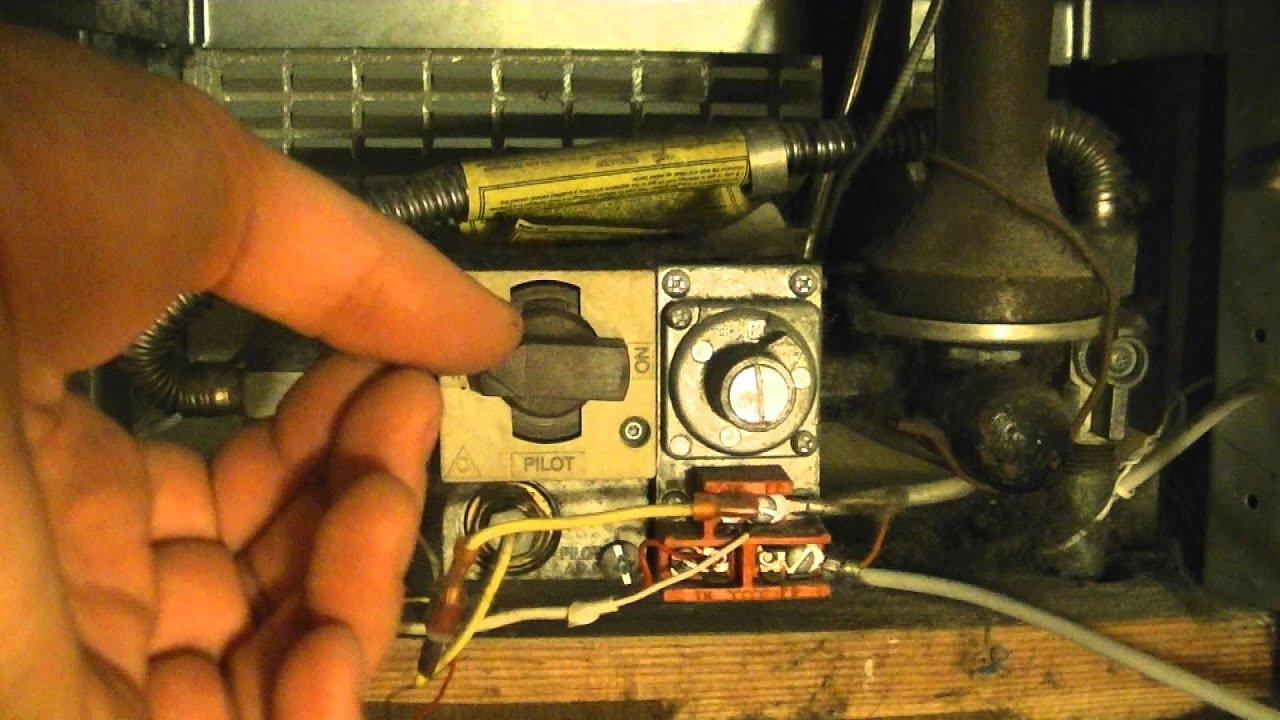
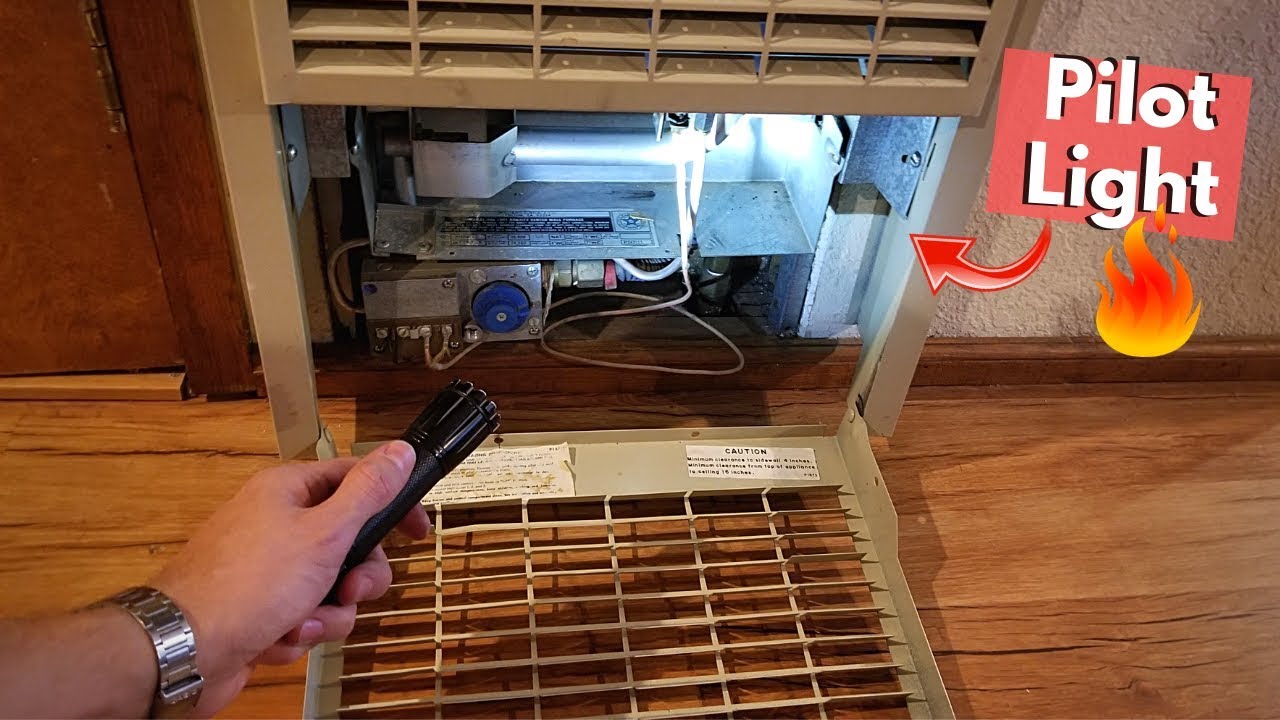
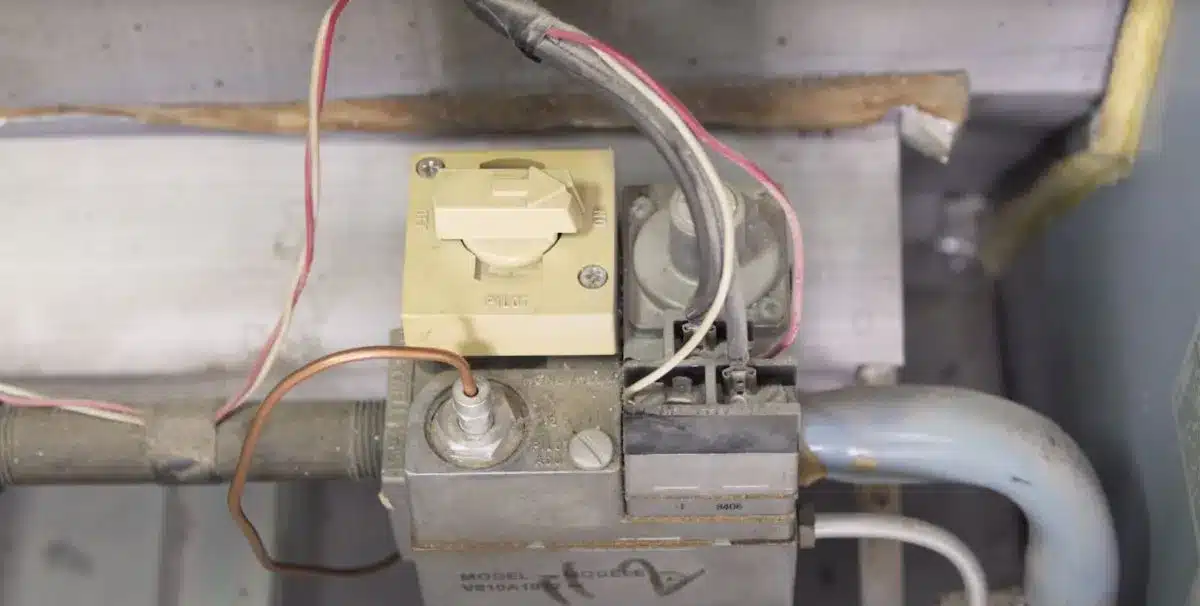
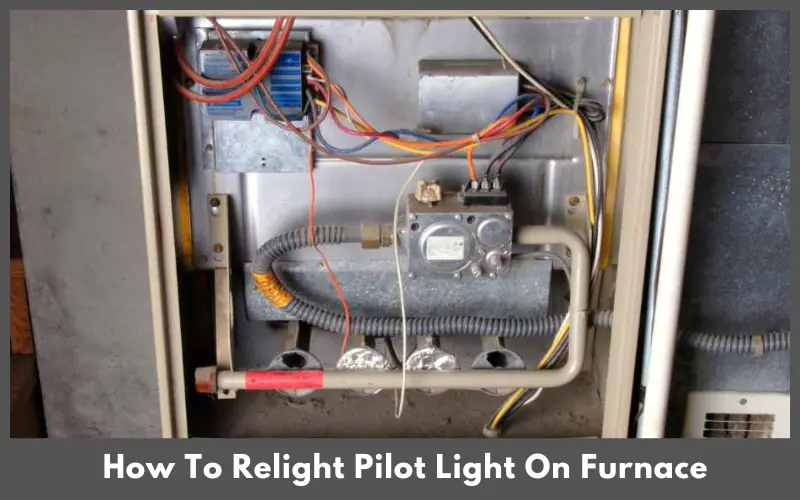
- Locate the Pilot Light Assembly: Find the pilot light assembly inside the furnace. It usually has a small button labeled "Pilot," "Ignite," or similar.
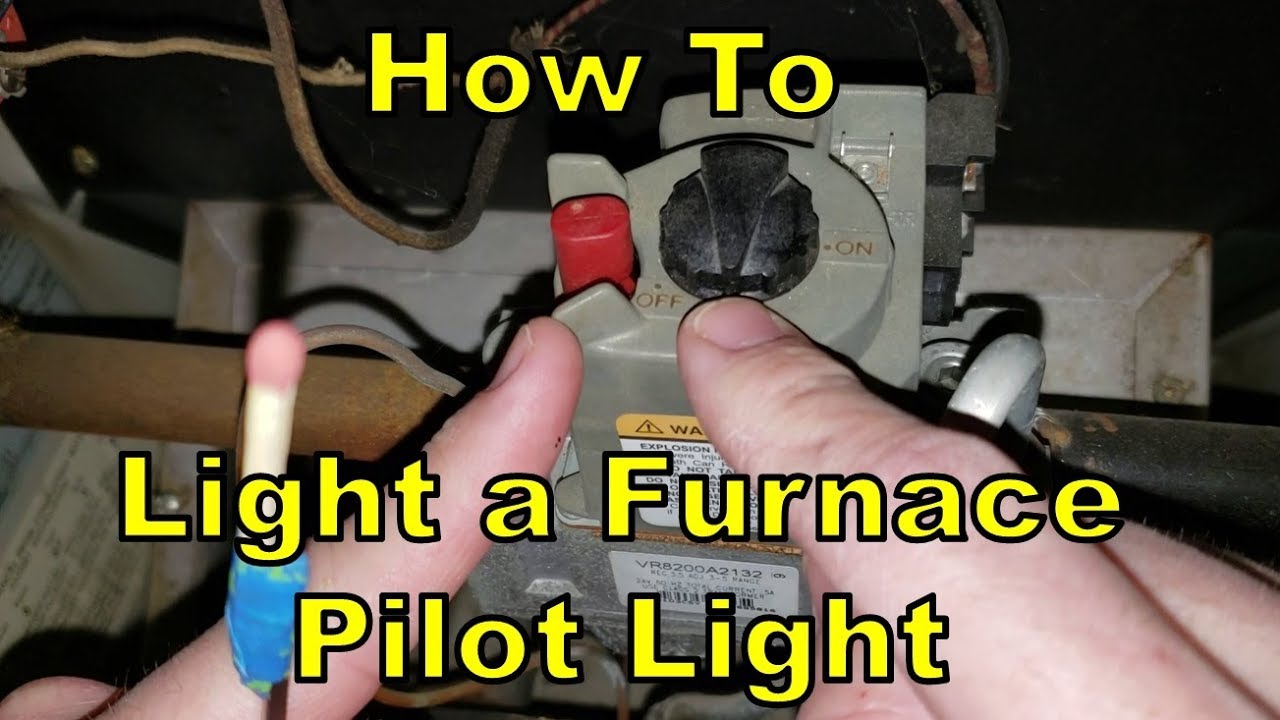
- Turn the Gas Valve to "Pilot": Turn the gas valve to the "Pilot" position.
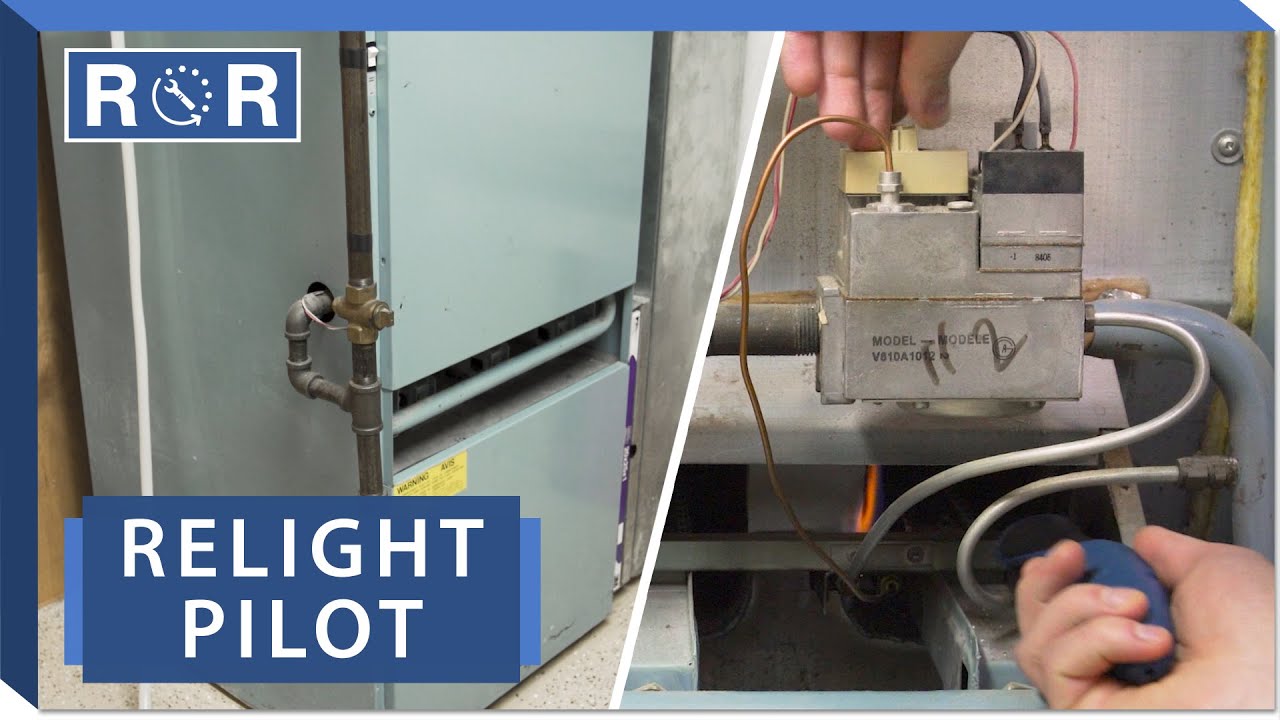
- Press and Hold the Pilot Button: Press and hold the pilot button while simultaneously using a long lighter or match to ignite the pilot light.
- Keep Holding the Button: Continue holding the pilot button for 20-30 seconds to allow the thermocouple to heat up. The thermocouple is a safety device that ensures the gas supply is cut off if the pilot light goes out.
- Release the Button: Slowly release the pilot button. If the pilot light remains lit, proceed to the next step. If it goes out, repeat steps 3-5.
- Turn the Gas Valve to "On": Once the pilot light is consistently lit, turn the gas valve to the "On" position.
- Observe: Observe the pilot light for a few minutes to ensure it remains stable.
Troubleshooting: If you are unable to relight the pilot light after several attempts, check the following:
- Gas Supply: Ensure the gas supply is turned on at the main gas meter.
- Thermocouple: The thermocouple may be faulty and need replacement.
- Gas Line Obstruction: There may be an obstruction in the gas line.
If you suspect any of these issues, contact a qualified HVAC technician.
Investing in Energy-Efficient Alternatives
For those seeking more sustainable and cost-effective solutions, upgrading to a modern, energy-efficient furnace with electronic ignition is a worthwhile investment. These furnaces offer several advantages:
- Elimination of Standing Pilot Light: As previously mentioned, electronic ignition systems eliminate the continuous energy drain of a standing pilot light.
- Higher AFUE Ratings: Modern furnaces boast higher Annual Fuel Utilization Efficiency (AFUE) ratings, indicating greater efficiency in converting fuel to heat. Furnaces with AFUE ratings of 90% or higher are considered high-efficiency models.
- Variable-Speed Blowers: Variable-speed blowers offer more precise temperature control and quieter operation, further enhancing energy efficiency.
ROI and Rebates: While the initial investment in a new furnace may seem significant, the long-term energy savings and potential rebates can provide a substantial return on investment. Many utility companies and government agencies offer rebates and incentives for upgrading to energy-efficient appliances. Check with your local utility company and the Energy Star website for available programs.
Smart HVAC Integration for Enhanced Efficiency
Integrating your HVAC system with smart home technology can further optimize energy efficiency and provide greater control over your home's temperature. Smart thermostats, in particular, offer several advantages:
- Programmable Schedules: Smart thermostats allow you to create customized heating and cooling schedules based on your occupancy patterns, ensuring that you're not heating an empty house.
- Remote Control: You can control your thermostat remotely via your smartphone or tablet, allowing you to adjust the temperature even when you're away from home.
- Energy Monitoring: Many smart thermostats provide detailed energy usage reports, allowing you to track your energy consumption and identify areas for improvement.
- Geofencing: Geofencing technology automatically adjusts the temperature based on your location, ensuring that your home is comfortable when you arrive and energy-efficient when you're away.
Furthermore, smart sensors can be strategically placed throughout your home to provide real-time temperature and humidity readings, allowing your smart thermostat to make more informed decisions about heating and cooling. This level of granular control can lead to significant energy savings and improved comfort.
Working with HVAC Contractors for Optimal Energy Efficiency
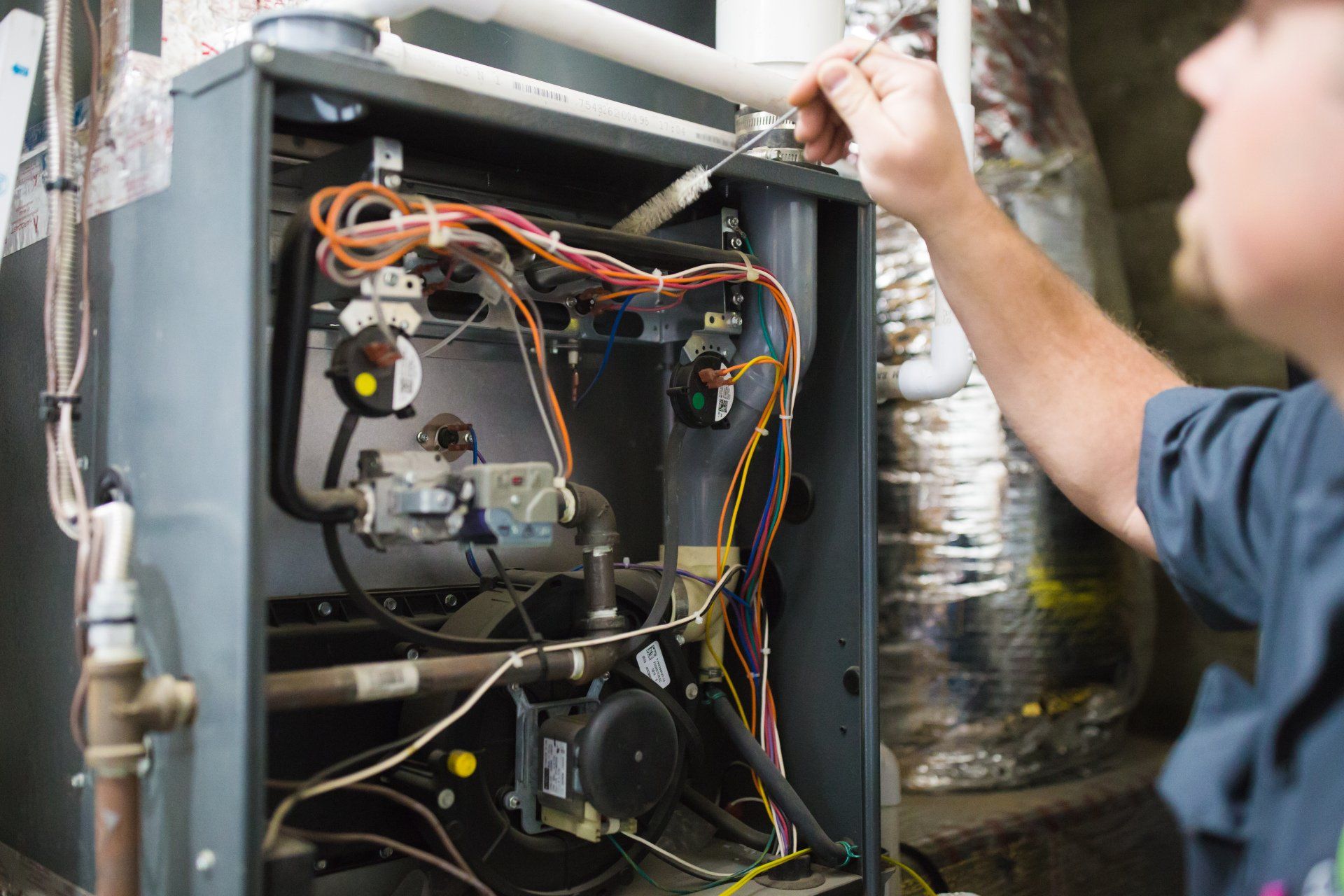
Partnering with a qualified and experienced HVAC contractor is crucial for ensuring that your furnace is operating efficiently and safely. A reputable contractor can perform routine maintenance, identify potential problems, and recommend energy-efficient upgrades.
When selecting an HVAC contractor, consider the following:
- Licensing and Insurance: Ensure the contractor is properly licensed and insured.
- Experience: Choose a contractor with a proven track record of providing quality service.
- References: Ask for references from previous customers.
- Energy Efficiency Expertise: Select a contractor who is knowledgeable about energy-efficient HVAC systems and technologies.
- Written Estimates: Obtain written estimates from multiple contractors before making a decision.
By investing in energy-efficient HVAC solutions and partnering with a reputable contractor, you can significantly reduce your energy bills, minimize your carbon footprint, and create a more comfortable and sustainable living environment.
Turning your pilot light on your furnace off during the off-season can be a great way to save energy. Modern options, like smart thermostats, have made it easier than ever to manage energy consumption. Consult with a professional for the best energy-efficient HVAC practices for your home or business.
:max_bytes(150000):strip_icc()/checking-the-furnace-77890266-5c50db64c9e77c0001d76385.jpg)