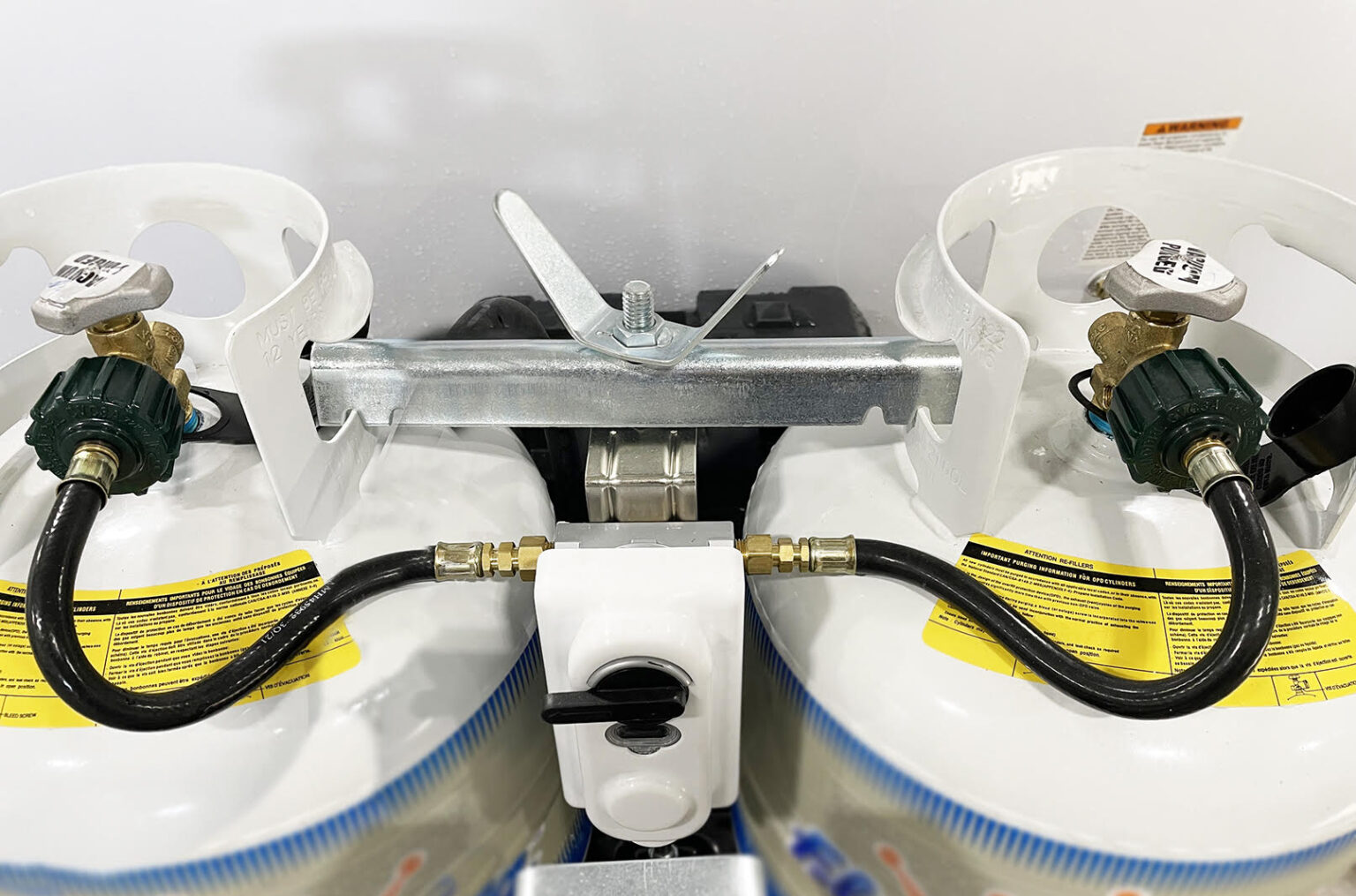
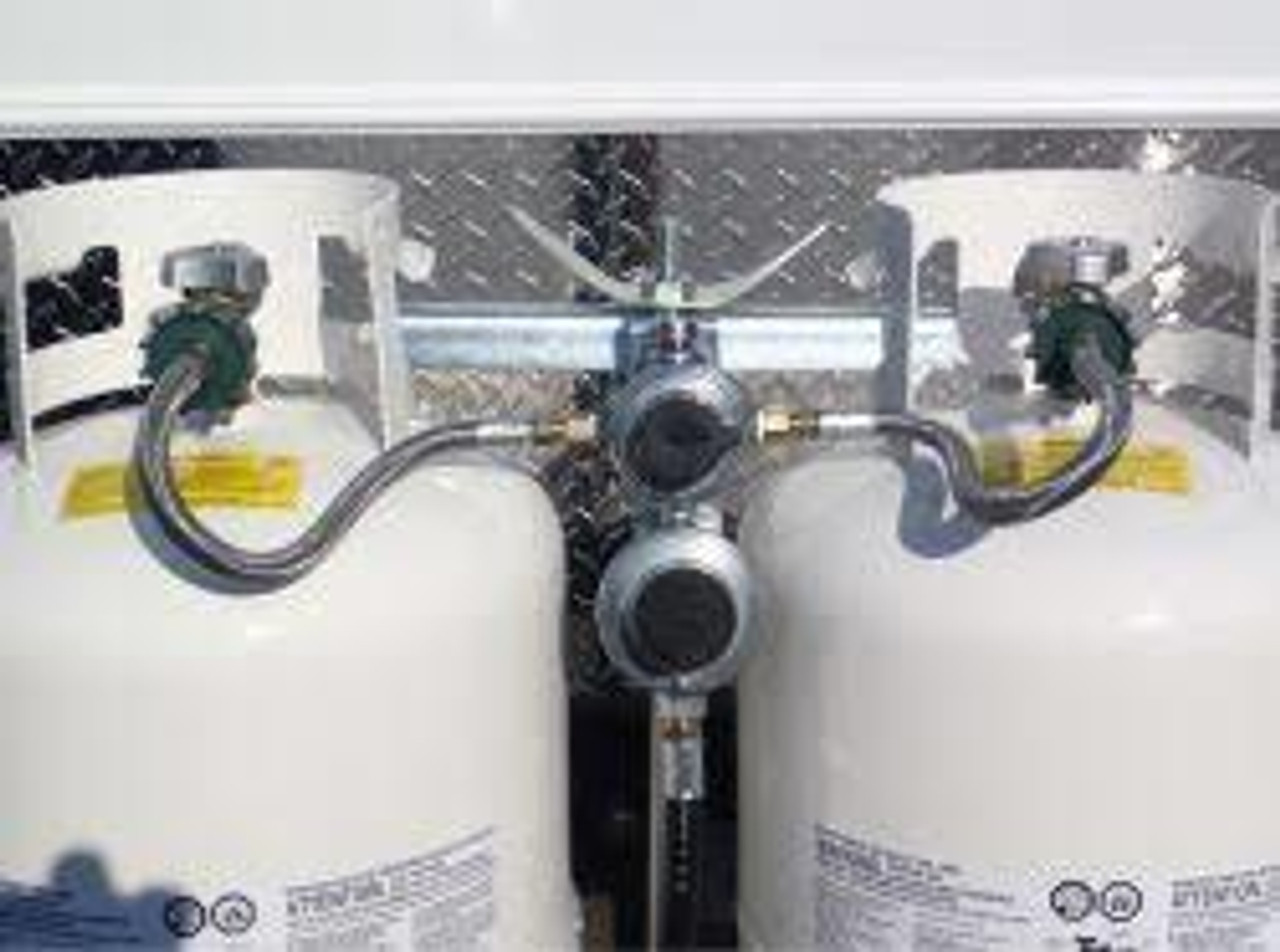
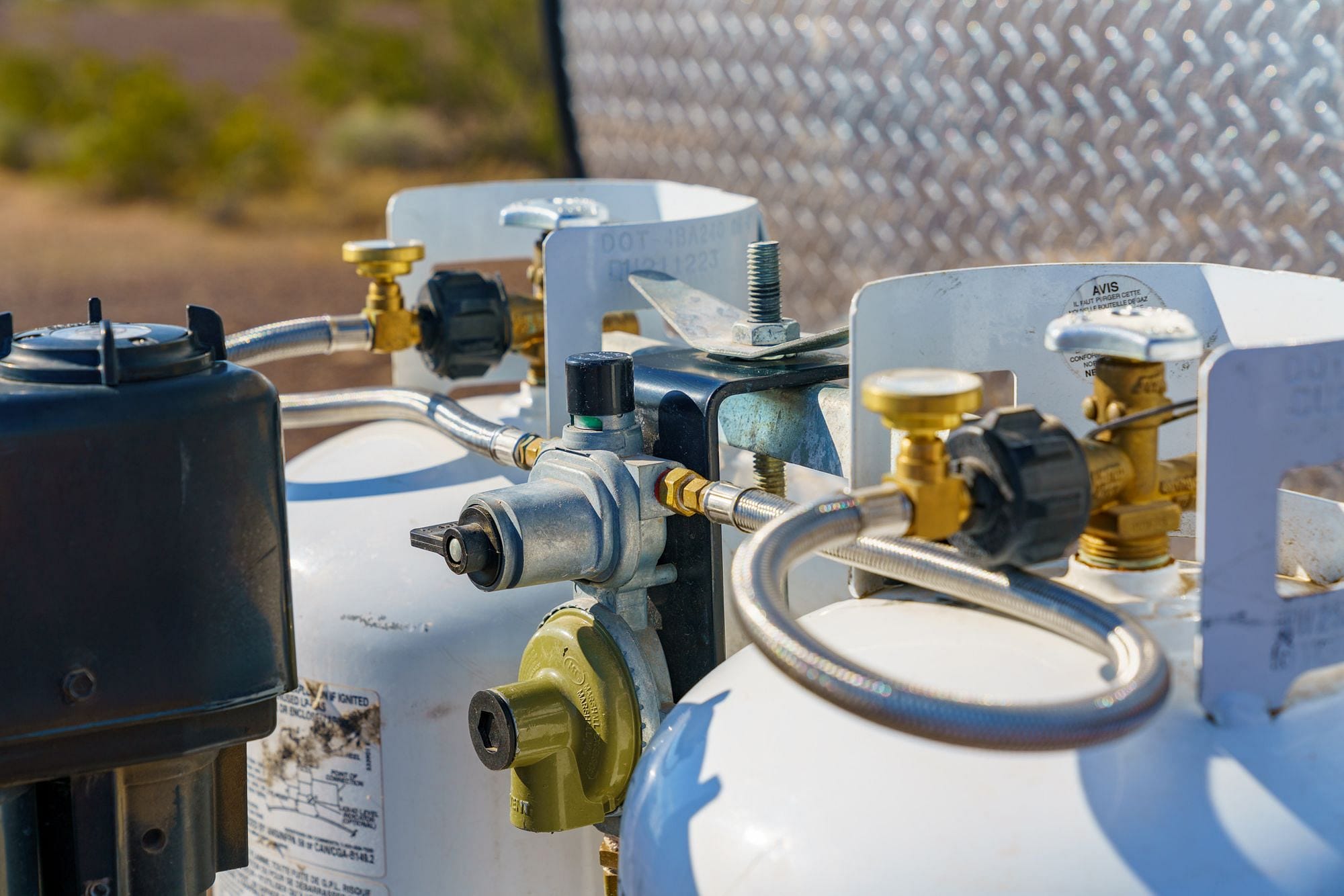
Two Propane Tanks To One Regulator
Maximizing Propane Power: A Guide to Using Two Tanks with One Regulator for Your HVAC System
For homeowners relying on propane to fuel their HVAC systems, ensuring a consistent and reliable gas supply is paramount. While a single propane tank might suffice for some, properties with higher heating or cooling demands, or those in regions with extended cold winters, often benefit from a dual-tank setup feeding into a single regulator. This configuration offers increased capacity, prolonged run times, and peace of mind. This comprehensive guide will explore the advantages, considerations, and best practices associated with using two propane tanks with one regulator for your HVAC system, helping you make an informed decision for your home.
Why Choose a Dual-Tank System?
The primary motivation for connecting two propane tanks to a single regulator is to increase the overall propane storage capacity. This provides several key advantages:
- Extended Run Time: With double the propane, your HVAC system can run longer without requiring a refill. This is especially beneficial during peak heating or cooling seasons when demand is highest.
- Reduced Refill Frequency: Less frequent refills translate to convenience and potential cost savings. You'll spend less time coordinating deliveries and potentially benefit from bulk propane pricing.
- Backup Capacity: A dual-tank setup offers a built-in reserve. If one tank runs low, the second tank provides a buffer, preventing your HVAC system from shutting down unexpectedly. This is crucial for maintaining consistent comfort and preventing potential damage from freezing pipes during winter.
- Suitable for High-Demand Appliances: If you're using propane for multiple appliances, such as a furnace, water heater, and stove, a larger capacity is essential to meet the combined demand.
Understanding the Regulator's Role
The regulator is a critical component in any propane system. It's responsible for reducing the high pressure of the propane gas stored in the tanks to a safe and usable pressure for your HVAC appliances. A single regulator connected to two tanks ensures a consistent and stable gas supply, optimizing the performance of your heating and cooling equipment.
Choosing the Right Regulator: When connecting two propane tanks, it's crucial to select a regulator with sufficient capacity to handle the combined flow rate of both tanks. Consult with a qualified HVAC technician or propane supplier to determine the appropriate regulator size for your specific needs.
Types of Propane Regulators
Several types of propane regulators are available, each designed for different applications and flow rates. Common types include:
- Single-Stage Regulators: These regulators reduce the tank pressure to the appliance pressure in a single step. They are generally less expensive but may experience pressure fluctuations under high demand.
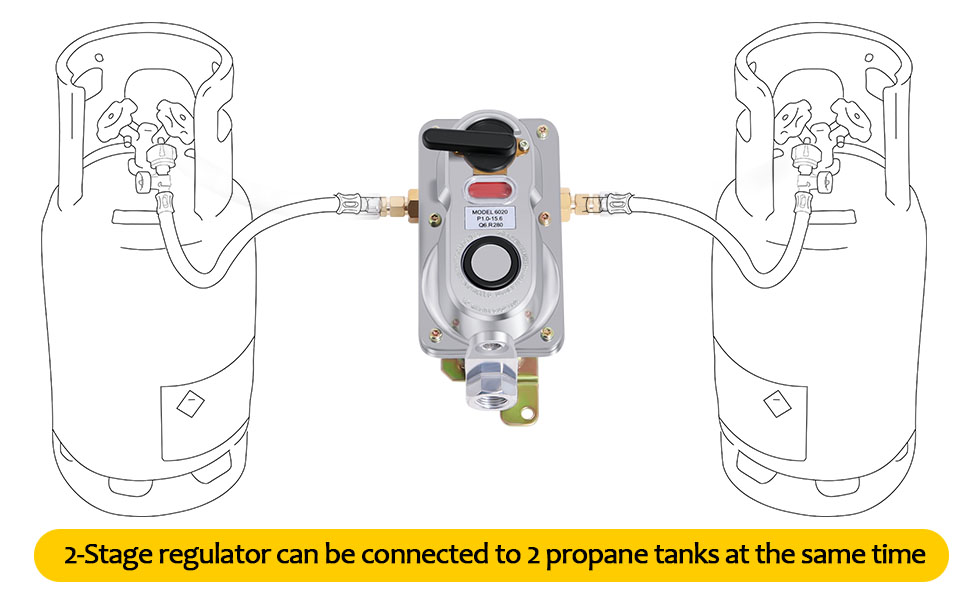
- Two-Stage Regulators: These regulators reduce the tank pressure in two stages, providing a more consistent and stable outlet pressure. They are ideal for applications with varying demand and are generally recommended for HVAC systems.
- Automatic Changeover Regulators: These regulators automatically switch from one tank to the other when the first tank is empty. They offer a seamless transition, ensuring an uninterrupted gas supply. These are often the preferred choice for dual-tank systems.
Connecting Two Propane Tanks to One Regulator: Step-by-Step Guide
While it's highly recommended to have a qualified professional install and connect your propane tanks and regulator, understanding the process can help you appreciate the complexity and ensure the job is done correctly. Never attempt to work on a propane system without proper training and safety precautions.
- Safety First: Ensure the area is well-ventilated and free of ignition sources. Turn off the propane supply at both tanks before starting.
- Gather Your Materials: You'll need two propane tanks, a regulator with the appropriate capacity, propane hoses, fittings, and Teflon tape.
- Connect the Hoses: Attach propane hoses to the POL (P.O.L. - Prest-O-Lite) valves on each tank. Use Teflon tape on the threads to ensure a tight seal.
- Connect to the Regulator: Connect the other ends of the hoses to the inlet ports on the regulator. Again, use Teflon tape on the threads.
- Test for Leaks: Once everything is connected, slowly open the valves on both tanks. Use a soapy water solution to check for leaks at all connections. If you find a leak, tighten the connection or replace the fitting.
- Adjust the Regulator: Adjust the regulator to the appropriate outlet pressure for your HVAC system. Refer to your appliance's manual for the recommended pressure setting.
Safety Considerations and Best Practices
Propane is a flammable gas, so safety should always be your top priority. Here are some essential safety considerations and best practices:
- Professional Installation: It's highly recommended to have a qualified HVAC technician or propane professional install and connect your propane tanks and regulator. They have the expertise and equipment to ensure a safe and reliable installation.
- Regular Inspections: Inspect your propane system regularly for leaks, damage, or corrosion. Schedule professional inspections at least once a year.
- Leak Detection: Install a propane leak detector in your home to provide early warning of any leaks.
- Proper Ventilation: Ensure adequate ventilation around your propane tanks and appliances.
- Emergency Procedures: Familiarize yourself with the emergency procedures for propane leaks, including turning off the gas supply and evacuating the area.
- Tank Placement: Propane tanks must be placed outdoors, away from ignition sources, and on a level, stable surface. Check local regulations for specific requirements.
Cost Considerations
The cost of setting up a dual-tank propane system with a single regulator will vary depending on several factors, including the size of the tanks, the type of regulator, the length of the hoses, and the cost of professional installation. Generally, you can expect to pay between $500 and $1500 for the entire setup.
Potential Savings: While the initial investment may seem significant, a dual-tank system can lead to long-term cost savings due to reduced refill frequency and potential bulk propane pricing.
Popular HVAC Brands and Models for Propane Systems
Many HVAC brands offer propane-compatible furnaces and air conditioners. Here are a few popular brands and models known for their reliability and efficiency:
- Lennox: Lennox offers a range of high-efficiency propane furnaces with AFUE (Annual Fuel Utilization Efficiency) ratings up to 98%. Their SLP98DF model is a popular choice.
- Carrier: Carrier's propane furnaces boast AFUE ratings up to 98.5%. Consider their Infinity 98 series for top-of-the-line performance.
- Trane: Trane offers reliable propane furnaces with AFUE ratings ranging from 80% to 97%. The S9V2 is a well-regarded model.
- Rheem: Rheem provides a variety of propane furnaces with AFUE ratings up to 97%. Their Prestige Series offers excellent energy efficiency.
When selecting an air conditioner or heat pump for use with a propane furnace, look for models with high SEER (Seasonal Energy Efficiency Ratio) and HSPF (Heating Seasonal Performance Factor) ratings. A higher SEER rating indicates better cooling efficiency, while a higher HSPF rating indicates better heating efficiency for heat pumps. Some manufacturers such as Mitsubishi Electric also offer propane-powered VRF (Variable Refrigerant Flow) systems.
Warranties and Maintenance
Most propane furnaces and air conditioners come with a manufacturer's warranty, typically covering parts for 5 to 10 years. Some manufacturers also offer extended warranties that cover labor costs. It's essential to register your HVAC equipment after installation to ensure you're covered by the warranty.
Regular maintenance is crucial for maximizing the lifespan and efficiency of your propane HVAC system. Schedule annual tune-ups with a qualified technician to inspect and clean your equipment. This will help prevent breakdowns, improve energy efficiency, and ensure your system is operating safely.
Conclusion
Connecting two propane tanks to a single regulator can be a wise investment for homeowners seeking increased propane capacity, reduced refill frequency, and a reliable backup supply. By understanding the benefits, considerations, and best practices outlined in this guide, you can make an informed decision and ensure your propane HVAC system provides years of comfortable and efficient heating and cooling.