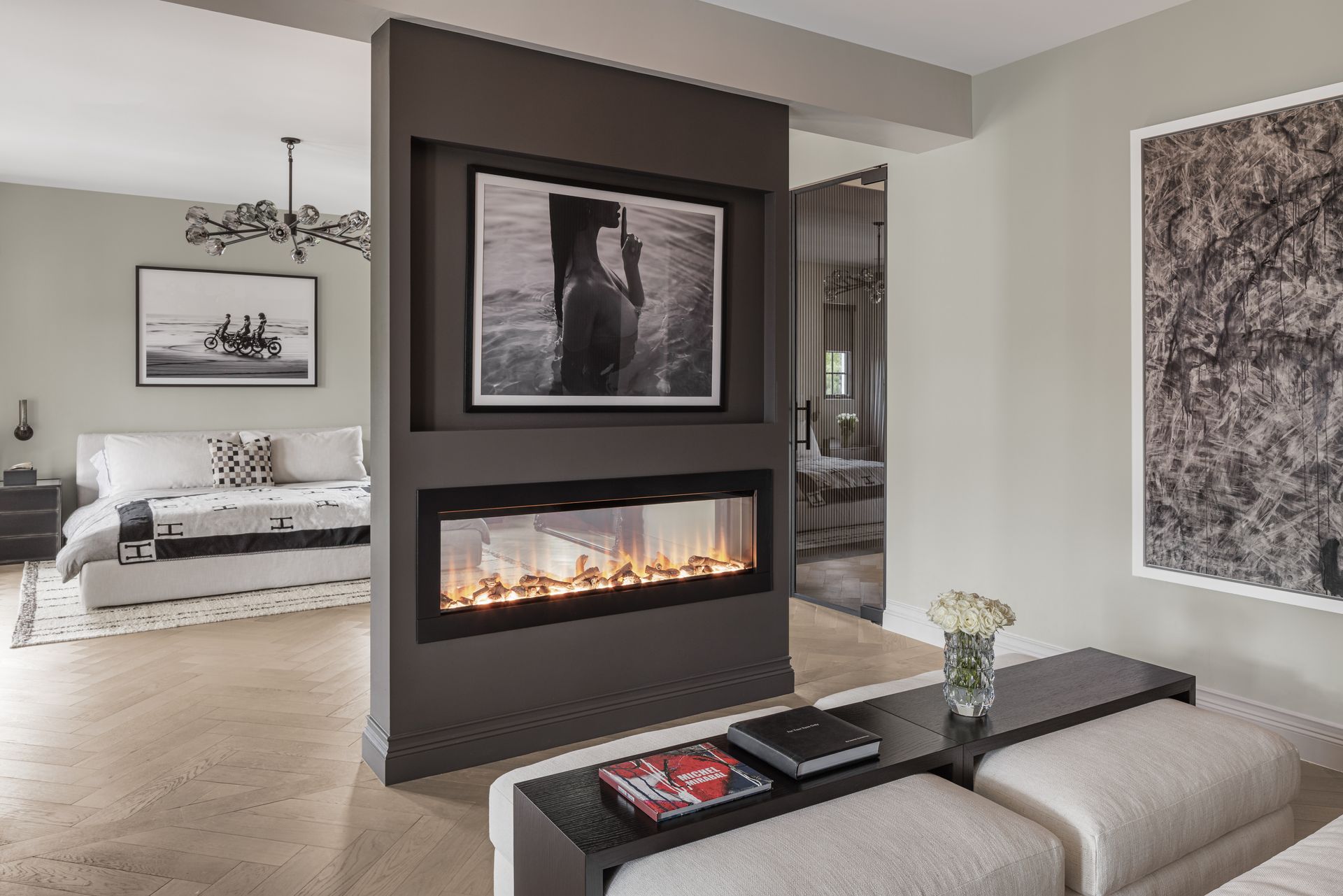
Two Sided Fireplace Ideas

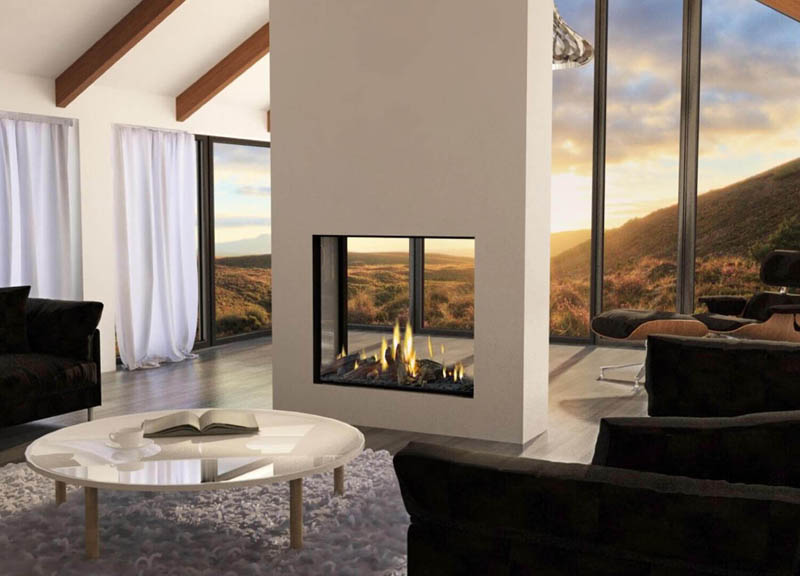
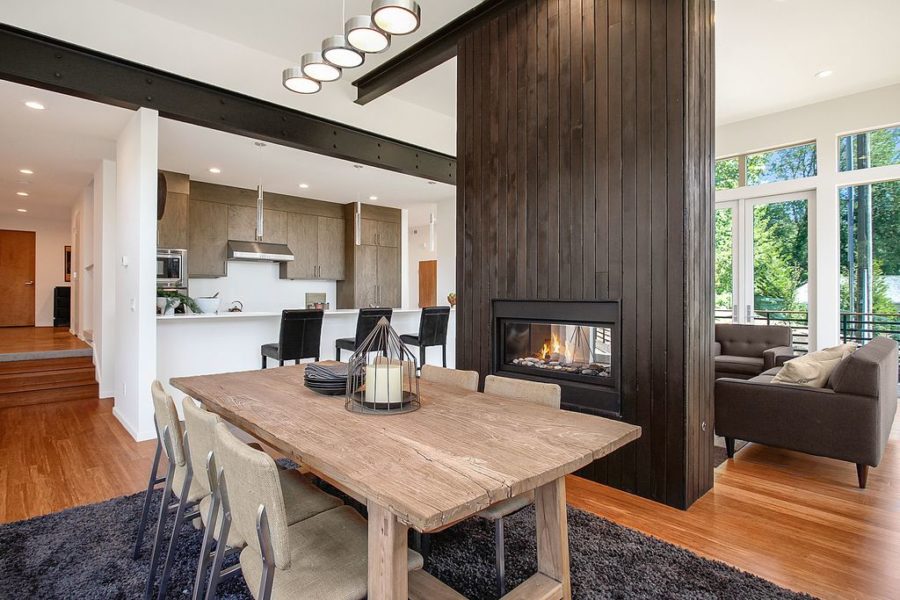
Two-sided fireplaces, also known as see-through fireplaces, are gaining popularity in modern home design. They offer a unique aesthetic appeal, acting as both a room divider and a focal point visible from multiple areas. While their visual impact is undeniable, HVAC professionals need to understand the implications these fireplaces have on heating efficiency, ventilation, and overall indoor air quality. This article explores two-sided fireplace ideas, associated HVAC considerations, and relevant career paths within the industry.
Understanding Two-Sided Fireplaces and HVAC Integration
Two-sided fireplaces create a unique challenge for HVAC systems. Unlike traditional fireplaces that typically heat one room, these models distribute heat across two distinct spaces. This can lead to uneven temperature distribution, drafts, and potential inefficiencies if not properly addressed during installation and maintenance. Furthermore, the flue and venting systems need careful planning to ensure proper exhaust and prevent backdrafting, which can be dangerous.
Types of Two-Sided Fireplaces:
- Gas Fireplaces: Gas fireplaces offer convenience and ease of use. They are typically more energy-efficient than wood-burning models and can be easily controlled with a thermostat. However, proper gas line installation and venting are crucial and require qualified technicians.
- Wood-Burning Fireplaces: While offering a traditional aesthetic, wood-burning fireplaces can be less efficient and produce more particulate matter. They require a robust venting system and careful consideration of local air quality regulations.
- Electric Fireplaces: Electric fireplaces are the simplest to install, requiring no venting. They are primarily decorative but can provide supplemental heat. They pose less risk to indoor air quality but also contribute less to overall heating.
HVAC Considerations for Two-Sided Fireplace Installation
Several HVAC-related factors require careful consideration when installing a two-sided fireplace:
- Ventilation: Proper ventilation is essential to prevent the buildup of carbon monoxide and other harmful gases, especially with wood-burning and gas fireplaces. Dedicated fresh air intakes and exhaust systems may be necessary.
- Airflow: The fireplace can disrupt airflow patterns in the home, creating hot spots and cold spots. An HVAC system may need adjustments to compensate for these changes. Zone control systems can be particularly effective in maintaining even temperatures.
- Ductwork: The location of existing ductwork may need to be modified to accommodate the fireplace and ensure efficient heat distribution.
- Combustion Air: Ensuring adequate combustion air is crucial for the safe and efficient operation of gas and wood-burning fireplaces. This may require installing dedicated air ducts.
Example: Consider a homeowner installing a two-sided gas fireplace between a living room and a dining room. An HVAC technician would need to assess the existing ductwork, calculate the heating load for both rooms, and ensure that the fireplace has adequate venting and combustion air. They might recommend installing a zone control system to maintain consistent temperatures in both spaces.
Certifications and Career Paths in Fireplace HVAC Integration
Working with fireplaces, especially two-sided models, requires specialized knowledge and skills. Several certifications can enhance your expertise and career prospects in this area.
- NATE (North American Technician Excellence): NATE certification demonstrates competency in HVAC installation, service, and repair. While not specifically focused on fireplaces, NATE certification provides a strong foundation for working with heating systems.
- EPA 608 Certification: Required for technicians handling refrigerants, EPA 608 certification is relevant if the HVAC system uses a heat pump or air conditioning to supplement the fireplace's heating capabilities.
- Gas Appliance Certifications: Specific certifications for gas appliance installation and repair are essential for working with gas fireplaces. Check with your local and state licensing boards for specific requirements.
- Fireplace-Specific Training: Several organizations offer specialized training on fireplace installation, maintenance, and repair. These courses can provide valuable knowledge on venting systems, gas line connections, and safety procedures.
Career Paths:
- HVAC Technician: Install, maintain, and repair heating and cooling systems, including those integrated with fireplaces. Salary Range: $45,000 - $75,000 per year (depending on experience and location). According to the Bureau of Labor Statistics, the job outlook for HVAC technicians is projected to grow 6 percent from 2022 to 2032, about as fast as the average for all occupations.
- HVAC Installer: Focus on installing new HVAC systems and fireplaces, ensuring proper venting, gas line connections, and ductwork. Salary Range: $40,000 - $65,000 per year.
- HVAC Service Technician: Diagnose and repair problems with HVAC systems and fireplaces, including troubleshooting venting issues, gas leaks, and temperature imbalances. Salary Range: $48,000 - $80,000 per year.
- HVAC Design Engineer: Design HVAC systems for new construction and renovations, considering the impact of fireplaces on heating and cooling loads. Salary Range: $65,000 - $100,000+ per year (requires a bachelor's degree in engineering).
- Home Inspector: Inspect homes for potential problems, including faulty fireplace installations and inadequate venting. Salary Range: $50,000 - $80,000 per year.
"Specializing in fireplace integration within HVAC systems can be a lucrative niche. The demand for energy-efficient and safe fireplace installations is growing, creating opportunities for skilled technicians," says John Smith, a NATE-certified HVAC technician with 15 years of experience.
Marketing Your Expertise
For HVAC professionals, highlighting expertise in fireplace integration can be a valuable marketing strategy. Consider the following:
- Website Content: Create website content that showcases your experience with two-sided fireplaces, including case studies, testimonials, and informative articles.
- Social Media: Share photos and videos of your work on social media platforms, highlighting the benefits of proper HVAC integration with fireplaces.
- Partnerships: Partner with fireplace retailers and contractors to offer comprehensive installation and maintenance services.
- Continuing Education: Stay up-to-date on the latest technologies and best practices related to fireplace HVAC integration.
The Future of Fireplaces and HVAC
The integration of fireplaces and HVAC systems is likely to become even more sophisticated in the future. Smart home technology and advanced control systems will enable homeowners to optimize energy efficiency and maintain comfortable temperatures throughout their homes. HVAC technicians who embrace these advancements will be well-positioned for success in the evolving industry.
For example, imagine a smart home system that automatically adjusts the HVAC system based on the fireplace's output, ensuring consistent temperatures and minimizing energy waste. This level of integration requires skilled technicians who understand both fireplace technology and advanced HVAC controls.
In conclusion, two-sided fireplaces offer a unique design element but require careful consideration of HVAC factors. By understanding the principles of ventilation, airflow, and combustion, and by obtaining relevant certifications, HVAC professionals can capitalize on the growing demand for safe and efficient fireplace installations. The future of the industry lies in embracing technology and continuing education to provide homeowners with comprehensive and sustainable solutions.


:max_bytes(150000):strip_icc()/CrispBlaylock3-baa0181ce89b4bdaa657cbc9c89b93d3.jpeg)
:max_bytes(150000):strip_icc()/10PizzaleDesignIncFireplaceCentre2wayFireplaceBlueStoolsKitchenKitchen-dfc9addce9d54069a39e4120a9567113.jpg)