Types Of Air Conditioners For Homes
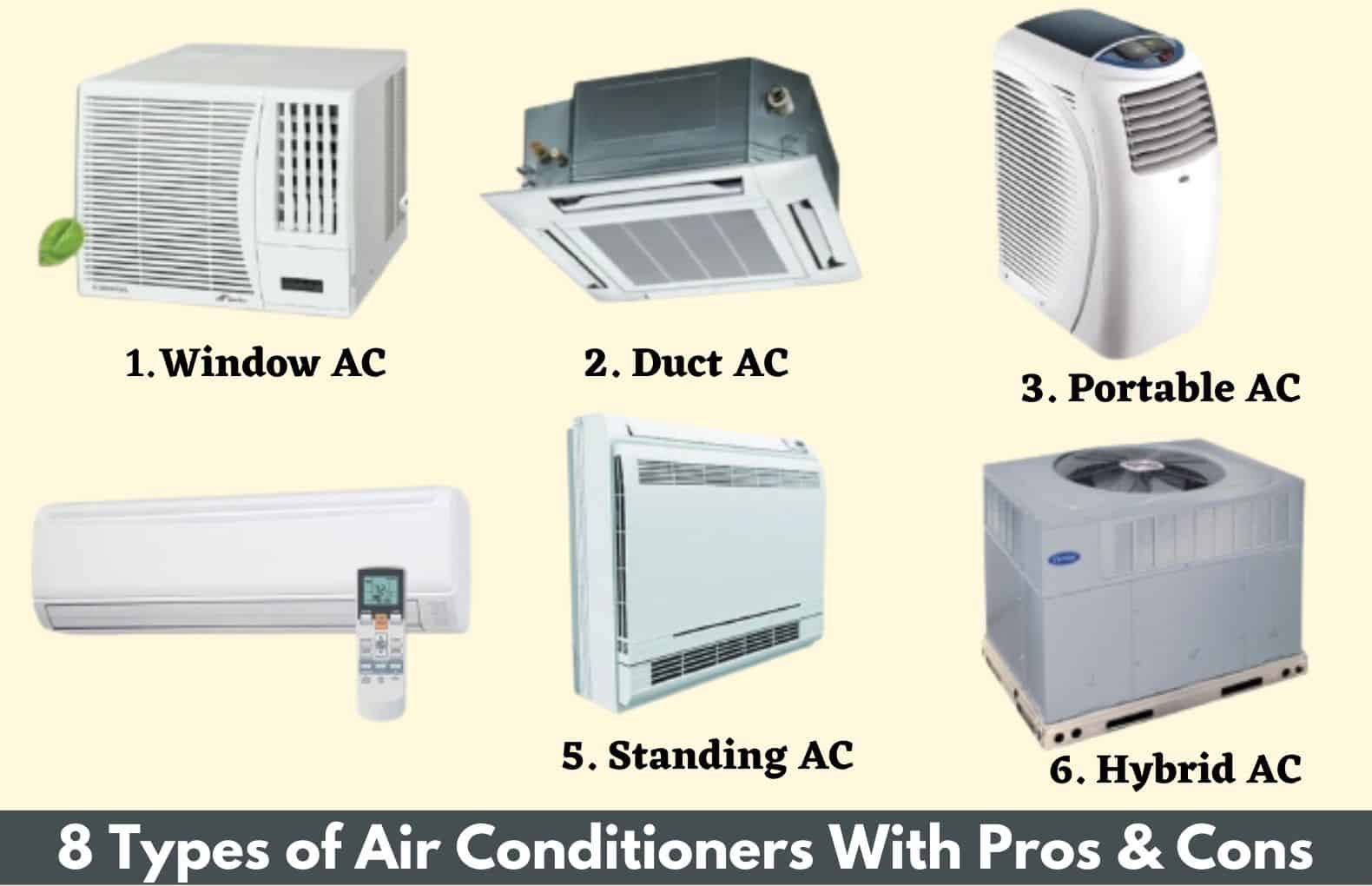
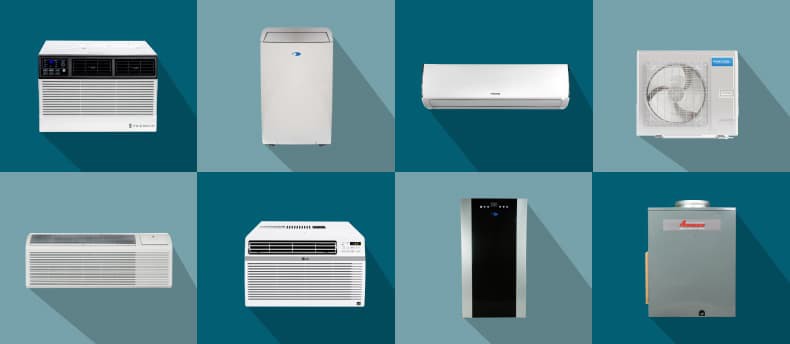
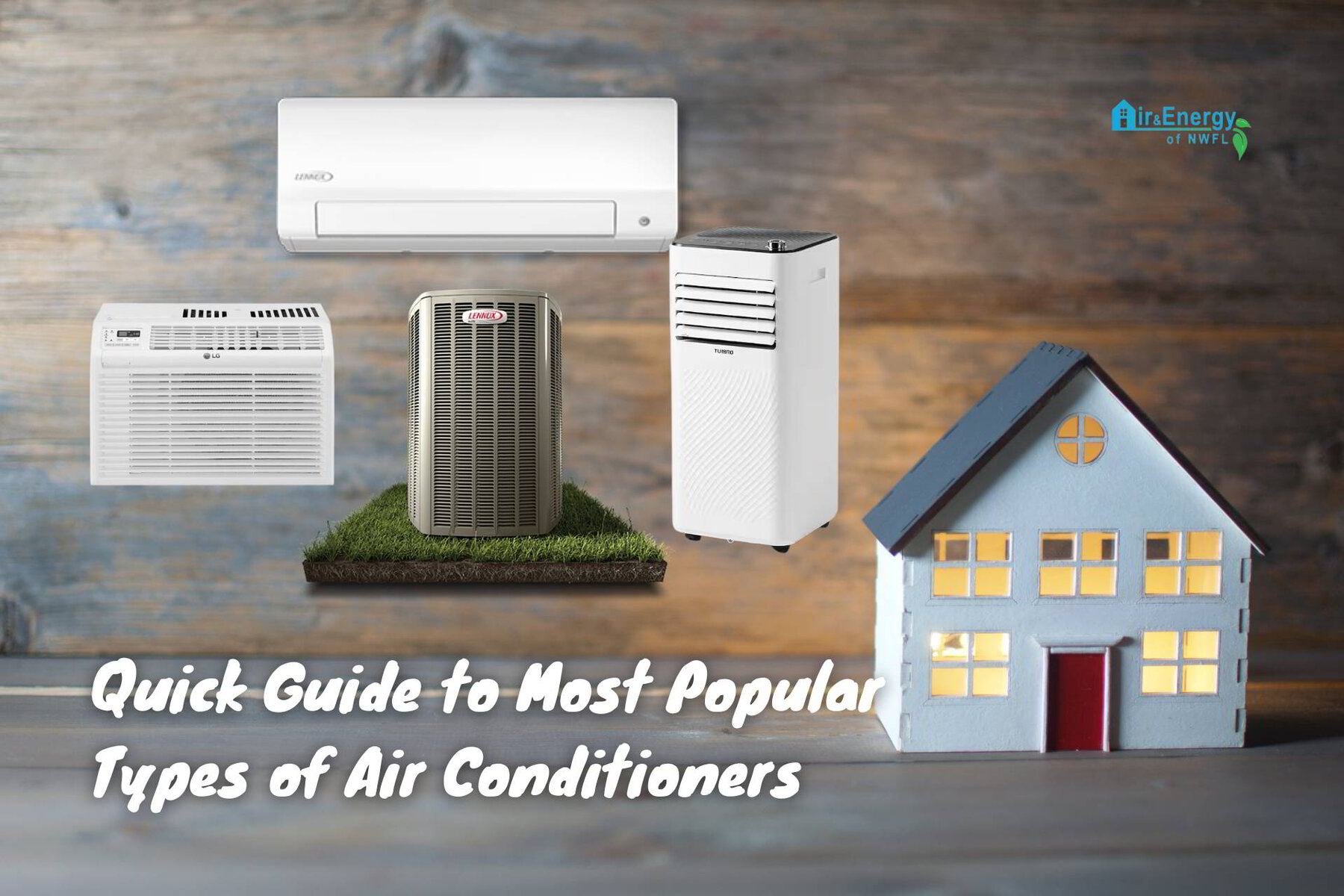
Choosing the right air conditioner for your home or business is a pivotal decision, impacting not only comfort but also your energy bills and environmental footprint. With a wide array of options available, understanding the nuances of each type is crucial for making an informed choice that aligns with your budget, needs, and sustainability goals. This guide explores various types of air conditioners, highlighting their energy efficiency, cost-effectiveness, and suitability for different spaces.
Central Air Conditioning Systems: Whole-Home Cooling
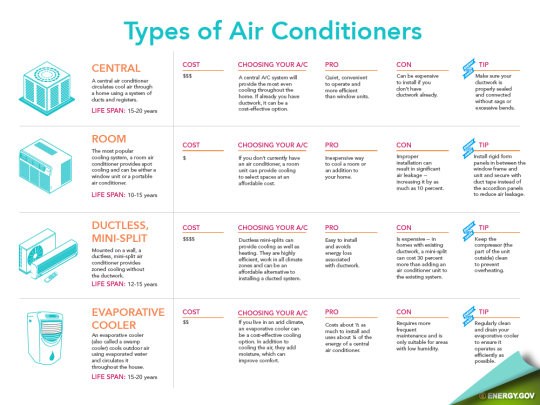
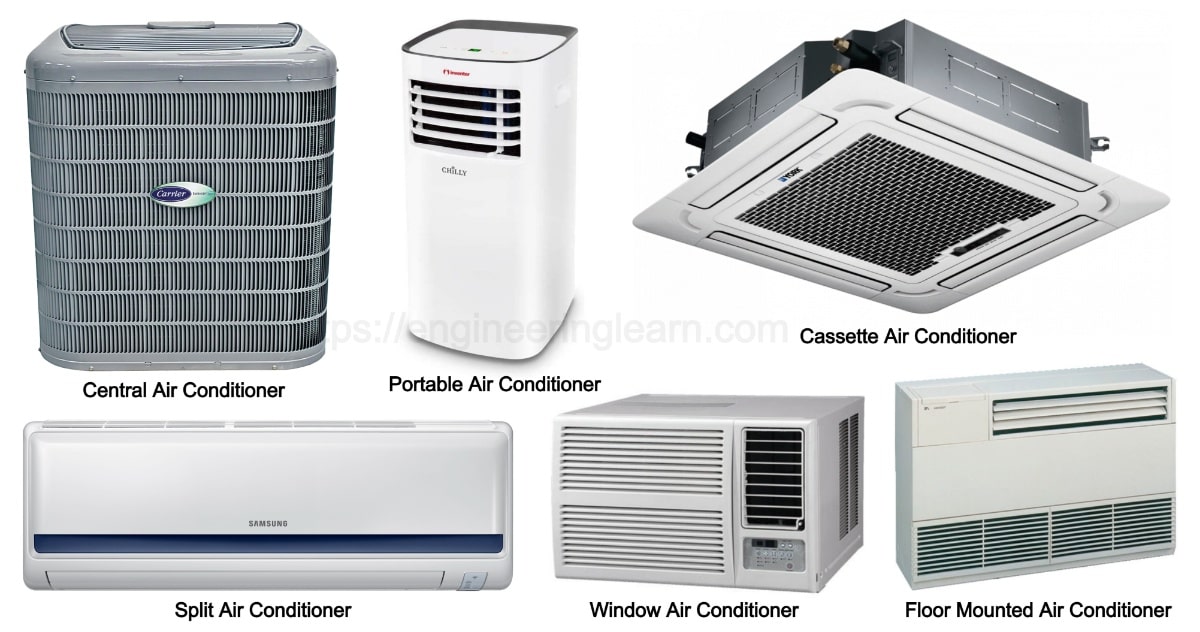
Central air conditioning is the go-to solution for cooling entire homes or large commercial spaces. These systems utilize a network of ducts to distribute cooled air from a central unit throughout the building.
How Central AC Works
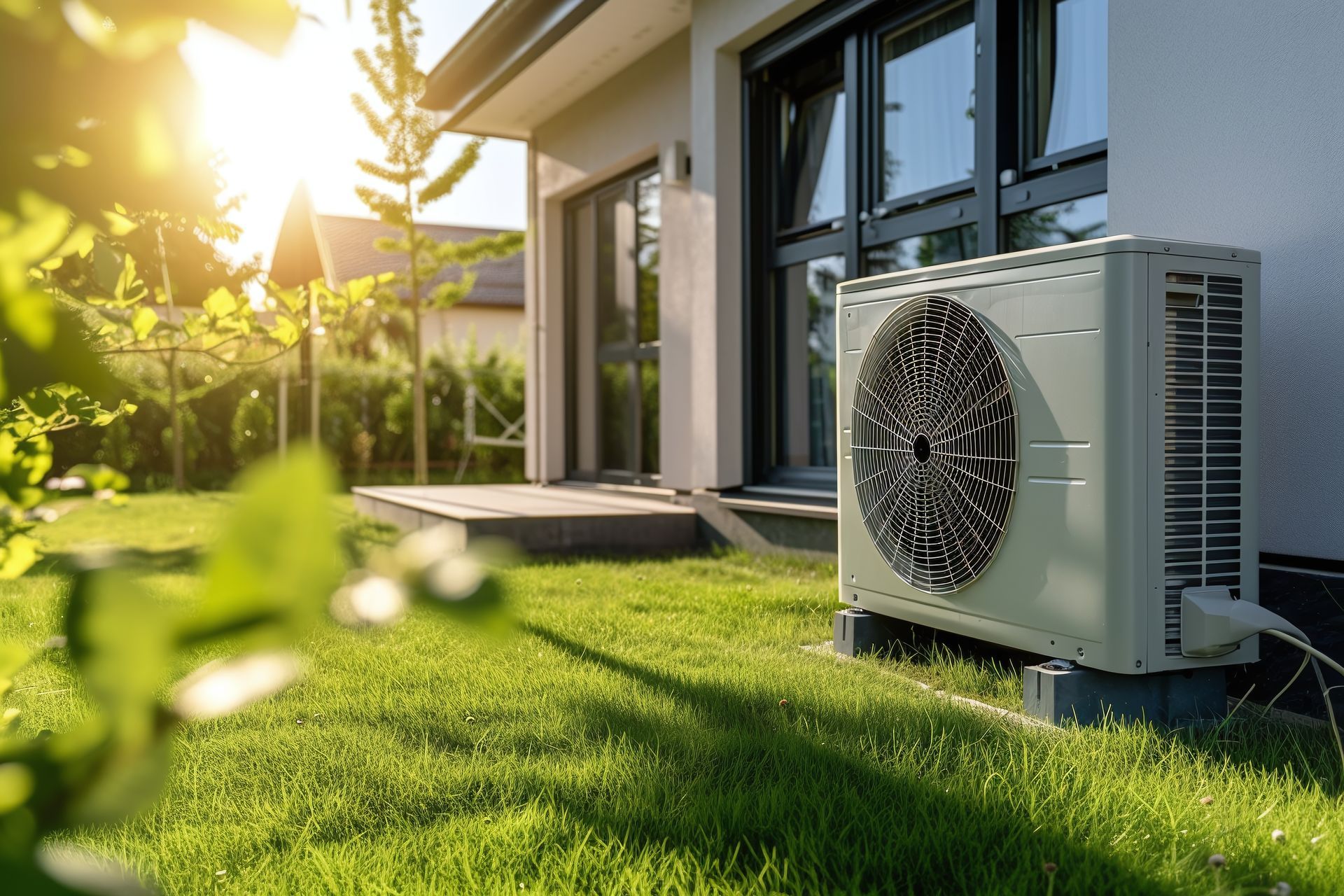
Central AC systems comprise two main components: an outdoor unit (condenser) and an indoor unit (evaporator coil). The outdoor unit releases heat, while the indoor unit cools the air before circulating it. A refrigerant circulates between these units, absorbing and releasing heat.
Efficiency and SEER Ratings
The efficiency of a central AC system is measured by its Seasonal Energy Efficiency Ratio (SEER). The higher the SEER rating, the more efficient the unit. ENERGY STAR certified central AC units typically have SEER ratings of 15 or higher. According to the ENERGY STAR program, upgrading to a high-efficiency central AC system can reduce energy consumption by 20-40% compared to older models. Some advanced models now boast SEER ratings exceeding 20, offering even greater savings.
Advantages of Central AC
- Whole-home cooling: Provides consistent temperatures throughout the entire building.
- Quiet operation: The loudest components are located outside.
- Improved air quality: Often integrated with air filtration systems.
- Increased home value: A desirable feature for potential buyers.
Disadvantages of Central AC
- Higher upfront cost: More expensive to install compared to window units or portable ACs.
- Ductwork required: Existing ductwork may need to be modified or installed, adding to the overall cost.
- Potential for energy loss: Leaky ducts can reduce efficiency and increase energy bills.
Ductless Mini-Split Systems: Zoned Cooling Solutions
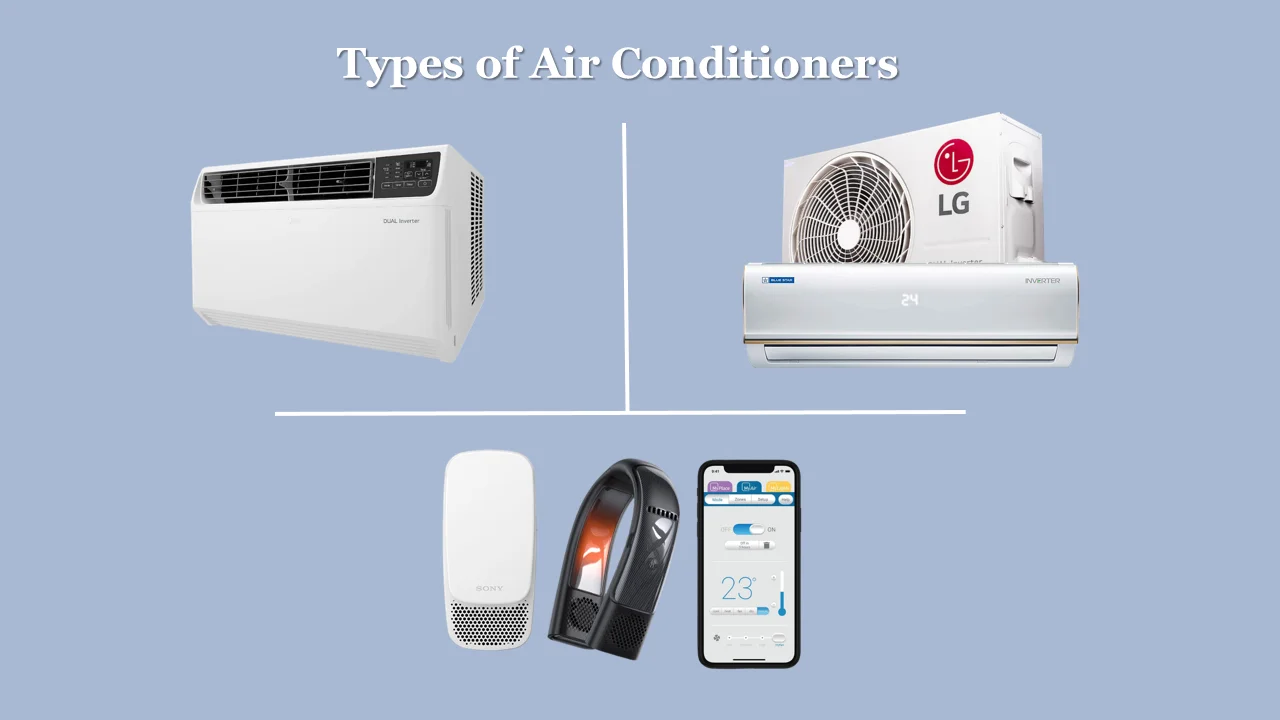
Ductless mini-split systems offer a flexible and energy-efficient alternative to central AC, especially for homes without existing ductwork or for targeting specific zones within a building. These systems consist of an outdoor compressor/condenser and one or more indoor air-handling units, connected by refrigerant lines and electrical wiring.
How Ductless Mini-Splits Work
Mini-split systems deliver cooled (or heated) air directly into a room without the need for ductwork. Each indoor unit can be controlled independently, allowing for personalized temperature settings in different zones.
Energy Efficiency and HSPF Ratings
Ductless mini-splits are known for their high energy efficiency, often exceeding the SEER ratings of central AC systems. They also have a Heating Seasonal Performance Factor (HSPF) rating for heating efficiency. Many models qualify for federal and local rebates due to their energy-saving capabilities. Some ductless systems can achieve SEER ratings of 25 or higher, and HSPF ratings of 10 or higher.
Advantages of Ductless Mini-Splits
- Zoned cooling: Allows for individualized temperature control in different rooms.
- Energy efficiency: Reduces energy waste by cooling only occupied areas.
- Easy installation: Minimal disruption compared to installing ductwork.
- Quiet operation: Indoor units operate quietly.
- Rebates: Often qualify for utility rebates and tax credits.
Disadvantages of Ductless Mini-Splits
- Higher upfront cost: Can be more expensive than window units, especially for multiple zones.
- Aesthetics: Indoor units are visible and may not blend seamlessly with all décor.
- Professional installation required: Needs a qualified technician for installation and maintenance.
Window Air Conditioners: Affordable and Portable Cooling
Window air conditioners are self-contained units designed to be installed in a window. They are a cost-effective and convenient solution for cooling small rooms or apartments.
How Window ACs Work
Window ACs draw air from inside the room, cool it using a refrigerant cycle, and then release the cooled air back into the room. Heat is expelled to the outside through the back of the unit.
Energy Efficiency and EER Ratings
The efficiency of a window AC is measured by its Energy Efficiency Ratio (EER). A higher EER indicates greater efficiency. ENERGY STAR certified window ACs typically have EER ratings of 10 or higher. While they are less efficient than central or ductless systems, newer models incorporate features like programmable timers and sleep modes to minimize energy consumption. Look for models with a Combined Energy Efficiency Ratio (CEER), which considers factors beyond just EER.
Advantages of Window ACs
- Low upfront cost: More affordable than central or ductless systems.
- Easy installation: Can be installed by homeowners.
- Portability: Can be moved from room to room as needed.
Disadvantages of Window ACs
- Limited cooling capacity: Suitable only for small spaces.
- Noisy operation: Can be louder than other types of AC.
- Obstructed window: Blocks natural light and ventilation.
- Lower energy efficiency: Less efficient than central or ductless systems.
Portable Air Conditioners: Flexible and Convenient Cooling
Portable air conditioners are self-contained units that can be moved from room to room. They are a good option for renters or for cooling rooms without windows suitable for window AC units.
How Portable ACs Work
Portable ACs cool air using a refrigerant cycle and vent hot air to the outside through a hose, typically placed in a window. Some models have two hoses: one to draw in fresh air from outside and another to exhaust hot air.
Energy Efficiency
Portable ACs are generally less energy-efficient than window ACs or ductless mini-splits. Look for models with a good Energy Efficiency Ratio (EER), but be aware that their energy consumption is often higher than other types of ACs. Dual-hose models are more efficient than single-hose models because they don't create negative pressure inside the room.
Advantages of Portable ACs
- Portability: Can be easily moved from room to room.
- No permanent installation required: Suitable for renters.
- Can be used in rooms without windows: If an exhaust vent can be arranged.
Disadvantages of Portable ACs
- Lower energy efficiency: Generally less efficient than other types of AC.
- Noisy operation: Can be quite loud.
- Requires venting: Needs a hose to exhaust hot air.
- Takes up floor space: Can be bulky and take up valuable room space.
Smart HVAC Integration: Enhancing Efficiency and Control
Integrating your air conditioning system with smart home technology can significantly enhance energy efficiency and provide greater control over your indoor climate. Smart thermostats, sensors, and apps allow you to monitor and adjust temperatures remotely, optimize energy usage, and receive alerts about potential issues.
Smart Thermostats
Smart thermostats learn your heating and cooling preferences and automatically adjust the temperature based on your schedule, occupancy, and weather conditions. Many models can be controlled via smartphone apps, allowing you to adjust the temperature from anywhere. Some thermostats can even detect when you are away and automatically lower the temperature to save energy.
Smart Sensors
Smart sensors can be placed in different rooms to monitor temperature, humidity, and occupancy. This data can be used to optimize the performance of your AC system and ensure that each room is comfortable. For example, if a sensor detects that a room is unoccupied, the AC can be automatically turned off or lowered in that zone.
Smart Apps
Smart apps provide a centralized platform for controlling all your HVAC devices. You can use these apps to set schedules, adjust temperatures, monitor energy usage, and receive alerts about maintenance needs. Some apps can even integrate with other smart home devices, such as lights and blinds, to further optimize energy efficiency.
ROI of Smart HVAC Integration
While the initial investment in smart HVAC technology may be higher, the long-term return on investment can be significant. By optimizing energy usage, you can reduce your energy bills and lower your carbon footprint. In addition, smart HVAC systems can help to extend the lifespan of your equipment by preventing unnecessary wear and tear.
Choosing the Right Air Conditioner: Factors to Consider
Selecting the right air conditioner for your home or business requires careful consideration of several factors:
- Size of the space: Determine the square footage of the area you need to cool.
- Climate: Consider the average temperature and humidity levels in your region.
- Budget: Establish a budget that includes the cost of the unit, installation, and ongoing maintenance.
- Energy efficiency: Look for models with high SEER, EER, or HSPF ratings.
- Features: Consider features such as programmable timers, sleep modes, and smart home integration.
- Installation: Determine whether you can install the unit yourself or if you need professional installation.
- Rebates and incentives: Check for available federal, state, and local rebates and tax credits.
By carefully evaluating these factors, you can choose an air conditioner that meets your needs and helps you save money on your energy bills.
Making an informed decision about your air conditioning system is an investment in your comfort, your wallet, and the environment. By understanding the different types of air conditioners available and their respective benefits and drawbacks, you can choose the right system for your home or business and enjoy cool, comfortable, and energy-efficient indoor spaces.