Types Of Central Air Conditioning Systems

It's a sweltering summer day, and you walk inside expecting a cool blast of air, only to be met with… well, not much. The air conditioner is running, but it's barely cooler than outside. This is a common problem for homeowners, and before you call for expensive professional help, let's explore some simple troubleshooting steps you can take, depending on the type of central air conditioning system you have.
Understanding Your Central Air System Type
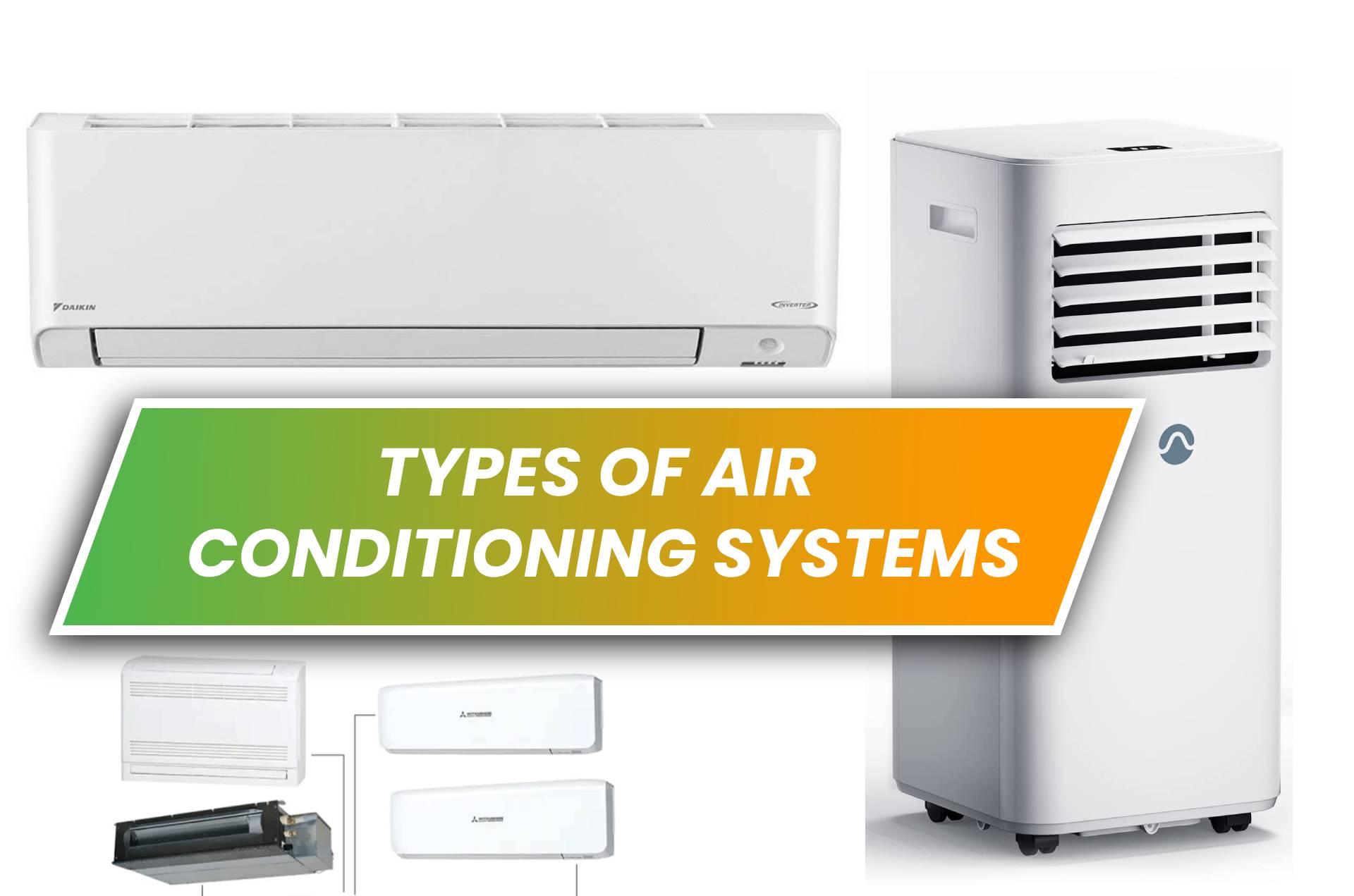
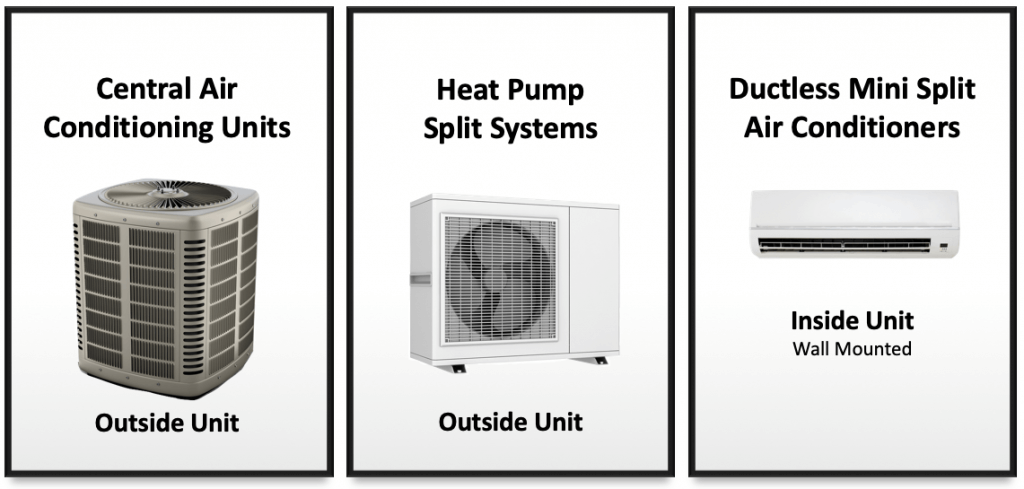
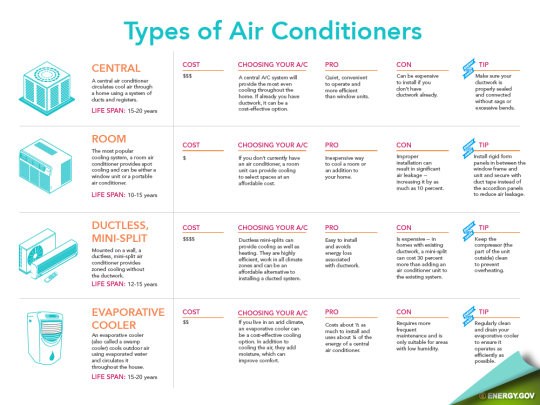
Central air conditioning systems, while sharing the goal of cooling your entire home, come in a few main varieties. Knowing which one you have is crucial for accurate troubleshooting. The two most common types are:
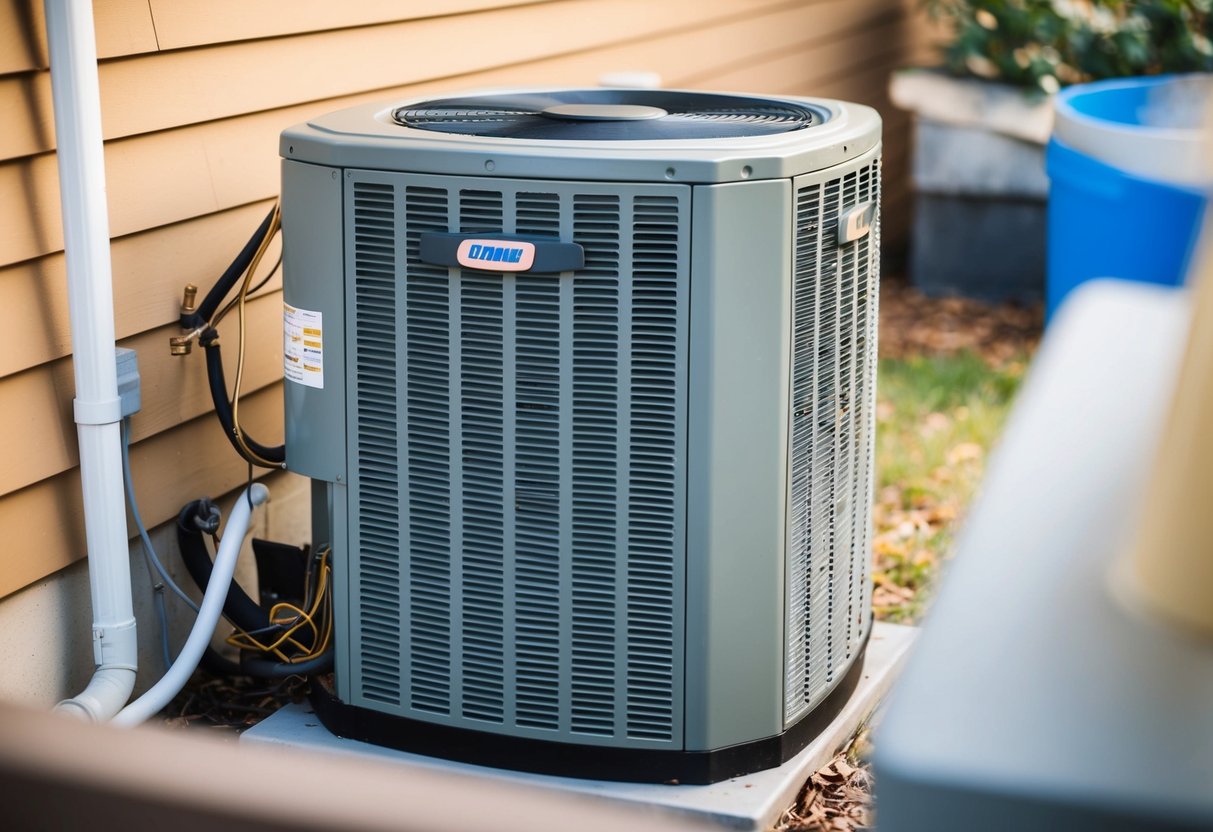
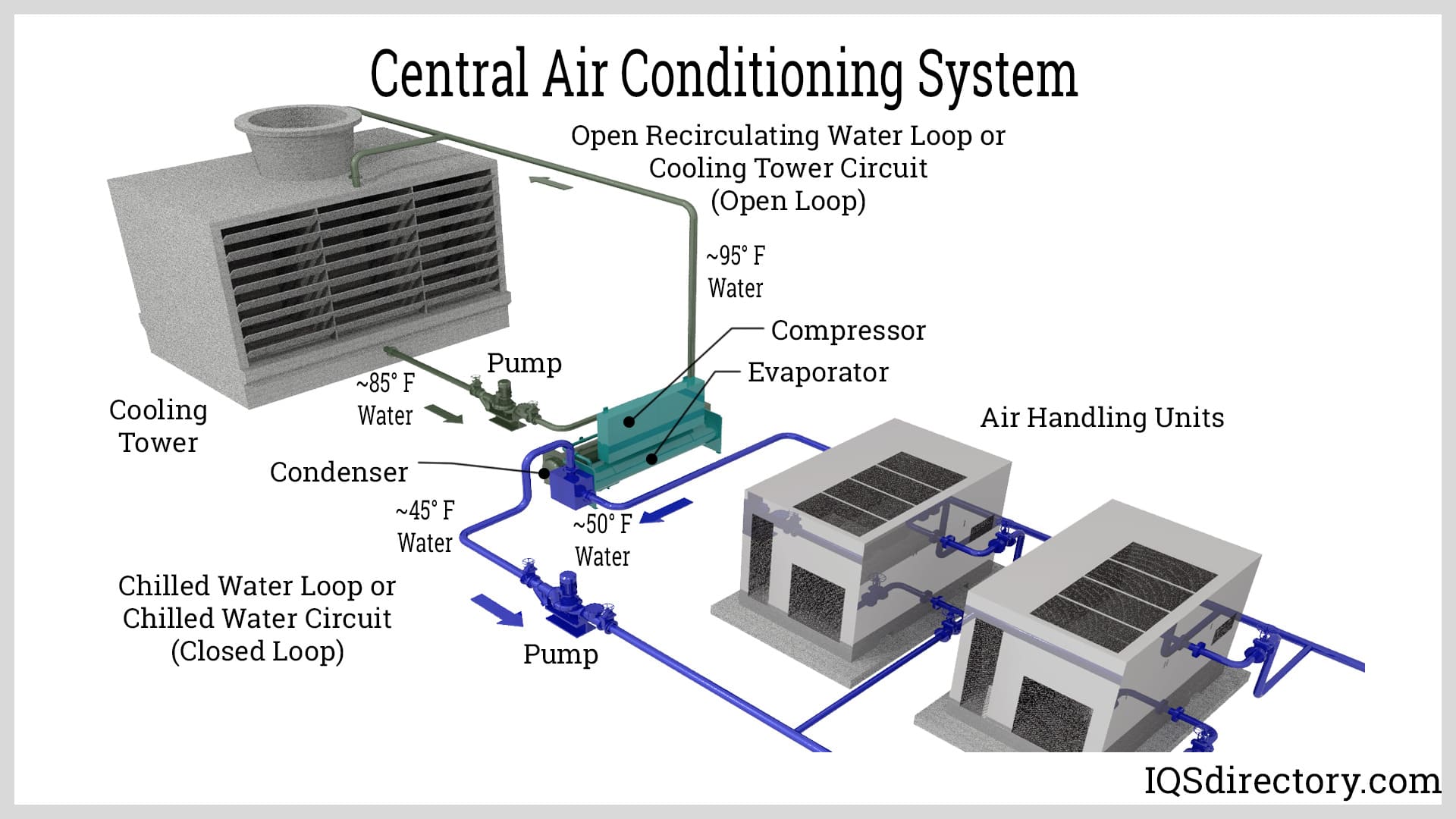
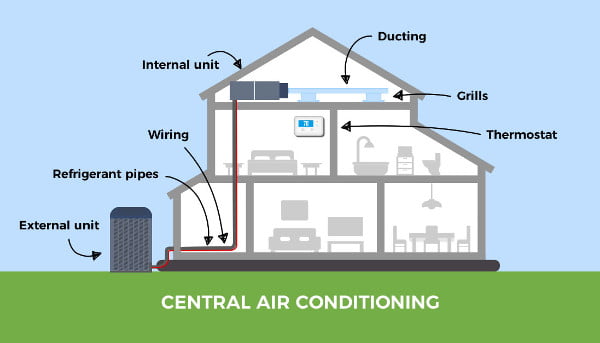
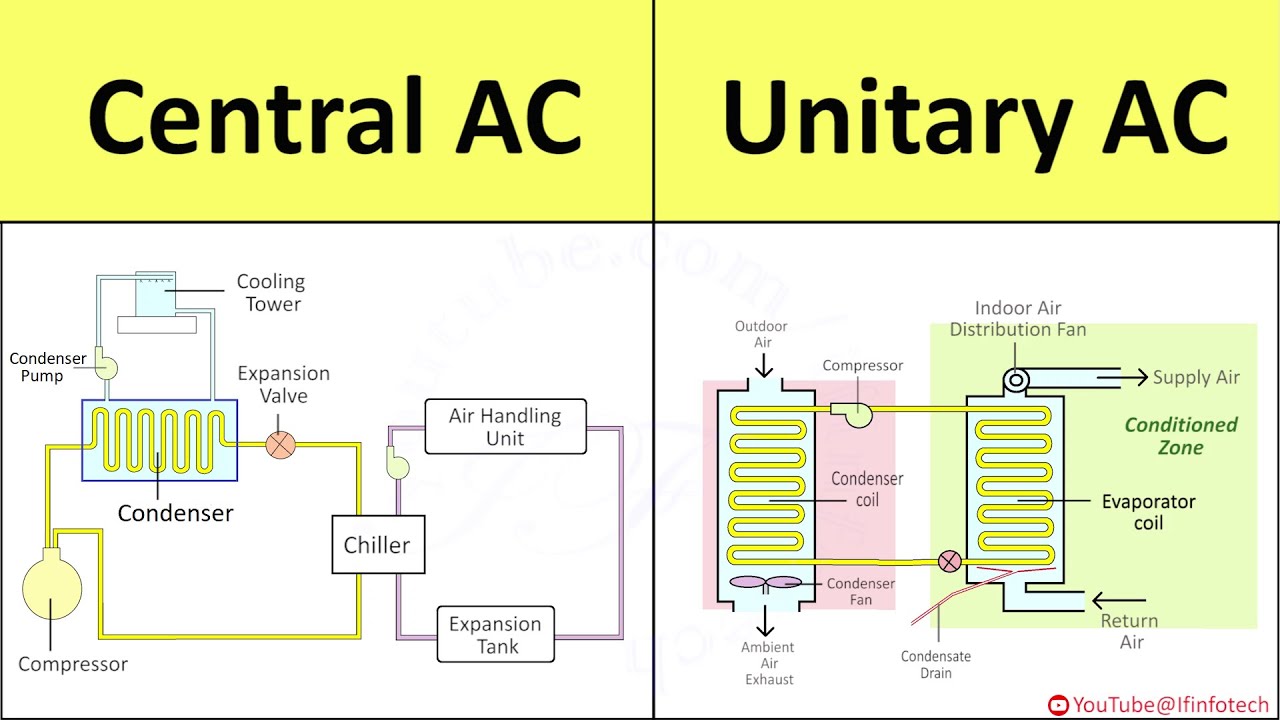
- Split Systems: These are the most prevalent. They have two main components: an outdoor unit (the condenser) and an indoor unit (the evaporator coil, usually housed within your furnace or air handler). The refrigerant circulates between these units, absorbing heat inside and releasing it outside.
- Packaged Systems: In this type, all components (condenser, evaporator, and sometimes even the furnace/air handler) are housed in a single outdoor unit. These are often found on rooftops or slabs outside the house. They are typically used in warmer climates or smaller homes.
Less common, but still present in some homes, are:
- Heat Pumps: While primarily used for heating, heat pumps also provide cooling. They work by reversing the refrigeration cycle, moving heat *out* of your home in the summer. They look similar to split systems, but have additional components to enable the reversing process. Troubleshooting for cooling issues is similar to split systems.
- Ductless Mini-Split Systems: While technically "central" because they can cool multiple rooms, these systems consist of individual indoor units (air handlers) connected to an outdoor unit. Each indoor unit cools a specific zone. Troubleshooting these involves checking each unit individually.
For this article, we'll focus primarily on Split Systems, as they're the most common. However, many of the principles apply to other types as well. Look for component similarities to adapt the steps.
Common Problem: Weak or No Cooling
As mentioned earlier, the most frequent complaint is that the air conditioner is running, but the air coming out of the vents is weak, warm, or not cool enough.
Step 1: Check the Thermostat
It sounds obvious, but it's the first and easiest step. Ensure your thermostat is set to "Cool" and that the desired temperature is significantly lower than the current room temperature. Also, check the batteries if it's a digital thermostat. A low battery can sometimes cause malfunctions.
DIY Fix: Replace the batteries, double-check the settings, and wait a few minutes to see if the system responds. If that doesn't work, move on to the next step.
Step 2: Inspect the Air Filter
A dirty air filter is the most common cause of poor cooling. A clogged filter restricts airflow, making the system work harder and reducing its cooling capacity. It can even lead to the evaporator coil freezing up.
Diagnosis: Locate your air filter (usually near the indoor unit, either in the air handler or furnace). Remove it and inspect it. If it's visibly dirty, clogged with dust, or difficult to see light through, it needs replacing.
DIY Fix: Replace the air filter with a new one of the correct size and type. Check your furnace/air handler manual for the recommended filter type (MERV rating). This simple act can often solve the problem immediately.
Step 3: Check the Outdoor Unit (Condenser)
The outdoor condenser unit needs to be able to release heat effectively. Obstructions can severely hinder this process.
Diagnosis:
- Visual Inspection: Look for anything blocking the airflow around the unit. This includes overgrown bushes, weeds, leaves, debris, or even snow in winter (if you're running the heat pump for cooling in milder seasons).
- Fan Operation: Make sure the fan is spinning freely and not making unusual noises. If the fan isn't running, the unit won't cool properly.
DIY Fixes:
- Clear Obstructions: Remove any vegetation, debris, or obstructions around the unit. Give it at least 2-3 feet of clearance on all sides.
- Clean the Fins: Over time, the condenser fins (the metal grates around the unit) can become clogged with dirt and debris. You can gently clean them with a garden hose. Use a low-pressure nozzle and spray from the inside out to avoid bending the fins. You can also use a fin comb (available at most hardware stores) to straighten any bent fins. Turn off the power to the unit at the breaker before cleaning.
Step 4: Inspect the Indoor Unit (Evaporator Coil)
The evaporator coil is located inside the air handler or furnace and is responsible for absorbing heat from the air. If it's dirty or frozen, it won't function properly.
Diagnosis: This step requires caution. If you're not comfortable working with electrical components, skip this and call a professional.
- Access: You'll need to access the evaporator coil. This usually involves removing an access panel on your air handler or furnace. Turn off the power to the unit at the breaker before opening anything up.
- Visual Inspection: Look for signs of ice buildup on the coil. If you see ice, it means the coil is frozen. Also, check for excessive dirt and dust on the coil.
DIY Fixes (if no ice is present and you are comfortable proceeding):
- Cleaning (if dusty): You can try gently cleaning the coil with a soft brush and a vacuum cleaner. Be very careful not to damage the delicate fins. Coil cleaner specifically designed for HVAC systems can also be used, following the manufacturer's instructions. Remember to always turn the power off before cleaning.
Step 5: Check the Supply Vents
Sometimes, the problem isn't the air conditioner itself, but rather a blockage or restriction in the ductwork.
Diagnosis: Feel the airflow coming from each supply vent in your home. Are some vents weak or not blowing at all?
DIY Fixes:
- Ensure vents are open: Make sure all supply vents are fully open.
- Check for obstructions: Look for furniture, rugs, or curtains blocking the vents.
- Inspect visible ductwork: If you can access any of the ductwork (e.g., in an unfinished basement or attic), check for obvious leaks or damage. Seal any small leaks with duct tape (though professional sealing is recommended for significant leaks).
When to Call a Professional
While many common air conditioning problems can be addressed with simple DIY fixes, there are certain issues that require the expertise of a qualified HVAC technician. Do not attempt these repairs yourself!
- Refrigerant Leaks: Refrigerant is the fluid that cools the air, and a leak will significantly reduce your system's cooling capacity. Signs include ice buildup on the refrigerant lines, hissing noises, and a system that never seems to cool properly. Handling refrigerant requires specialized equipment and certification.
- Electrical Problems: Any issues involving wiring, capacitors, or other electrical components are best left to a professional. Working with electricity can be dangerous.
- Compressor Issues: The compressor is the heart of the air conditioning system. If it's making strange noises, not running, or the system is tripping the breaker, the compressor may be failing. Compressor replacement is a major repair.
- Frozen Evaporator Coil (that doesn't thaw after a few hours): While a dirty air filter can cause a frozen coil, if the coil continues to freeze even after replacing the filter and waiting for it to thaw, there may be a more serious underlying problem, such as a refrigerant leak or a faulty blower motor.
- Blower Motor Problems: The blower motor circulates air through the system. If it's not running, you won't get any airflow. Repairing or replacing a blower motor can be complex.
Safety First
Always prioritize safety when troubleshooting your air conditioning system:
- Turn off the power: Before working on any electrical components, always turn off the power to the unit at the breaker.
- Wear protective gear: Wear gloves and eye protection when cleaning coils or handling chemicals.
- Don't force anything: If something doesn't seem right or you're unsure about a step, stop and call a professional.
- Read the manual: Consult your air conditioning system's owner's manual for specific instructions and safety information.
Preventative Maintenance
The best way to avoid air conditioning problems is to perform regular preventative maintenance:
- Change the air filter regularly: This is the most important thing you can do. Check it monthly and replace it every 1-3 months, depending on usage and air quality.
- Clean the outdoor unit: Remove debris and clean the fins at least once a year, preferably in the spring before the cooling season starts.
- Schedule professional maintenance: Have a qualified HVAC technician inspect and service your system annually. They can identify potential problems early and ensure that your system is running efficiently.
By following these troubleshooting steps and performing regular maintenance, you can keep your central air conditioning system running smoothly and efficiently for years to come. Remember, when in doubt, always call a professional.
:max_bytes(150000):strip_icc()/what-are-central-air-conditioners-1152645_V2-390c6f1f6ca14b4ebc59426f226a78a8.png)